
Reviewed · SIEM REAP CITY TOURS
Siem Reap: City Walking Tour
Siem Reap makes sense on foot. This Siem Reap City Walking Tour links the Royal area, Kandal’s colonial lanes, and the big reclining Buddha into one easy orientation walk. You also get local context as you go, so the temples and markets feel less like random stops and more like daily life.
I love the Royal Gardens and Residence start, because it sets a calm pace before the streets get busy. I also love Kandal Village, where you can bounce from boutique shopping to coffee-house vibes without feeling rushed.
One thing to plan for: there’s no hotel pickup, and you will do some walking plus pagoda shoe rules.
Key highlights you will actually feel
- Royal Gardens and Royal Residence first, so you start with Siem Reap’s softer side
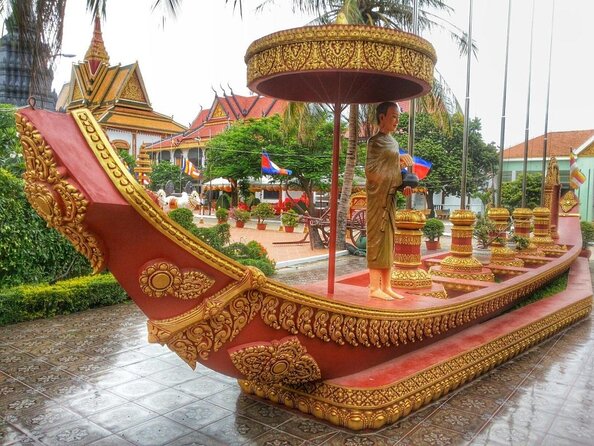
- Wat Preah Prom Rat and the reclining Buddha, with clear explanations of Buddhist everyday life
- Kandal Village’s colonial back streets, with boutiques and coffee spots along the way
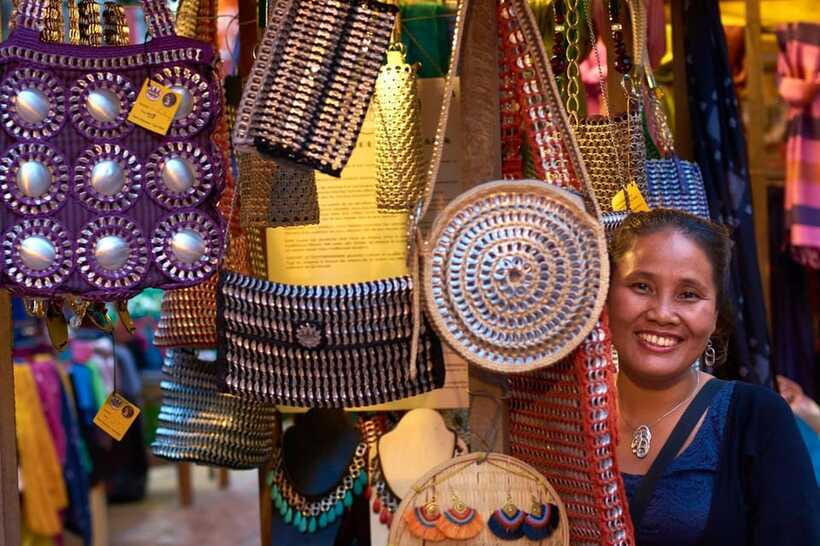
- Psar Chas (Old Market) as a practical look at real errands, not just souvenirs
- Pub Street by day, plus tips for turning it into a better night plan
- Small group (up to 10) keeps questions flowing and pacing relaxed
Around town on foot, more walks
- Siem Reap: City Walking Tour★ 4.6 · 583 reviews
- Old Siem Reap Sunset Food Tour by Tuk-tuk★ 5.0 · 311 reviews
- Siem Reap City Hidden Gems (Private Guided Tour)★ 5.0 · 105 reviews
- Highlights & Hidden Gems With Locals: Best of Siem Reap Private Tour★ 5.0 · 52 reviews
Meeting Damnak Supermarket, then settling into the city fast
This tour is built for a simple first day. You meet outside Damnak Supermarket, at the corner of Wat Bo Road and 7 Makara Street (also called High School Road), about 5 minutes before the start time. With no hotel pickup, you should give yourself a little extra time to get there, especially if you are new to how tuk-tuks and crossings work in Siem Reap.
The total time is 2 hours. That might sound short until you realize this route strings together several key parts of the inner core, with stops that explain what you are seeing instead of rushing you through photos. In a small group of up to 10 people, you can ask the kind of questions that come up when you notice details, like how pagodas fit into daily routines.
If you get warm easily, aim for comfortable clothing and a water habit. Even if some parts feel shaded, Siem Reap heat and sunlight can still sneak up on you, especially around open streets near markets.
Royal Gardens and Royal Residence: start with calm, not chaos
Your walk begins at the Royal Gardens and Royal Residence area. This is a smart move because it eases you into Siem Reap’s rhythm. One of the best ways to understand a tourist town is to see where the local version of it begins, and this part of the city gives you that framing.
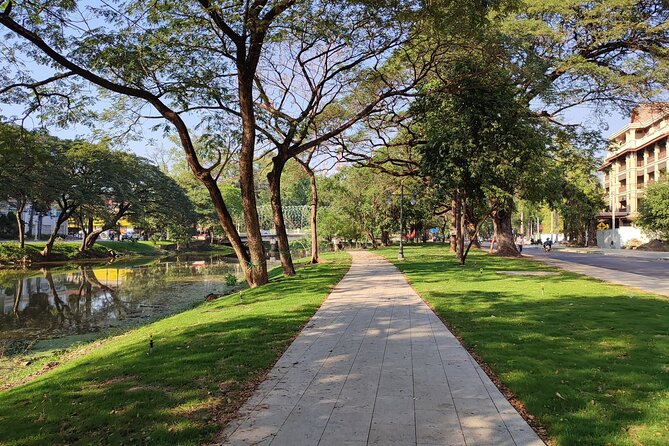
As you stroll, watch how the space shifts from built-up streets into a more garden-like flow. The goal here is not just views. It is orientation, so later when you spot temple features or colonial architecture in other neighborhoods, you have a reference point.
What you likely will appreciate most is the early pacing. You are not dropped straight into the densest streets. You start with the more reflective mood of the Royal area, which helps you get through the rest of the tour with better attention.
Kandal Village’s boutique streets and colonial back lanes
Next you move into Kandal Village. This is one of Siem Reap’s hottest boutique zones, and the best part is how the modern retail vibe sits alongside older colonial-style architecture. You get a real sense of the city’s layered identity in just a few minutes of walking.
Expect coffee-house stops and storefront browsing energy. Even if you are not planning to buy anything, you will still learn a lot by noticing what is being sold, how people move through the area, and what locals and visitors gravitate toward.
A small tip for getting value out of Kandal Village is to ask your guide what to look for. The best guides do not just point at signs. Guides also explain why certain areas feel popular, how neighborhoods developed, and how colonial-era styles shaped street patterns. Reviews for this tour often mention guides by name, like Banana, Chek, Tea, Ty, and Sai, and they consistently come across as upbeat, personable, and ready to answer follow-up questions.
Possible drawback here: the streets can feel busy, especially around shops and café clusters. If you want quieter photo time, keep an eye on the flow and pause when the crowd shifts, rather than trying to stand your ground in the busiest lane.
Wat Preah Prom Rat reclining Buddha and the meaning behind it
The tour’s biggest religious stop is Wat Preah Prom Rat, described as the largest pagoda in the city, home to an epic reclining Buddha. This is the moment where the walk turns from sightseeing into understanding.
Your guide will explain how pagodas and Buddhism connect to daily Cambodian life. That matters because a reclining Buddha is visually dramatic, but without context it is easy to treat it like a landmark only. With context, you start noticing small details you would otherwise skip, like how worship space is used and how visitors are expected to behave.
Important practical rule: you must remove your shoes when entering pagodas. Wear shoes that are easy to slip off and put back on, and keep that in mind when choosing your outfit.
Also consider what kind of questions you want answered. If you are curious about symbols, ceremonies, or why certain spaces feel set apart, ask here. This is the best place to get straight explanations, since the guide can tie the meaning directly to what you are seeing.
If you are sensitive to bright sunlight, this area can feel open depending on where you pause. Sun protection helps. The tour information specifically recommends a hat, sunglasses, and sunscreen, and that is advice worth taking seriously in Siem Reap.
Siem Reap at walking pace, more routes
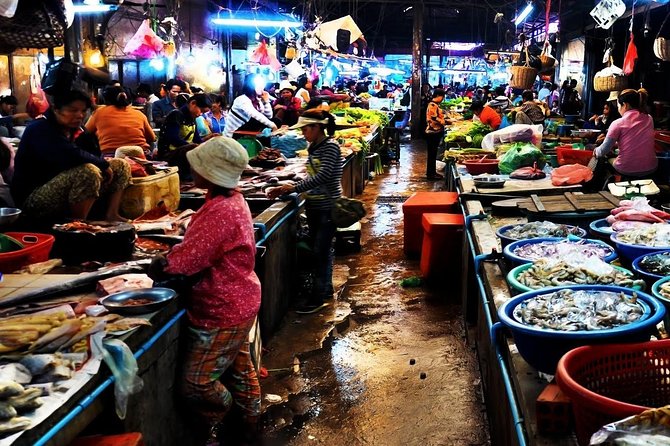
Psar Chas (Old Market): daily errands, food stalls, and what people actually buy
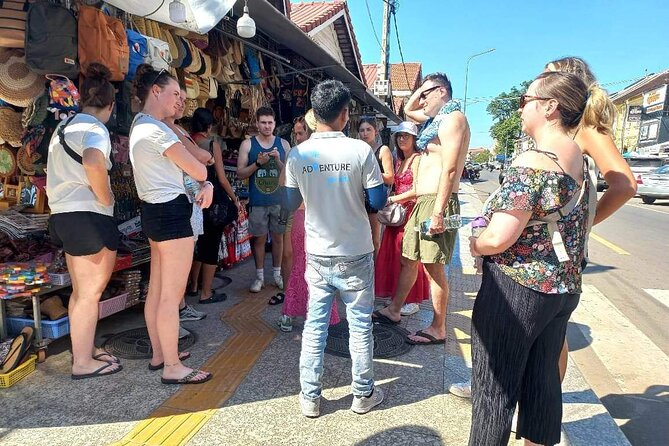
After the pagoda, you head to Psar Chas (Old Market). This stop is one of the most useful on the itinerary because it gives you the “how the city runs” layer.
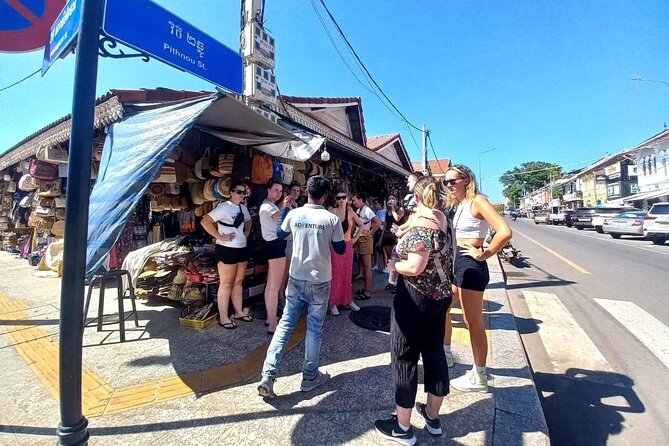
The market is a hub for clothing, souvenirs, fresh produce, and food stalls. That mix matters. You get more than a tourist shopping moment. You see how people shop for real needs, how produce and ingredients appear alongside everyday goods, and how eating is part of the rhythm of the place.
One practical value here is orientation for later. Once you have walked through Old Market, you will recognize the general feel of central Siem Reap markets, so choosing what to eat or where to browse on your own becomes less stressful. You are not guessing from scratch.
This is also a good chance to ask what is worth trying and what to skip. The tour is designed to include local insight, and guides often share straightforward guidance on how markets work, what categories you will find, and how to navigate the flow with less friction.
If you need a break, consider bringing it up. One review mentioned the idea of a restroom break, which tells me you should plan for a quick pause request if you need it, rather than assuming the schedule will pause for you.
Pub Street in daylight, then planning a better night
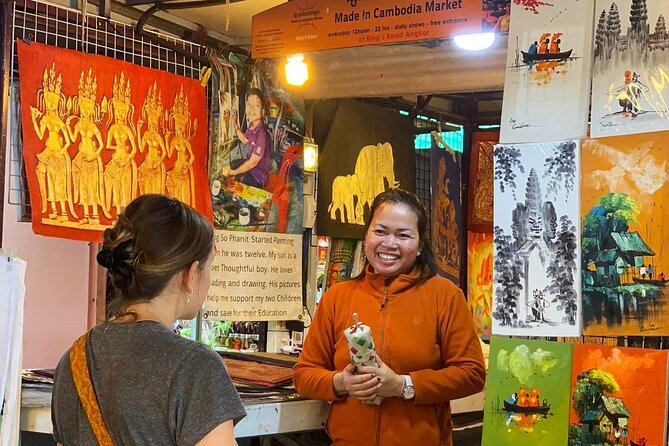
The tour includes Pub Street by day and local tips for how to make your night experience better. This is clever because it helps you avoid the common first-night problem: you get there in the evening, it is crowded and loud, and you end up wandering without a plan.
By seeing Pub Street earlier, you learn the layout and what kind of energy changes as the hours shift. Then your guide’s tips help you turn that into a strategy, like when to go, what to prioritize, and how to avoid getting stuck in the most chaotic areas for no reason.
Also, Pub Street in daylight can feel surprisingly useful. It is not just about nightlife. It is about learning where things are. After this tour, you will likely feel more confident about returning later, finding a food spot, and moving between nearby areas without feeling lost.
One thing to keep in mind: because you are seeing it during the day, you will not get the full sensory payoff of a night crowd. But the tradeoff is you get orientation and practical advice, which often makes your actual night out better.
Quick look at the central market, plus how to finish strong
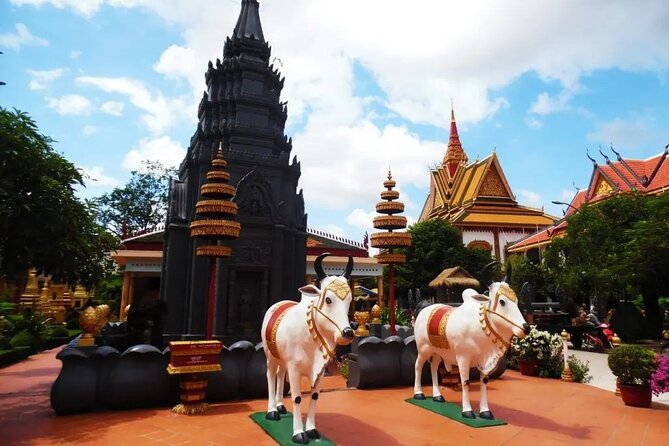
You also explore a little of Siem Reap’s central market as part of the route. This is a “taste” stop, not a long shopping block. Think of it as a last chance to spot local goods, practice market-reading, and decide what you might want to revisit later on your own.
To make the most of these short market segments, set a simple goal. For example, aim to pick up one category item, like small snacks, a fruit you recognize, or a souvenir type you actually want. If you leave your decisions open-ended, you can lose time because markets naturally pull you in many directions at once.
At the end of the tour, you should have enough context to move around the inner core with less confusion. And because the guide covers cultural connections, your eyes will start to spot meaning in everyday city details, not just the headline attractions.
Who this walking tour suits best, and who should skip it
This tour is ideal if you want a compact orientation in 2 hours. If you are a first-time visitor, a solo traveler, or someone who wants to spend the rest of your day doing temples with a clearer sense of where things are, you will likely love it. The small group size, limited to 10 participants, also makes it a good fit if you enjoy asking questions and getting direct answers.
It is also a nice choice if you like walking but do not want a huge all-day plan. The pacing is set for a comfortable stroll through multiple districts, from the Royal area to markets and Pub Street.
You might want a different plan if you have limited mobility or if shoe removal and temple etiquette feels like too much for your comfort level. Also, since there is no hotel pickup, you will need to handle getting to the meeting point on your schedule.
Finally, if you hate markets, you might find parts of Psar Chas and the central market section a bit intense. The tour does include cultural explanations, but it still spends time in lively commercial streets.
Should you book the Siem Reap City Walking Tour?
Yes, if you want the smartest kind of first step. For $6 per person, you get a live guide, a smooth 2-hour route through several core sights, and practical context that turns temples and markets into something you understand. The Wat Preah Prom Rat reclining Buddha stop alone is worth building the day around, especially with an explanation of what pagodas mean in everyday Cambodian life.
Book it early in your trip, ideally your first day, because it helps you get bearings and decide how you want your later temple visits and nightlife to feel. If you are ready to walk, can follow the shoe rules at pagodas, and want a friendly, question-friendly guide like Banana, Chek, Tea, Ty, or Sai, this is a strong value pick.
FAQ
How long is the Siem Reap City Walking Tour?
The tour lasts 2 hours.
What does it cost?
It costs $6 per person.
Where is the meeting point?
Meet outside Damnak Supermarket on the corner of Wat Bo Road and 7 Makara Street (High School Road), about 5 minutes before the start time.
What is included in the tour price?
A live tour guide is included.
Is hotel pickup provided?
No, hotel pickup is not included.
Do I need to remove my shoes?
Yes. You must remove your shoes when entering pagodas.
What language is the guide?
The live tour guide speaks English and Cambodian. The group is limited to 10 participants.
More Siem Reap Tours to Compare
- Angkor Wat Sunrise or Sunset Tour with Guide from Siem Reap
★ 5.0 · 12,109 reviews - Siem Reap: Angkor Wat: Small-Group Sunrise or Sunset Tour
★ 5.0 · 9,444 reviews - From Siem Reap: Kampong Phluk Floating Village Tour by Boat
★ 4.9 · 6,979 reviews - Sunset tour of Kampong Phluk stilts home village on the Tonle Sap
★ 5.0 · 4,865 reviews - Siem Reap: Angkor Wat 2-Day Tour with Sunrise and Sunset
★ 4.9 · 4,429 reviews
More Tour Reviews in Siem Reap
- Angkor Wat Sunrise or Sunset Tour with Guide from Siem Reap
★ 5.0 · 12,109 reviews - Siem Reap: Angkor Wat: Small-Group Sunrise or Sunset Tour
★ 5.0 · 9,444 reviews - From Siem Reap: Kampong Phluk Floating Village Tour by Boat
★ 4.9 · 6,979 reviews - Sunset tour of Kampong Phluk stilts home village on the Tonle Sap
★ 5.0 · 4,865 reviews - Siem Reap: Angkor Wat 2-Day Tour with Sunrise and Sunset
★ 4.9 · 4,429 reviews
Around Town in Siem Reap
- Old Siem Reap Sunset Food Tour by Tuk-tuk
★ 5.0 · 311 reviews - Siem Reap City Walking Tour
★ 4.5 · 114 reviews - Siem Reap City Hidden Gems (Private Guided Tour)
★ 5.0 · 105 reviews - Highlights & Hidden Gems With Locals: Best of Siem Reap Private Tour
★ 5.0 · 52 reviews - A Day Angkor Wat Sunrise Tour, Ta Prohm & Hidden Gems Beng Mealea
★ 5.0 · 36 reviews
Just Added: Fresh Siem Reap Tour Reviews
Siem Reap City Tours, compared.
 ★ 5.0Old Siem Reap Sunset Food Tour by Tuk-tukFrom $75311 reviews
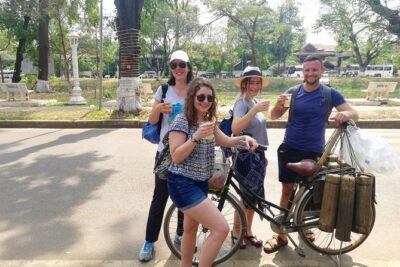 ★ 4.5Siem Reap City Walking TourFrom $6114 reviews
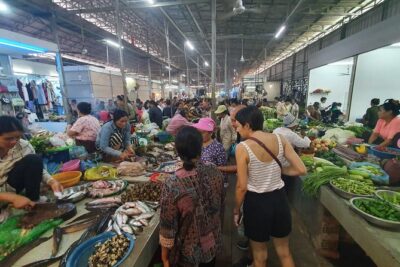 ★ 5.0Siem Reap City Hidden Gems (Private Guided Tour)From $39105 reviews
 ★ 5.0Highlights & Hidden Gems With Locals: Best of Siem Reap Private TourFrom $4952 reviews
 ★ 5.0A Day Angkor Wat Sunrise Tour, Ta Prohm & Hidden Gems Beng MealeaFrom $15536 reviews
 ★ 5.0Siem Reap City Tour with War Museum and Killing FieldFrom $4727 reviews
 ★ 5.0Private Guided Tour of Siem Reap Highlights & Hidden GemsFrom $3520 reviews
 ★ 5.0Siem Reap City TourFrom $3720 reviews
Browse the lists this tour appears in