
Reviewed · ANGKOR WAT TEMPLE TOURS
Angkor Wat: Tuk Tuk and Walking Tour
Angkor Wat hits harder when you are not stuck in a bottleneck. This day tour mixes private tuk-tuk rides with temple walking and pairs you with an English-speaking guide, plus stops like Bayon and Ta Prohm that feel tailor-made for first-time visitors. I especially like how the route starts with big-picture orientation around Angkor Thom, then shifts into the maze-like interior spaces where the stones start telling their story.
One thing to consider: this is a walk-heavy 7-hour day. Expect serious walking, and if you have mobility limits, you will want a different option.
Key things to know before you go
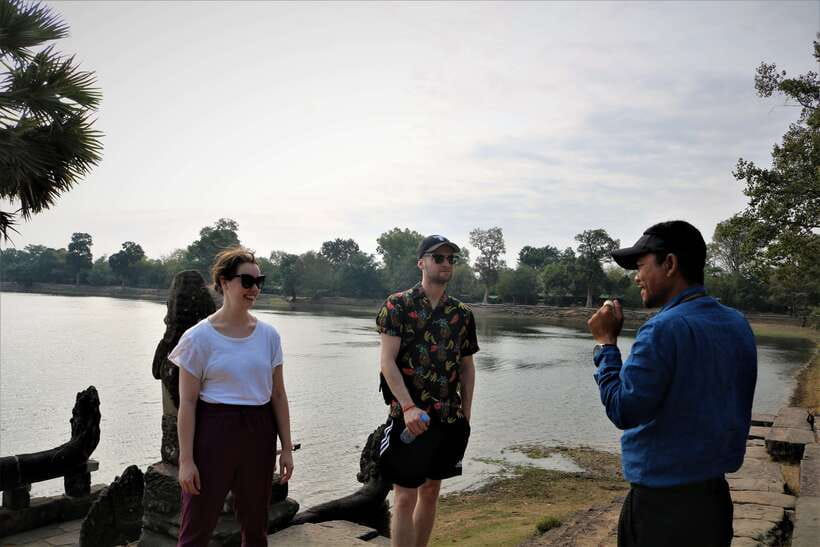
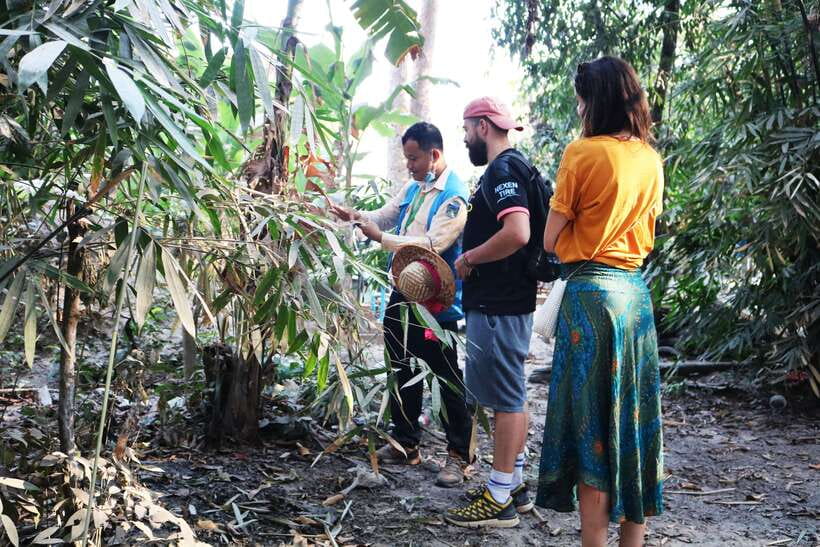
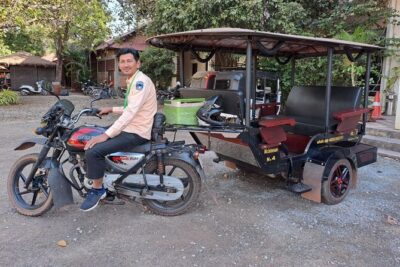
- Private tuk-tuk from your hotel keeps you out of the mess and sets a smooth pace
- English live guide helps you understand what you are seeing, not just where it is
- Crowd escape focus on the route and the timing between major temple stops
- Dead Gate, walls, and Victory Gate give context for how Angkor was defended
- Ta Prohm jungle temple is the stop that turns sightseeing into a real atmosphere
- Comfortable shoes matter, because you will do around 9 miles of walking during the day
Other ways to walk the great temple
- Angkor Wat Sunrise or Sunset Tour with Guide from Siem Reap★ 5.0 · 12,109 reviews
- Siem Reap: Angkor Wat: Small-Group Sunrise or Sunset Tour★ 5.0 · 9,444 reviews
- Siem Reap: Angkor Wat 2-Day Tour with Sunrise and Sunset★ 4.9 · 4,429 reviews
- Siem Reap: Full-Day Angkor Wat Guided Tour with Sunset★ 4.9 · 3,803 reviews
The 7-Hour Tuk-Tuk and Walking Plan That Actually Works
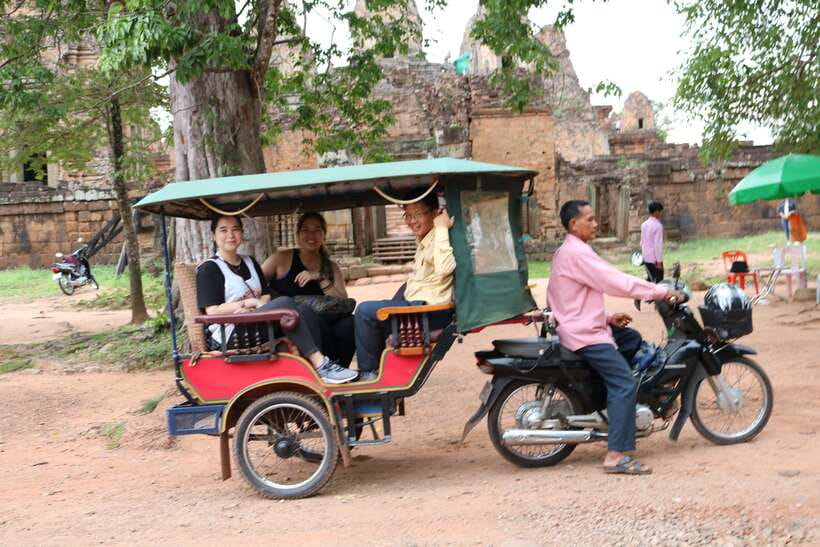
This tour is built for people who want Angkor without spending half the day stuck in traffic lines or bouncing between far-apart sites with no plan. You start with a hotel pickup, then settle into a private tuk-tuk ride that drops you near the action. That matters because Angkor can feel like “everything everywhere,” especially on your first day.
You then shift gears from riding to walking. That mix is the sweet spot. You get the freedom of tuk-tuk movement between key zones, but you still do enough on foot to feel the scale of Angkor Thom and the way the temple city unfolds in layers. If you like sights that reward slow looking, this schedule is a good fit.
The one drawback is stamina. Even with tuk-tuk segments, the day is long, and the walking is extensive. If you do not already walk a lot at home, plan for sore feet.
Eastern Gate Into Angkor Thom: Get Your Bearings Fast
Most first-time visitors rush straight to the famous highlights and miss the structure underneath. This route sets you up better. You begin at Angkor’s eastern gate, then transition into Angkor Thom on foot with an English guide telling the background as you go.
That walking section does two useful things for you. First, it helps you understand the Khmer Empire in practical terms, not just dates and names. Second, it lets you see the ruins from inside the city layout, including the maze-like feeling of the interior spaces. Angkor Thom is easier to decode when you are actually moving through it, turning corners, and spotting how different areas connect.
You will also get a sense of how the city functioned as a living place, not only a monument. When a good guide explains why gates, walls, and major temples matter, you start noticing patterns on stone instead of seeing “random piles of rock.”
Bayon Temple Faces: What to Notice When the Crowds Thin Out
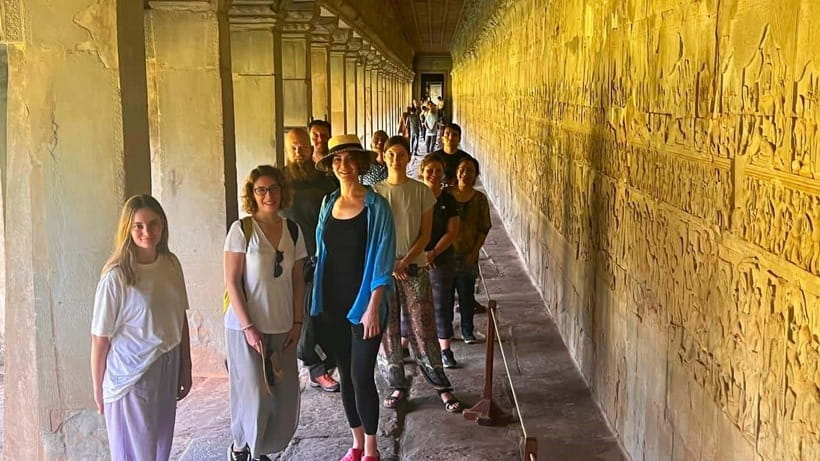
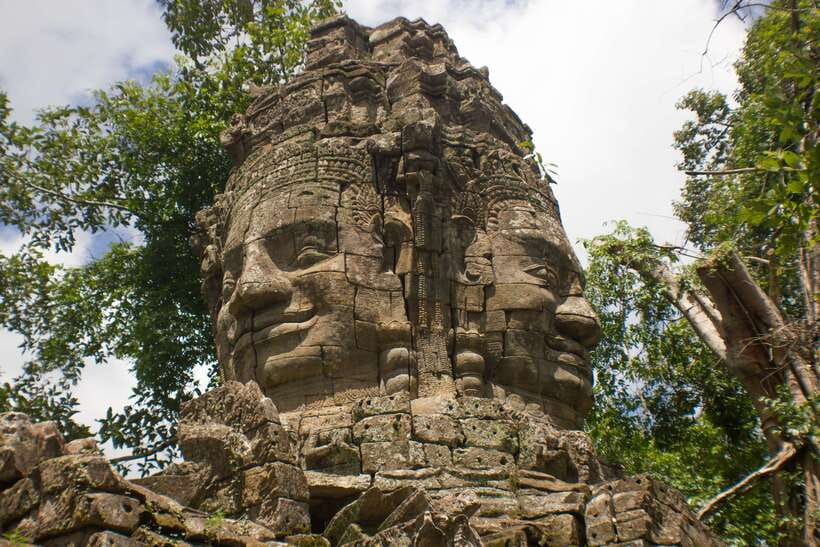
Bayon is famous for a reason. The giant stone faces look like they are watching you from every angle, and that effect builds the longer you stay. The trick is to not treat Bayon like a quick photo sprint.
I like how this tour includes Bayon as a planned stop instead of something you happen upon between longer drives. You can slow down. You can step into the right angles. You can actually look at the details around the faces and the surrounding architecture.
Since the tour is structured to help you avoid the worst crowd pressure, you have a better chance to take in the mood. Angkor temples can feel totally different depending on whether you are there at peak crush time or in a calmer window.
Dead Gate, Old Walls, and Victory Gate: A Survival Route Through Stone
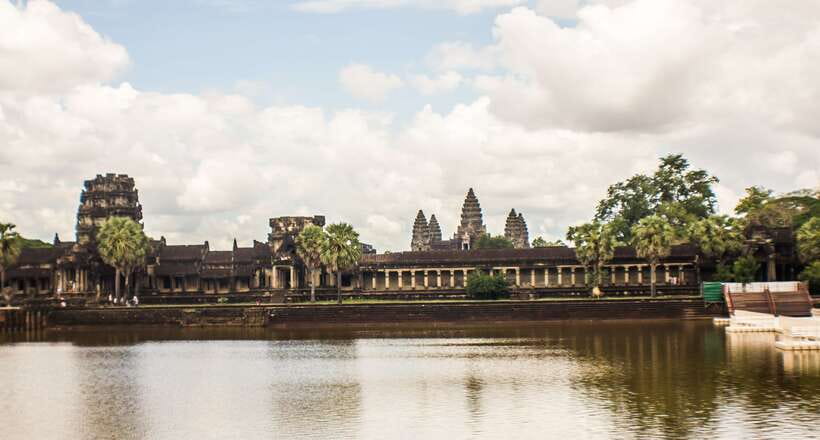
After Bayon, you climb the Dead Gate. That sounds dramatic, and it is also practical. It is a real climb and it is worth approaching with sturdy shoes and a calm pace. Think of it as the moment you shift from “viewing temples” to “experiencing a city that was designed to move people, defend people, and control access.”
Then you walk along the old city walls and see the Victory Gate, where warriors once marched. Walking these lines gives you instant context. From the top and along the edges, you start understanding how the city boundaries shape movement and vision. You also get a clearer picture of how Angkor worked as a fortress-like urban center, not just a set of temples spaced around flat ground.
Practical tip: keep your focus on what your guide is pointing out, even if you feel tempted to just look ahead. The story gets easier when you connect the explanation to the stone layout in front of you.
More temple circuits, set side by side
Lunch and Energy: Plan for a Strong Afternoon
Lunch is not included, so treat this as your mid-day reset button. You will have a break after the major Angkor Thom and Bayon sequence, and that is where you can refill water and eat something that will power the rest of the day.
You are provided bottled water and soft drinks, which helps a lot in Siem Reap heat, especially if you are wearing long pants. Still, I recommend you bring a little extra snack strategy in your own mind, like choosing a meal that is not so heavy that Ta Prohm becomes a slog.
Also, if it is hot or humid, timing is everything. Take the break, cool down for a few minutes, then get moving again. A long day at Angkor is won or lost by energy management.
Ta Prohm Jungle Temple: When the Ruins Feel Alive
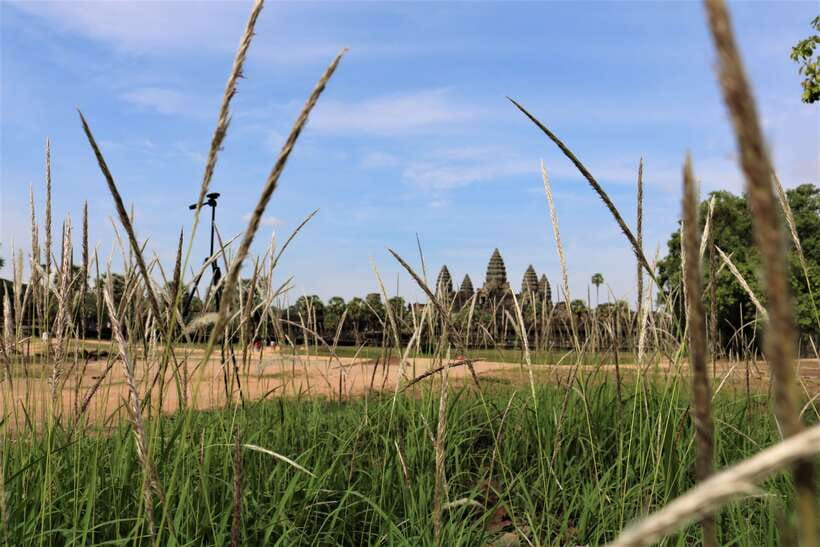
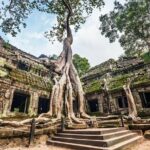
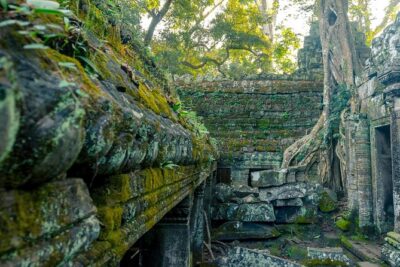
Ta Prohm is the stop that most people came for, and it deserves that reputation. This is the “jungle temple,” where trees grow through the ruins. The result is pure atmosphere. It looks the way it did after an explorer famously uncovered it over 150 years ago, with the kind of dramatic contrast that makes you stop talking and start looking.
Walking through Ta Prohm feels like moving through an archaeological scene that was left mid-story. You do not just see carvings. You see roots, shade, and stone surfaces that look weathered in layers. You also get a different kind of photo experience here. With trees and uneven ground, your best pictures often happen when you slow down and wait for the right angle.
Bring insect repellent, because the jungle effect also means more bugs. And wear comfortable shoes that can handle uneven ground and stone edges.
The best way to enjoy Ta Prohm is to let it be slightly confusing. If you push for speed, you miss the magic. If you let yourself wander in the right areas while your guide explains what you are seeing, the whole place clicks.
The Guides: English Stories That Make Khmer Stone Make Sense
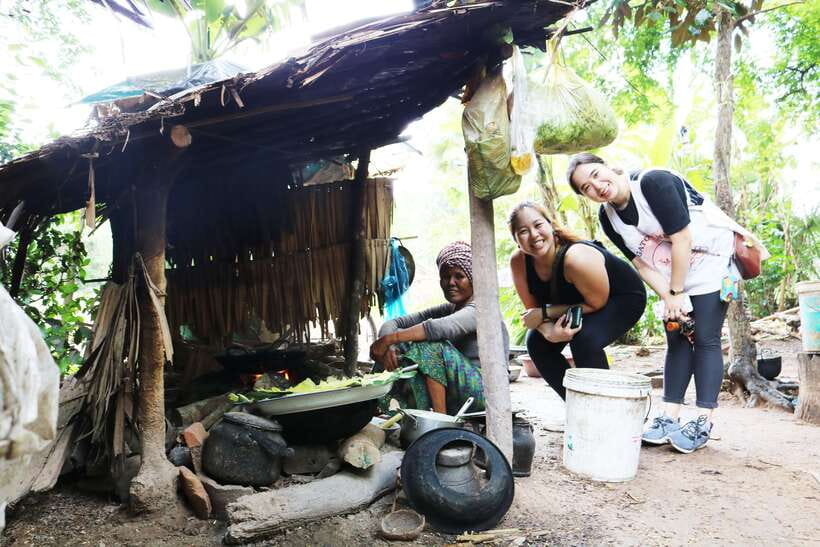
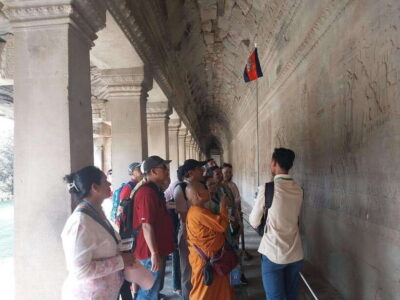
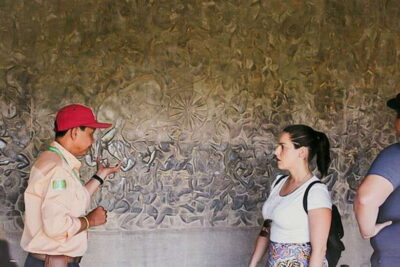
A major reason this tour earns top ratings is the guide quality. Names that have been praised include Sam, Monirom, Poleak, Bun, and Bob. The consistent theme is not only temple facts, but how the guide connects those ruins to everyday life and Khmer culture.
That matters because Angkor can feel like a museum where you read labels and move on. A strong guide makes it more human. You start hearing about the Khmer Empire in a way that connects to the world around you today.
When your guide is good, you also get flexibility. One experience shared that when rain was pouring and a nearby village walk would have been muddy and unpleasant, the guide adjusted and got the group back to the tuk-tuk faster at the start of the walk. That kind of practical judgement can be the difference between a great day and a soggy one.
So if you book, do yourself a favor: ask questions. Ask about daily life, not only temple architecture. That is where the best answers usually come from.
Cost Breakdown: Is $49 Good Value at Angkor?
Let’s talk math, because the total cost is what you feel in your wallet.
- Tour price: $49 per person
- Temple entrance fees: $37 per person (for a one-day visit)
- Lunch: not included
So a realistic baseline is about $86 per person, before you add whatever you choose for lunch or snacks. For many visitors, that is still a reasonable spend because you get hotel pickup and drop-off, private tuk-tuk transportation, bottled water and soft drinks, and a live English guide who helps you skip the ticket line.
That “skip the ticket line” piece is not just convenience. At Angkor, time is energy, and energy is what you need to enjoy Ta Prohm instead of rushing through it. The entrance fees are the big separate chunk, but the tour price covers the human and logistical parts.
In plain terms: you pay for smoother access and better understanding, not for the temple tickets themselves.
What to Bring and Wear: Small Choices That Save Your Day
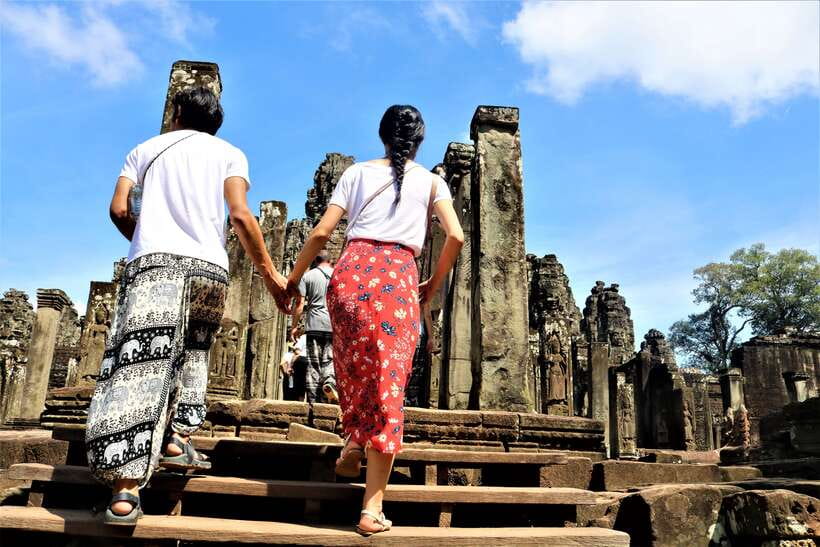
Angkor is hot, dusty, and sometimes buggy. Your gear should match that reality.
Bring:
- Comfortable shoes (this is not a flip-flop day)
- Insect repellent
Wear:
- Long pants or clothing that is not short-revealing. Shorts are not allowed on the tour.
- Something you can stand in for hours, because there is a lot of walking.
Know the rules:
- Feeding animals is not allowed.
- The tour is not suitable for people with mobility impairments, because the walking and site steps can be hard to navigate.
If it rains, expect changes. One experience mentioned that they skipped a nearby village section when conditions were muddy. You cannot control the weather, but you can control how you are prepared, like having shoes that can handle damp ground.
Who This Tour Suits Best (And Who Might Feel Rushed)
This is a good match if you are:
- Visiting Angkor for the first time and want classic highlights in a logical flow
- The type of person who likes history explained in plain language while you walk
- Comfortable with extensive walking and want to replace crowd time with guide-led pacing
It might be less ideal if you:
- Have mobility challenges that limit walking on uneven temple ground
- Prefer a slower, shorter day with fewer stairs and less distance
- Want a day that is mostly car time, because this is a tuk-tuk day plus real walking
Should You Book This Tuk-Tuk and Walking Tour?
If you want the Angkor experience to feel organized, guide-led, and worth the ticket line hassle, I think this is a strong choice. The route covers the big “must-see” stops, but it also includes the less glamorous parts that make the big stops click, like the walls, gates, and the way Angkor Thom works as a city.
Book it if you can walk and you like stories. Skip it if you need a mobility-friendly format or want minimal walking.
If you do book, go in prepared: good shoes, repellent, and clothing that respects the dress rules. Then let the guide do their job, because this kind of day gets best when you stop treating temples like photo backdrops and start treating them like places with a past you can actually follow.
FAQ
What is the duration of the Angkor Wat tuk-tuk and walking tour?
The tour lasts 7 hours.
How much does the tour cost?
The price is $49 per person.
Are temple entrance fees included?
No. Entrance fees at temples are not included and are listed as $37 per person for a one-day visit.
Is lunch included?
No, lunch is not included.
What does the tour include?
It includes bottled water, soft drinks, a professional local guide, hotel pickup and drop-off, and transportation by private tuk tuk.
Do I need to buy tickets for the temples in advance?
The tour includes skipping the ticket line, so you will not be waiting in that line as part of the experience.
What language is the tour guide?
The tour is offered with an English live tour guide.
What should I bring?
Bring comfortable shoes and insect repellent.
Are shorts allowed?
No, shorts are not allowed.
Is the tour suitable for people with mobility impairments?
No, it is not suitable for people with mobility impairments.
The Temples by Tuk-Tuk
- Siem Reap: Angkor Wat Private Tuk-Tuk Tour
★ 4.9 · 2,222 reviews - Siem Reap Countryside Bike Tour / E-Bike or Tuk Tuk
★ 5.0 · 935 reviews - Angkor Sunrise Bike Tour / E-Bike or Tuk Tuk
★ 5.0 · 615 reviews - Angkor Wat Private Tuk-Tuk Tour (sunrise Option) & more
★ 5.0 · 439 reviews - Old Siem Reap Sunset Food Tour by Tuk-tuk
★ 5.0 · 311 reviews
More Temple Circuits Around Siem Reap
- Angkor Wat Sunrise or Sunset Tour with Guide from Siem Reap
★ 5.0 · 12,109 reviews - Siem Reap: Angkor Wat: Small-Group Sunrise or Sunset Tour
★ 5.0 · 9,444 reviews - Siem Reap: Angkor Wat 2-Day Tour with Sunrise and Sunset
★ 4.9 · 4,429 reviews - Siem Reap: Full-Day Angkor Wat Guided Tour with Sunset
★ 4.9 · 3,803 reviews - Angkor Wat Sunrise tour with Small – Group and Guide tours
★ 5.0 · 3,655 reviews
Angkor Wat, a Few More Ways In
- Angkor Wat Sunrise or Sunset Tour with Guide from Siem Reap
★ 5.0 · 12,109 reviews - Siem Reap: Angkor Wat: Small-Group Sunrise or Sunset Tour
★ 5.0 · 9,444 reviews - Siem Reap: Angkor Wat 2-Day Tour with Sunrise and Sunset
★ 4.9 · 4,429 reviews - Siem Reap: Full-Day Angkor Wat Guided Tour with Sunset
★ 4.9 · 3,803 reviews - Angkor Wat Sunrise tour with Small – Group and Guide tours
★ 5.0 · 3,655 reviews
Just Added: Fresh Siem Reap Tour Reviews
Angkor Wat Temple Tours, compared.
 ★ 5.0Angkor Wat Sunrise or Sunset Tour with Guide from Siem ReapFrom $1812,109 reviews
 ★ 5.0Angkor Wat: Small-Group Sunrise or Sunset TourFrom $159,444 reviews
 ★ 4.9Angkor Wat 2-Day Tour with Sunrise and SunsetFrom $344,429 reviews
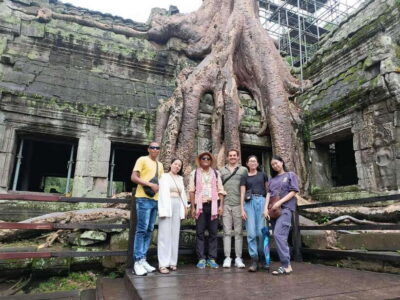 ★ 4.9Full-Day Angkor Wat Guided Tour with SunsetFrom $153,803 reviews
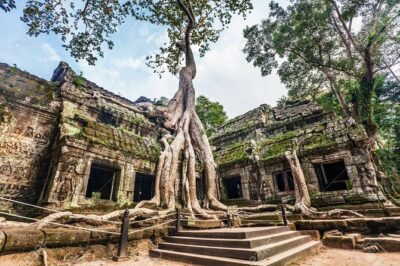 ★ 5.0Angkor Wat Sunrise tour with Small – Group and Guide toursFrom $143,655 reviews
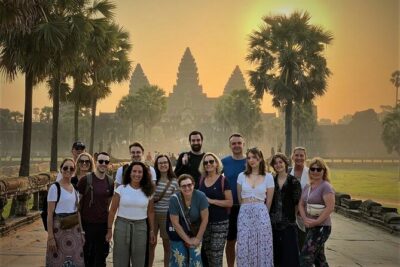 ★ 5.0Angkor Wat Highlights and Sunrise Guided Tour from Siem ReapFrom $233,213 reviews
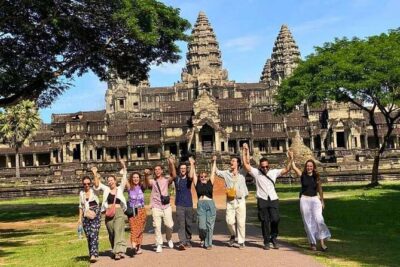 ★ 5.0Angkor Wat Sunset Small Group Tour with Lunch IncludedFrom $203,059 reviews
 ★ 5.0Full-Day Angkor Wat Sunrise Private Tour with Guide from Siem ReapFrom $602,920 reviews
Browse the lists this tour appears in