
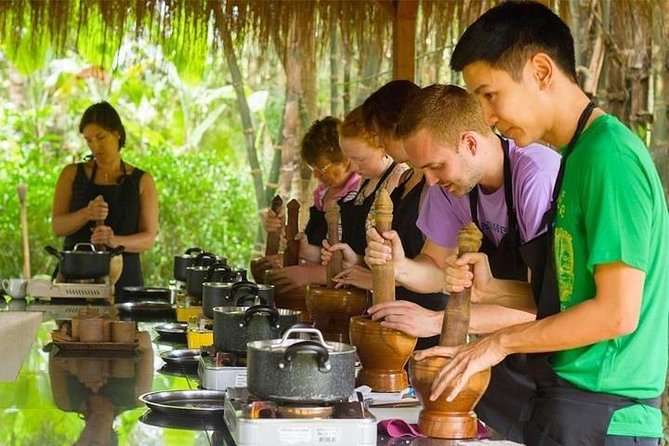
Reviewed · PRIVATE ANGKOR TOURS
Cambodian Private Cooking Class at a Local’s Home
A Siem Reap cooking class that feels local. You start by hunting fresh Khmer ingredients at a nearby market, then you cook and eat multiple dishes in a private setting. I like that it teaches the method behind Khmer flavor, especially spice work, not just a list of recipes, and you leave with a real feel for dishes like fish amok curry and tom yum-style soup.
One thing to keep in mind: the “local home” vibe can vary. In some cases the cooking happens in a clean, modern facility rather than a strictly rustic house, so if you want only a traditional home kitchen, manage expectations.
Key Highlights (Read This First)
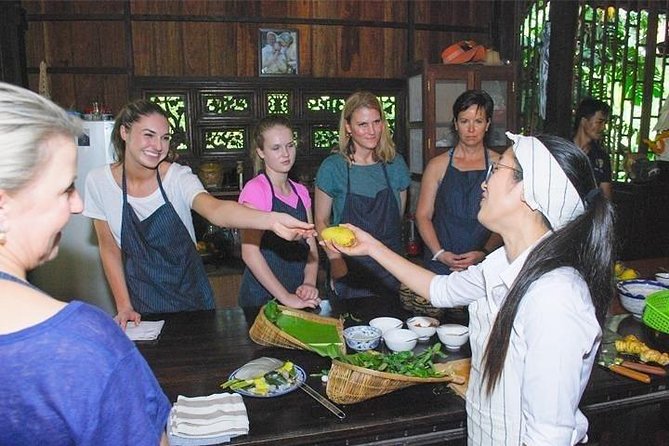
- Market shopping with a local guide to pick fresh ingredients before you cook
- Private, hands-on lessons where you cook and eat multiple dishes
- Khmer spice coaching focused on flavor building for curries and soups
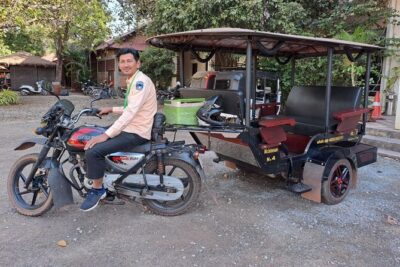
- Tuk-tuk transfers included with hotel pickup and drop-off (Romork)
- A full meal you made (3-course meal, plus extra dishes depending on the menu)
Aprons on for another Khmer kitchen
- Khmer Cooking Class at a Local’s Home in Krong Siem Reap★ 5.0 · 2,731 reviews
- Siem Reap: Khmer Cooking Class at a Local’s Home★ 5.0 · 1,108 reviews
- Award-Winning Cooking Class Experience with Professional Teacher★ 5.0 · 745 reviews
- Cambodian Village Cooking Class★ 5.0 · 265 reviews
Why Cooking in a Siem Reap Home Setup Beats a Restaurant Class
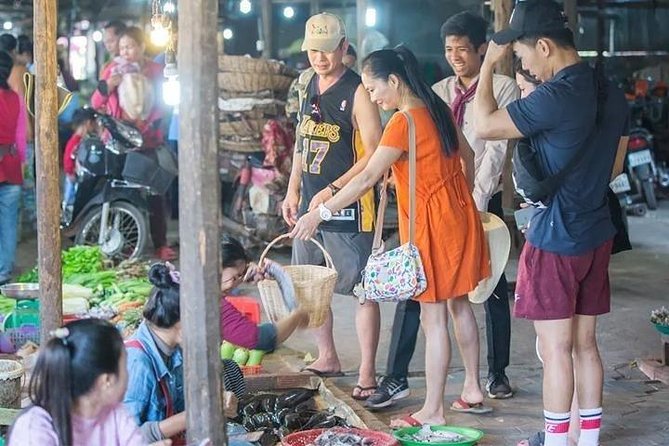
Siem Reap is famous for world-class temples, but your best memory might be the food you made with your own hands. This class works because it treats Khmer cooking like a skill, not a performance. The flow is simple: you shop, you prep, you cook, then you eat what you made, in a space that feels like part of daily life.
I also like the focus on Khmer flavor logic. Dishes like fish amok and tom yum are not just about taste, they’re about balance: fragrant aromatics, layered seasoning, and spice control. When someone teaches you how to build that flavor, you can repeat the results later at home.
Still, expect a practical, comfortable setup. One class experience may be more “clean and modern” than you pictured when you read local home. That’s not a deal-breaker, but it does mean you should judge this as a cooking lesson first, and a rustic window into a house second.
Tuk-Tuk Pickup and the 3-Hour Rhythm That Works
The class runs about 3 hours, which is just long enough to feel productive without turning your morning into a blur. Hotel pickup and drop-off are included by tuk-tuk (listed as Romork), so you avoid the hassle of figuring out transport on your own.
Here’s why that timing matters. If you’ve ever tried to do a cooking class plus market plus meals, you know things can sprawl. This one stays tight, with the market visit and cooking portion planned as a smooth sequence. You’ll also have bottled water included, which helps you stay comfortable while you walk and then cook.
It’s also a private tour, meaning it’s just your group. That matters if you want room to ask questions, slow down for chopping steps, or take photos without feeling like you’re sharing the instructor.
The Market Walk: Where Your Khmer Cooking Starts
The market stop is not a throwaway add-on. It’s where you learn what ingredients actually drive Khmer dishes. You walk around with a local guide to find fresh produce, proteins, and the herbs and aromatics that give the food its identity.
This is the part that turns a cooking class into something you can repeat. If you learn what to look for in fish, fresh herbs, and the vegetables used in salads and curries, you start to understand why Khmer cuisine tastes the way it does. You also learn how people shop in real life, not in a tourist bundle.
Practical tip: come hungry and with a little curiosity. Markets can be sensory. Give yourself permission to slow down, ask what each ingredient is for, and notice the colors and textures. Khmer cooking pays off when your ingredients are fresh, and the guide will usually steer you toward that.
Khmer Technique, Spice Secrets, and a Host Who Actually Teaches
The heart of the experience is the cooking lesson led by an experienced local host/guide. In strong classes, the host doesn’t just tell you what to do. They explain why. That approach helps you avoid the most common home-cooking problem: you follow steps, but you do not understand the flavor target.
You can expect spice secrets tied to dishes like fish amok curry and tom yum soup. These are the kinds of dishes where the aromatic base matters. The way the spices bloom, the balance between sour, savory, and aromatic flavors, and the timing of seasoning are what make it Cambodian instead of generic curry or soup.
The best thing is that you are not stuck watching. You prepare and cook multiple dishes in an authentic home kitchen setting. One highlight from similar experiences is how clearly the guide breaks down each step and how service-minded the team is. Some classes are led by hosts like Sivorn, who have a knack for keeping it fun while still explaining everything.
One more useful detail: dietary needs can be accommodated when you ask. In one class setup, the cooking adjusted to avoid coriander for a partner who didn’t eat it. So if you have preferences or allergies, speak up early so the host can plan around it.
Just your group, at your own pace



What You Cook and Eat: Fish Amok, Tom Yum, Salad, and Dessert
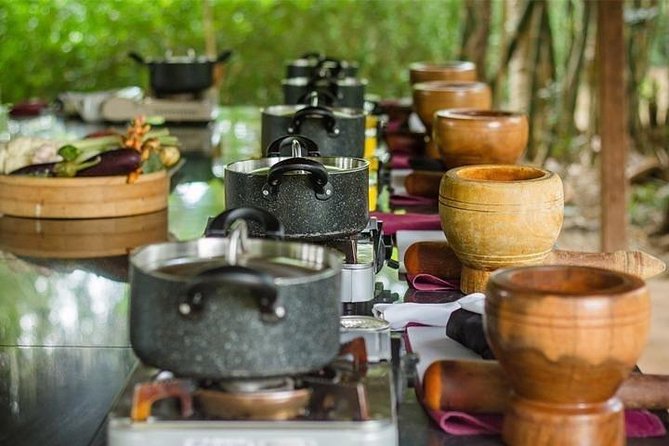
This class is built around cooking and eating a full set of dishes. Depending on the exact menu run, you should expect a 3-course meal plus additional dishes that may total four separate plates. The goal is that you don’t just taste, you produce.
Here are dishes that show up in this experience format:
- Fish amok curry: a Khmer classic built around aromatic spice work
- Tom yum soup: a sour, fragrant soup that teaches balance
- Banana flower salad: crisp, herb-forward, with a distinctly Cambodian flavor profile
- Banana sago dessert: a sweet ending, often made from ingredients common to Khmer desserts
What makes this part valuable is pacing. You’ll typically cook a starter and then move into a main dish workflow, with enough guidance to keep everyone on track. Since you eat what you prepare, the lesson turns into a feedback loop. If a spice level feels off while you cook, you learn how to correct it before the dish finishes.
Also, Khmer cooking is hands-on. Expect chopping, mixing, and sauce-building. If you’re worried about being a slow cook, don’t. The structure is designed to help a group work together in a kitchen setting without chaos.
And yes, you’ll leave full. The meal you prepare is included as lunch, and bottled water is provided.
How to Get the Most From a 3-Hour Private Lesson
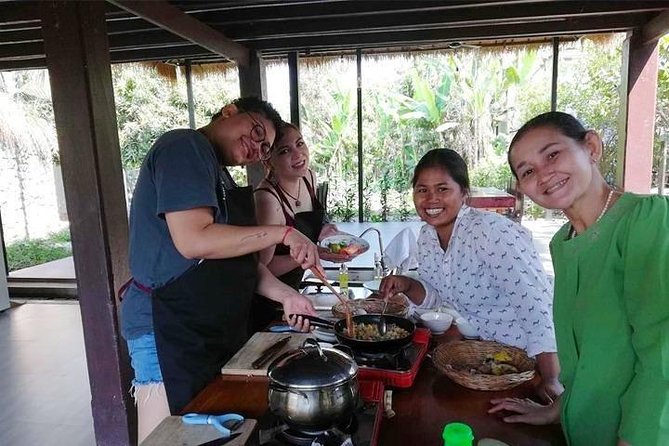
For a class this short, you want to “win” by focusing on the parts that transfer to your cooking at home.
First, pay attention to how the host handles spice timing. Fish amok and tom yum type flavors depend on when aromatics and spices go in. You don’t need to memorize every measurement, but you should aim to understand the order of steps and the flavor goal at each stage.
Second, take notes on texture. Many cooking lessons teach taste, but not feel. In Khmer dishes you’ll notice differences in how curries thicken, how salads stay crisp, and how dessert achieves a spoonable set. If you note texture, your home attempts get much closer.
Third, ask about substitutions. The class gives you ingredients, but you’ll want to know what matters most if you shop elsewhere later. Even simple questions like what makes a herb essential can help you recreate the flavor.
Finally, manage your expectations about the kitchen setting. It’s an authentic-feeling cooking experience, but it may not look like a traditional rustic home kitchen. What matters is that the lesson is practical, the space is clean, and the team is focused on getting you cooking and eating.
Price and Value: Is $33.13 a Good Deal?
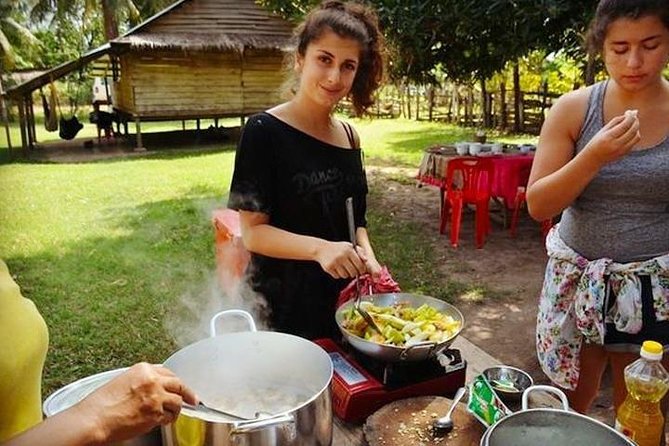
At $33.13 per person, this class is priced for value in a way that makes sense for Siem Reap. You’re paying for more than a meal. You’re paying for:
- Market guidance to choose fresh ingredients
- A local host/guide with real instruction
- Your ingredients included
- A tuk-tuk round-trip transfer (Romork) from hotel area
- Lunch, plus bottled water
Beer and wine are not included, so if you plan to drink alcohol, treat that as extra spending. But for most people, this is not the kind of experience you need alcohol to enjoy. It’s more about cooking and learning.
The real value is that you get multiple dishes and the teaching behind them in a set time window. That makes it less of a “food tour” and more of a skills class. If you’ve got only one free half day or morning and you want something memorable that isn’t temples, this holds up well.
Who This Cambodian Private Cooking Class Fits Best
This is a great choice if you:
- Love food and want more than just tasting
- Prefer hands-on learning over watching a chef
- Want a private experience for couples or small groups
- Enjoy market visits and learning how locals shop
- Are curious about Khmer classics like fish amok and tom yum
It also fits travelers who want an easy plan. Pickup is included, the tour runs around 3 hours, and you end with a meal you made.
If your top priority is a deep, alcohol-forward night out, this isn’t that. And if you need a super rustic, strictly traditional home setting for the full “wow, I’m in someone’s house” effect, you might want to consider that the kitchen setup can be clean and modern.
Should You Book This Class?
My vote: book it if you want a practical Khmer cooking experience that’s straightforward to join and satisfying to finish. The market portion, the spice coaching, and the fact that you cook and eat a full meal are the winning combination. It’s also a strong option when you want a calmer activity between Siem Reap temple days.
Before you book, think about two things. One, you are paying for instruction and included ingredients more than a fancy restaurant meal. Two, the kitchen setting may not be as rustic as the words local home suggest, but it should still be clean and focused on the cooking.
If your schedule allows, this is one of those experiences that makes Siem Reap taste like you actually connected with the place.
FAQ
How long is the Cambodian private cooking class in Siem Reap?
It lasts about 3 hours.
Is hotel pickup and drop-off included?
Yes. You get hotel pickup and drop-off by tuk-tuk (Romork).
Is this a private tour or shared group experience?
It is a private tour. Only your group participates.
Do I eat the dishes I prepare?
Yes. The experience includes a 3-course meal that you prepare, plus lunch.
Do you visit a local market during the activity?
Yes. You get an extra visit to a local market with a local guide to find fresh ingredients.
What dishes might we cook?
The experience focuses on Khmer dishes, with examples including fish amok curry and tom yum soup, and you may also prepare items such as banana flower salad and banana sago dessert depending on the menu.
Are drinks like beer and wine included?
Beer and wine are not included. Bottled water is included.
Is free cancellation available, and what if weather is bad?
Free cancellation is available. You can cancel up to 24 hours in advance for a full refund. The experience requires good weather, and if it is canceled due to poor weather, you’ll be offered a different date or a full refund.
If you want, tell me your travel dates and whether you’re a couple or a small group. I can help you time this class around temple visits and meals.
More Tour Reviews in Siem Reap
- Angkor Wat Sunrise or Sunset Tour with Guide from Siem Reap
★ 5.0 · 12,109 reviews - Siem Reap: Angkor Wat: Small-Group Sunrise or Sunset Tour
★ 5.0 · 9,444 reviews - From Siem Reap: Kampong Phluk Floating Village Tour by Boat
★ 4.9 · 6,979 reviews - Sunset tour of Kampong Phluk stilts home village on the Tonle Sap
★ 5.0 · 4,865 reviews - Siem Reap: Angkor Wat 2-Day Tour with Sunrise and Sunset
★ 4.9 · 4,429 reviews
Just Your Group: Private Days
- Full-Day Angkor Wat Sunrise Private Tour with Guide from Siem Reap
★ 5.0 · 2,920 reviews - Siem Reap: Angkor Wat Private Tuk-Tuk Tour
★ 4.9 · 2,222 reviews - Angkor Wat Private Day Tour from Siem Reap
★ 5.0 · 834 reviews - Angkor Wat Private Tuk-Tuk Tour (sunrise Option) & more
★ 5.0 · 439 reviews - Private Angkor Wat Day Tour – Best of Angkor
★ 5.0 · 269 reviews
Cook It Yourself: Khmer Classes
- Khmer Cooking Class at a Local’s Home in Krong Siem Reap
★ 5.0 · 2,731 reviews - Siem Reap: Khmer Cooking Class at a Local’s Home
★ 5.0 · 1,108 reviews - Award-Winning Cooking Class Experience with Professional Teacher
★ 5.0 · 745 reviews - Cambodian Village Cooking Class
★ 5.0 · 265 reviews - Cambodian Cooking Class from Siem Reap
★ 4.9 · 190 reviews
Just Added: Fresh Siem Reap Tour Reviews

Private Angkor Tours, compared.
 ★ 5.0Full-Day Angkor Wat Sunrise Private Tour with Guide from Siem ReapFrom $602,920 reviews
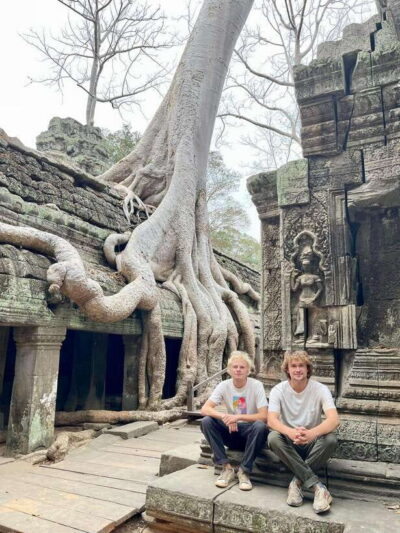 ★ 4.9Angkor Wat Private Tuk-Tuk TourFrom $202,222 reviews
 ★ 5.0Angkor Wat Private Day Tour from Siem ReapFrom $49834 reviews
 ★ 5.0Angkor Wat Private Tuk-Tuk Tour (sunrise Option) & moreFrom $25439 reviews
 ★ 5.0Private Angkor Wat Day Tour – Best of AngkorFrom $79269 reviews
Private Two-Day Tour Highlights of Angkor WatFrom $375253 reviews
 ★ 5.0Angkor Sunrise Half-Day Tour with Private Vehicles & Tour GuideFrom $49247 reviews
 ★ 5.0Angkor Wat one Day Private Tour for All Highlight Angkor TemplesFrom $61199 reviews
Browse the lists this tour appears in