
Reviewed · KHMER COOKING CLASSES
Cambodian Village Cooking Class
Market smells meet hands-on cooking in Siem Reap. This class is a smart mix of a real local stop at Psar Chaa (Old Market) and a calm, guided kitchen session led by Sophia and chef Sunat, where you cook three Khmer dishes step by step. I love that you get a take-home recipe book that actually helps you repeat what you made, and I love the small-group feel that keeps questions from piling up. One thing to plan for: you should be on time for pickup and the meeting point, because when schedules slip, the flow of the experience can take a hit.
What makes this especially good value is how much you do in about 3 hours. You travel out of town by tuk-tuk, shop with your guide, cook with fresh ingredients, then sit down to eat what you made with a local beer or a soft drink. If you are worried about heat, the experience is set up in a way that keeps things manageable, and the reviews consistently flag the cooking comfort as better than expected.
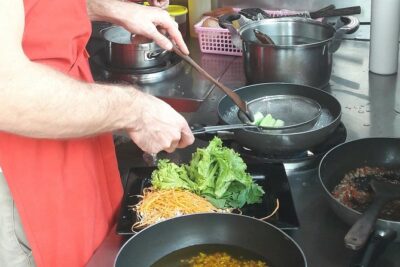
In this half-day format, you are not just watching. You’re doing. Spring rolls, Cambodian curry, and bananas in palm sugar all land on your cutting board and your stove, under clear instruction.
Key things to know before you go
- Psar Chaa (Old Market) first for ingredients you can name and recreate later
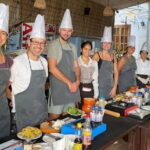
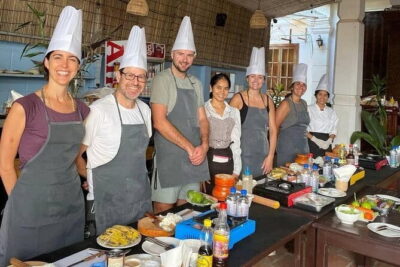
- Small group size (max 8) so your guide can give real attention
- Hands-on cooking for 3 dishes, not a quick demo
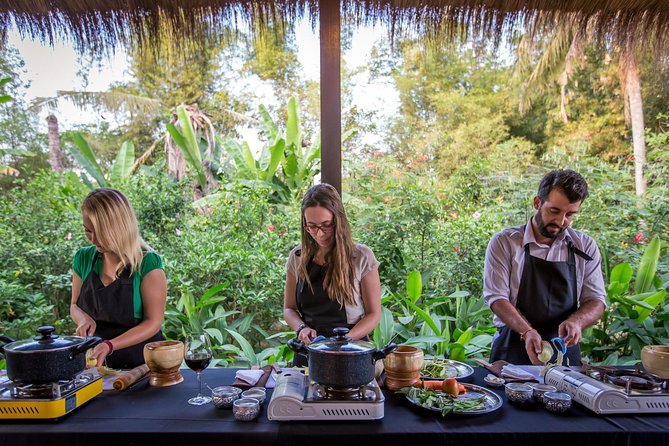
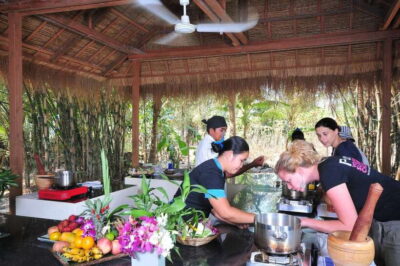
- Lakeside garden pavilion setting that makes the meal feel like a break, not a class
- Recipe book to take home so the class follows you past Siem Reap
Aprons on for another Khmer kitchen
- Khmer Cooking Class at a Local’s Home in Krong Siem Reap★ 5.0 · 2,731 reviews
- Siem Reap: Khmer Cooking Class at a Local’s Home★ 5.0 · 1,108 reviews
- Award-Winning Cooking Class Experience with Professional Teacher★ 5.0 · 745 reviews
- Cambodian Village Cooking Class★ 5.0 · 265 reviews
Siem Reap in 3 hours: market, kitchen, and a real Khmer meal
This is one of the more practical cooking classes in Siem Reap because it starts with the stuff you usually skip. Before you cook, you walk a local market and learn what ingredients look like, how they are used, and what makes Cambodian flavors work. Then you head to a purpose-built garden pavilion kitchen and cook those same ideas with a local chef.
The format is designed for short attention spans and long travel days. You get a guided market portion, a hands-on lesson, and then you eat a 3-course meal you prepared. That structure matters, because cooking classes often fail on one of two things: either you spend too much time shopping without learning the method, or you cook without context. This one aims to connect both.
The value equation: $32 for more than a souvenir lunch
At $32 per person, you are not paying for a fancy restaurant meal. You are paying for transportation, market guidance, a chef-led workshop, meal service, and a detailed recipe book to take home. When you look at the total package, the price starts to make sense for a city where many activities are either temple-only or ticket-only.
Also, the “hidden cost” in many cooking classes is your time and effort at home. Here, the recipe book is part of the deal. It is there so you can re-create the dishes after you get back and forget half the measurements. Reviews repeatedly mention that the cookbook is practical, not just decorative.
Tuk-tuk pickup and the pacing you will actually feel
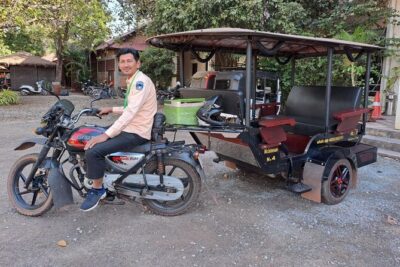
Your day runs on tuk-tuk. Hotel pickup and drop-off are included, which is a big deal in Siem Reap. You avoid the stress of sorting transport and you can just show up, meet your host, and start moving.
The experience is built as a half-day class that still feels unhurried. The market portion gives you a sense of what you are about to cook. Then the pavilion kitchen has the workshop vibe you want: a place where you can see what others are doing, ask questions, and get corrected while you cook.
Small-group size helps with pacing. With up to 8 travelers, you are less likely to get stuck waiting your turn. Reviews often highlight attentive, step-by-step guidance from staff like Sophia and the chefs (often noted as Sunat, plus other names that appear through minor spelling variations in messages). Even if names vary slightly in recollections, the consistent point is the same: the instruction is organized and patient.
Consideration: schedules only work if you show up on time
If you like punctual plans, this part will make you happy. If you do not, it can irritate you. One review noted that a late couple caused a long wait at the meeting point, which affected the flow. This is the one place you should be strict with yourself. Be ready early, confirm your pickup location, and give yourself buffer time.
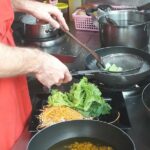
More time at the stove
Psar Chaa (Old Market): learning ingredients like a local shopper
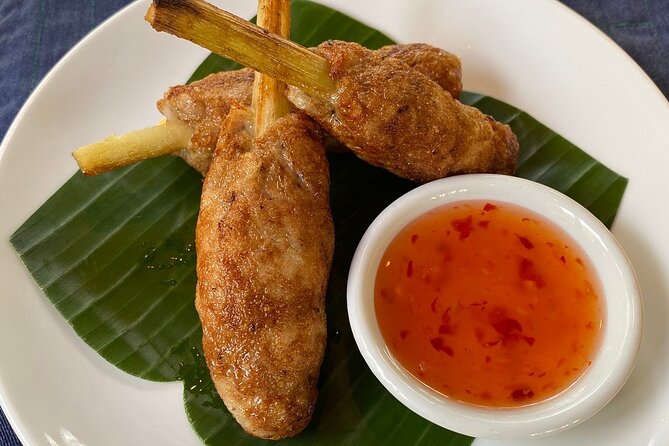
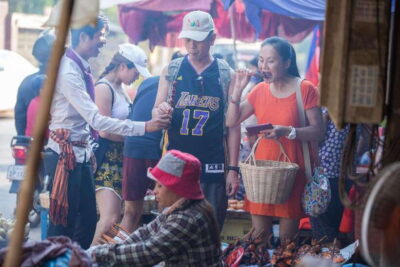
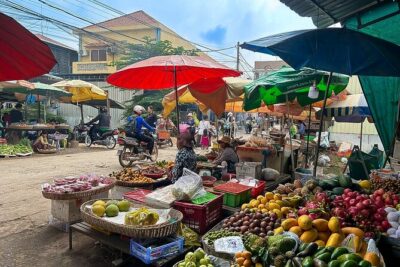
The guided portion starts at Psar Chaa, the Old Market. This is not a “look at a few stalls” walk. You should expect a real guided circuit where your host helps you connect ingredients to Cambodian cooking.
What I like about this market start is that it teaches you “what to buy” in addition to “what to cook.” When you know how produce is grouped, what fresh herbs smell like, and which staples show up again and again, the dishes stop feeling mysterious. Instead, they become repeatable.
What you will notice in the market
You will see colorful fruits and produce, plus typical Cambodian ingredients that are easy to miss if you only shop at souvenir stands. The guide should also explain what items are used in your menu, so you can look at curry ingredients and spring roll components with context.
If you enjoy food travel for real, this is the part that gives the class personality. It’s where Khmer ingredients become tangible. You might even get to sample some items along the way, depending on the pace and what is available that day.
A practical tip for photos and heat
Markets mean sun, movement, and humidity. The class is designed so cooking does not become a sweaty ordeal, but you still want to dress for the weather: light breathable clothes, comfortable shoes, and a hat if you’re sensitive to sun. Also, bring your phone strap or keep your phone secured. You will be walking and pointing out ingredients.
The cooking pavilion: hands-on lessons in a calm lakeside setting
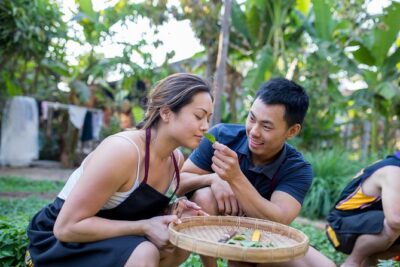
After the market, you go to a purpose-built garden pavilion for the cooking class. Reviews describe the setting as open-air and peaceful, with views that include water. That matters because it changes the vibe. You are not cooking in a cramped room while feeling rushed.
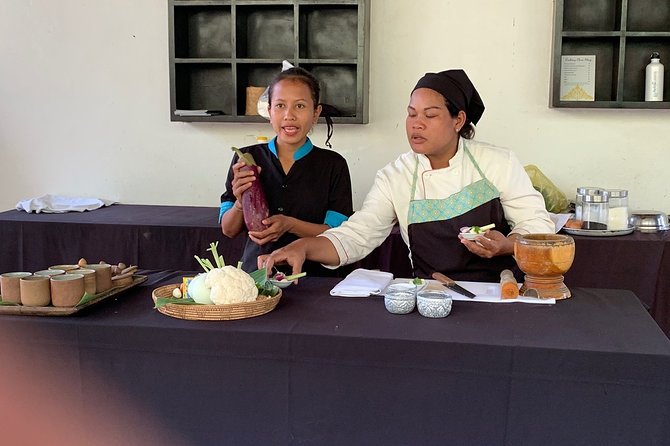
The kitchen setup is also a reason this class gets such high marks. You’re learning methods, not just recipes. That includes technique, how ingredients are handled, and how to balance flavors in Cambodian dishes.
Your menu: three dishes with three different techniques
You cook:
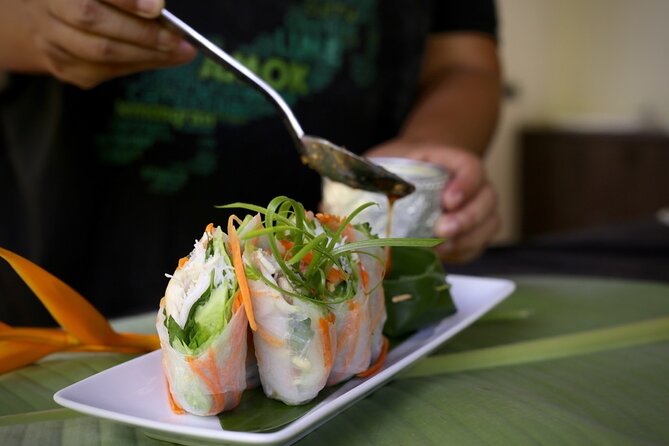
- Fresh Rice Paper Spring Rolls
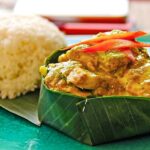
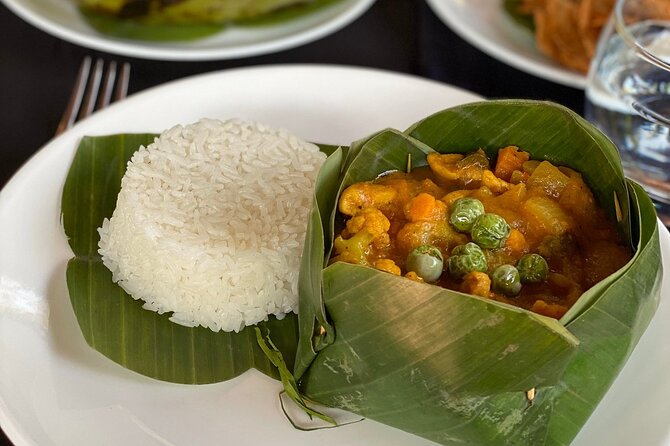
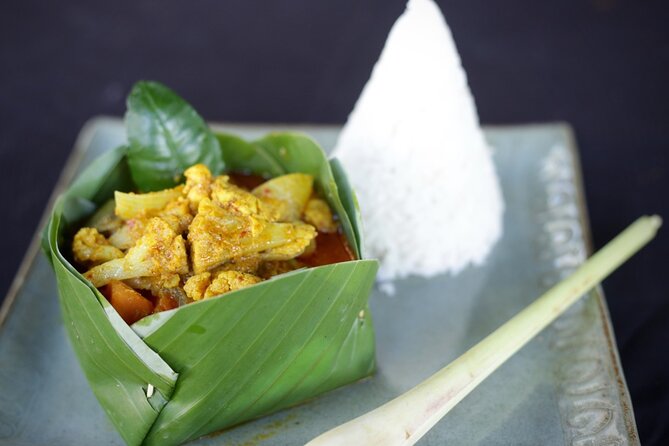
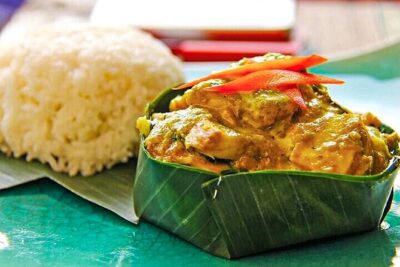
- Cambodian Curry
- Bananas in Palm Sugar
Here is the key point: these are not just three random items. They cover different Cambodian cooking styles. The spring rolls teach you assembly and texture. The curry teaches you flavor building, likely through spice and sauce balance. The palm sugar dessert is a lesson in how sweet flavors are handled in Khmer cuisine, with bananas as the base.
Reviews also mention you can expect clear guidance and a supportive team that helps step by step, including for less experienced home cooks. If you are nervous about cooking, you are not the only one. The staff seems used to beginners, and the instructions are structured so you are not standing there guessing.
Expect a real learning rhythm
You will generally move through the steps with your chef and assistant(s), with time to ask questions and adjust. The class is short, but it is not chaotic. In a small group, the chef can correct you before small mistakes turn into bland curry or torn rice paper.
The meal: 3 courses you made, plus a drink and small comforts
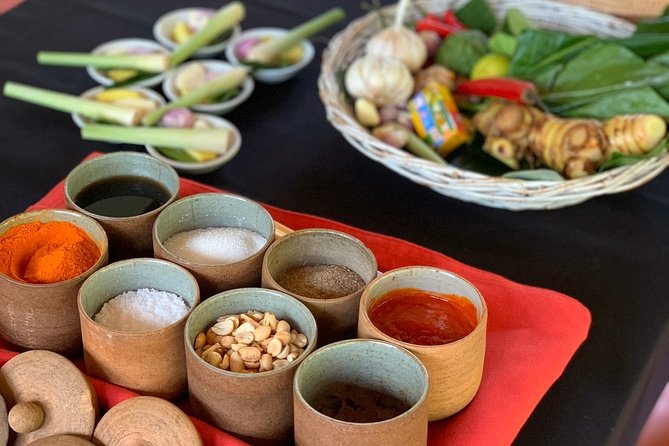
After cooking, you eat what you prepared. This is where the class shifts from “lesson” to “reward.”
You are served a 3-course meal with your choices typically paired with either a local beer or a soft drink. You should also expect bottled water and a cold towel, which is a nice little luxury after walking a market and working near heat.
Why eating right after cooking helps
I like classes that feed you immediately because you remember the steps while the flavors are fresh in your mind. The meal is also a chance to see how the dishes should look when they come together. If you have ever made something at home and wondered if it was supposed to be more saucy, more fragrant, or less spicy, eating right away makes those questions easier to answer.
Who should book this cooking class, and who should think twice
This is a strong fit if you want more than temples in Siem Reap. You get culture through food, and you leave with practical skills you can use later. It is also a good choice if you like interactive activities, and if you enjoy markets as part of the travel story.
You may especially enjoy it if:
- you want a hands-on food experience, not a passive show
- you like learning ingredient names and uses
- you want a recipe book to take home
- you prefer small groups (max 8)
- you want hotel pickup and drop-off so your day stays simple
It may not be ideal if:
- you hate being on a timed schedule and waiting at meetings
- you want a class that goes long and deep with complicated technique, because this is a focused 3-hour workshop
- you need a very specific dietary setup, since the tour says most dietary and allergies can be catered for, but you still need to communicate your needs at booking
Price, value, and how to judge if it fits your trip
Let’s be honest about $32 in Siem Reap. That price is not high for a class, but it is not “just pay for lunch” either. The value comes from packing several categories into one session:
- tuk-tuk hotel transfers
- market tour with a local host
- chef-led hands-on workshop
- meal of the dishes you cooked
- bottled water and cold towel
- recipe book souvenir
Where you win is the mix of market context and cooking results. If you only cared about eating, you would likely spend less at a local place. If you only cared about learning techniques, you might spend more on cooking lessons elsewhere. Here, you get both inside a short half-day window.
Practical tips that make the day smoother
A few small things can help this run like clockwork.
First, be early for pickup. The class is short, and the market and cooking pieces need time in the right order. If you arrive late, you can end up feeling like you missed momentum.
Second, tell the team about dietary needs at booking. The tour notes that most dietary and allergies can be catered for, but you need to share requirements in advance.
Third, dress for humidity and walking. Even with a cooling plan, you will be moving through a market and working at a kitchen station.
Finally, treat the recipe book like your backpack companion. Use it during your meal, jot a note or two in your own language for spice levels, and then keep it handy when you try these dishes at home.
Should you book this Cambodian Village Cooking Class?
If you want a memorable Siem Reap day that connects ingredients to real methods, book it. The strongest reasons are the market start, the small-group hands-on cooking, and the fact that you eat a 3-course meal you prepared in a peaceful pavilion setting. With hotel pickup and drop-off included, it’s also one of the easier “doable” activities for a tight itinerary.
I would skip it only if you are uncomfortable with punctual schedules or you want a very long, in-depth class. Otherwise, this is a solid value way to experience Cambodian cooking beyond temples and sightseeing checklists.
Learn Another Khmer Dish
- Khmer Cooking Class at a Local’s Home in Krong Siem Reap
★ 5.0 · 2,731 reviews - Siem Reap: Khmer Cooking Class at a Local’s Home
★ 5.0 · 1,108 reviews - Award-Winning Cooking Class Experience with Professional Teacher
★ 5.0 · 745 reviews - Cambodian Cooking Class from Siem Reap
★ 4.9 · 190 reviews - Siem Reap Cooking Class
★ 5.0 · 170 reviews
More Tour Reviews in Siem Reap
- Angkor Wat Sunrise or Sunset Tour with Guide from Siem Reap
★ 5.0 · 12,109 reviews - Siem Reap: Angkor Wat: Small-Group Sunrise or Sunset Tour
★ 5.0 · 9,444 reviews - From Siem Reap: Kampong Phluk Floating Village Tour by Boat
★ 4.9 · 6,979 reviews - Sunset tour of Kampong Phluk stilts home village on the Tonle Sap
★ 5.0 · 4,865 reviews - Siem Reap: Angkor Wat 2-Day Tour with Sunrise and Sunset
★ 4.9 · 4,429 reviews
Cook It Yourself: Khmer Classes
- Khmer Cooking Class at a Local’s Home in Krong Siem Reap
★ 5.0 · 2,731 reviews - Siem Reap: Khmer Cooking Class at a Local’s Home
★ 5.0 · 1,108 reviews - Award-Winning Cooking Class Experience with Professional Teacher
★ 5.0 · 745 reviews - Cambodian Cooking Class from Siem Reap
★ 4.9 · 190 reviews - Siem Reap Cooking Class
★ 5.0 · 170 reviews
Just Added: Fresh Siem Reap Tour Reviews


Khmer Cooking Classes, compared.
 ★ 5.0Khmer Cooking Class at a Local’s Home in Krong Siem ReapFrom $272,731 reviews
 ★ 5.0Khmer Cooking Class at a Local’s HomeFrom $291,108 reviews
 ★ 5.0Award-Winning Cooking Class Experience with Professional TeacherFrom $22745 reviews
 ★ 4.9Cambodian Cooking Class from Siem ReapFrom $32190 reviews
 ★ 5.0Siem Reap Cooking ClassFrom $35170 reviews
 ★ 5.0Khmer Gourmet Cooking ClassFrom $21145 reviews
 ★ 5.0Khmer Cooking Class in CambodiaFrom $3536 reviews
 ★ 4.53-Hour Siem Reap Guided Cooking Class and Market with Pick upFrom $3226 reviews
Browse the lists this tour appears in