
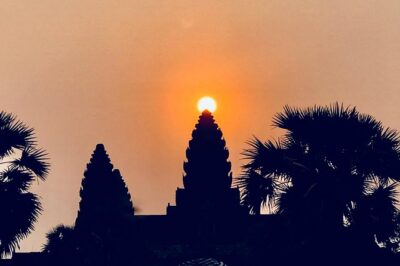
Sunrise at Angkor Wat sets the tone. This private two-day plan for the Angkor Archaeological Park mixes the headline temples with lesser-visited stops, so you get both the postcard views and the calmer corners. You’ll travel in an air-conditioned vehicle with pickup, and you can shape the route with requests like a late pickup or a less crowded order (private guide, private timing).
The two things I like most are the focus on early access and the way the temples are grouped so you can breathe between crowds. Day 1 starts with the sunrise at Angkor Wat, then moves through Angkor Thom highlights like Bayon and the elephant and leper king terraces, before continuing to Ta Nei and Ta Prohm. Day 2 follows with more distant sites including Banteay Samre and Banteay Srei, plus Kbal Spean and a sunset finish around Pre Rup or Srah Srang.
One drawback to plan for: you will likely need to wake up early on Day 1, and the Angkor Wat 3-day park ticket is not included (it’s $62.00 per person). If you hate early starts or you’re expecting all entrance fees to be wrapped into the price, this may feel a bit strict.
Key Points You’ll Care About
- Sunrise timing on Day 1: Early entry to Angkor Wat means better light and fewer scramble moments.
- A “greatest hits plus side roads” route: You see the famous trio and also get to Banteay Srei, Kbal Spean, and more.
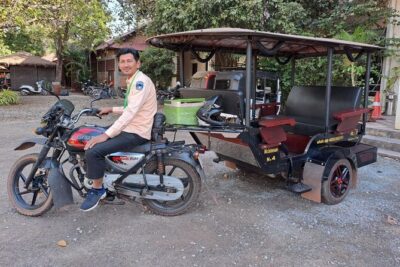
- Private vehicle and pickup: Air-conditioned transport, pickup and drop-off from your hotel, and a driver who keeps the day running.
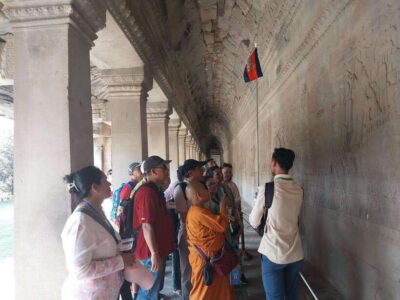
- English guide who connects art and story: Expect explanations that link faces, reliefs, and temple layout to the Khmer world.
- Flexible pacing: Lunch and routing can be adjusted if you have preferences, like a quieter path through Angkor.
Other ways to walk the great temple
- Angkor Wat Sunrise or Sunset Tour with Guide from Siem Reap★ 5.0 · 12,109 reviews
- Siem Reap: Angkor Wat: Small-Group Sunrise or Sunset Tour★ 5.0 · 9,444 reviews
- Siem Reap: Angkor Wat 2-Day Tour with Sunrise and Sunset★ 4.9 · 4,429 reviews
- Siem Reap: Full-Day Angkor Wat Guided Tour with Sunset★ 4.9 · 3,803 reviews
Why This Private Two-Day Plan Feels Smarter Than a Temple Marathon
Angkor can feel like a spreadsheet of must-sees. This format works better because it gives you structure across two full days, instead of cramming everything into one long sprint. You start with the big emotional moment first, then build out into the temples where details reward slow looking.
You’re not just hopping between dots on a map. You’re traveling with an experienced driver and a certified English-speaking guide, which matters because Angkor is full of small visual clues that are easy to miss when you’re moving fast. In a private setup, you can also ask for route changes, such as aiming for the least crowded order or scheduling a different pickup time.
Value-wise, the price is for a group up to 3, which is a real win if you’re traveling with family or friends. At the same time, you still need to budget the park entrance ticket separately, so it’s smart to treat the listed tour cost as the guide and vehicle package, not a total all-in ticket bundle.
Day 1 Angkor Wat Sunrise, Then Angkor Thom South Gate to Bayon
Day 1 is built around one goal: get you to Angkor Wat early enough to feel the place before it becomes a crowd magnet. Pickup is from your hotel for an early departure, and the day is timed to admire the sunrise over the temple complex. You’ll spend about an hour at the site during that first segment, and you should plan for stairs and standing time if you want viewpoints.
After breakfast, you move into Angkor Thom, starting at the South Gate. This is one of those “walk into the story” moments. The South Gate sets the visual rhythm for the complex, and it’s a great place to orient yourself before deeper temple details.
From there, you go to Bayon Temple, the spiritual and political centerpiece tied to King Jayavarman VII. Bayon is famous for its 37 towers and the sculpted rock faces. The key benefit of going here on Day 1 is that you’re fresh, not fried, which makes it easier to notice how the faces repeat across towers and how the carvings guide where you look next.
You’ll then hit a sequence of short stops that keep the day varied. The Terrace of the Elephants gives you three platforms surrounded by elephant carvings that relate to an elephant hunt. The Terrace of the Leper King is next, with highly detailed relief work that’s known for its preservation. These are quick by design, but they’re also where a good guide can make the stonework feel less like decoration and more like “messages you can read with time.”
Angkor Thom Details to Slow Down For (Elephants, Leper King Relief, Phimeanakas Views)
Not every Angkor stop is equally time-consuming, and that’s part of the smart pacing. You get the high-impact sights, but you also get brief windows to focus on specific artwork.
At the Terrace of the Elephants, the carving style and repetition make it easy to understand why this became one of Angkor Thom’s most recognizable terraces. You’ll likely spend around 15 minutes here, so treat it like a guided look-and-learn stop rather than a long wander. If you’re the type who likes photos, this is also a good one to grab angles quickly, then let your eyes adjust to the relief textures.
Then comes the Terrace of the Leper King, about 20 minutes in the schedule. The name can pull you in, but the real reason to care is the detail level and the fact that the carvings are described as extremely well preserved. It’s the kind of stop where you’ll get more from the guide pointing out what you’re seeing than from trying to decode it alone.
Phimeanakas is shorter but offers a payoff: it’s one of the smaller royal temples, built on a pyramid, and it gives a view of the Angkor Thom area from higher ground. You’ll have about 45 minutes for this segment, which is enough time to climb for views and then step back to reset your bearings before moving on.
Ta Nei and Ta Prohm: The Afternoon Shift From Crowds to Jungle Atmosphere
Lunch is flexible. You can choose food at stalls or restaurants in the Angkor Park area, or you can have the option to return to your hotel for breakfast on Day 1 earlier, depending on your flow. The key practical point is that your schedule assumes you’ll plan lunch on the day, not wait for a specific sit-down restaurant.
After lunch, the route includes Ta Nei, a smaller temple about 4.5 km from Angkor Wat. This is a great contrast after the dense Angkor Thom circuit. A smaller site can feel more relaxed, and it helps you avoid the fatigue that can happen when every stop is a major complex.
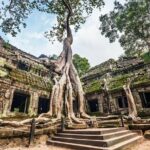
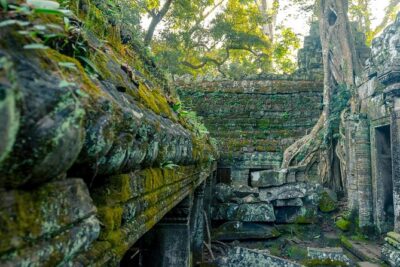
Next is Ta Prohm, the Jungle Temple built by Jayavarman VII in honor of his mother. This is where the setting does part of the storytelling for you. The tour gives about an hour here, which is enough time to see the iconic roots and carved structures without feeling like you’re stuck in a slow line all afternoon.
One subtle strategy here is the ordering. You visit Ta Prohm before your second Angkor Wat segment on Day 1, so you can compare different temple vibes in a single day. That makes the final Angkor Wat time feel more meaningful, because you’re not just repeating the same place, you’re building context.
More temple circuits, set side by side
Angkor Wat Again: Why the Second Visit Works
You return to Angkor Wat for another visit after Ta Prohm, with about two hours allocated. This is valuable for two reasons.
First, sunrise is one experience, bright daylight is another. Morning light emphasizes silhouettes and sky, while later hours let you focus on structure, details, and carvings. Second, a second chance helps you decide what you missed earlier, whether that’s a specific section of the complex or a view you didn’t get the first time.
If you want to climb the steep steps, this is typically where you’ll decide how far you go. The schedule includes the idea of climbing up to the pagoda area, so plan for effort and time on stone steps rather than flat ground.
Day 2 Banteay Samre and Banteay Srei: Fewer Big Crowds, More Village-Drive Feeling
Day 2 is designed to feel less frantic. Because the first day starts very early, you have more room to sleep in, have breakfast at your hotel, and then get picked up later for the next set of sites. That alone can make the whole second day feel easier.
You start at Banteay Samre (about 1 hour 30 minutes). It’s described as one of the more distant temples compared with the main complex. That distance is part of why this day is different, because the road travel gives you a break from the dense Angkor core.
Then it’s Banteay Srei, located about 20 km from the main complex. The drive through small villages and rice fields matters. You get a deeper impression of Cambodian daily life beyond temple walls, even if you stay in the vehicle most of the way. Banteay Srei is scheduled for about 1 hour 30 minutes, which is enough time to see why it’s considered a stand-out temple in its own right.
This half of the day is ideal if you’re the type who enjoys texture and atmosphere more than just chasing the biggest name on a map. It’s also a great balance if you have family members who want temples but may not enjoy an all-day grind.
Kbal Spean and Lunch Choices on the Way Back
Kbal Spean is the day’s wild-card in a good way. It’s in the jungle area on a river, about 60 km from the main complex of Angkor, and it’s referred to as the river of a thousand linga. You’ll have about 1 hour 30 minutes here.
The practical advantage is that the schedule offers you a decision point for lunch on the way. You can choose where you want to stop, rather than being locked into one restaurant. If you like to keep days flexible, this is your moment to steer the day based on energy and hunger.
The drawback is that a more remote stop can mean you’ll spend more time traveling, even if the drive is part of the experience. If you’re prone to motion sickness, you may want to prepare. Otherwise, this is one of the best ways to see a different side of the Angkor region than the main temple grid.
Srah Srang and Pre Rup Sunset: Pick the Finish That Fits Your Mood
You end Day 2 with water and sunsets. Srah Srang is a Royal Bath reservoir, located south of the East Baray and close to Pre Rup’s Pyramid Temple area. You’ll spend about 30 minutes at Srah Srang, which is a short but satisfying stop because it gives you a calmer setting before the evening push.
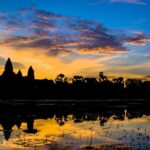
Then you decide how you want to watch the sunset. The plan offers two options: sunset in the water reservoir of Srah Srang or sunset at Pre Rup. Either way, you’re driving back into the main area of Angkor to catch the light, and you’ll have about 1 hour 30 minutes for this final segment.
Pre Rup works well if you like the strong silhouette effect that comes from pyramid temple shapes. Srah Srang is better if you enjoy reflections and a quieter feel near the water. If you’re traveling as a mixed group, choose based on what you’ll remember most: height and views, or water and atmosphere.
Price and Logistics: What $375 per Group Actually Buys
The tour price is $375.00 per group, up to 3 people. That structure can be a good deal because it keeps the per-person cost reasonable when you share with others. Bookings are often made far ahead, with an average booking window listed at about 62 days, which hints that this is a popular, high-demand slot.
What you get for that price is the operational backbone:
- air-conditioned vehicle
- private transportation
- experienced driver
- certified English-speaking guide
- pickup and drop-off from your hotel or meeting point
You also get a mobile ticket option, which can make entry smoother on the day.
What you do not get is the main park entrance ticket. Entrance fee for the Angkor Wat 3-day ticket is listed at $62.00 per person, and food and beverages are not included. So the real “all-in” math is the tour price plus that ticket per person.
If you want maximum value, budget for the ticket and then treat the rest as a guided, door-to-door temple program. This tour is priced like a high-touch experience, and you’ll feel that in the private pacing and the guide-led order of stops.
Guide and Driver Quality, as Seen Through Real Names
Private tours rise or fall on the guide. This one includes a certified English-speaking guide, plus an experienced driver who handles the moving parts so you can focus on temples and timing.
In the feedback that matches this tour style, several guide names come up strongly: Mr. Sokky with driver Mr. T, Mr. Raksmey with driver Mr. Long, Mr. Ram, Mr. Sok Ly, and Khemrint Kheng. The common theme across those mentions is that the guides explain the temple details in a way that feels personal, not like a lecture. There’s also praise for flexibility and keeping the day comfortable for mixed ages in the group, including parents traveling alongside younger visitors.
Here’s how to use that to your advantage: before the first pickup, tell your guide what matters most to you. If you want the least crowded route, say so. If you want to build in a local lunch stop, ask. If you’re planning to climb certain steps, confirm early so time is planned, not improvised.
Practical Tips So You Enjoy the Early Start and Stone Steps
This tour is listed for travelers with moderate physical fitness. That doesn’t mean you need to be an athlete, but it does mean you should expect stone stairs, uneven ground, and a good amount of standing.
For Day 1 especially, plan for the early departure on the schedule. The sunrise at Angkor Wat is the moment the whole day revolves around, so being ready on time matters. Wear comfortable shoes you trust on steps, and keep an eye on water and sun protection, especially if you’re out during peak daylight later in the day.
Also, remember that food and beverages are not included. You have options at stalls and restaurants in the Angkor Park area, and you also have lunch flexibility on the Day 2 driving segment toward Kbal Spean. Bring a simple plan for what you’ll do when hunger hits, rather than trying to decide at the very last moment.
Who This Tour Fits Best
This is a strong match if you want:
- a private guide and driver with pickup from your hotel
- a route that covers both iconic sites and quieter temples like Banteay Srei and Banteay Samre
- sunrise at Angkor Wat without turning the day into chaos
It also works well for small groups of up to 3, including family setups where different people have different energy levels. The schedule includes shorter stops mixed with longer ones, which helps when not everyone wants the same intensity for every temple.
Where it might be less ideal is if you are only interested in a single highlight temple and you don’t care about the broader Angkor Archaeological Park circuit. In that case, another shorter option could feel like less effort.
Should You Book This Two-Day Angkor Wat Highlights Tour?
I’d book it if you want the best of Angkor in a structured, private way, with a sunrise start that makes the trip feel special from the first hour. The value is strongest for groups up to 3 because the tour cost is per group, and the included guide and driver time is a big part of what you are paying for.
I would think twice if the early morning is a deal-breaker for you, or if you’re expecting every entrance fee to be wrapped into the price. The Angkor Wat 3-day ticket is a clear extra cost, and you’ll want to account for it up front so there are no surprises.
If you like temple details, art explanations, and a route that avoids feeling like you’re racing through stones, this private two-day plan in Siem Reap is a solid pick.
FAQ
How long is the tour?
It runs for 2 days (approximately).
How many people can be in one group?
It is priced per group for up to 3 people.
Is pickup included?
Yes. Pickup and drop-off from your hotel or a meeting point are included.
Are entrance tickets included?
The Angkor Wat 3-day ticket is not included. The listed price for that ticket is $62.00 per person. The tour notes a mobile ticket option.
What is included in the tour price?
You get an air-conditioned vehicle, private transportation, an experienced driver, a certified English-speaking guide, and all costs for the guide and driver.
What does the itinerary cover over the two days?
Day 1 focuses on Angkor Wat at sunrise and major Angkor Thom sites like the South Gate and Bayon, plus terraces and Ta Prohm. Day 2 includes more distant sites like Banteay Samre, Banteay Srei, Kbal Spean, and ends with sunset options at either Pre Rup or Srah Srang.
Can I request changes to the route or schedule?
Yes. You can request special wishes like late pickup, lunch at a local restaurant, or planning a least crowded route.
Is there free cancellation?
Yes. Free cancellation is available up to 24 hours in advance for a full refund.
More Days at the Temples
- Siem Reap: Angkor Wat 2-Day Tour with Sunrise and Sunset
★ 4.9 · 4,429 reviews - Angkor 2-Day Sunset & Sunrise Small-Group Tour
★ 5.0 · 2,567 reviews - 2 Days Exclusive Temple Highlights with Sunset and Sunrise Tour
★ 5.0 · 1,157 reviews - Siem Reap: Angkor Sunrise 1- or 2-Day Guided Temples Tour
★ 4.9 · 1,132 reviews - 2 Days Guided Historical Tour in Angkor
★ 5.0 · 855 reviews
More Temple Circuits Around Siem Reap
- Angkor Wat Sunrise or Sunset Tour with Guide from Siem Reap
★ 5.0 · 12,109 reviews - Siem Reap: Angkor Wat: Small-Group Sunrise or Sunset Tour
★ 5.0 · 9,444 reviews - Siem Reap: Angkor Wat 2-Day Tour with Sunrise and Sunset
★ 4.9 · 4,429 reviews - Siem Reap: Full-Day Angkor Wat Guided Tour with Sunset
★ 4.9 · 3,803 reviews - Angkor Wat Sunrise tour with Small – Group and Guide tours
★ 5.0 · 3,655 reviews
Angkor Wat, a Few More Ways In
- Angkor Wat Sunrise or Sunset Tour with Guide from Siem Reap
★ 5.0 · 12,109 reviews - Siem Reap: Angkor Wat: Small-Group Sunrise or Sunset Tour
★ 5.0 · 9,444 reviews - Siem Reap: Angkor Wat 2-Day Tour with Sunrise and Sunset
★ 4.9 · 4,429 reviews - Siem Reap: Full-Day Angkor Wat Guided Tour with Sunset
★ 4.9 · 3,803 reviews - Angkor Wat Sunrise tour with Small – Group and Guide tours
★ 5.0 · 3,655 reviews
Just Added: Fresh Siem Reap Tour Reviews

Angkor Wat Temple Tours, compared.
 ★ 5.0Angkor Wat Sunrise or Sunset Tour with Guide from Siem ReapFrom $1812,109 reviews
 ★ 5.0Angkor Wat: Small-Group Sunrise or Sunset TourFrom $159,444 reviews
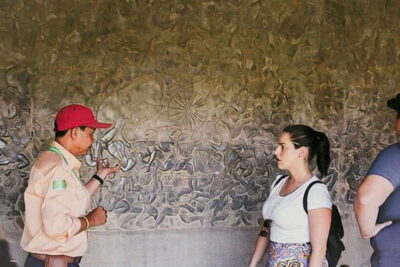 ★ 4.9Angkor Wat 2-Day Tour with Sunrise and SunsetFrom $344,429 reviews
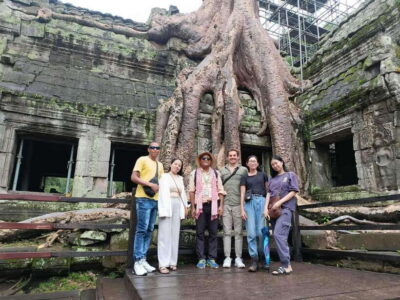 ★ 4.9Full-Day Angkor Wat Guided Tour with SunsetFrom $153,803 reviews
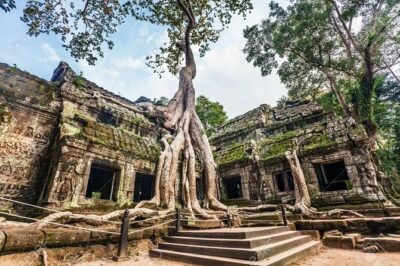 ★ 5.0Angkor Wat Sunrise tour with Small – Group and Guide toursFrom $143,655 reviews
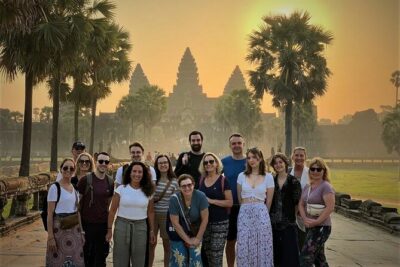 ★ 5.0Angkor Wat Highlights and Sunrise Guided Tour from Siem ReapFrom $233,213 reviews
 ★ 5.0Angkor Wat Sunset Small Group Tour with Lunch IncludedFrom $203,059 reviews
 ★ 5.0Full-Day Angkor Wat Sunrise Private Tour with Guide from Siem ReapFrom $602,920 reviews
Browse the lists this tour appears in