
Reviewed · KHMER COOKING CLASSES
Siem Reap: Half-Day Cambodian Cooking Class
Cooking in Siem Reap feels like a skill you can use fast. I love the market walk with a local guide, and I also like that the hands-on cooking is step-by-step and focused on dishes you can repeat at home. The one watch-out is that three hours goes quickly, so you’ll want to arrive ready to cook and pay attention early.
This half-day class runs about three hours door to door, with tuk tuk transport to a local market and then cooking at a purpose-built garden pavilion. You’ll taste what you make, learn how to pick ingredients on your own, and leave with a practical foundation in Cambodian flavors. If you’re hoping for a long, slow foodie day, this one may feel a bit fast.
Key points you’ll care about
- Hotel pickup and drop-off in Siem Reap Province keeps the schedule simple
- Market shopping before cooking helps you understand what Cambodian ingredients actually look like
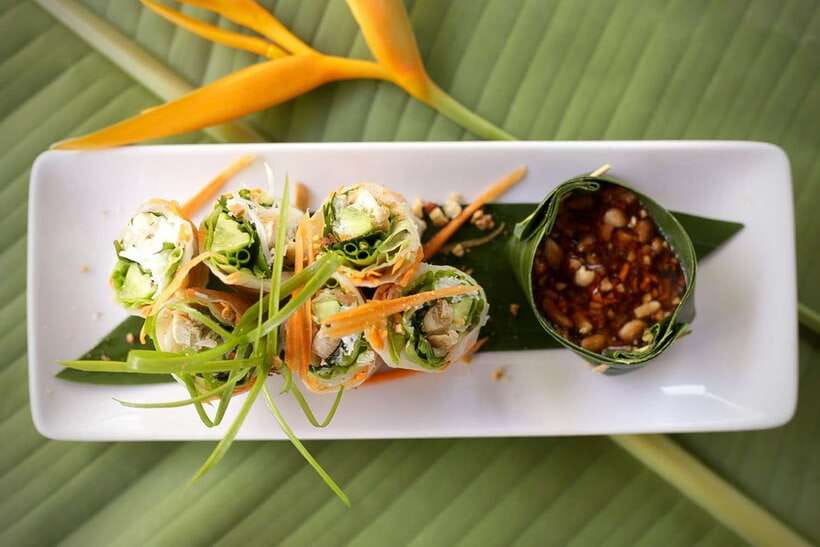
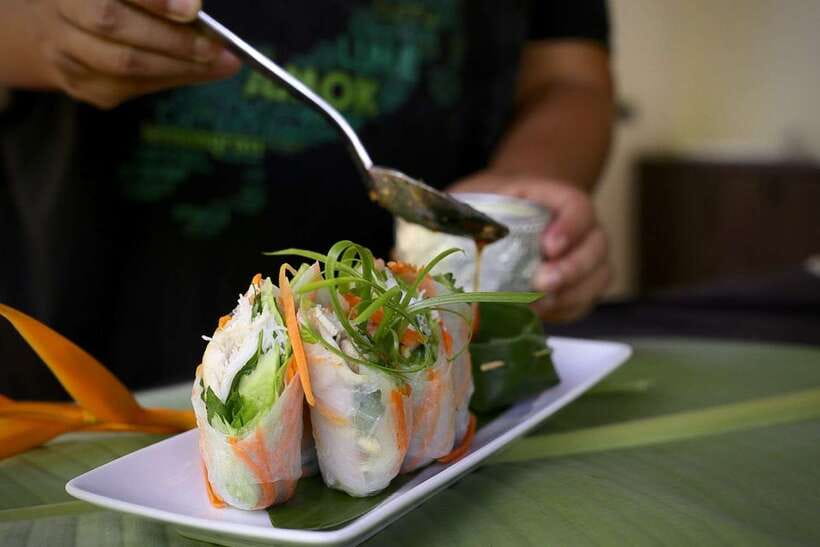
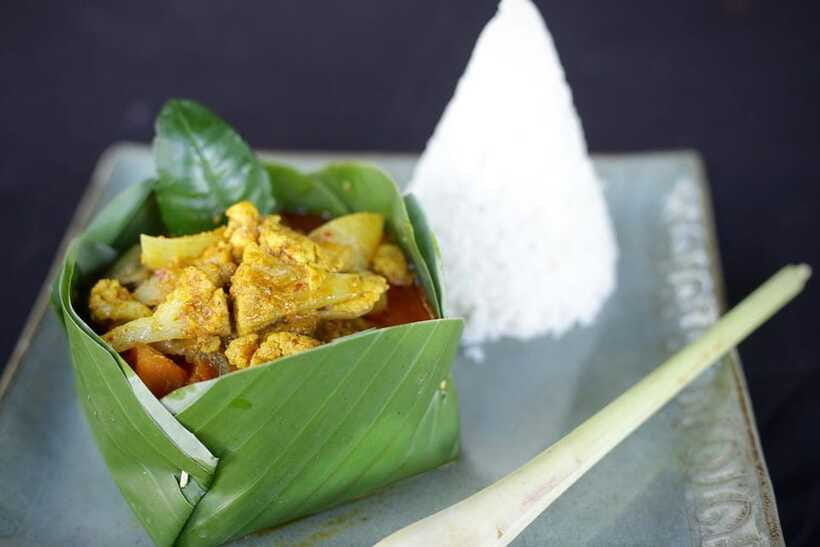
- Three specific dishes: rice paper spring rolls, Cambodian-style curry, and sweet bananas in palm sugar
- Step-by-step chef coaching in English, plus lots of hands-on time
- Fresh ingredient portions are set up for you, so you spend less time guessing and more time learning
- A take-home cookbook is mentioned in reviews, making it easier to cook again after you’re home
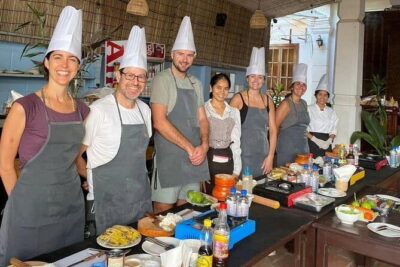
Aprons on for another Khmer kitchen
- Khmer Cooking Class at a Local’s Home in Krong Siem Reap★ 5.0 · 2,731 reviews
- Siem Reap: Khmer Cooking Class at a Local’s Home★ 5.0 · 1,108 reviews
- Award-Winning Cooking Class Experience with Professional Teacher★ 5.0 · 745 reviews
- Cambodian Village Cooking Class★ 5.0 · 265 reviews
Market to Meal: Why This Siem Reap Cooking Class Works
A Siem Reap cooking class can be all spectacle, or it can be useful. This one aims for useful. You start with the basics: where ingredients come from, how to recognize them, and how they shape the flavor of Cambodian food.
I like that the day is built around understanding, not just eating. You get a local market walking tour with a guide, so when you later taste curry or dip spring rolls, you know what you are actually tasting and why it matters.
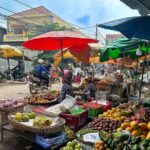
The tuk tuk ride and the local market shopping lesson
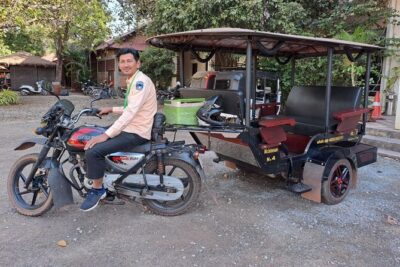
The experience starts with pickup from your accommodation. You’ll be collected, then ride by tuk tuk to the market. That small start matters because it keeps the day from turning into logistics, and you arrive hungry but not rushed.
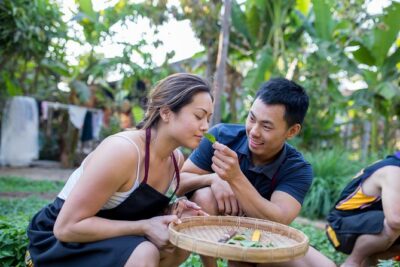
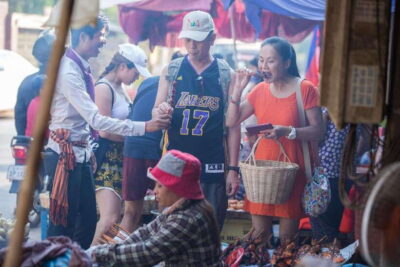
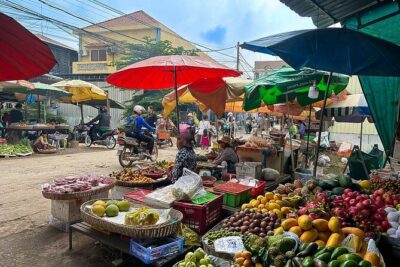
At the market, you don’t just wander. You walk with your guide, and you learn what to look for in colorful produce and typical Cambodian ingredients. One review specifically calls out a guide named Sofia sharing lots of information about products, which is exactly the kind of detail that makes a market stop worthwhile rather than decorative.
What you’ll likely notice (and what you can use later) is that Cambodian cooking often leans on fresh aromatics and ingredients that are easy to spot once someone shows you. Instead of memorizing a vague list, you learn by seeing, handling, and hearing what each ingredient does.
Practical tip: wear comfortable shoes. Market lanes can be uneven, and you’ll be doing enough walking for a half-day class that doesn’t feel like much once you’re back at your hotel.
Choosing ingredients like a cook, not like a tourist
This is the part that turns a cooking class into an actual skill. When you shop with a guide, you learn how to think: What is in season? What looks right? What should smell strong? What should you buy if you want the flavor to be consistent?
You’ll then use those ideas right away in the cooking session. That timing is smart. A lot of people take cooking classes, then forget what they learned because they never applied it while memories were fresh.
If you want the class to stick, ask questions while you’re in the market. English support is part of the experience, and the whole point is to help you translate what you see into what you cook.
Moving to the garden pavilion for real hands-on Cambodian cooking
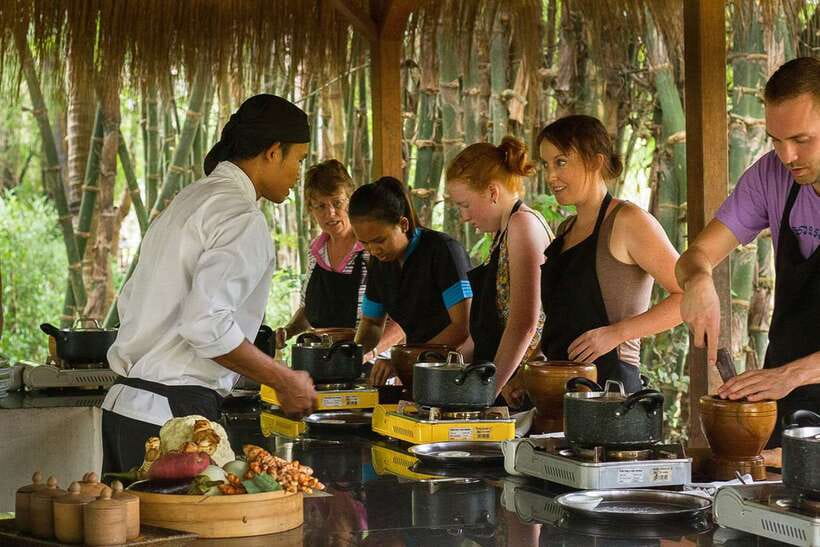
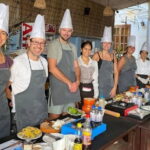
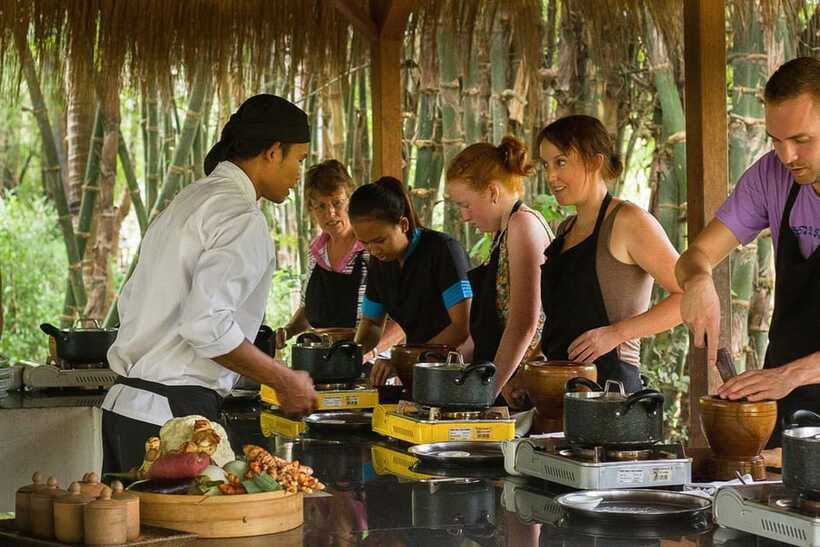
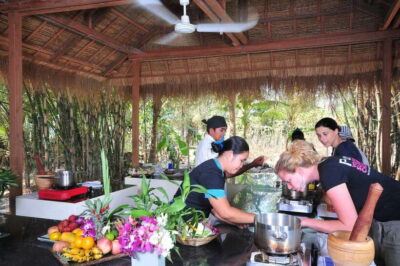
After the market, you head to a purpose-built garden pavilion for the class portion. The setting is practical, not just pretty, which is important because hands-on cooking needs workspace, tools, and a setup that keeps everyone moving.
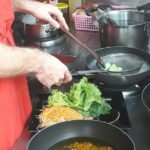
Here you watch the chef teach step-by-step, then you cook. That structure helps because Cambodian recipes often rely on timing and technique. If you only watch, the first time you try it at home can feel confusing. If you cook along, you build the muscle memory you’ll need for the next meal.
You’ll also get a sense of what “Cambodian-style” means in technique, not just in flavor. The spring roll texture, the curry balance, and the dessert sweetness all come from method, not only ingredients.
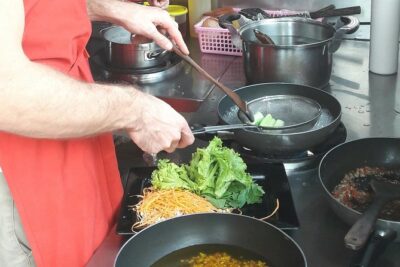
More time at the stove
Rice paper spring rolls: the technique that makes the difference
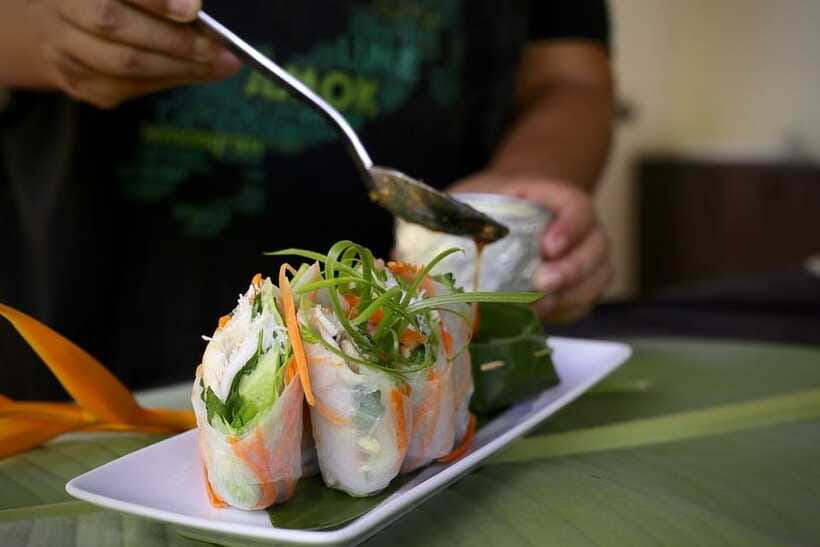
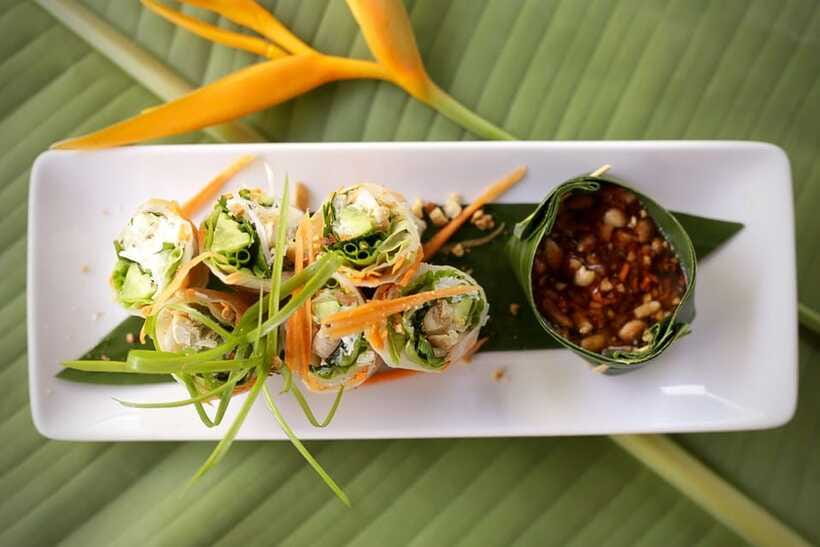
One of the best parts of this class is that you start with a dish that is visually rewarding and technique-heavy. You’ll make rice paper spring rolls with your chef, and you’ll learn how to handle rice paper properly.
Rice paper can be tricky if you’ve never worked with it. It’s easy to tear, and it’s easy to over-soften. In a class setting, the step-by-step teaching and fresh ingredients keep you from spiraling into frustration.
What I like about this dish for beginners is that it has quick feedback. You can see if your roll is tight, if your filling looks right, and if your assembly makes sense. That makes it a great first lesson for confidence.
You’ll also be tasting what you make, so you can connect technique to flavor immediately. This is the fastest way to learn.
Cambodian-style curry: balancing flavors, not just stirring
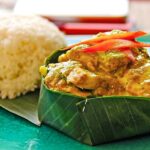
Next up is Cambodian-style curry. Curry often sounds straightforward until you try to recreate it. In real Cambodian cooking, the flavor depends on aromatic bases and the way ingredients are combined.
In the class, you learn how to make the curry with hands-on guidance. You get step-by-step instruction, and because the ingredients are prepared in the right amounts, you can focus on the method instead of measuring everything from scratch.
A curry lesson is valuable because it is reusable. Even if you don’t copy the exact dish later, you’ll come away with a framework for building flavor in a similar style. That can help you cook at home without feeling trapped by one recipe.
If you’re cooking for friends later, this is the dish that often gets the most questions. And yes, it’s also the one that makes the kitchen smell like you know what you’re doing.
Sweet bananas in palm sugar: the dessert that teaches sweetness
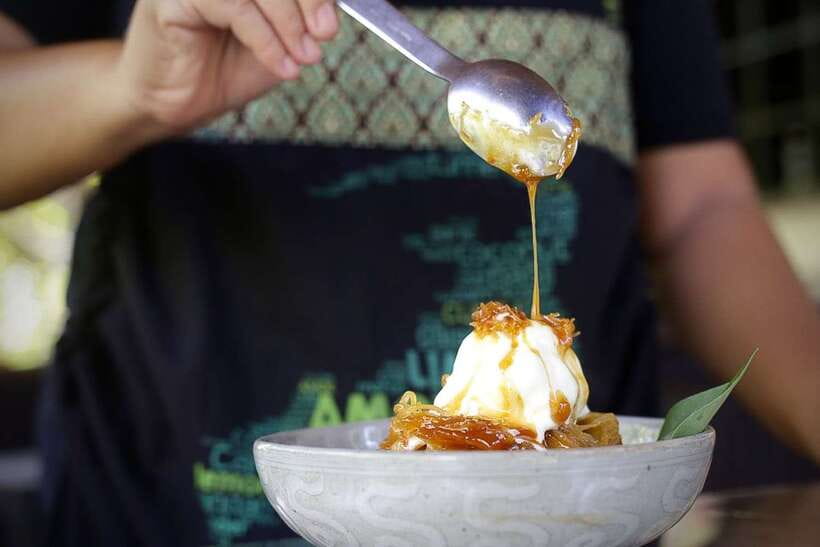
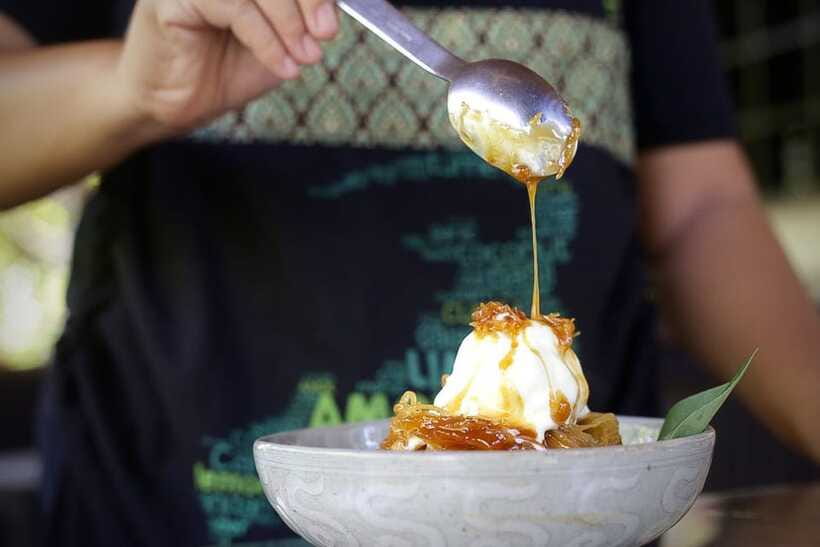
Then comes dessert, and it’s not an afterthought. You’ll make sweet bananas in palm sugar, a simple-sounding dish that teaches you how sweetness behaves when it cooks.
Palm sugar has a different character than refined sugar. It tastes deeper, and it doesn’t act the same way in cooking. When you make it yourself, you learn how to judge texture and sweetness rather than following a vague idea of what caramel-like means.
This is also a great moment for questions. If you ask how to adjust sweetness or timing, the chef can often explain what you should watch for in the pan. That kind of guidance is what turns a class into a useful repeatable skill.
Tastings and sharing: your meal at the end
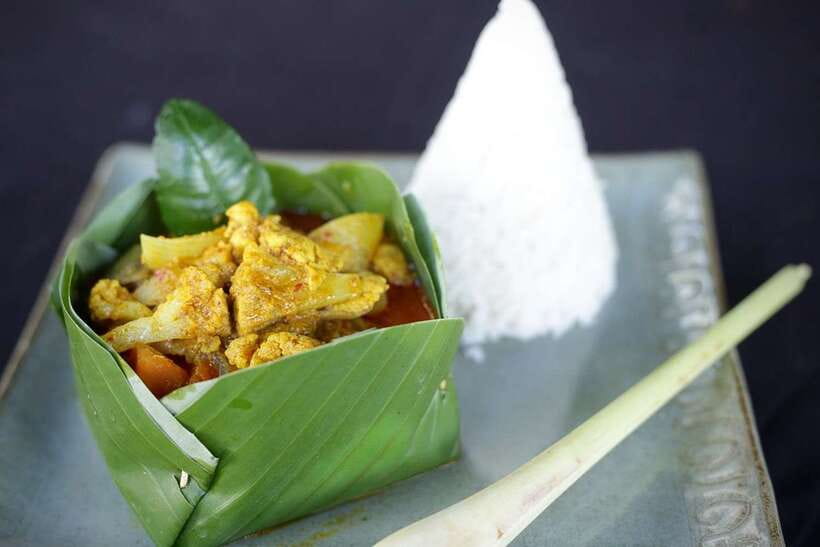
You taste the dishes you cook. That’s built into the flow, and it matters because you’re not learning in theory. You’re eating what you made during the class itself, so you can spot what needs adjusting the next time.
The experience is also framed around sharing, and you’ll feel that in the way the meal is served and discussed. You’ll cook foods that are easy to present to family and friends once you return home, especially because spring rolls and curry are social dishes.
If you like taking home more than photos, this is your kind of activity.
English instruction that stays practical
The chef instruction is in English, and the class is described as step-by-step. That combination is a big deal if you want to learn techniques rather than just collect ingredients.
English helps you ask direct questions, and it helps you understand why certain steps matter. You don’t need to translate your way through cooking.
One review highlights friendly staff who answer questions and help you make your dishes. That matches what you want from a class: someone watching your work enough to correct small mistakes before they snowball.
What the $32 price buys you in real terms
At $32 per person for a roughly three-hour experience, the value is not just the cooking. You’re paying for multiple components that add up fast on your own: market guidance, chef-led instruction, ingredient prep, tastings, and hotel pickup and drop-off.
Also, you’re buying time. Traveling to a market, hiring a guide, and then finding a place to cook would cost more than $32 pretty quickly. Here, it’s bundled into one smooth half-day.
And you’re not leaving empty-handed in terms of knowledge. Reviews mention a cookbook that makes it easier to cook at home. If that’s included for you as well, that’s a tangible add-on that can extend the value beyond your time in Siem Reap.
So the real question becomes: do you want a hands-on cooking skill more than another museum hour? If yes, this price is easier to justify.
Timing and logistics that actually affect your day
Pickup happens from your accommodation in Siem Reap, and you are asked to wait in your hotel lobby about 30 minutes before the start time. That’s not dramatic, but it helps you avoid stress.
Starting times vary, since you check availability for when the class runs. Because the whole day is only about three hours, you’ll want to plan your other activities around it.
Once you’re on the schedule, the rhythm is straightforward: transport to the market, market walk, cooking session at the pavilion, then return to your accommodation. No long gaps, no complicated transfers.
Who should book this cooking class in Siem Reap?
This is a strong choice if you:
- Want to learn Cambodian cooking in a structured way rather than winging it
- Like market experiences, especially when someone explains what ingredients mean for cooking
- Prefer a half-day activity that still ends with a meal
- Need something that feels interactive, not just observational
It’s also a good fit if you’re staying in or near central Siem Reap and want easy pickup and drop-off without planning rides between stops.
If you already know how to cook Cambodian food and you want a deep, multi-day course, this may feel short. But for most first-timers, the mix of market skills plus three dishes is exactly the right length.
Practical tips to get more out of your class
A few small choices make the day smoother:
- Bring a big appetite. You’ll taste what you cook, and you’ll want to enjoy it.
- Ask questions early, especially during the market portion. That’s when you can connect ingredient choices to flavor.
- Expect to work with your hands. Rice paper and curry prep both reward calm attention.
- Wear something comfortable for market walking and cooking time at the pavilion.
If you’re taking photos, do it lightly. Cooking classes move fast, and you’ll enjoy it more when you stay focused on the food and the technique.
Should you book this Siem Reap half-day Cambodian cooking class?
I recommend booking if you want a practical souvenir: the ability to shop and cook Cambodian dishes you can repeat later. The combination of hotel pickup, an English-speaking chef, a guided local market walk, and hands-on practice with three classic dishes makes this feel like real value for a short window.
Skip it only if you don’t want to cook at all, if you are very sensitive to time pressure, or if you expect a long, leisurely day. This is a focused, hands-on half-day, and it works best when you show up ready to participate.
If you’re in Siem Reap for a few days and want one activity that directly turns into a home-cooking win, this one is an easy yes.
FAQ
How long is the Siem Reap half-day Cambodian cooking class?
The class lasts about 3 hours.
What dishes do I learn to cook?
You’ll make rice paper spring rolls, Cambodian-style curry, and sweet bananas in palm sugar.
Is hotel pickup and drop-off included?
Yes. You are picked up from your accommodation in Siem Reap and dropped back there.
Do I need to speak Khmer to take the class?
No. The instructor teaches in English.
Is there water provided?
Yes, water is included.
Does the tour include a market visit?
Yes. You go to a local market with a guide and shop for ingredients as part of the experience.
Where does the cooking class take place?
The cooking happens in a purpose-built garden pavilion.
Is the experience wheelchair accessible?
Yes, it is wheelchair accessible.
How does cancellation work?
Free cancellation is available up to 24 hours in advance for a full refund.
Learn Another Khmer Dish
- Khmer Cooking Class at a Local’s Home in Krong Siem Reap
★ 5.0 · 2,731 reviews - Siem Reap: Khmer Cooking Class at a Local’s Home
★ 5.0 · 1,108 reviews - Award-Winning Cooking Class Experience with Professional Teacher
★ 5.0 · 745 reviews - Cambodian Village Cooking Class
★ 5.0 · 265 reviews - Cambodian Cooking Class from Siem Reap
★ 4.9 · 190 reviews
More Tour Reviews in Siem Reap
- Angkor Wat Sunrise or Sunset Tour with Guide from Siem Reap
★ 5.0 · 12,109 reviews - Siem Reap: Angkor Wat: Small-Group Sunrise or Sunset Tour
★ 5.0 · 9,444 reviews - From Siem Reap: Kampong Phluk Floating Village Tour by Boat
★ 4.9 · 6,979 reviews - Sunset tour of Kampong Phluk stilts home village on the Tonle Sap
★ 5.0 · 4,865 reviews - Siem Reap: Angkor Wat 2-Day Tour with Sunrise and Sunset
★ 4.9 · 4,429 reviews
Cook It Yourself: Khmer Classes
- Khmer Cooking Class at a Local’s Home in Krong Siem Reap
★ 5.0 · 2,731 reviews - Siem Reap: Khmer Cooking Class at a Local’s Home
★ 5.0 · 1,108 reviews - Award-Winning Cooking Class Experience with Professional Teacher
★ 5.0 · 745 reviews - Cambodian Village Cooking Class
★ 5.0 · 265 reviews - Cambodian Cooking Class from Siem Reap
★ 4.9 · 190 reviews
Just Added: Fresh Siem Reap Tour Reviews


Khmer Cooking Classes, compared.
 ★ 5.0Khmer Cooking Class at a Local’s Home in Krong Siem ReapFrom $272,731 reviews
 ★ 5.0Khmer Cooking Class at a Local’s HomeFrom $291,108 reviews
 ★ 5.0Award-Winning Cooking Class Experience with Professional TeacherFrom $22745 reviews
 ★ 5.0Cambodian Village Cooking ClassFrom $32265 reviews
 ★ 4.9Cambodian Cooking Class from Siem ReapFrom $32190 reviews
 ★ 5.0Siem Reap Cooking ClassFrom $35170 reviews
 ★ 5.0Khmer Gourmet Cooking ClassFrom $21145 reviews
 ★ 5.0Khmer Cooking Class in CambodiaFrom $3536 reviews
Browse the lists this tour appears in