
Reviewed · KHMER COOKING CLASSES
Evening Cooking Class
Lemongrass goes from drink to dinner here, and I love how the experience starts with a market-style ingredient walk led by Sophia. You also get step-by-step guidance to cook three Cambodian dishes, hands-on, so it is not just sitting and watching. One heads-up, it runs about 3 hours starting at 5 pm, so you will want a clear evening window.
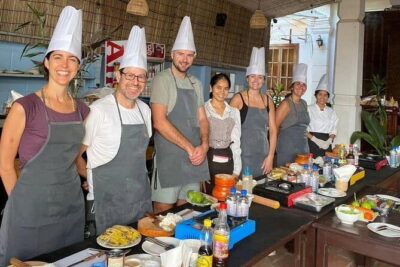
This is built for an easy, local-feeling evening in Siem Reap. You go from hotel pickup to a short ride to a wet market, then to a thatch pavilion with tropical gardens, capped off with what feels like a cozy dinner under the stars. With a maximum of 12 people, it stays small enough to ask questions and actually follow along without feeling rushed.
Key highlights you can plan around
- Lemongrass cocktail or mocktail kicks things off right at the start
- Sophia’s market walk helps you spot local vs imported ingredients and learn how they taste
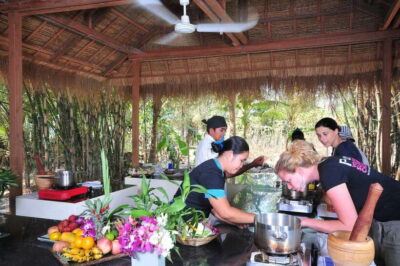
- Thatch pavilion with tropical gardens sets a calm, atmospheric cooking backdrop
- Hands-on, step-by-step cooking for three Cambodian dishes you can repeat at home
- Max 12 travelers keeps the class feeling personal and structured
Aprons on for another Khmer kitchen
- Khmer Cooking Class at a Local’s Home in Krong Siem Reap★ 5.0 · 2,731 reviews
- Siem Reap: Khmer Cooking Class at a Local’s Home★ 5.0 · 1,108 reviews
- Award-Winning Cooking Class Experience with Professional Teacher★ 5.0 · 745 reviews
- Cambodian Village Cooking Class★ 5.0 · 265 reviews
Siem Reap cooking class at 5 pm: the mood matters
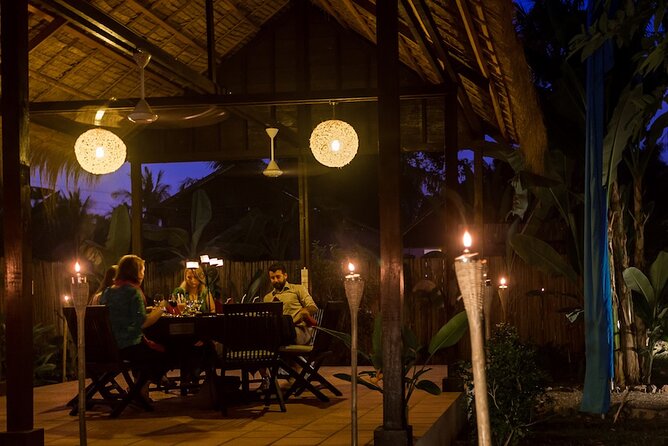
This class starts at 5:00 pm, which is a smart time in Siem Reap. The light is softer than midday, the heat often feels more manageable, and you end up eating in the evening cool when Cambodia feels most pleasant. If you are the type who likes to plan the day around one good anchor activity, this timing works well.
The flow is also designed to keep you engaged. You begin with a Cambodian inspired cocktail or mocktail featuring lemongrass. Even if you do not drink, the mocktail part matters because it keeps you fully in the experience. You are not just holding a glass, you are smelling, learning, and then cooking with flavors that show up later in the dishes.
Another reason this feels worth it is the setting. The cooking happens in a thatched pavilion with tropical gardens around you. It is not a fluorescent training kitchen. The vibe helps you slow down, listen, and pay attention, especially when the chef is teaching technique and timing.
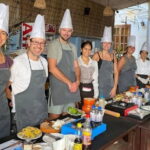
Group size is capped at 12 travelers, which is not a random detail. In a cooking class, small groups mean you can see what is happening, ask about substitutions, and get feedback on what you are doing. You also tend to leave with less confusion, which is what you want if you plan to cook again later.
Hotel pickup to a wet market with Sophia
Most evenings in Siem Reap have the same pattern, temples here, dinner there. This one gives you something more food-focused, and it starts with pickup. You get collected from your hotel, then take about a 10-minute drive to a local market.
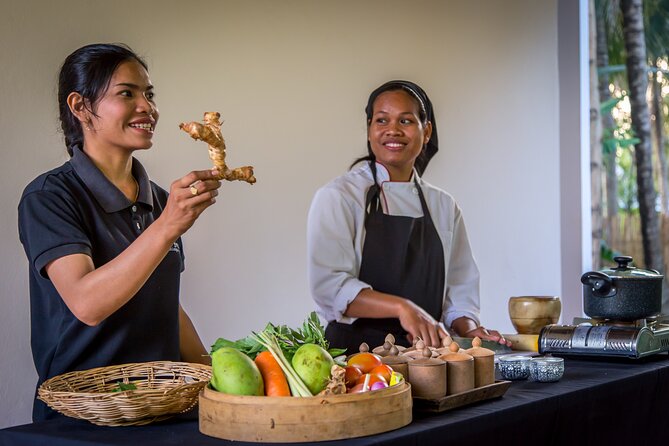
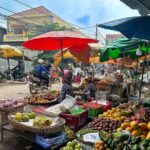
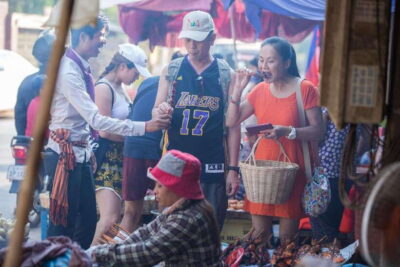
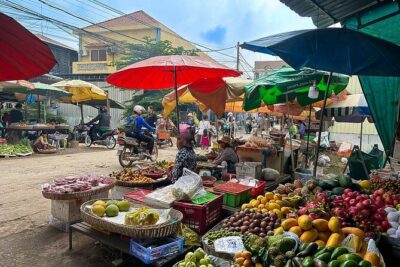
At the market, Sophia is your key guide. She introduces you to ingredients and, more importantly, explains what is local and what is imported and why that matters. That local vs imported breakdown is more useful than it sounds. Taste changes. Texture changes. Even how ingredients behave during cooking can change. If you try to cook Cambodian food at home without that mental map, it can turn into guesswork. This market walk reduces that problem.
You will see vegetables and ingredients up close, and you get a real sense of how people choose produce for everyday cooking. You also learn which items are typical and which are present because they travel. Even if you do not remember every detail, the way Sophia explains flavor and usage helps you build instincts, the kind you can use later when shopping.
A quick practical note: markets can be damp and uneven, so wear shoes you can walk in comfortably. Also, if you are sensitive to smells, markets are intense in the best way. This one feels like a working market, not a staged food show.
Cocktail start: lemongrass flavor you will actually use
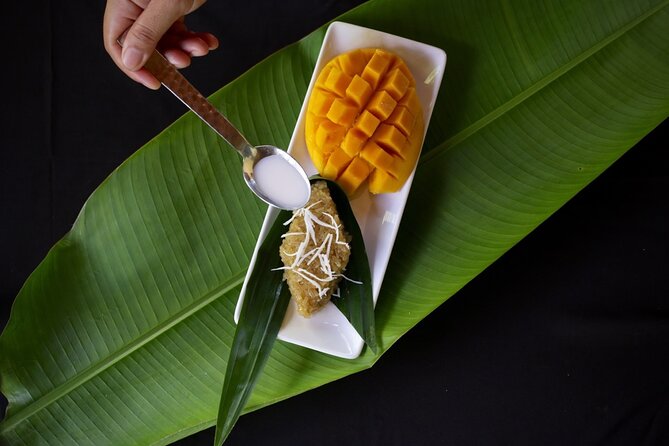
Before you touch a cutting board, the class gives you a fragrant start: a lemongrass cocktail or mocktail. This is one of those small ideas that makes the whole lesson stick.
Why it works: lemongrass is not just a flavor. It is an aroma that carries through Cambodian cooking. When you smell it in a drink first, your brain connects that scent to the cuisine you are about to cook. Later, when the chef uses lemongrass in a dish, you are not starting from zero.
The other benefit is social. You are offered something right away, and it makes the experience feel welcoming instead of formal. If you are traveling solo, this kind of start can help you relax quickly and join the group energy.
Also, having both cocktail and mocktail options means you do not have to worry about whether you will enjoy the opening. You can pick the version that fits your comfort level and still enjoy the same flavor theme.
Thatch pavilion setup: where the class happens
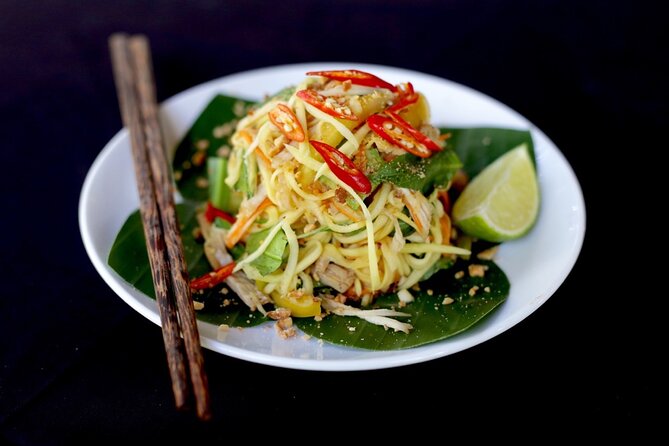
Once the market portion is done, you head to a thatch pavilion surrounded by tropical gardens. This matters more than aesthetics. A comfortable, open-air space helps with cooking classes because you are moving, tasting, and listening for instructions. If you end up in a stuffy room, you feel drained fast. Here, the environment supports a longer attention span.
The cooking space is designed for hands-on learning. You will be guided through the dishes in a sequence, and each dish is built step by step. That teaching style is a huge part of why people rate this so highly. It is not the kind of class where you stand there hoping you catch up.
The pavilion setting also affects the dinner portion. Since you are already in the same space, the meal feels like a continuation instead of a switch. You cook, you eat what you make, and the evening stays cohesive.
One small consideration: the tour is outdoors or semi-outdoors for a lot of the experience. Bring a light layer if you tend to get chilly at night, and consider simple bug precautions, especially if you are sensitive to bites.
More time at the stove
Cooking three Cambodian dishes, step-by-step
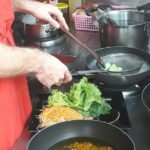
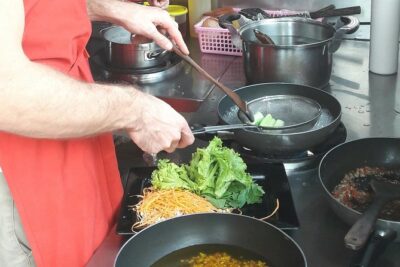
The core of this tour is straightforward: you cook three Cambodian dishes. The real value is in how you cook them. The class is hands-on and goes through each dish step by step, meaning you are not thrown into chaos.
If you are used to watching cooking videos, this is where it becomes practical. You learn techniques and timing while your hands do the work. That is what makes the class more than an activity. It becomes a skill you can repeat.
From what you will experience, the dishes are connected by flavor logic. Cambodian cooking often balances herbs, aromatics, and sauces, and you will feel that theme while working. Starting with a lemongrass-based drink also primes you for those aromatics.
The chef leading you takes you through each stage carefully, and the pacing keeps you from falling behind. In a small group, that pacing works better because instructors can correct small mistakes early. If you have ever tried to cook something later and realized you missed one tiny technique step, you will appreciate this structure.
There is also a practical payoff. The class is explicitly designed so that once you are home, you can whip these dishes up for family or friends. You do not just leave with a meal. You leave with a process.
Dinner under the stars: eating what you made
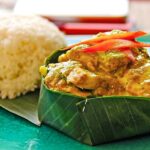
After cooking, you get to enjoy the dishes you made for dinner, and it is served under the stars. That phrase can sound poetic, but in this case it is tied to the actual experience flow. You are already settled into the garden pavilion, and dinner feels like the natural finish line.
Eating what you cook is the fastest way to learn. During the cooking, you focus on steps. During the eating, you focus on flavor. You taste salt balance, herb brightness, and the way the final dish comes together. It also lets you notice what you did well, so next time you can reproduce it.
Also, because the class includes the earlier market visit, your dinner comes with context. You understand where ingredients come from and what they are supposed to taste like. That turns dinner into a lesson you can remember.
If you are taking this as a solo traveler, dinner under the stars can be a quiet win. If you are traveling with friends, it is a fun shared activity where everyone has something to talk about, like which ingredients surprised them at the market or how the lemongrass flavor showed up in the finished dishes.
Price and value: is $35 a good deal?
At $35.00 per person, this class is priced in the category of experiences that are meant to be accessible. What makes it feel like value is not just the cooking. It includes a full evening arc: hotel pickup, market time with ingredient guidance, a cocktail or mocktail start, instruction to cook three dishes, and then the dinner itself.
You are paying for several things you would otherwise piece together. If you tried to do it on your own, you would spend time figuring out ingredients, which market to go to, and how to cook Cambodian flavors without a guide. Here, the guide handles the translation from raw ingredients to finished dishes.
The 3-hour duration also matters. It fits into a busy Siem Reap itinerary without turning into your whole day. You are not sacrificing an entire afternoon and evening. You add one focused, high-reward activity.
Finally, the small group size of 12 travelers supports the price. More attention often means better learning, fewer mistakes, and a smoother end result at the table.
If you like hands-on cooking, you will feel the value quickly. If you only want to eat and do not care about learning technique, you might find it less efficient. But this class is clearly built for people who want both.
Who should book this cooking class (and who might skip)
I think this fits best for:
- Couples and friends who want a shared, practical activity
- Solo travelers who like small groups and guided experiences
- Food-focused travelers who want to understand ingredients, not just eat them
- Anyone who wants to bring Cambodian cooking skills home
You might skip it if:
- You want a completely passive experience with minimal participation
- You prefer daylight activities only
- You have a hard bedtime conflict around a 5 pm start
The market + cooking structure is the reason it works. You are learning why ingredients matter, then applying it immediately.
FAQ
FAQ
What time does the cooking class start?
It starts at 5:00 pm.
How long is the experience?
The duration is about 3 hours.
What is the price per person?
It costs $35.00 per person.
Does the tour include pickup from my hotel?
Pickup is offered.
Do I get to cook and eat, or is it just watching?
It is hands-on, and you cook three Cambodian dishes and then enjoy them for dinner.
Is there a drink at the beginning?
Yes. The class begins with a Cambodian inspired cocktail or mocktail featuring lemongrass.
Where does the cooking and dinner take place?
It is set in a thatch pavilion with tropical gardens as the backdrop, and dinner is served under the stars.
How big is the group?
It has a maximum of 12 travelers.
How do I get my ticket?
A mobile ticket is provided.
What is the cancellation window for a full refund?
Free cancellation is available up to 24 hours in advance for a full refund.
Should you book this evening cooking class?
If you want a Siem Reap night that feels personal, tastes authentic, and gives you real skills you can reuse later, I would book this. The standout parts are the lemongrass drink start and the market walk with Sophia, then the chef-led, step-by-step cooking of three Cambodian dishes. For $35 and a 3-hour evening, it is a solid value play, especially because the group stays small and you leave with a dinner you made yourself.
Learn Another Khmer Dish
- Khmer Cooking Class at a Local’s Home in Krong Siem Reap
★ 5.0 · 2,731 reviews - Siem Reap: Khmer Cooking Class at a Local’s Home
★ 5.0 · 1,108 reviews - Award-Winning Cooking Class Experience with Professional Teacher
★ 5.0 · 745 reviews - Cambodian Village Cooking Class
★ 5.0 · 265 reviews - Cambodian Cooking Class from Siem Reap
★ 4.9 · 190 reviews
More Tour Reviews in Siem Reap
- Angkor Wat Sunrise or Sunset Tour with Guide from Siem Reap
★ 5.0 · 12,109 reviews - Siem Reap: Angkor Wat: Small-Group Sunrise or Sunset Tour
★ 5.0 · 9,444 reviews - From Siem Reap: Kampong Phluk Floating Village Tour by Boat
★ 4.9 · 6,979 reviews - Sunset tour of Kampong Phluk stilts home village on the Tonle Sap
★ 5.0 · 4,865 reviews - Siem Reap: Angkor Wat 2-Day Tour with Sunrise and Sunset
★ 4.9 · 4,429 reviews
Cook It Yourself: Khmer Classes
- Khmer Cooking Class at a Local’s Home in Krong Siem Reap
★ 5.0 · 2,731 reviews - Siem Reap: Khmer Cooking Class at a Local’s Home
★ 5.0 · 1,108 reviews - Award-Winning Cooking Class Experience with Professional Teacher
★ 5.0 · 745 reviews - Cambodian Village Cooking Class
★ 5.0 · 265 reviews - Cambodian Cooking Class from Siem Reap
★ 4.9 · 190 reviews
Just Added: Fresh Siem Reap Tour Reviews

Khmer Cooking Classes, compared.
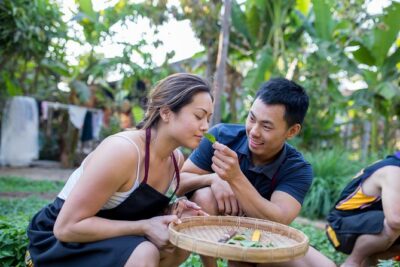 ★ 5.0Khmer Cooking Class at a Local’s Home in Krong Siem ReapFrom $272,731 reviews
 ★ 5.0Khmer Cooking Class at a Local’s HomeFrom $291,108 reviews
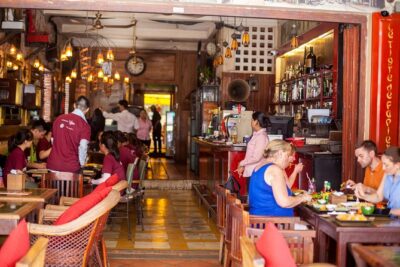 ★ 5.0Award-Winning Cooking Class Experience with Professional TeacherFrom $22745 reviews
 ★ 5.0Cambodian Village Cooking ClassFrom $32265 reviews
 ★ 4.9Cambodian Cooking Class from Siem ReapFrom $32190 reviews
 ★ 5.0Siem Reap Cooking ClassFrom $35170 reviews
 ★ 5.0Khmer Gourmet Cooking ClassFrom $21145 reviews
 ★ 5.0Khmer Cooking Class in CambodiaFrom $3536 reviews
Browse the lists this tour appears in