
Reviewed · MULTI-DAY ANGKOR TOURS
2-Days Tour (The Best Historical of Khmer Empire)
This 2-day private tour is a calm, story-led route through the Khmer Empire’s big landmarks and the early capital mood, with Pre Rup sunset as your payoff. I like that you get a dedicated local driver and English-speaking guide who can explain what you are actually looking at, and I like the comfort extras like cold water and cold wet towels after temple heat. The main catch to plan around is that the Angkor entrance pass and lunch are not included, so you will budget for them before you go.
You also get a real mix of temples and everyday Siem Reap life. Day 1 leans into Angkor Thom, Day 2 hits Angkor Wat plus Ta Prohm, then you finish with the Old Market and Artisans Angkor for a different kind of Cambodia.
Key highlights worth aiming for
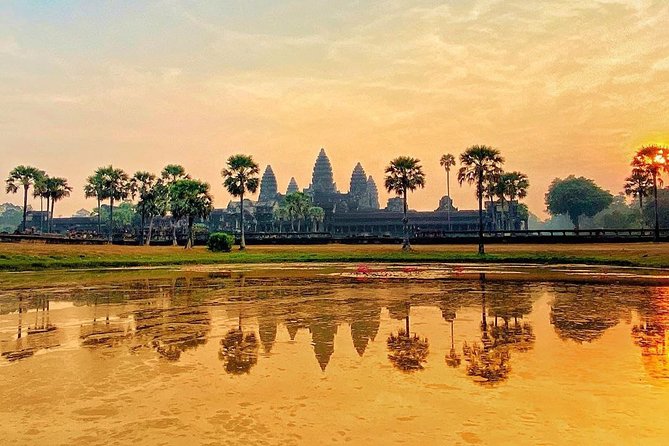
- Bayon and Angkor Thom face towers, with time to stop and notice the details instead of sprinting
- Pre Rup at sunset, a classic viewpoint over the countryside from a temple-mountain setting
- Banteay Srei carving focused day, where the craftsmanship feels tighter and more intimate
- Angkor Wat and Ta Prohm in a balanced order, so you are not stuck in the most chaotic spots all day
- Roluos Group temples and Hariharalaya-area stops, for the early capital context behind the icons
- Psar Chaa Old Market and Artisans Angkor, so you see crafts and local shopping without it feeling random
More time at the temples, spread over days
- Siem Reap: Angkor Wat 2-Day Tour with Sunrise and Sunset★ 4.9 · 4,429 reviews
- Angkor 2-Day Sunset & Sunrise Small-Group Tour★ 5.0 · 2,567 reviews
- 2 Days Exclusive Temple Highlights with Sunset and Sunrise Tour★ 5.0 · 1,157 reviews
- Siem Reap: Angkor Sunrise 1- or 2-Day Guided Temples Tour★ 4.9 · 1,132 reviews
Getting Your Bearings in Siem Reap, Then Going Temple Deep
Siem Reap can feel like a blur when you first arrive. One minute you are staring at Angkor on a postcard, the next minute you are trying to work out which temple goes where, and in what order. This tour makes that easier because you are not navigating alone, and your guide helps you connect the dots between kings, styles, and what changed over time.
The best part is that you are moving with purpose, not just collecting stops. You start inside Angkor Thom’s city walls and gates, then shift into the finer carving temples further out. On day 2, you return to the most famous sites with enough structure to enjoy them, not just survive them.
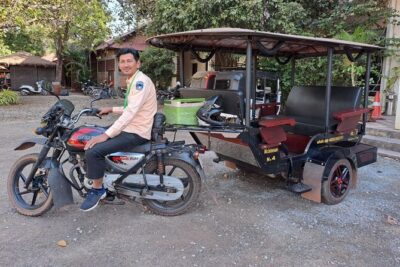
The vehicle time matters too. You travel by an air-conditioned car with a professional driver, and you get cold water plus cold wet towels during the day. That small comfort layer is the difference between temples feeling like a chore versus feeling like a day you will remember.
Your Private Driver and English Guide: Why the Stories Matter
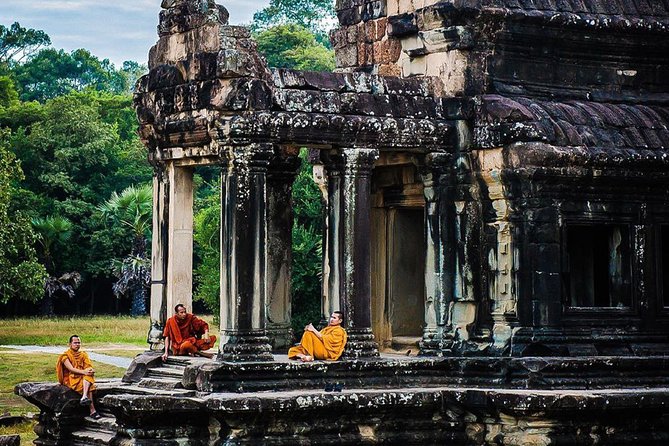
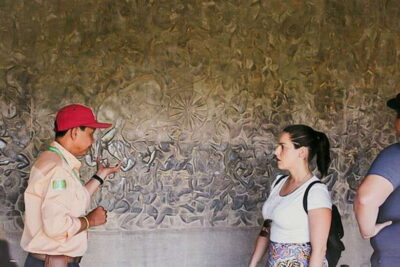
This is a private tour, so your group sets the pace. The operator lists a full private basis with an English-speaking guide, and in the feedback I saw, guides such as Veasna, Vutha, and Sophea were repeatedly praised for explaining temples clearly, answering questions, and helping with photo moments.
That is not just nice. In Angkor, a temple can look like “cool ruins” until someone points out why a specific layout matters, or which era you are seeing. When your guide links Bayon’s faces, Baphuon’s Hindu roots, and the shift toward Buddhist iconography, the visit becomes more than scenery.
Also, you have flexibility. The tour includes an option to tailor your private itinerary, which is useful if your family wants more breaks, or if you want to spend extra time where your eyes keep returning.
Day 1 in Angkor Thom: Bayon to Pre Rup Sunset
Day 1 is basically the “heart of the royal city” feeling. You start with Angkor Thom and then fan out to nearby terraces and towers before heading toward Banteay Srei and Banteay Samre. If you like temples with lots of stone symbolism, this is your day.
Bayon Temple: Stop for the face towers
Bayon is the one that most people recognize right away, with its stone faces topping towers. Plan to wander slowly here, because the carvings and placement tell you how the monument wants to be read from different angles.
You get about 40 minutes, which is enough if you do not just take one wide photo and move on. The drawback is that this is still a popular area, so go in expecting crowds in peak times.
Deeper into old Siem Reap


Baphuon Temple: A layered Hindu temple mountain
Baphuon is a state temple connected to Udayadityavarman II and dedicated to Shiva. It sits near Bayon, and the area gives you contrast between different religious influences in the royal complex.
One practical consideration: some Angkor temples enforce a strict dress code. You will want shoulders covered and clothing that falls below the knees, especially here.
Terrace of the Elephants: Read the carvings end to end
The Elephant Terrace is long, and the design is built to impress you up close. You are looking at carved elephants and myth figures, including garudas, stretching along the terrace wall.
This is a good pause stop because it is less about climbing and more about noticing. It can still feel warm, so use the time to hydrate between photo breaks.
Terrace of the Leper King: Mythology on a wall
Next comes the Terrace of the Leper King, known for a double terrace wall with deeply carved nagas, demons, and other mythological beings. The name comes from the statue status said to sit on top.
This is one of those places where a guide helps. If you understand the symbolism, it reads like a story in stone, not just decorative detail.
Preah Palilay: A shaded Buddhist-themed stop
Preah Palilay sits in a cool, shaded forest setting and has Buddhist-themed carvings. It is shorter and quieter than some bigger stops, which is a welcome reset during a long day.
Take advantage of the shade, because you will likely notice the heat more than usual once you start moving again.
Phimeanakas: The pyramid in the royal center
Phimeanakas is a pyramid Hindu temple built in the 10th century, located in the center of the old Royal Palace of Angkor Thom. It fits the theme of the day, mixing royal power with religious meaning.
You get around 20 minutes, so treat it like a focused stop. Look for how the monument sits in relation to the royal enclosure feeling around you.
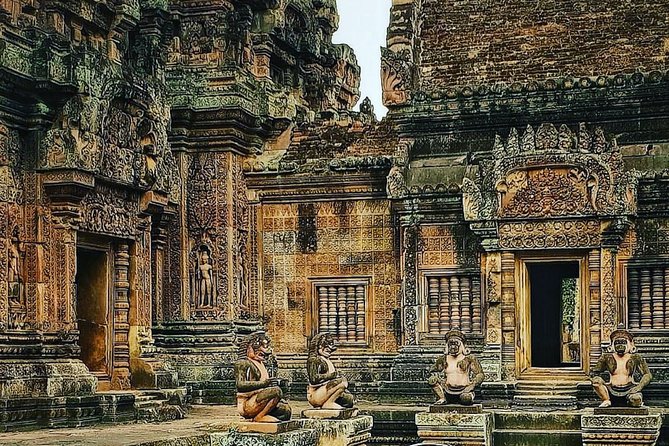
Banteay Srei: Citadel of women, for fine carving lovers
Banteay Srei translates to citadel of women. The modern explanation is tied to the delicate beauty of the carving work, and it really is a temple where your eyes can slow down.
You get about 1 hour 30 minutes, which is valuable because this is one of the places where standing back and then walking closer gives you two different experiences. If you rush, you miss the point.
Banteay Samre: Angkor Wat style, but flatter and more open
Banteay Samre is described as a large, flat temple with Angkor Wat-style architecture and artistry. There is also a local legend tied to the naming, and your guide can connect that story to what you see.
Expect about 45 minutes. The drawback is that because it is flatter, it can feel less dramatic than the big icon temples. Still, if you like architecture variety, it is worth the stop.
Pre Rup: Optional sunset, a strong finish
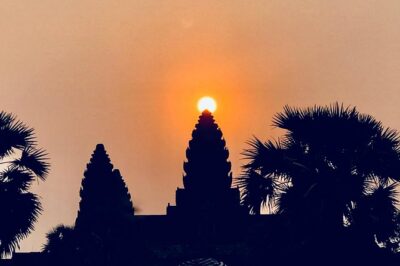
Pre Rup is where the day can end with a classic sunset viewpoint over the countryside. The guide highlights the false doors on the upper level and the views.
This stop is listed as optional with sunset timing, and you get about 1 hour. If you choose it, plan to arrive with your patience hat on. Sunset at temples is never “exactly on time,” but it is usually worth it.
Day 1 Reality Check: What Might Feel Tight
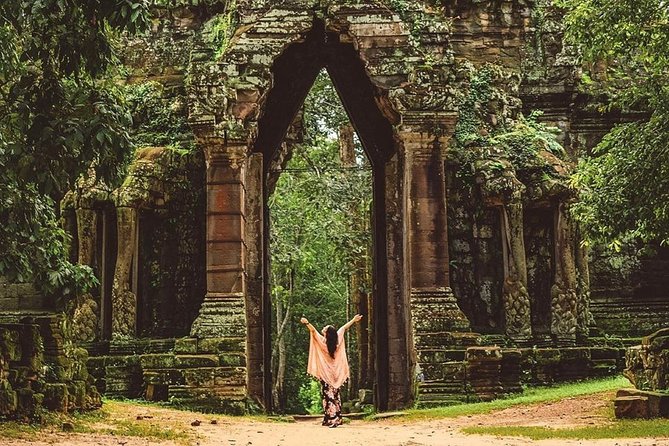
Day 1 is packed: Angkor Thom sites plus Banteay Srei and Banteay Samre, then Pre Rup if you choose sunset. The good news is the tour notes that walking is involved, but routes are chosen to be as comfortable as possible from the entrance to the sight.
The tradeoff is that you will still be walking on uneven stone and moving between locations. If anyone in your group has mobility limits, it is smart to tailor the itinerary during booking or early on day 1.
Day 2 at Angkor Wat and Ta Prohm: Icons With Breathing Room
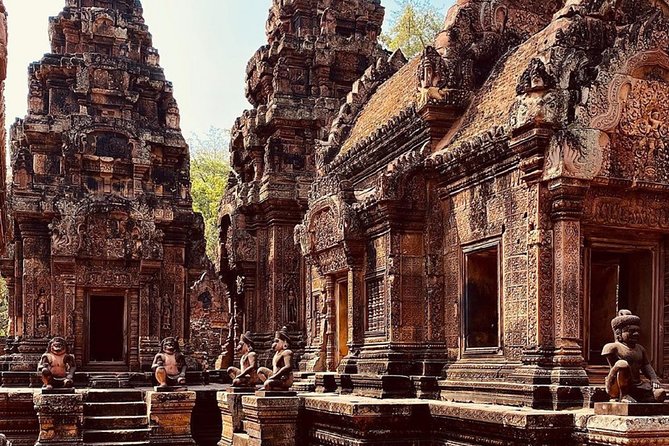
Day 2 is split between the “must see” names and the early capital context. You start with Angkor Wat in the morning, then Ta Prohm, and then shift into the Roluos Group area.
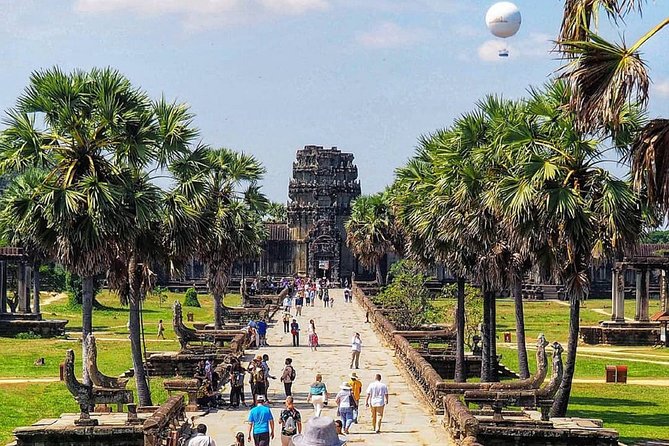
Angkor Wat: Two hours to look past the postcard
Angkor Wat is listed as about 2 hours. That is enough time to see major elements and still step back to notice how the temple reads as a whole.
Dress code still matters and heat still matters. If you can, focus on smaller details like stone patterns and doorways rather than spending your entire time only on the widest views.
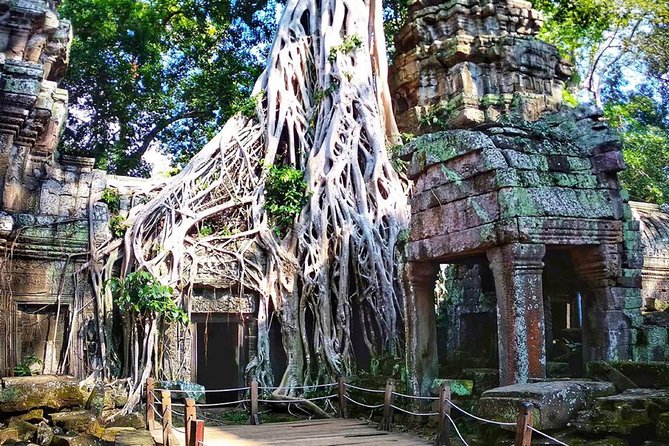
Ta Prohm: Tree-in-temple photo time, without feeling rushed
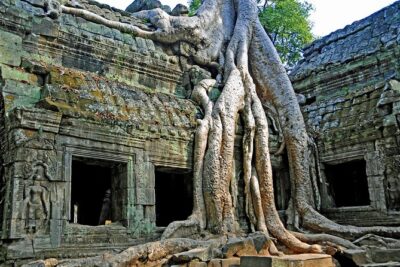
Ta Prohm is a monastic complex where parts are intentionally left with jungle overgrowth. This is the stop for the classic tree-in-temple look and sprawling atmosphere.
You get around 2 hours. The risk here is the photo trap, where you only photograph the most famous angle. If your guide points you toward less obvious spots, you will get better variety in your photos.
Bakong: First Angkorian capital energy
Bakong is listed as about 1 hour and sits in the center of the first Angkorian capital area in the Roluos Group. It is described as the most impressive member of that group and an early temple mountain.
This is a good pivot from Angkor Wat because it puts you back into “how it started.” If you want the empire story instead of only the icons, Bakong helps you feel that progression.
Lolei: An island-temple in a dry baray
Lolei is about 20 minutes and is described as an island-temple ruin in a now dry baray, Indratataka. Even if water is missing today, the setting idea still helps you understand Khmer water engineering.
Short stop, but meaningful. It is the kind of temple where understanding the water context makes the ruin feel more alive.
Preah Ko: Early Khmer capital at Hariharalaya
Preah Ko is about 15 minutes and is identified as one of the first major temples of the empire at the early Khmer capital of Hariharalaya. This is where the tour gets its “best historical of Khmer Empire” vibe into your body.
If you only see Angkor Wat and leave, you miss how the empire built momentum. This stop helps correct that.
Beyond Temples: Psar Chaa Old Market and Artisans Angkor
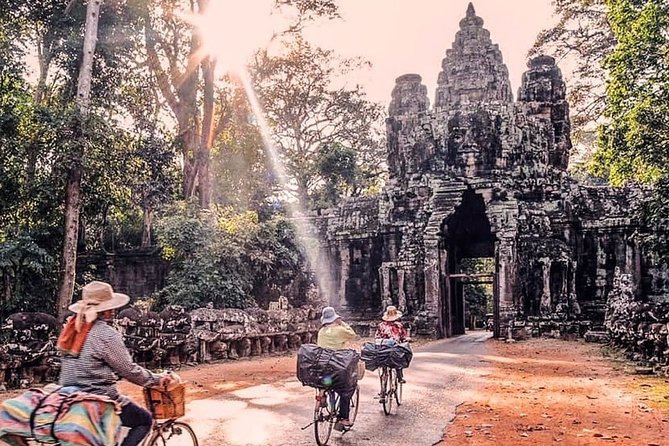
After the Roluos Group, the tour shifts into Siem Reap life with two late stops.
Psar Chaa (Old Market): Souvenirs, snacks, and browsing time
Psar Chaa is listed as about 1 hour. It is described as the most visited traditional market, with a deep selection of souvenirs and curios and vendors across the market.
This is a practical stop, not just a scenic one. If you still need small gifts or you want to buy something local, this is one of the simplest times to do it without trying to plan a separate outing.
Artisans Angkor: A workshop behind the souvenirs
Artisans Angkor is a training ground for unschooled rural youth to learn handicraft production skills. The goal is to help them make a living from the work.
You get about 1 hour. The value here is that you can see the craft with a purpose, not just buy a mass-produced souvenir and move on.
Price and What You Still Need to Pay: Real Value Math
The tour price is $145 per person. On its face, that is a lot or a little depending on what you expect. What makes it feel reasonable is that you are getting a private experience with transportation by air-conditioned vehicle, an English-speaking guide, and included extras like cool waters and wet towels.
But you must add two things before you finalize your budget:
- Angkor Archaeological site entrance pass is not included. The operator notes it should be purchased at the main gate, with fees in US dollars, and it grants access to sights in and around Angkor. Passes can be for one day up to seven days. Children under 12 are free.
- Lunch is excluded and you arrange it on your own.
If you compare this to piecing together separate drivers, separate guide time, and individual tickets, you can see where the value comes from. The private guide time is usually what costs the most, and the tour bundles it across two full days.
One more practical note: there is mention of mobile ticket use. Bring your confirmation details on your phone when you check in, but also keep basic backup info since humidity and phone battery life can get tricky in the heat.
Dress Code, Sun, and Temple Etiquette That Actually Help
This tour comes with clear guidance on what to wear. Some temples and palaces, such as Baphuon, uphold a strict dress code: cover shoulders and wear clothing that falls below the knees.
It is also smart to plan for the sun even on cloudy days. The tour advises sunglasses, a hat or cap, and high SPF sunscreen. It is easy to get less sunburned than you expected and still feel wiped out by heat.
Another practical tip that is easy to ignore: natural elements can harm electronics. The operator suggests wrapping and protecting your camera, mobile phone, or other device. I agree with that. Temple dust and humidity can turn a nice camera day into a battery and lens worry day.
Best Fit: Who Should Book This 2-Day Tour
This tour is a great fit if you want:
- A guided Khmer Empire story instead of a list of ruins
- A private pace for families, couples, or small groups
- The classic icons, plus the less-famous context sites like Hariharalaya-area temples
It is also a good option if you like photography. Ta Prohm and Pre Rup are strong photo stops, and feedback highlighted guides who help with photographic assistance and finding good angles away from the busiest spots.
If you hate walking or you want zero schedule pressure, you might want to choose a shorter temple route. Day 1 in particular moves through many locations.
Should You Book This 2-Day Khmer Empire Tour?
I think you should book it if you want the best mix of big names and early capital context, and if you value having an English-speaking guide who can explain what you are seeing. The included comforts, private format, and the chance to tailor your day make it feel like a well-designed template for a first serious Angkor trip.
I would hesitate only if you have not budgeted for the Angkor entrance pass and lunch. Also, if your group cannot follow the dress code, you will end up stressed. If you plan those two items up front, this tour is a strong bet for two full days that feel structured, not chaotic.
If you want, tell me your travel dates and whether you are aiming for Pre Rup sunset. I can help you sanity-check how to budget the Angkor pass and what to wear so day 1 feels smooth.
FAQ
Is the Angkor Archaeological site entrance pass included?
No. The entrance pass is not included, and you purchase it at the main gate. The pass gives access to sights in and around Angkor, and fees are charged in US dollars only. Children under 12 are free of charge.
Is lunch included in the tour price?
No. Lunch is excluded and you arrange it on your own during the day.
Does the tour include hotel pickup in Siem Reap?
Pickup is offered, and return transfers are inclusive only for customers staying in and inside Siem Reap.
Is this a private tour or a shared group tour?
This is a private tour. It is operated on a full private basis, with English-speaking guide service for your group only.
Are cold drinks and towels included?
Yes. The tour includes cool waters and cool wet towels.
What temples have a strict dress code?
Some temples and palaces have strict dress code rules. The tour specifically notes Baphuon and says you should cover shoulders and wear clothes that fall below the knees.
How much walking is involved?
Some walking is required. The operator says they take comfortable ways from the entrance of the sight to the sight itself, but you should still expect to move around temple areas.
What is the cancellation policy if plans change?
You can cancel up to 24 hours in advance for a full refund. If you cancel less than 24 hours before the experience starts, the amount paid is not refunded. Weather can also affect whether the tour runs.
More Siem Reap Tours to Compare
- Angkor Wat Sunrise or Sunset Tour with Guide from Siem Reap
★ 5.0 · 12,109 reviews - Siem Reap: Angkor Wat: Small-Group Sunrise or Sunset Tour
★ 5.0 · 9,444 reviews - From Siem Reap: Kampong Phluk Floating Village Tour by Boat
★ 4.9 · 6,979 reviews - Sunset tour of Kampong Phluk stilts home village on the Tonle Sap
★ 5.0 · 4,865 reviews - Siem Reap: Angkor Wat 2-Day Tour with Sunrise and Sunset
★ 4.9 · 4,429 reviews
More Tour Reviews in Siem Reap
- Angkor Wat Sunrise or Sunset Tour with Guide from Siem Reap
★ 5.0 · 12,109 reviews - Siem Reap: Angkor Wat: Small-Group Sunrise or Sunset Tour
★ 5.0 · 9,444 reviews - From Siem Reap: Kampong Phluk Floating Village Tour by Boat
★ 4.9 · 6,979 reviews - Sunset tour of Kampong Phluk stilts home village on the Tonle Sap
★ 5.0 · 4,865 reviews - Siem Reap: Angkor Wat 2-Day Tour with Sunrise and Sunset
★ 4.9 · 4,429 reviews
More Days at the Temples
- Siem Reap: Angkor Wat 2-Day Tour with Sunrise and Sunset
★ 4.9 · 4,429 reviews - Angkor 2-Day Sunset & Sunrise Small-Group Tour
★ 5.0 · 2,567 reviews - 2 Days Exclusive Temple Highlights with Sunset and Sunrise Tour
★ 5.0 · 1,157 reviews - Siem Reap: Angkor Sunrise 1- or 2-Day Guided Temples Tour
★ 4.9 · 1,132 reviews - 2 Days Guided Historical Tour in Angkor
★ 5.0 · 855 reviews
Just Added: Fresh Siem Reap Tour Reviews
Multi-Day Angkor Tours, compared.
 ★ 4.9Angkor Wat 2-Day Tour with Sunrise and SunsetFrom $344,429 reviews
 ★ 5.0Angkor 2-Day Sunset & Sunrise Small-Group TourFrom $492,567 reviews
 ★ 5.02 Days Exclusive Temple Highlights with Sunset and Sunrise TourFrom $491,157 reviews
 ★ 4.9Angkor Sunrise 1- or 2-Day Guided Temples TourFrom $191,132 reviews
 ★ 5.02 Days Guided Historical Tour in AngkorFrom $35855 reviews
 ★ 5.02-Day Angkor Wat With Small, Big Circuit and Banteay Srei TourFrom $158545 reviews
 ★ 4.92-Day Temple Highlights Sunrise and Sunset OptionFrom $46445 reviews
 ★ 4.9Angkor Wat 2-Day complex Sun rise & Sun set with Guided TourFrom $30439 reviews
Browse the lists this tour appears in