
Reviewed · FARMS
Traditional Khmer Water Blessing by Monk and Lotus Farm Visit
A monk-led water blessing can feel surprisingly personal. In Siem Reap, this half-day tour mixes a real Cambodian ritual, a visit to sacred sites, and a lotus farm stop where the day becomes about faith and everyday work, not just sightseeing. I like that you get practical context before you participate, and I like the lotus farm piece that connects spirituality to local livelihoods. One thing to consider: the blessing is water-based and the tour depends on good weather, so plan for a little chill and possible schedule changes.
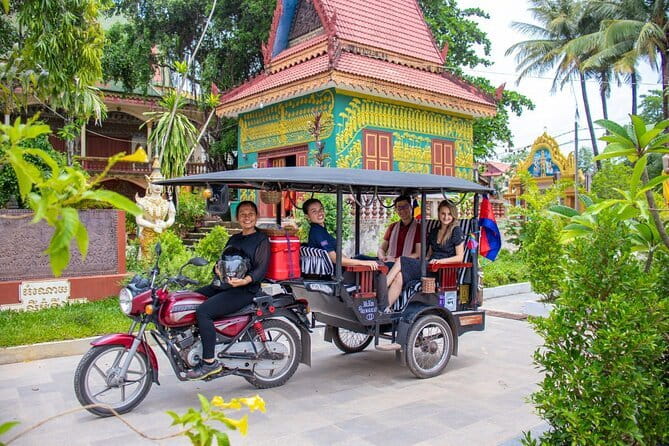
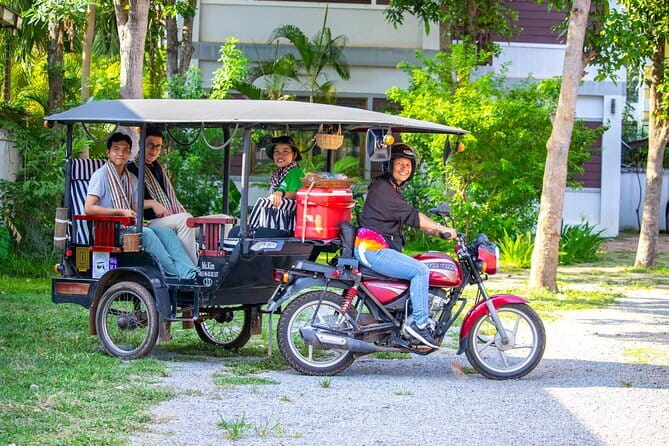
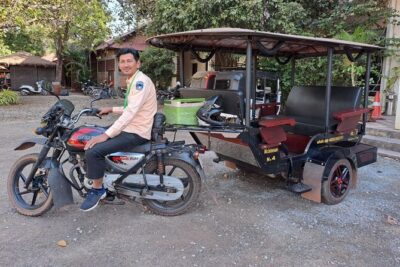
You’ll ride in a tuk-tuk style vehicle, with hotel pickup and cold water plus local snacks. The group stays small, up to 15 people, which makes it easier to ask questions before and after the ritual. On many departures, guides such as Hong (who shares strong local stories from near the lotus farm) or Bo (recognized for clear, friendly explanations) help keep the whole route grounded and human.
Key things to know before you go
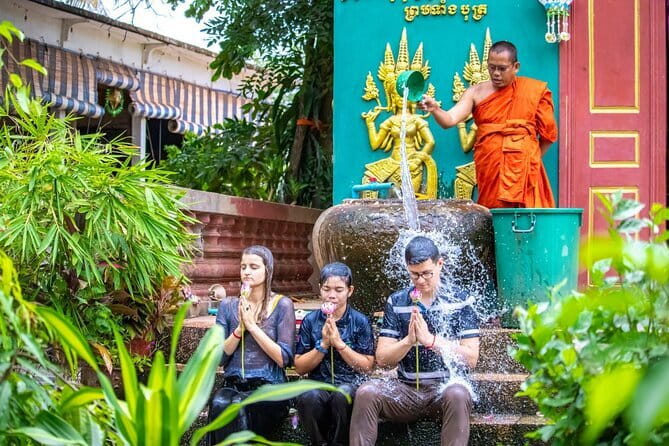
- You participate in the chanting and the water blessing, not just watch from the back row.
- Royal Residence spiritual houses are part of the route, so you get context for Cambodian beliefs before the ritual.
- Psar Chaa Old Market includes a first snack of fried banana and sweet potato from a long-running shop.
- Lotus fields near Tonle Sap Lake show up on the drive, and the lotus farm stop explains farming and harvesting.
- Wat Po Banteaychey sets the stage with temple structure and Buddhist belief basics before the blessing.
- Small group size (max 15) means more time for Q and A with your local guide.
A quiet water blessing, other mornings
- Siem Reap: 1-Hour Cambodian Buddhist Water Blessing★ 4.9 · 68 reviews
- Monk Blessing Ceremony in Siem Reap★ 5.0 · 24 reviews
- Private Guided Angkor Wat Tour by Lady Tuk Tuk with Monk Blessing★ 5.0 · 19 reviews
- Siem Reap: Khmer Water Blessing by Monk and Lotus Farm Visit★ 5.0 · 15 reviews
Why a Khmer water blessing in Siem Reap feels more meaningful than a show
Siem Reap has no shortage of temple tours, but this one is built around a specific ritual that involves you directly. A monk chants, and holy water is sprinkled or poured over you as you make wishes for health, good fortune, or pleasure. That active role is exactly why it tends to feel memorable, even if you are not Buddhist and even if you speak no Khmer.
What I appreciate most is the pacing. You do not jump straight into the water. Before the blessing, you learn temple basics and the role of Buddhist beliefs in daily Cambodian life, and your guide helps you understand what you are seeing. That turns the experience from a single photo moment into something you can actually interpret.
The other ingredient is the “real life” contrast. You are not only at religious stops. You also visit a lotus farm where you see how the local landscape supports livelihood. That connection makes the spiritual parts land differently, because the day shows how faith and daily work overlap here.
Hotel pickup, tuk-tuk transport, and what the first stops teach you
The tour starts with pickup from your hotel, arranged based on where you are staying in Siem Reap. Then you head to the Royal Residence area and its spiritual house, listed as Phreah Ang Chek and Phreah Ang Chom. This is one of those stops where the value is in what you learn, not in a checklist of sights.
At Royal Residence, you get a guide-led walkthrough, with explanations of the site and what it represents spiritually. This matters because it sets expectations for the rest of the day. When you later enter Wat Po Banteaychey and see the structure of the temple world, the earlier context helps you connect the dots instead of feeling like you are just being transported from place to place.
Getting around by tuk-tuk also changes the feel. It keeps the tour moving but does not feel like a big bus day. You tend to get a calmer, more conversational pace, which helps when your guide is explaining beliefs and answering questions. For many people, that alone makes the route feel more respectful and personal.
Psar Chaa Old Market: the snack stop that makes the culture stick
Before you head toward the lotus farm area, there’s a short stop in Psar Chaa (Old Market). The highlight is meeting a fried banana business owner in town, a shop that has been operating for more than 20 years, and sampling fried banana and sweet potato as the first snack.
This is not random. Food stops like this work because they give you a quick, sensory window into local routine. You taste something genuinely local, and you get a chance to see how small businesses support community life around the temple season and tourist season.
The time here is brief, so come hungry. Also, if you are picky about textures or prefer less sweet snacks, I’d still try a small portion first. The fried banana and sweet potato are usually the kind of first-taste food that makes you want more later.
The lotus farm visit: farming, harvesting, and why Tonle Sap matters
After Psar Chaa, the route brings you toward the lotus fields you can see along the way, as the road leads toward Tonle Sap Lake. Even from the car, those views help you understand the setting behind the lotus farm stop.
Then you visit the lotus farm itself. The tour includes lotus farm entrance, and your local guide explains lotus farming and harvesting. This is where the day becomes practical. You start seeing lotus not just as a symbol in religious contexts, but as a working resource with a seasonal rhythm.
If you are the type of traveler who likes connecting food, plants, and livelihood to the bigger cultural story, this portion is especially satisfying. It gives you a reason for paying attention beyond temples. And it also offers a nice visual break between spiritual stops, because you are outside with open views and time to look around.
One practical note: this is a 30-minute stop, so it is not the kind of farm tour where you roam for hours. Use that time actively. Ask your guide what parts are used, how harvesting works, and how lotus fits into daily life around the water.
Worth a side-by-side look before you book this Siem Reap tour:



Wat Po Banteaychey: temple structure basics before the monk-led blessing
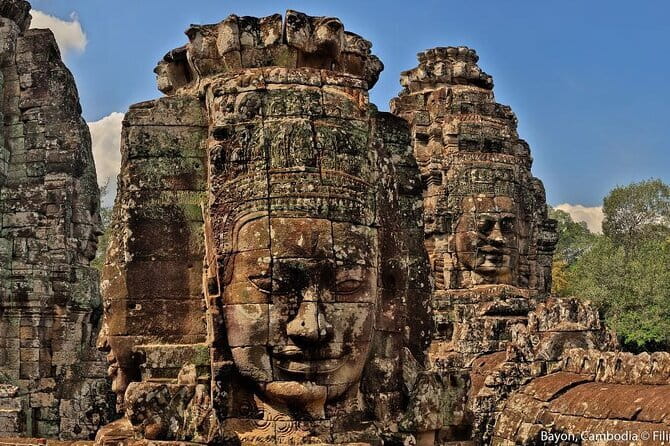
The most important step comes at Wat Po Banteaychey. Before the actual water blessing, you learn about Buddhist belief and the role and structure of a local temple. You also hear about temple activities, so you understand what you are walking into.
That pre-ritual education is a big part of why this experience can avoid the common tourist-trap feeling. If you know what the chant is for, what the temple setting represents, and what the water blessing is meant to signify, it feels less like a performance and more like a guided participation in a living tradition.
Then the ritual happens. A monk chants, and holy water is sprinkled or poured over you. In the moment, your guide can help translate the mood and meaning of what is happening, including the idea that you can make wishes for health, good fortune, or pleasure.
Many people also appreciate that there is an opportunity to talk with a monk. Even a few minutes of respectful conversation can change the feel from observational to human. If you want to ask questions, do it in a calm voice and keep it short, so others can participate in the space too.
Also, remember that you are preparing for a water-based ritual. Even if it is not cold-weather intense, you will likely feel wet for a bit. Bring patience, and plan to warm up afterward.
After the blessing: changing clothes and wandering the pagoda area
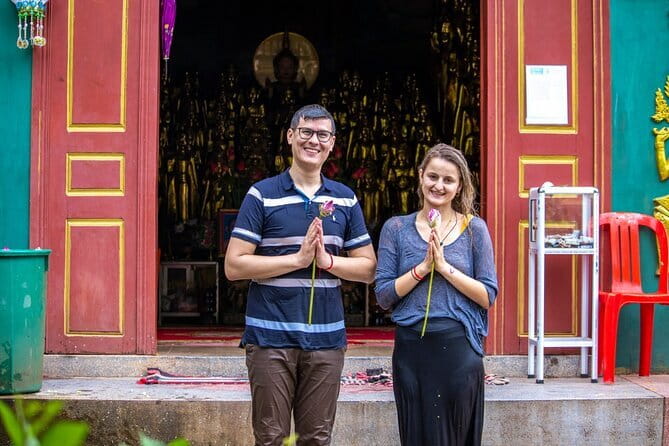
Once the ritual is finished, the tour moves quickly to practical next steps. You are guided to change your clothes, and then you can wander around the pagoda area.
This is a smart design choice. The blessing itself is intense and structured. The follow-up free time gives your brain a chance to process. You can look around with new context, and you can ask your guide any remaining questions at a more relaxed pace.
That wandering time is also when you can pay attention to details you might miss earlier, like how people move through the temple grounds and how visitors interact with the environment respectfully. If you are the kind of traveler who likes photos, this is usually your best time. You will understand the setting better, and your photos will feel less random.
If you like steady structure, you’ll appreciate that the tour ends shortly after this point, so you are not left hunting for your own way back while still thinking about the ritual.
Price and value: is $70 a fair trade for a 3 to 4 hour day?
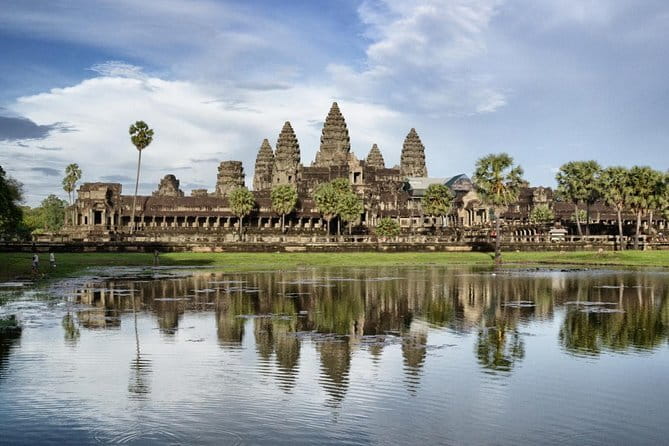
At $70, the value mainly comes from what is included, not from the hourly length. You get a local English-speaking guide, hotel pickup, and transportation by tuk-tuk. You also get cold water and local snacks, plus monk offering and donations, and the lotus farm entrance fee.
When you compare that to paying separately for temple tickets, guide time, and a proper route, it starts to look reasonable. You are paying for guided meaning, not just admission. The water blessing is the centerpiece, but the context stops are what help you get something from it.
The small group size up to 15 people also matters at this price point. In a bigger group, Q and A time often disappears. Here, you are more likely to actually use the chance to ask what you are wondering about.
One more value marker is route variety. You do temples plus a market snack plus lotus farm learning in a half-day window. That keeps the experience from feeling one-note.
What this experience is best for, and what might not fit you
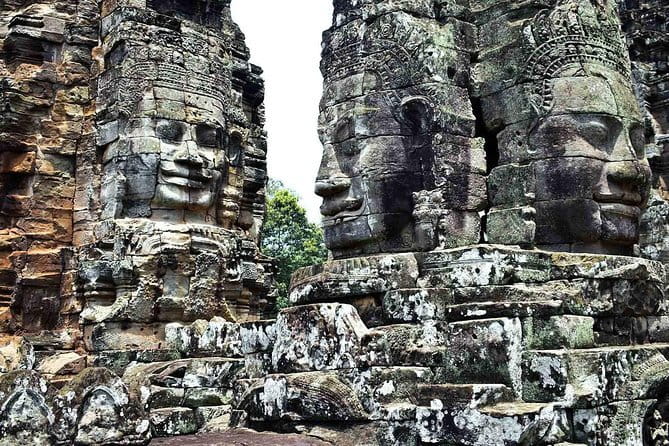
This tour is a great match if you want a Cambodian spirituality experience that includes participation, not just photos. It is also a good fit if you like guides who explain what you are seeing, instead of reciting facts with no room for questions.
You’ll probably enjoy it if you are curious about Buddhist practices and how they show up in everyday places, including temple structures and the local connection to water and lotus farming. The lotus stop also appeals to travelers who get tired of temple tours that never show how people actually live.
It may be less ideal if you dislike any water exposure. Since the blessing involves holy water being sprinkled or poured over you, plan for that. Also, if you cannot handle schedule changes based on weather, keep in mind the tour requires good weather and can move to a different date or be refunded if conditions are poor.
Should you book the Traditional Khmer Water Blessing and Lotus Farm Visit?
I think you should book it if you want a calm, meaningful half-day that mixes ritual participation with real local context. The fact that you learn temple basics before the monk-led blessing, then add the lotus farm and a market snack afterward, makes it feel thoughtfully paced for understanding, not just checking boxes.
If you are on a short trip to Siem Reap and want one experience that connects spirituality to daily life, this is one of the stronger choices. If you are worried about it being a tourist trap, focus on the structure: the route teaches you what the ritual means, then gives you time afterward to reflect while wandering the pagoda area.
Pick a day when the weather looks good, and go in ready to ask questions and treat the ritual space with respect. Then this can become one of the most memorable parts of your Cambodia trip.
FAQ
Is hotel pickup included?
Yes. Pickup from your hotel in Siem Reap is offered, and the exact pickup time depends on your location.
How long is the tour?
The tour takes about 3 to 4 hours.
What is included in the price?
Included are a local English-speaking tour guide, transportation with a tuk-tuk style vehicle (remork), cold water and local snacks, monk offering and donations, and lotus farm entrance fee.
How big is the group?
The tour has a maximum of 15 travelers.
What happens if the weather is bad?
The tour requires good weather. If it is canceled due to poor weather, you will be offered a different date or receive a full refund.
Can I cancel for a full refund?
Yes. You can cancel up to 24 hours in advance for a full refund. If you cancel less than 24 hours before the start time, the amount paid is not refunded.
More Farms in Siem Reap
- Siem Reap Lotus Silk Farm Discovery tour & Lake experience
★ 4.7 · 291 reviews - Siem Reap: Lotus Silk Farm- Tour, Lake & Masterclass
★ 4.9 · 77 reviews - Angkor Silk Farm & Lotus Silk Farm: Siem Reap Discovery Tour
★ 4.8 · 68 reviews - Siem Reap: Khmer Water Blessing by Monk and Lotus Farm Visit
★ 5.0 · 15 reviews - Siem Reap: Silk Farm & Countryside Offbeat Jeep Tour
★ 4.5 · 11 reviews
More Tour Reviews in Siem Reap
- Angkor Wat Sunrise or Sunset Tour with Guide from Siem Reap
★ 5.0 · 12,109 reviews - Siem Reap: Angkor Wat: Small-Group Sunrise or Sunset Tour
★ 5.0 · 9,444 reviews - From Siem Reap: Kampong Phluk Floating Village Tour by Boat
★ 4.9 · 6,979 reviews - Sunset tour of Kampong Phluk stilts home village on the Tonle Sap
★ 5.0 · 4,865 reviews - Siem Reap: Angkor Wat 2-Day Tour with Sunrise and Sunset
★ 4.9 · 4,429 reviews
A Blessing and a Quiet Morning
- Siem Reap: 1-Hour Cambodian Buddhist Water Blessing
★ 4.9 · 68 reviews - Monk Blessing Ceremony in Siem Reap
★ 5.0 · 24 reviews - Private Guided Angkor Wat Tour by Lady Tuk Tuk with Monk Blessing
★ 5.0 · 19 reviews - Siem Reap: Khmer Water Blessing by Monk and Lotus Farm Visit
★ 5.0 · 15 reviews - Siem Reap Cambodian Buddhist Water Blessing and Local Market
★ 5.0 · 13 reviews
Just Added: Fresh Siem Reap Tour Reviews
Farms, compared.
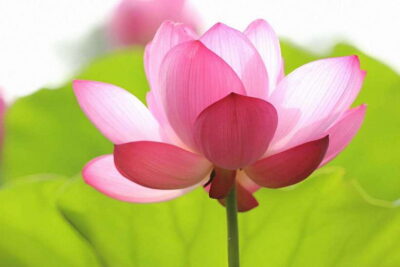 ★ 4.7Siem Reap Lotus Silk Farm Discovery tour & Lake experienceFrom $20291 reviews
 ★ 4.9Khmer Village and Fish Farm ATV TourFrom $33266 reviews
 ★ 4.9Lotus Silk Farm- Tour, Lake & MasterclassFrom $7077 reviews
 ★ 4.8Angkor Silk Farm & Lotus Silk Farm: Siem Reap Discovery TourFrom $2568 reviews
Lotus Silk Farm – Tour, Lake & Artisan immersionFrom $4020 reviews
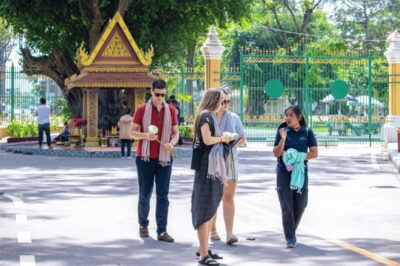 ★ 5.0Khmer Water Blessing by Monk and Lotus Farm VisitFrom $5515 reviews
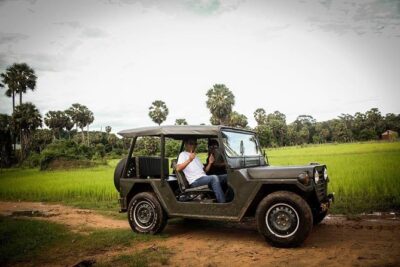 ★ 4.5Silk Farm & Countryside Offbeat Jeep TourFrom $5511 reviews
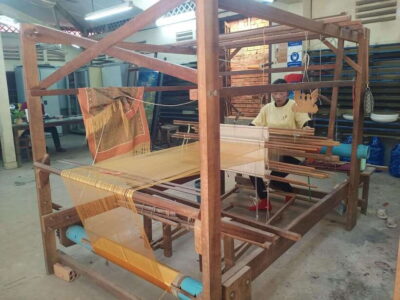 ★ 4.7Half Day Trip: Silk Farm, Satcha, and Senteur d’Angkor TourFrom $2510 reviews
Browse the lists this tour appears in