

Reviewed · ANGKOR SUNRISE & SUNSET TOURS
Small Group Countryside Sunset Bike Tours
Siem Reap turns rural fast. This small-group countryside sunset bike tour mixes village cycling with a Buddhist temple blessing, then finishes with sunset views and plenty of Cambodian food stops.
I especially like the way it starts with culture and purpose, then flows into real-life countryside scenes, from rice fields to lotus farms. The street-food and dessert tastings feel like part of the journey, not an add-on.
One thing to keep in mind: this is dirt-road biking, so it is not a match if you prefer mostly flat pavement. It is also not suitable for kids under 12 or people over 70.
Key highlights you should care about
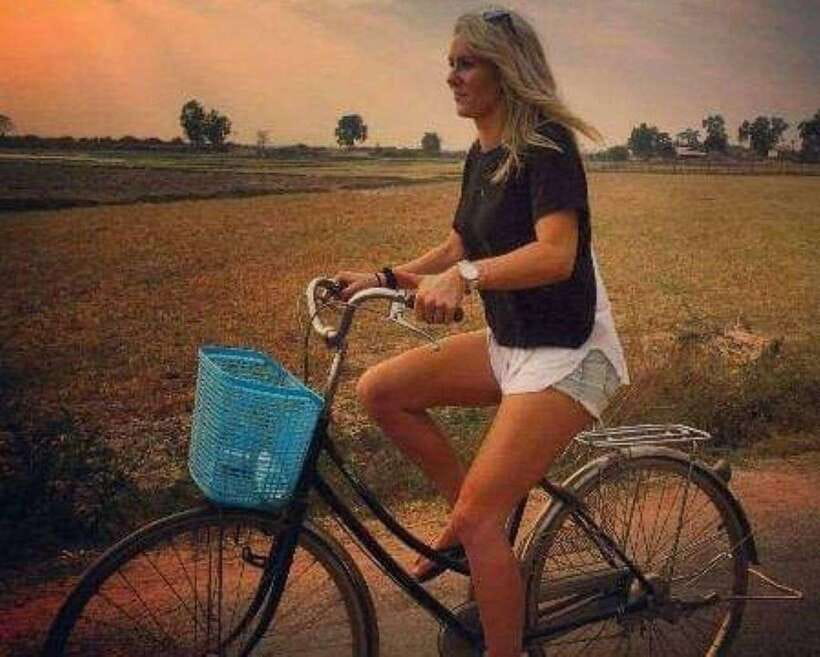
- Phnom Krom sunset focus with a photo moment plus a proper sunset stop
- Temple start with a peaceful blessing, plus guided cultural context
- Rice-field and lotus-farm cycling through calm farmland south of Siem Reap
- Local snacks, desserts, and rice wine tastings at multiple stops
- Village-hill viewpoints for a less crowded look at countryside life
- Small groups with English guides such as Sayoeun, Mr Chai, Sokpee, and others
Chasing the light? More dawn and dusk runs
- Small Group Countryside Sunset Bike Tours★ 5.0 · 39 reviews
- Angkor Wat: Sunrise: Ta Prohm and Bayon Temple Tour★ 5.0 · 27 reviews
- SiemReap Sunset Dinner Riding an Ox-Cart at Rice Paddy Field★ 5.0 · 3 reviews
- Private Angkor Sunrise, Guide Breakfast and Tuktuk included★ 3.9 · 3 reviews
First rides: pickup in Krong Siem Reap, then a laid-back pace
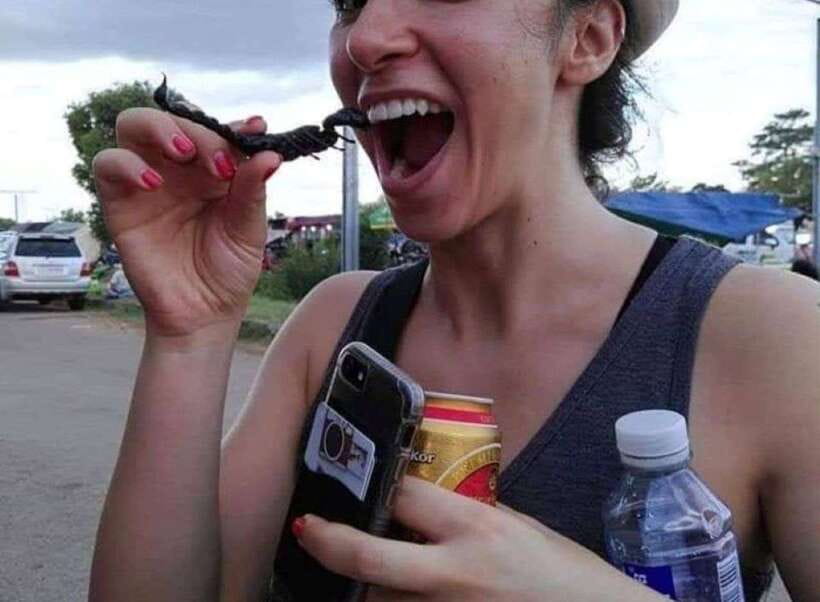
The day starts in Krong Siem Reap, with pickup handled through the guide and driver. If you choose pickup, you need to be at your hotel lobby about 15 minutes early. From there, you get a short sightseeing intro and the tour gets you into the rhythm, before you head out onto the quieter countryside lanes.
They provide bikes and safety helmets, and the guide takes a moment to explain how the cycling works for your group. In the first stretch, you will also get refreshment and you can use the rest room. That matters more than you might think, because once you are out among rice fields and village roads, you do not want to be hunting for facilities.
The pace is relaxed. You get built-in breaks, first around the middle of the tour, and again as you near the sunset portion. It also helps that the stops are frequent, so the “ride” does not become one long slog. Instead, you roll into farmland views, stop for photos, then eat or learn something, then ride again.
The Buddhist temple blessing that sets the tone
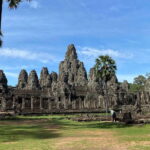
Before you are speeding past rice and lotus, you start with a Buddhist temple visit tied to Buddhist culture and a blessing for peacefulness. This is one of those moments that changes how you experience the rest of the day. After that blessing, the countryside stops feel less like sightseeing and more like a respectful peek at daily life.
You do not just walk around. You get guidance on what you are seeing, with a local lens that helps you understand the symbols and routines you might otherwise miss. In the group, guides like Mr Chai and Sayoeun are known for mixing clear explanations with a friendly sense of humor, so you are not stuck listening to a lecture.
There is also a practical upside. A temple start gives you a gentle wake-up for the senses. You see how people live and pray nearby, then you roll outward into farming roads with a better sense of why these places matter to local communities.
If you plan to take photos, keep your camera ready but be respectful with timing and body language. Temple visits are the one point where you may want to slow down and watch how locals move.
Phnom Krom and the quiet build-up to sunset
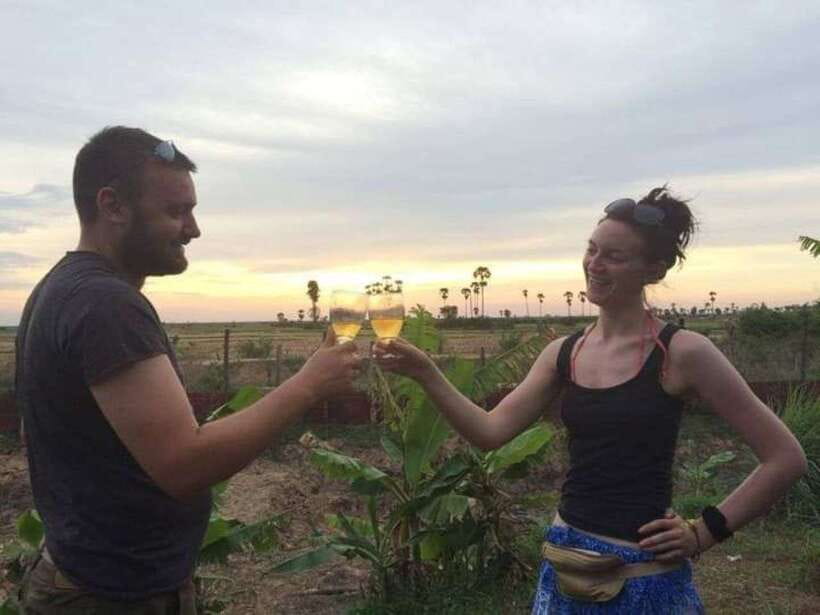
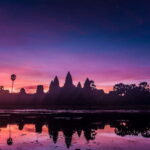
The big “where we are going” moment centers on Phnom Krom. This is where the day shifts from daytime village scenes to a classic Cambodia sunset viewpoint, with photo stops along the way.
You spend a substantial chunk of time around this area, and it is not just a single photo and leave. You get time for a guided look around, a street-food moment, then you settle into the cycling and sunset rhythm. The tour flow is designed so you are not rushing. You arrive with enough time to look around, snack, and then gradually land on the best time of day for views.
The sunset stop is a highlight for a reason. From a hill viewpoint, the countryside often looks softer, wider, and calmer. After hours of cycling through rice fields and village edges, the sunset feels earned.
Practical tip: wear something light you can layer, because hilltop air can feel cooler later. Bring your phone or camera strap so you are not juggling gear while you switch between photos and eating.
Rice fields and lotus farms: where the countryside actually shows up
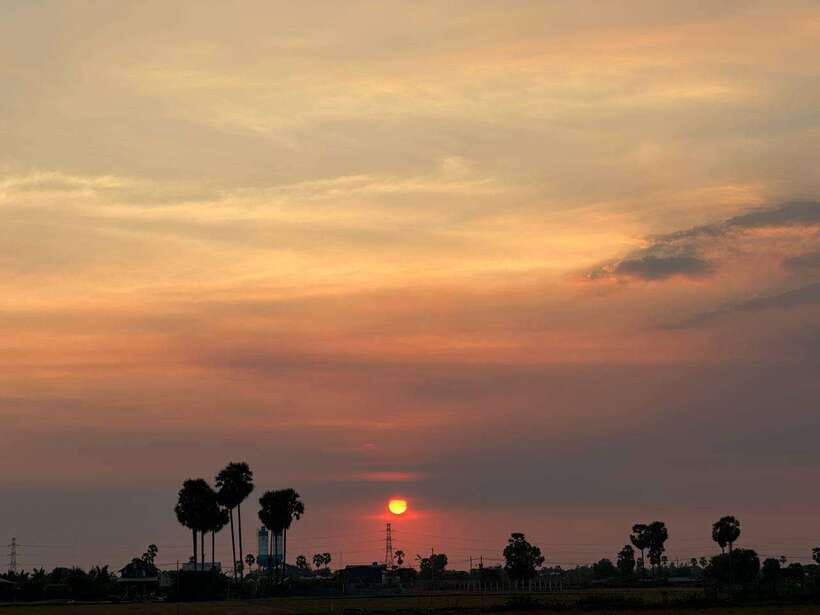
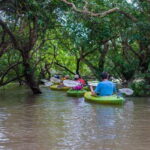
This is the part you came for: the countryside. The route is built around cycling through rice fields and visiting a lotus farm, plus time to see village life from different angles, including a hill view of the village.
What I like most about farmland cycling in this area is that you are not just looking at pretty fields. You are moving at a human pace next to the people who work the land. That makes the scenery feel real, not staged.
The guides also connect what you see to how daily life works. If your guide is Sayoeun or another long-time local, you can expect stories about local farming, what people grow, and how plants like lotus fit into everyday routines. One thing that shows up in several guided experiences is a “small detail” style of teaching, like explaining how local products tie to bigger traditions. It turns farmland into a classroom you can pedal through.
You should also expect plenty of roadside moments. You might pause near small local traders, see farming practices at work, and get opportunities to ask questions while you are still within easy walking distance of the road.
If you are a cyclist who likes smooth routes, you might have a small reality check. These are mostly village roads and dirt tracks, so it is not the kind of ride where you can zone out the entire time.
Food stops that feel like part of the day, not a vending-machine schedule
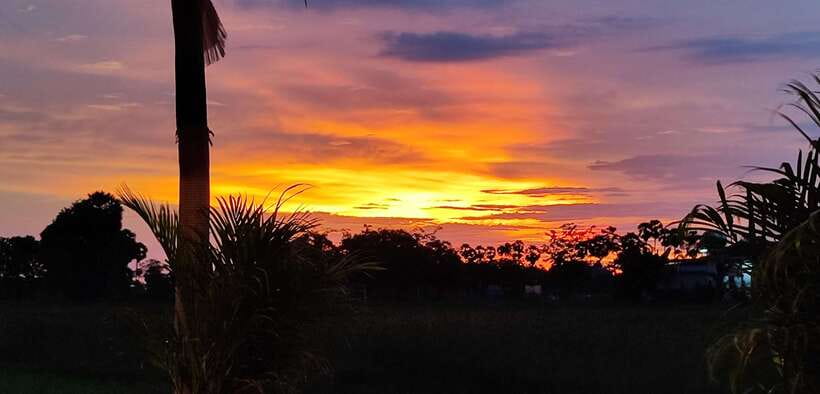
Food is woven through the tour, and that is a huge part of the value. You get tasting of local snacks and desserts, plus rice wine as part of the food-and-drink moments. There are also refreshment stops so you are not just biking and waiting.
One of the smartest choices this tour makes is timing. You do not only eat after the hardest part. You snack during the day as you break up cycling, so hunger does not hit at the worst moment and you stay energized.
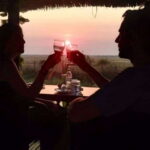
At the sunset portion, there is also a picnic-style feel: you get a spot for sunset, then you enjoy more snacks and drinks. A later stop often includes beer along with local snacks, which pairs nicely with the end-of-day vibe.
Important note on the rules: alcohol and drugs are not allowed to be brought or used during the tour. That said, the tour itself includes beer and rice wine during designated tasting moments. So you do not need to worry about bringing your own alcohol. You do need to focus on enjoying what is served and stay within the group guidance.
My practical advice for the food: eat slowly and start with small bites if you have a sensitive stomach. You will see what people around you are eating, and you can ask your guide what is best. Also, if you bring cash, use it wisely for any optional extras that are not part of the included tastings.
Local village encounters, crafts, and the surprising recycle factory stop
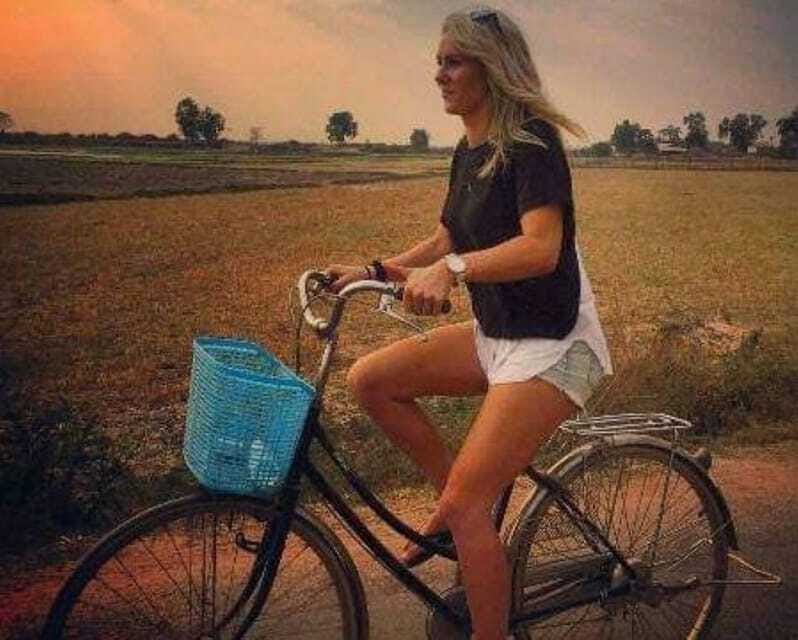
The tour is not only rice fields and views. It also builds in chances to see how people live beyond the tourist lanes, including up-close village moments and a cultural mix of stops.
A standout example is a stop at a local recycle factory. That might not sound like a “sunset bike” activity, but it helps you understand how communities handle waste and resources in daily life. In a region where sustainability is often practical rather than labeled, this kind of stop adds context fast.
You may also find craft-related moments, depending on your exact route and guide. Some experiences include explanations connected to local materials, such as how lotus flowers can be part of product traditions, and visits to areas where daily work happens. The consistent thread is that you are not just looking. You are learning what skills and routines keep rural life running.
You should also expect a lot of friendly street-level interaction. In past group experiences with guides like Sokpee and Prin, the atmosphere often becomes warm and social, with locals greeting the bike group as you pass. Kids waving from the roadside is part of the emotional payoff here.
What to bring, what to expect from the bike, and how to stay comfortable
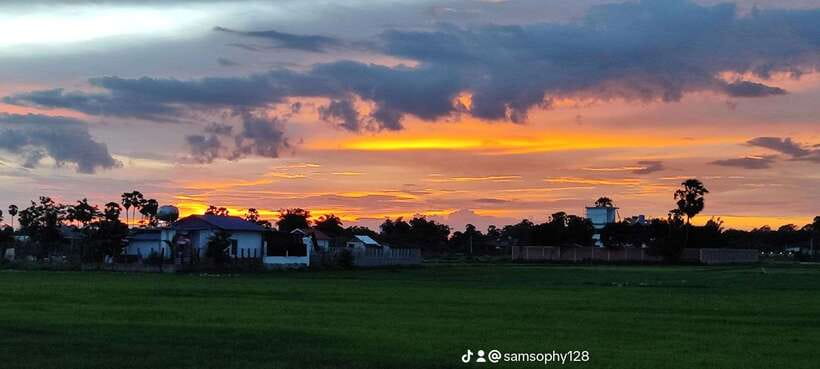
You only need a couple essentials, but they matter: bring a camera and some cash. Cash is useful because not everything is always included as a product, and having it makes you feel less stuck.
Comfort and safety are handled with helmets and bike setup, and guides take time to adjust bikes so you feel comfortable. If you are unsure about your ability to ride long stretches, you can also plan to ask about alternatives. One guest shared that the team offered a tuktuk option instead of riding when they did not feel confident. I cannot promise this is always available, but it is worth bringing up early so the team can plan.
Also, plan for insects. The tour notes that insect repellent spray may be useful. Bring your own if you have it, especially for early evening around farmland.
Finally, dress for movement. You will be in the sun during the cycling parts and then transitioning to cooler hilltop air near sunset. Light layers work best, and shoes with grip will help if the dirt roads get a bit uneven.
Price and time: is $16 for 5 hours actually good value?
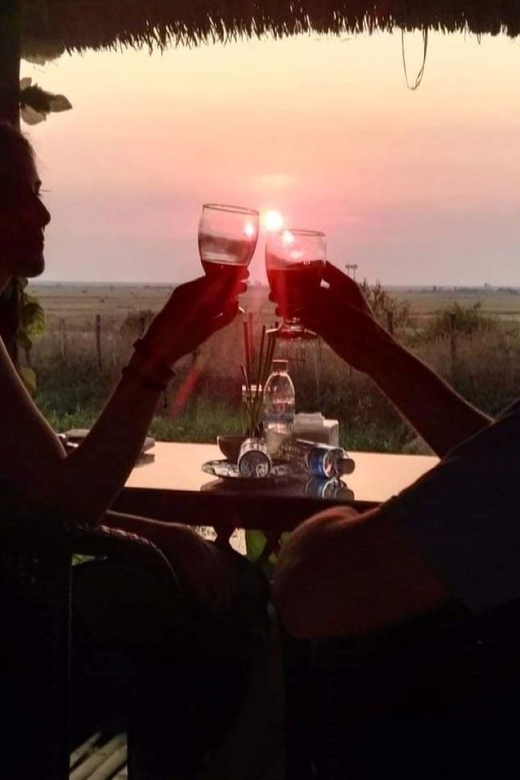
$16 for 5 hours is a strong deal in Siem Reap, especially because the price includes more than just a “bike and goodbye” situation. You get pickup and drop-off, bike and helmet, drink and snacks, a local guide, and a spot for the sunset.
Where this tour feels especially good is the mix. You get cultural structure (temple blessing), active time (cycling), and food-and-view payoff (snacks, desserts, rice wine, picnic-style sunset, and often beer with local snacks). In other words, you are paying for a full arc of the day, not a single highlight.
The main “cost” to you is energy and attention. Dirt roads mean you cannot be on autopilot. And temple stops mean you should keep your behavior respectful. But if you are comfortable with a small amount of effort, the payoff is big.
This tour is a great fit if you want:
- Rural scenes without a car-and-driver bubble
- A guided intro to Khmer countryside culture
- A sunset viewpoint paired with actual cycling and local food
- A relaxed small-group feel rather than a crowd
It is less suitable if you want an easy pavement cruise, or if your age range puts you outside their guidance.
Should you book Countryside Sunset Bike Tours?
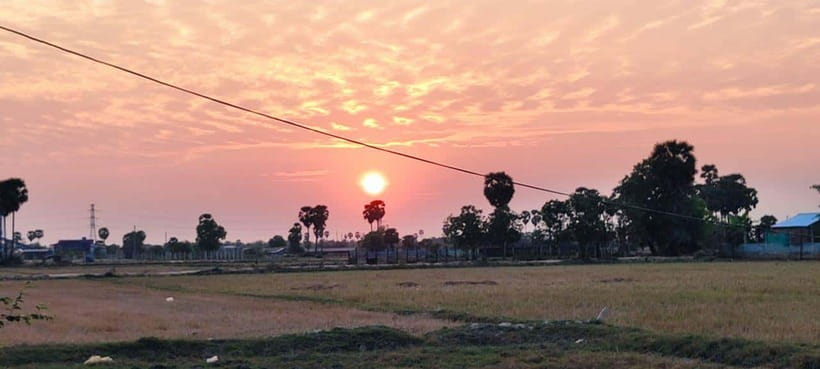
I think you should book this tour if you want your Siem Reap day to feel grounded in rural life. The temple blessing gives it meaning, and the rice fields and lotus farm cycling are the kind of visuals you just do not get from the typical temple-only plan. Add the food tastings, and you have a complete afternoon arc that ends with a real sunset moment at Phnom Krom.
You might skip it if you are not up for dirt-road riding, or if your schedule is so tight that you cannot enjoy breaks and multiple stops. And if you know you are sensitive to bugs or sun, prep with repellent and light layers.
If you want an easy decision rule: if you like local food, farmland scenery, and you are curious about how rural Khmer life connects to daily culture, this is one of the best ways to spend a half day south of the city.
FAQ
How long is the Small Group Countryside Sunset Bike Tour?
The tour lasts 5 hours.
Where does the tour start and end?
It starts and ends in Krong Siem Reap.
Is bike and safety gear included?
Yes. The tour includes a bike and safety helmets.
What is included in the price?
The included items are pickup and drop off, bike and safety helmets, drink and snacks, a spot for the sunset, and a local tour guide.
Is the guide available in English?
Yes. The tour is guided by a live English-speaking guide.
Is it a small group tour?
Yes. It is listed as small group available.
Who is the tour not suitable for?
It is not suitable for children under 12 and people over 70.
What should I bring?
Bring a camera and cash.
Is free cancellation available?
Yes. There is free cancellation up to 24 hours in advance for a full refund.
Is alcohol allowed during the tour?
Alcohol is marked as not allowed, along with drugs. Beer and rice wine are listed as part of the tastings during the tour.
Dawn and Dusk Over Angkor
- Angkor Wat: Sunrise: Ta Prohm and Bayon Temple Tour
★ 5.0 · 27 reviews - SiemReap Sunset Dinner Riding an Ox-Cart at Rice Paddy Field
★ 5.0 · 3 reviews - Siem Reap: Angkor Sunrise Private Tour – World Heritage Site
★ 5.0 · 3 reviews - Private Angkor Sunrise, Guide Breakfast and Tuktuk included
★ 3.9 · 3 reviews
Just Added: Fresh Cambodia Tour Reviews
Angkor Sunrise & Sunset Tours, compared.
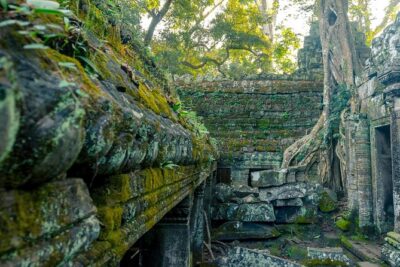 ★ 5.0Angkor Wat Sunrise or Sunset Tour with Guide from Siem ReapFrom $1812,109 reviews
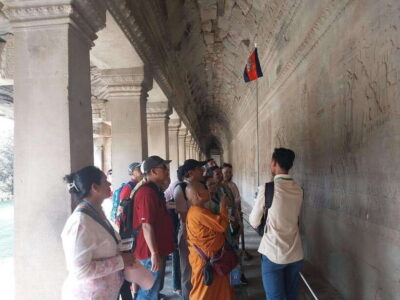 ★ 5.0Angkor Wat: Small-Group Sunrise or Sunset TourFrom $159,444 reviews
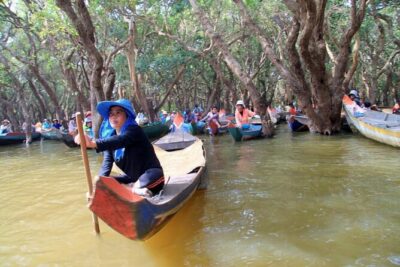 ★ 5.0Sunset tour of Kampong Phluk stilts home village on the Tonle SapFrom $214,865 reviews
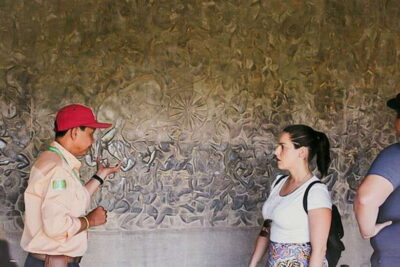 ★ 4.9Angkor Wat 2-Day Tour with Sunrise and SunsetFrom $344,429 reviews
 ★ 4.9Full-Day Angkor Wat Guided Tour with SunsetFrom $153,803 reviews
 ★ 5.0Angkor Wat Sunrise tour with Small – Group and Guide toursFrom $143,655 reviews
 ★ 5.0Angkor Wat Highlights and Sunrise Guided Tour from Siem ReapFrom $233,213 reviews
 ★ 5.0Angkor Wat Sunset Small Group Tour with Lunch IncludedFrom $203,059 reviews
Browse the lists this tour appears in