
Reviewed · FLOATING VILLAGES & TONLE SAP TOURS
Siem Reap: Tonle Sap Lake – Fishing Village & Flooded Forest
Tonle Sap feels like a living calendar. It’s a short 4-hour trip that takes you from Siem Reap countryside into the rhythms of one of the world’s most productive freshwater lakes. I really like how the tour mixes boat time with real village work, not just photo stops. The main thing to plan for is water level, because low water can limit access to parts of the flooded forest.
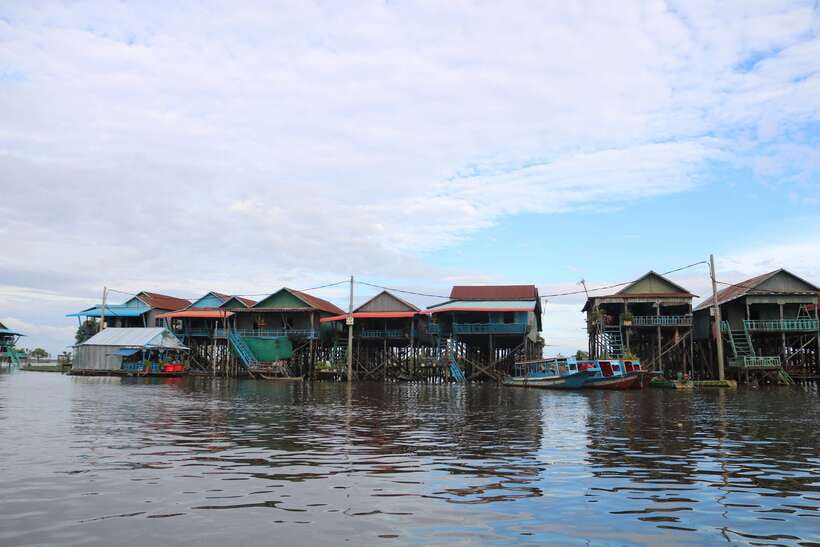
What I love most is the slow, practical look at life around Kampong Phluk, including the stilt houses and day-to-day fishing and aquaculture. I also like the back-road pace, with stops that connect the lake to food you can actually buy and see being made, from rural market produce to fish paste (prohoc) and smoking fish.
One possible drawback is that timing matters. If you go when the lake is lower, you may get more “view from outside” than “walk through the flooded world,” and the flooded-forest vibe can be quieter than you expect.
Key highlights you should care about
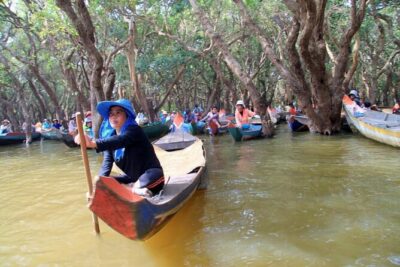
- Kampong Phluk boat cruise through forest canals: Expect a slow ride where you can spot flora and fauna along the waterways.
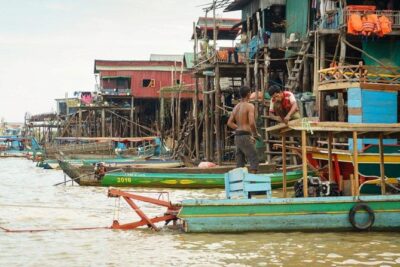
- Stilt houses and floating fishing village life: You’ll see homes built for changing water levels, not just a single set scene.
- UNESCO biosphere reserve ecosystem: Tonle Sap’s wet and dry cycle drives fish spawning, birds, and livelihoods.
- Seasonal farming and aquaculture backroads: Watch activities tied to the water cycle, like rice work, duck farming, and fish processing.
- Rural market food stops: You can pick up Khmer snacks and see local vegetables and foods that are less “tourist menu.”
- Guides who explain the system clearly: Guides such as Sargon Pal and Chhay are known for making the ecology and daily life make sense.
Back out on the lake, more stilted villages
- From Siem Reap: Kampong Phluk Floating Village Tour by Boat★ 4.9 · 6,979 reviews
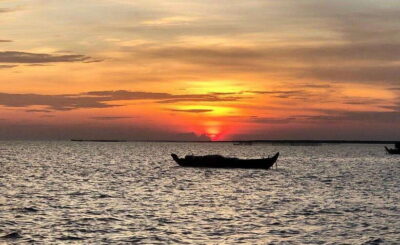
- Sunset tour of Kampong Phluk stilts home village on the Tonle Sap★ 5.0 · 4,865 reviews
- Kompong Phluk Floating Village Half-Day Tour ( Morning / Sunset )★ 5.0 · 1,494 reviews
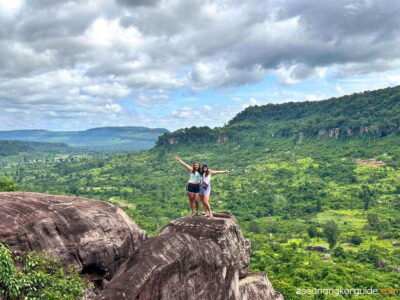
- Siem Reap: Kulen Mountain, Beng Mealea and Tonle Sap Tour★ 5.0 · 1,483 reviews
Tonle Sap’s seasonal pulse, in plain terms
Tonle Sap is the kind of place where nature sets the rules, and people learn to live inside those rules. In the wet season the lake balloons to about 12,000 km². In the dry half of the year it shrinks to around 2,500 km², draining toward the Tonle Sap River.
That shrinking is not just a geography fact. It’s the reason you see people working in waterlogged forests, why fish spawn in the flooded areas, and why water birds show up in big numbers. The ecosystem was classified as a UNESCO biosphere reserve in 1997, which is a formal way of saying this place matters, not just because it’s pretty.
If you’ve never thought about a lake as a calendar before, this is your entry point. You’ll start seeing the logic behind things like stilts, floating structures, fish processing, and aquaculture schedules.
Price and logistics: what $45 gets you in real value
This half-day $45 per person tour is built around transport, a local English-speaking guide, and the boat cruise you actually came for. You get hotel pickup and drop off in Siem Reap city plus an air-con vehicle for the drive, and the tour includes mineral water and a cool towel.
Entrance fees are listed as free, so you are mostly paying for the guided experience, the boat time, and the countryside legs in between. For a 4-hour outing, that’s usually a fair deal in a city where most day trips either feel too rushed or too vague.
A small note: it is not suitable for wheelchair users. Also, some parts of the overall water area may involve different boat types, and a rowboat at the mangrove forest is not included, so you may want to ask your guide what you’ll do on the day.
The countryside drive and the market-village mindset
After pickup in Krong Siem Reap, you’ll ride out toward Tonle Sap. The schedule includes about 40 minutes by van, then a shorter stop that mixes a guided look, sightseeing, and a walk for around 25 minutes.
This part matters because it sets expectations. You’re not just going to a postcard village. You’re moving through the countryside where the lake’s cycle shows up in day-to-day routines, from food to farming. On the tour, you also stop at a local village where you can pick up Khmer snacks and explore.
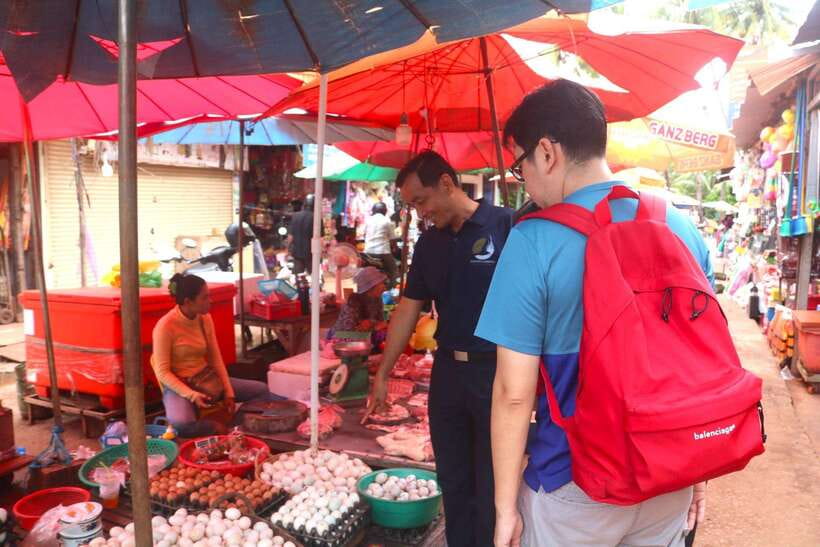
You’ll also get a taste of how rural markets differ from the Siem Reap center. The focus is on interesting local foods and vegetables, the kind of produce you’re less likely to see if your whole trip is built on restaurant menus.
If you care about food, don’t treat these snack stops as filler. They connect the lake economy to what people eat and sell when tourists aren’t the target.
Kampong Phluk by boat: stilt houses and real water life
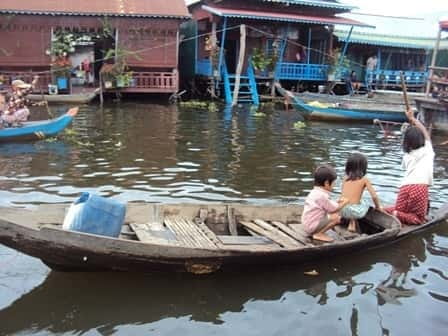
This is the heart of the trip. Kampong Phluk is described as a collection of three small fishing villages set in a flooded forest environment. The tour time you’ll spend here is about 2.5 hours, including a guided visit with a boat cruise and time for sightseeing and walking where conditions allow.
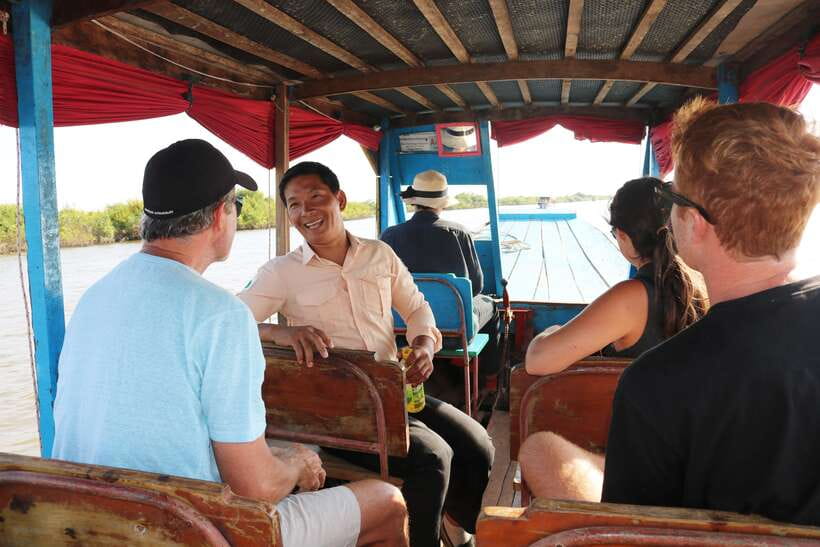
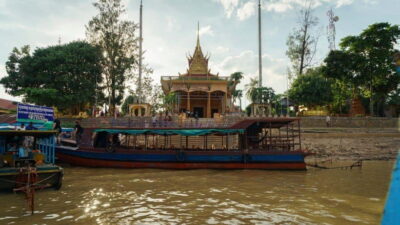
What makes this special is the way you move through canals instead of just driving up to viewpoints. Your boat meanders slowly, so you can take in the setting: houses on stilts, working areas near the water, and the look of daily labor tied directly to the lake.
The boat time is also your chance to slow down. This isn’t a speed-through, snap-and-go style outing. The pacing helps you notice practical details like how communities manage space on changing water, and how daily work looks from a water-level viewpoint.
If you’re a first-time visitor to Tonle Sap, I’d watch for how the housing and access routes tell the story of seasons. Stilts are not just an aesthetic. They are a survival strategy.
Worth a side-by-side look before you book this Siem Reap tour:
Flooded forest ecology: what you’ll see, and what water level can change
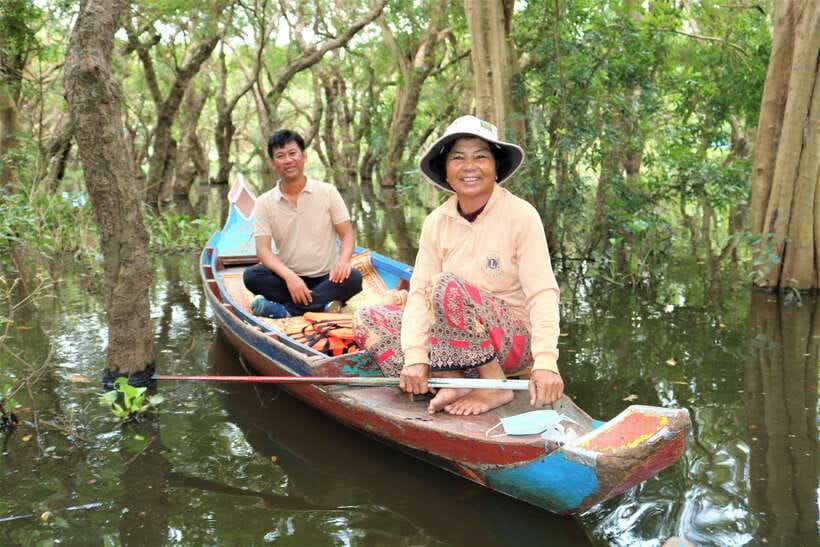
The tour frames Tonle Sap as one of the world’s most productive freshwater lakes, and that productivity shows up through fish spawning and water-bird activity during the annual flood cycle. You’re not going to measure species counts, but you will get the big picture from how the ecosystem functions.
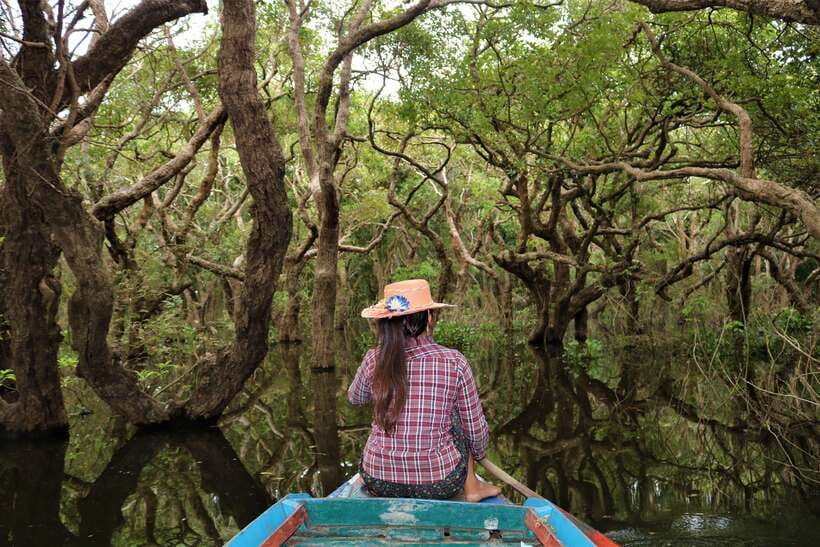
During the wet season, millions of fish come to spawn in the seasonally flooded forest around the lake. Those flooded areas become breeding and feeding zones, and the entire system attracts birds and people. That’s the logic behind living in a landscape that changes shape every year.
Now the real-world complication: water level changes what you can access. One of the key considerations with this tour is whether you can reach the areas that are fully accessible in higher water. In lower water periods, you might see more of the village environment from the outside and find that the flooded-forest experience is less dramatic than in peak season.
This is why a good guide matters. When you get an explanation that matches what’s visible on the day, it feels like you’re still learning even if conditions aren’t ideal. Guides like Sargon Pal are noted for explaining interesting details, and Chhay is praised for bringing the daily lives of local people into focus, including the challenges of survival and the way community support helps.
Practical advice: dress for water and wind, even if the day looks calm. You’ll be on a boat, and the air can feel cooler near open water.
Back roads to town: rice, fish paste, ducks, and the lake economy
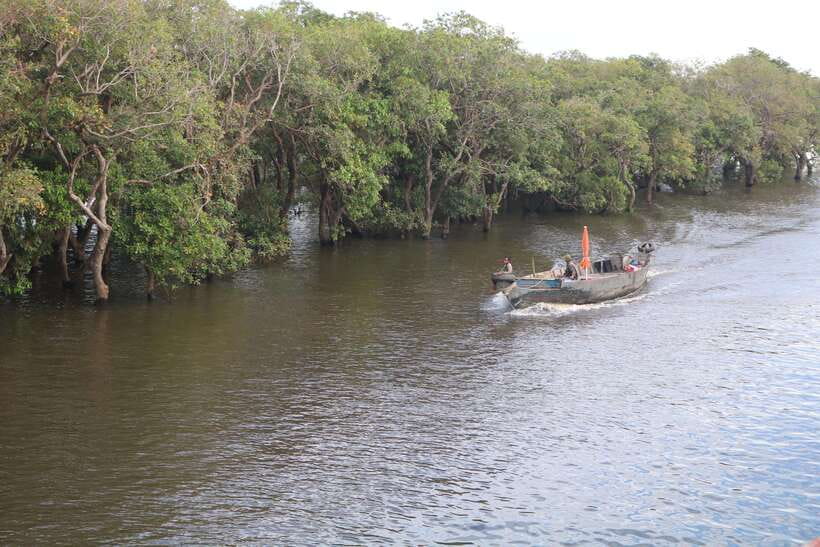
After Kampong Phluk, the itinerary shifts from village-water life to land-based seasonal work. The tour includes the ride back via back roads, with chances to witness agriculture and aquaculture activities that match the time of year.
These include (at least as part of what you may be able to see): cricket catching, rice planting and harvesting, smoking fish, fish paste (prohoc) making, and duck farming.
Even if you don’t catch every activity perfectly, the concept is the point. The lake isn’t just a scenic stop. It’s the supply chain. Fish processing and aquaculture tie to the water cycle, and rice work ties to timing and seasonal flooding patterns.
This section can feel like a “how people live” lesson, and it’s one of the reasons the tour tends to score well. It’s not only about what sits on stilts. It’s about what happens before and after the water rises.
If you like markets, pay extra attention here. The tour also stops at places where you can see local vegetables and foods. You may even notice how ingredients and processing methods connect to what you saw on the water.
Buddhist monastery stop, and when it tends to fit
The tour includes a Buddhist monastery visit before heading home. The suggested visit period is between the end of July and early March.
That timing matters because monastery access and scheduling can vary with season and local conditions. If your travel dates fall outside that window, don’t assume the monastery stop will feel the same as it does during the recommended period. The tour includes it as a planned component, but the best experience of timing depends on what’s happening locally.
In any case, this is a calmer final note after the water. It gives you a change of pace and a chance to see how religion and community life fit next to daily lake labor.
Who this tour suits best, and who should think twice
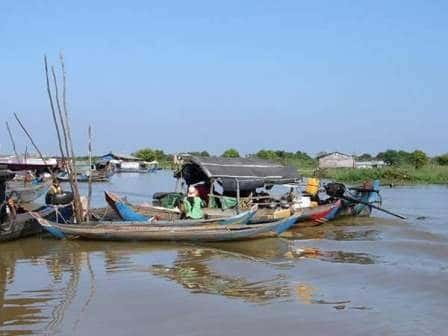
This is a strong pick if you want a short, meaningful Siem Reap outing that connects nature and livelihoods. It’s also great for people who love learning from a guide, especially when the explanation makes the seasonal system click.
You’ll likely enjoy it if you are:
- Curious about how communities adapt to water level changes
- Interested in aquaculture and small-scale food processing
- Happy to spend real time on a boat, not just take photos from land
You might want to think twice if:
- You have mobility limits, because it involves walking and boat movement
- You expect full access to flooded forest paths every time, regardless of season, because low water can limit what’s reachable
- You prefer a very structured museum-style experience, since this is more observational and practical than classroom-like
Also, the tour says a wheelchair is not suitable, so if accessibility is a factor, you’ll want an alternative plan.
Should you book this Tonle Sap: Fishing Villages and Flooded Forest tour?
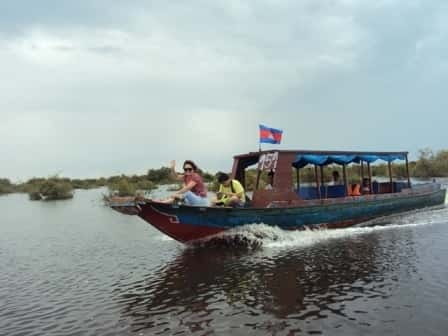
Yes, you should book it if you want a half-day that actually explains what you’re seeing. The boat cruise at Kampong Phluk is the anchor, and the rest of the itinerary adds context so it doesn’t feel like a single photo stop.
I’d especially book it if you value daily life over showy attractions. A good guide, like Chhay or Sargon Pal when available, can turn the tour into a clear picture of how people survive and adapt, not just a parade of scenes.
Book with one expectation set: water level matters. If you go during a low-water period, you may miss parts of the flooded forest experience that show up more clearly at higher levels. That’s not a reason to cancel, but it is a reason to show up flexible and curious.
If you’re traveling in the recommended monastery window near the end of July through early March, you also add a seasonal bonus that can make the end of the tour feel more connected.
FAQ
How long is the Tonle Sap Lake fishing village and flooded forest tour?
The tour duration is 4 hours.
Is pickup and drop-off included?
Yes. Hotel pickup and drop-off are included for hotels in Siem Reap city.
Do I get an English-speaking guide?
Yes. The tour includes a local English-speaking guide.
What boat parts are included, and what is not included?
The tour includes a boat cruise. A rowboat at the mangrove forest is not included.
Can I choose a morning or afternoon departure?
Yes. The tour offers a choice of morning or afternoon departure.
Is this tour wheelchair accessible?
No. It is not suitable for wheelchair users.
More Fishing in Siem Reap
- Tonle Sap Lake – Fishing Village & Flooded Forest
★ 5.0 · 34 reviews - Siem Reap: Fishing in the rice fields, in the villages of Siem Reap
★ 5.0 · 4 reviews - Half Day Kampong Pluk Fishing Village with Sunset Private Tour
★ 5.0 · 3 reviews
More Tour Reviews in Siem Reap
- Angkor Wat Sunrise or Sunset Tour with Guide from Siem Reap
★ 5.0 · 12,109 reviews - Siem Reap: Angkor Wat: Small-Group Sunrise or Sunset Tour
★ 5.0 · 9,444 reviews - From Siem Reap: Kampong Phluk Floating Village Tour by Boat
★ 4.9 · 6,979 reviews - Sunset tour of Kampong Phluk stilts home village on the Tonle Sap
★ 5.0 · 4,865 reviews - Siem Reap: Angkor Wat 2-Day Tour with Sunrise and Sunset
★ 4.9 · 4,429 reviews
Out on Tonle Sap
- From Siem Reap: Kampong Phluk Floating Village Tour by Boat
★ 4.9 · 6,979 reviews - Sunset tour of Kampong Phluk stilts home village on the Tonle Sap
★ 5.0 · 4,865 reviews - Kompong Phluk Floating Village Half-Day Tour ( Morning / Sunset )
★ 5.0 · 1,494 reviews - Siem Reap: Kulen Mountain, Beng Mealea and Tonle Sap Tour
★ 5.0 · 1,483 reviews - Tonle Sap Lake & Kampong Phluk Village Half-Day Tour
★ 5.0 · 1,045 reviews
Just Added: Fresh Siem Reap Tour Reviews
Floating Villages & Tonle Sap Tours, compared.
 ★ 4.9From Siem Reap: Kampong Phluk Floating Village Tour by BoatFrom $206,979 reviews
 ★ 5.0Sunset tour of Kampong Phluk stilts home village on the Tonle SapFrom $214,865 reviews
 ★ 4.9Kampong Phluk Floating Village Tour with BoatFrom $193,843 reviews
 ★ 5.0Siem Reap Floating Village Kampong Phluk Sunset with BoatFrom $181,962 reviews
 ★ 5.0Kompong Phluk Floating Village Half-Day Tour ( Morning / Sunset )From $241,494 reviews
 ★ 5.0Kulen Mountain, Beng Mealea and Tonle Sap TourFrom $481,483 reviews
 ★ 5.0Tonle Sap Lake & Kampong Phluk Village Half-Day TourFrom $491,045 reviews
 ★ 5.0Kampong Phluk Floating Village Tour by BoatFrom $201,020 reviews
Browse the lists this tour appears in