Reviewed · SIEM REAP
Siem Reap: Fishing in the rice fields, in the villages of Siem Reap
Rice fields, frogs, and a real Khmer fishing rhythm. This 10.5-hour Siem Reap day mixes village life with hands-on topwater fishing for snakehead fish. It is also a refreshing break from the main Angkor circuit, because you spend the day moving through rural communities and learning local methods.
I like two things a lot. First, you get proper access to village routines, starting with a market stop and then spending hours fishing alongside people who live off these fields. Second, the fishing itself is active and skill-based, not just watching, with a focused setup, a snack break, and the moment a snakehead bites at the surface.
One consideration: this is early and outdoors. You will ride out around 20 to 30 km by motorcycle or scooter, you might encounter snakes or other dangerous wild creatures, and you should plan for clothes that can get dirty.
Key highlights worth your time
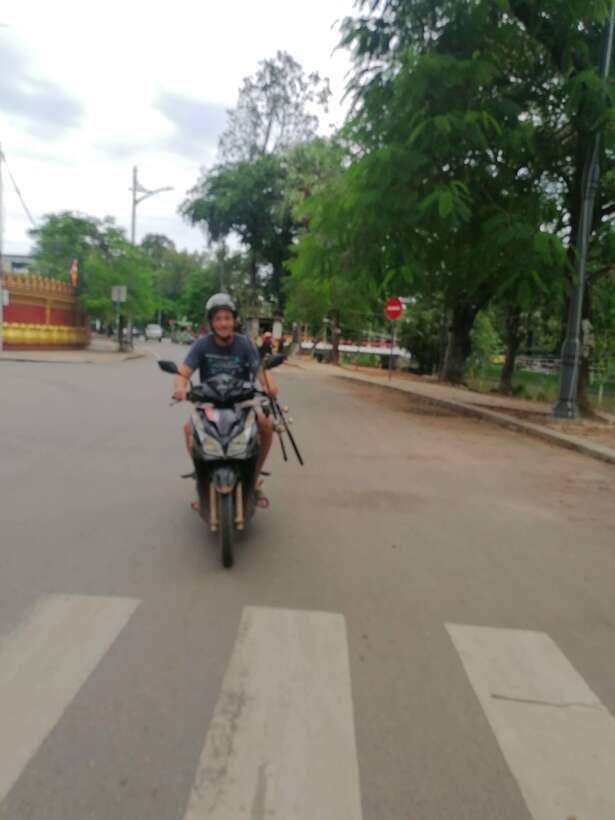
- Small private group of up to 4, so you get more attention and less waiting.
- Rural village market stop, for a quick window into everyday Khmer life.
- Topwater fishing with frogs as bait, plus practical rules and tackle basics.
- Snakehead fishing at the surface, the part that feels pure and unpredictable.
- Lunch in a nearby village and time to fish again based on fish stock.
- Optional on-the-spot cooking of your catch, very local in spirit.
Worth a side-by-side look before you book this Siem Reap tour:
- Tonle Sap Lake – Fishing Village & Flooded Forest★ 5.0 · 34 reviews
- Siem Reap: Tonle Sap Lake – Fishing Village & Flooded Forest★ 4.5 · 17 reviews
- Half Day Kampong Pluk Fishing Village with Sunset Private Tour★ 5.0 · 3 reviews
Getting to the rice fields: early start, real countryside, small-group pace
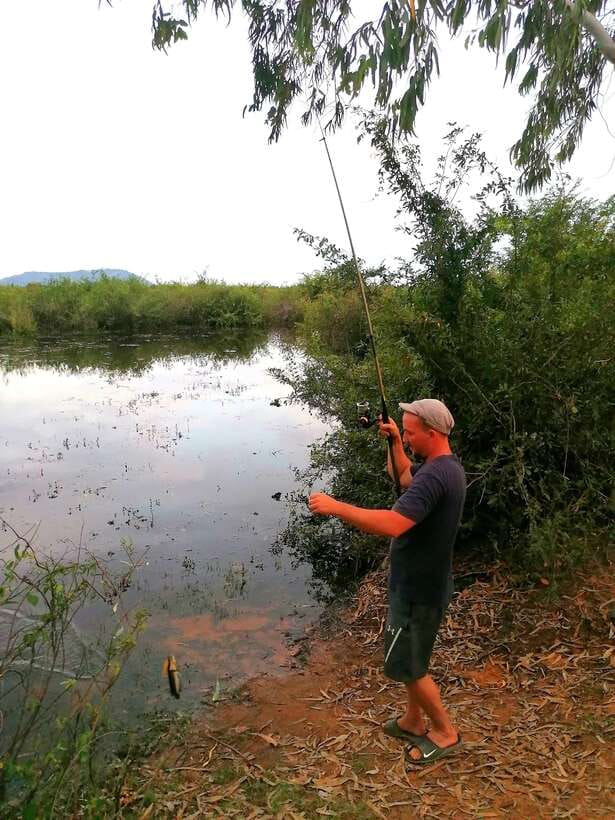
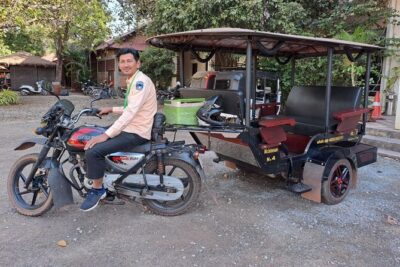
Your day begins at 7:00 a.m. You meet for pickup and then head out toward nearby villages, roughly 20 to 30 km from Siem Reap. The ride is by motorcycle or scooter, so it is best if you are comfortable with bumpy roads and the morning chill, plus a bit of sun later.
This is also a small-group private experience, limited to 4 people. That matters because it keeps the day feeling like one shared outing rather than a rushed bus tour. You also get more time for questions when you reach the fishing spots and when you are introduced to the basics.
You will stop at local markets along the way. Even if the time there is short, it sets the tone fast: you are not just visiting the countryside as scenery, you are moving through it as part of a working landscape.
Market stop in Khmer life: quick context before you fish
The market stop is where you get your first real grounding. You see how people buy and sell daily necessities, and you get a feel for the pace of rural Cambodia before you step into the rice fields.
I like that this is not a staged cultural performance. It is practical context, the kind that helps the rest of the day make sense, from why fish are a local food source to why timing and water levels change what you can do.
If you get bothered by crowds, markets can still be busy, but this trip is designed for a small group. You should still be ready to move with the flow and keep your expectations simple: you are there to observe, not to tick off a checklist.
The fishing setup: tackle basics and topwater rules with frog bait
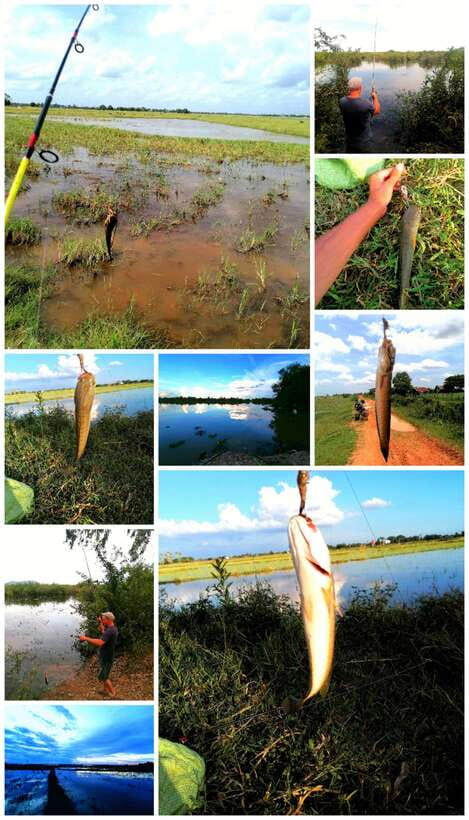
Once you reach one of the fishing areas in the rice fields, the day turns into skill practice. Because water levels shift, the exact spots can vary. That is not a problem, it is part of how locals fish, adapting to what the fields offer right now.
You receive an introduction to the fishing tackle and the basic rules for topwater fishing. The key detail here is the bait: you fish with frogs. That instantly changes the feel of fishing, because you are not just casting and hoping, you are controlling how the lure or bait behaves on the surface.
You also get a small snack before serious casting time. It sounds minor, but it helps. When you have been up early and you have been riding out through the morning, a quick boost makes the fishing feel steadier and more fun.
The moment of the bite: snakeheads, timing, and learning the feel
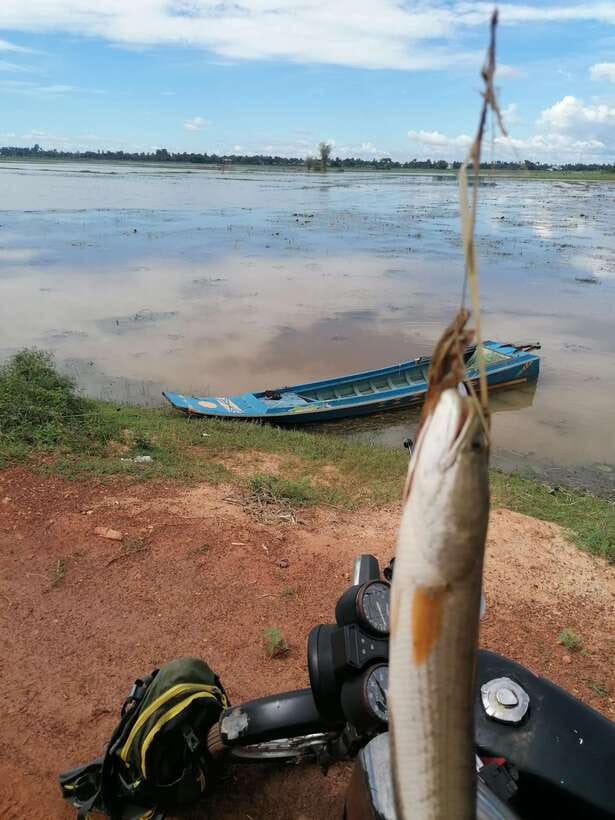
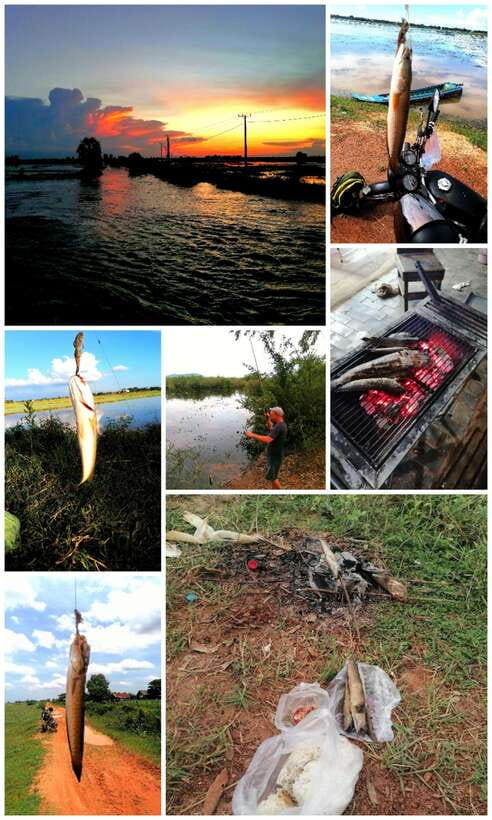
The part most people remember is the surface bite. Snakehead fish grab the bait on topwater, and when it happens you experience that fast, physical shock of a pull. Landing one can take attention and patience, because topwater fishing is all about timing and control.
The technique is described as something you must experience, and I agree with that logic. Even if you have fished before, topwater frog bait feels different. The fish are reacting in a specific way at the surface, so you learn by doing, not by theory.
Your guide will steer you through the rules, and you will also see how local fishermen work the area. In the fields, you may stand together with local fishers as you cast, and that shared working posture is where the day starts feeling authentic.


Fish handling and the local cooking option
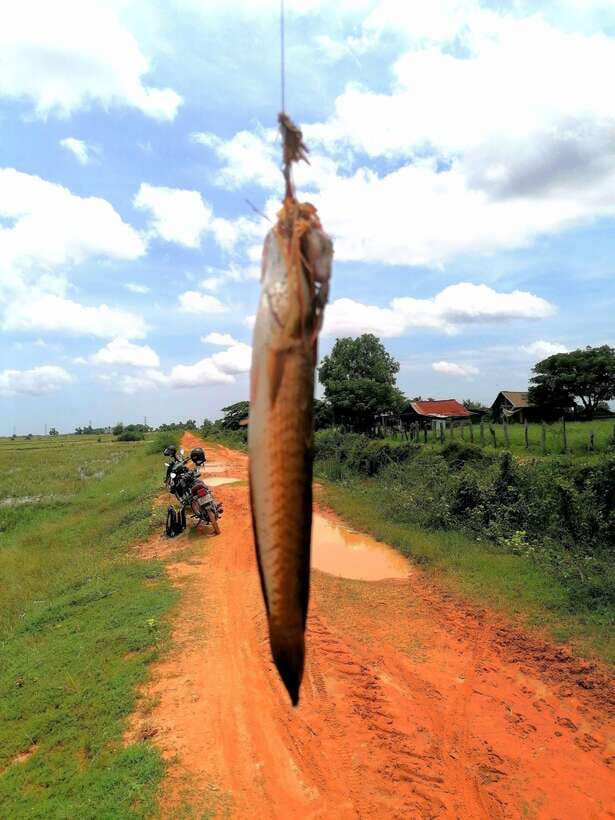
If you catch fish, you can have them prepared and eaten on the spot if required, just like locals who fish for hours. This is not a restaurant meal experience, it is more direct and practical.
I would treat this as a bonus, not a guarantee. The description makes it clear it can be prepared and eaten if you want it, and it depends on what you catch that day. Still, even knowing that option exists makes the whole day feel more grounded in real rural life, because fish are not just trophies.
If you do not want to eat the catch, you can still enjoy the experience for the fishing method itself. You are there for the process, the river and field logic, and the chance to try a local technique firsthand.
Lunch in a nearby village: refuel and reset between fishing sessions
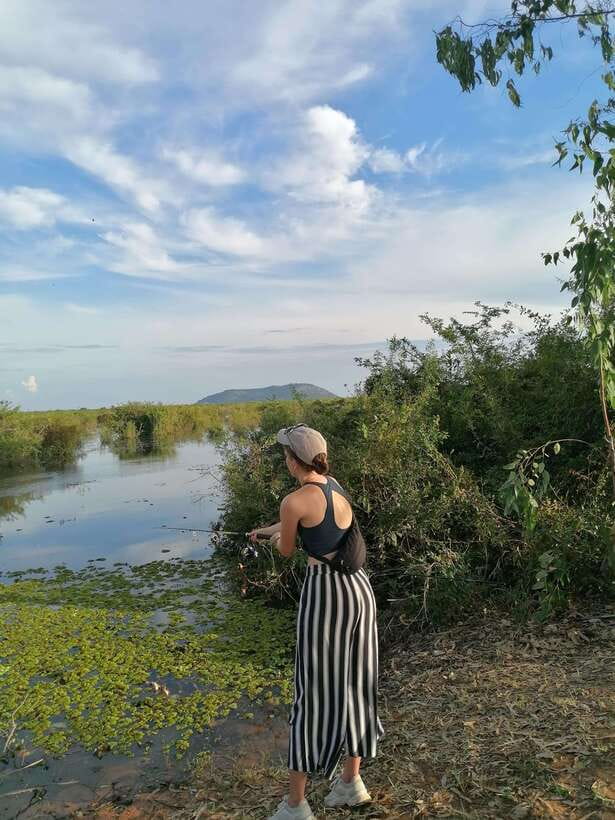
Around midday you will eat lunch in one of the surrounding villages. After hours of casting and moving through the fields, food is a reset button. The trip includes snacks, lunch, water, and one soft drink per person, so you are not constantly paying out of pocket or hunting for drinks.
What I like about lunch here is the timing. You are not stopping in the middle of a random drive. You are taking a real break between two fishing blocks, and you can feel the day’s rhythm.
If you are the type who gets restless between activities, this lunch stop helps. It gives you a chance to sit, talk with your guides, and think about what the next fishing spot might be based on fish stock.
Afternoon fishing: new spots based on fish stock and water conditions
After lunch, you head to another fishing area if necessary. The description notes that spots depend on water level and fish stock, so the plan is adaptive.
You will fish again for a few hours in the afternoon. That second session is part of the value of a full 10.5-hour outing. If the morning pace is slow, you get another shot. If you do well early, you still have time to keep practicing technique instead of ending the day right after your first cast.
This is also the time you will feel the “wild, pure nature” part more clearly. Rural Cambodia here is not staged. You are in working fields, with the sounds and sights that come with them.
Wildlife reality check: beautiful nature, but stay alert
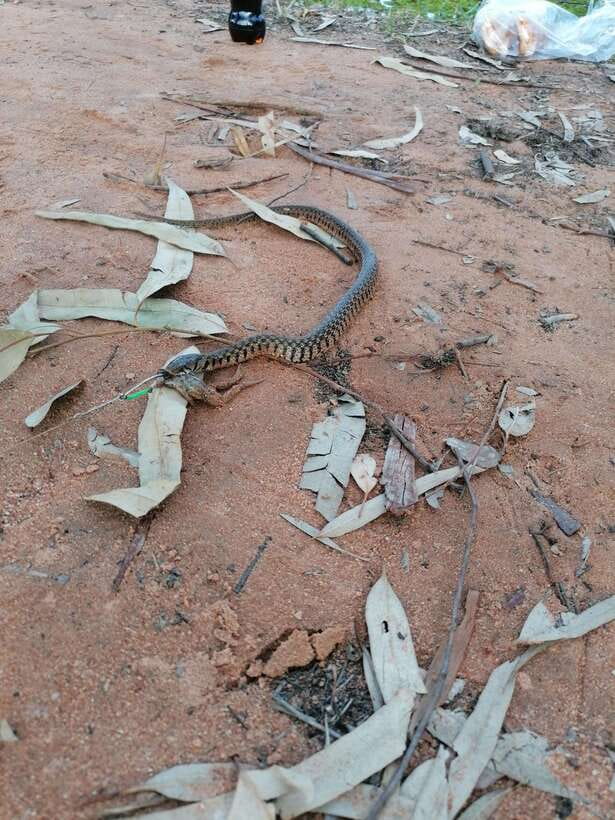
The tour notes that you might encounter snakes or other dangerous wild creatures. That matters, because it is honest. Rice fields can hold wildlife, and the right response is simple: stay attentive, follow your guide’s lead, and do not wander off.
I suggest you focus on comfort and footwear planning in your own way. The trip asks for clothes that can get dirty, which is a clue that you should dress for the real environment, not for photos.
If you are uncomfortable around wildlife, this is the one part that you should consider carefully. You do not need fear to enjoy the day, but you do need respect.
Transportation and timing: why the 10.5 hours feel full, not rushed
The whole experience runs about 10.5 hours and ends around 17:30. You return by drive back to the starting point in Siem Reap.
The day is built around movement plus two fishing blocks, with markets and lunch in between. That means you do not get long downtime. If you like slow travel with lots of waiting and lounging, you may find this packed. If you like active cultural experiences, it is a good fit.
Also pay attention to pickup timing. You need to be in the hotel lobby about 15 minutes before pickup so you do not miss the early departure.
What you get included for $68: real value when you price in time, gear, and meals
At $68 per person, the price can look either like a bargain or a splurge, depending on what you compare it to. Here is the practical way to think about value.
You are paying for a full morning to afternoon outing that includes:
- Transportation from and back to your hotel, plus getting you out to rural fishing areas
- Fishing equipment
- Water plus one soft drink per person
- Snacks and lunch
- A guide team providing tackle intro and topwater rules
That bundled structure matters in Siem Reap, where half-day tours can cost similar amounts without meals or with less hands-on instruction. Here, you get a small-group setup, you get gear, and you spend a long stretch actually fishing rather than just arriving and leaving.
I also like that the experience is private for up to 4 people. With fewer people, the guide can correct your technique and keep the day moving. That is part of why the fishing feels guided, not chaotic.
Who this tour suits best, and who should skip it
This experience is a strong match if you:
- Want something rural and hands-on, not just temple sightseeing
- Enjoy fishing enough to care about technique, especially topwater methods
- Are comfortable starting early and spending time outdoors
- Like meeting locals and learning by doing
It may be less ideal if you:
- Want a calm, low-activity day
- Dislike the idea of being in rice fields where wildlife can be present
- Need a strict, fixed itinerary with no adaptation to water levels
A quick packing list that actually helps
The tour provides equipment and handles food and drinks. You still need to bring the personal stuff that keeps you comfortable and safe.
Bring:
- Sun hat
- Head covering or kippah
- Sunscreen
- Clothes that can get dirty
That last item is not optional. This is a field day. You will be outdoors for hours, and rice-field conditions mean you should expect stains and dust.
Should you book? My practical take
Yes, I think you should book if you want a day that feels like rural life, not another checklist day in Siem Reap. The small group size, the topwater frog technique, and the chance to fish alongside people working the fields are the core wins, and they are exactly the kind of authentic experience that sticks.
If you are on the fence because you are unsure about wildlife or you dislike early mornings, weigh that honestly. This is not a soft, indoor activity. It is an outdoor adventure with real nature around you.
If your priority is hands-on fishing in the real Khmer countryside, this one is a very sensible use of your time. And if you get the snakehead bite, the memory will be more about that moment and the technique than about any single photo.
FAQ
What time does the tour start and how long is it?
The tour starts at 7:00 a.m. and lasts about 10.5 hours, with the end time around 17:30.
Is this a private tour?
Yes. It is a private tour limited to a maximum of 4 participants.
What’s included in the price?
Included are transportation from your specified hotel and back, water and one soft drink per person, snacks and lunch, and fishing equipment.
What fishing technique will I be learning?
You will learn the basics of topwater fishing using frogs as bait.
What should I bring?
Bring a sun hat, head covering or kippah, sunscreen, and clothes that can get dirty.
Can I cancel and can I pay later?
Free cancellation is available up to 24 hours in advance for a full refund. You can also reserve now and pay later to keep plans flexible.
More Fishing in Siem Reap
- Tonle Sap Lake – Fishing Village & Flooded Forest
★ 5.0 · 34 reviews - Siem Reap: Tonle Sap Lake – Fishing Village & Flooded Forest
★ 4.5 · 17 reviews - Half Day Kampong Pluk Fishing Village with Sunset Private Tour
★ 5.0 · 3 reviews
More Tour Reviews in Siem Reap
- Angkor Wat Sunrise or Sunset Tour with Guide from Siem Reap
★ 5.0 · 12,109 reviews - Siem Reap: Angkor Wat: Small-Group Sunrise or Sunset Tour
★ 5.0 · 9,444 reviews - From Siem Reap: Kampong Phluk Floating Village Tour by Boat
★ 4.9 · 6,979 reviews - Sunset tour of Kampong Phluk stilts home village on the Tonle Sap
★ 5.0 · 4,865 reviews - Siem Reap: Angkor Wat 2-Day Tour with Sunrise and Sunset
★ 4.9 · 4,429 reviews