
Reviewed · SIEM REAP TUK-TUK TOURS
Siem Reap: 3-Hour Behind-the-Scenes Tuk-Tuk Tour
Three hours can change how you see Siem Reap. This Psar Leu to Wat Bo route mixes everyday commerce with a real pagoda moment, and the guide keeps it simple. The main watch-out is the dress code and monk etiquette, so plan on covered shoulders and no touching monks if you are a woman.
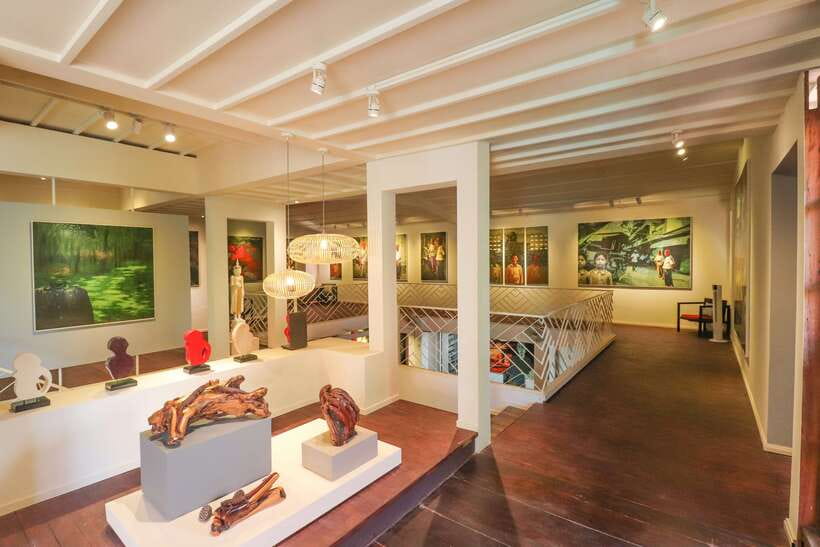
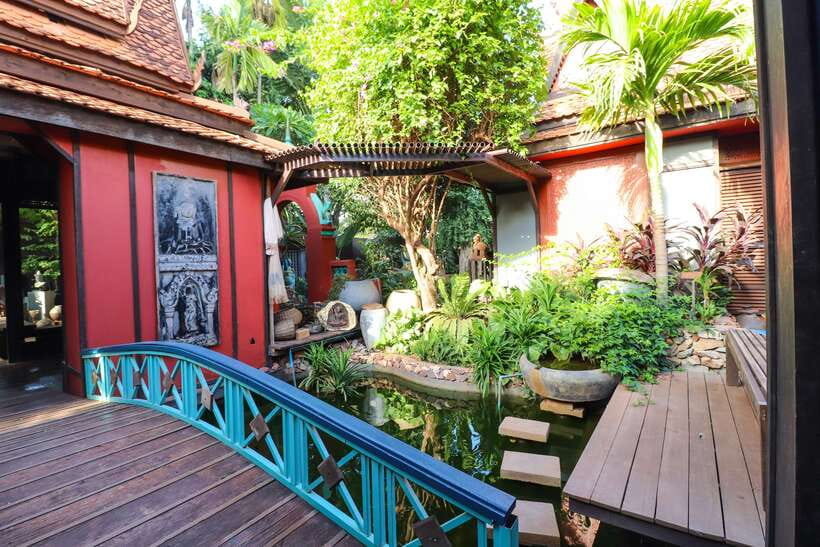
I especially liked the art stop at Theam’s House, where you see a local artist’s personal collection in a quieter garden setting. With an English-speaking guide and hotel pickup, you waste less time figuring out transport and more time paying attention to what makes each place feel Siem Reap.
Key things you will notice on the tour
- Psar Leu market, from food to jewelry you get a guided way to read what you are seeing.
- Wat Bo monk blessing with a chance to be blessed for safe travels and prosperity, plus a respectful donation.
- Riverside tree planting and conservation areas you see community-focused projects, not just temples.
- Khmer Ceramics artisans at work you get closer to the people behind the craft.
- Theam’s House, a personal art collection presented in a reflective garden atmosphere.
- French-Colonial leftovers into South Side streets you end with a look at how the city keeps layered identities.
The temples by tuk-tuk, other routes
- Siem Reap: Angkor Wat Private Tuk-Tuk Tour★ 4.9 · 2,222 reviews
- Siem Reap Countryside Bike Tour / E-Bike or Tuk Tuk★ 5.0 · 935 reviews
- Angkor Sunrise Bike Tour / E-Bike or Tuk Tuk★ 5.0 · 615 reviews
- Angkor Wat Private Tuk-Tuk Tour (sunrise Option) & more★ 5.0 · 439 reviews
Why a 3-hour tuk-tuk route makes sense in Siem Reap
Siem Reap can feel like you have two speeds: temple time and everything else. This tour gives you a third option, a compact loop that shows daily life, faith, craft, and city architecture without eating your whole day.
What I like about the timing is the pacing. You start with the market energy, shift to a quieter spiritual stop at Wat Bo, then move into riverside green space and artisan work before finishing with local street scenes on the South Side. In about three hours, you get enough variety to understand the city, not just check off landmarks.
The other practical win is how easy it is to join. You get hotel pickup and drop-off, then you move by tuk-tuk with water included. That matters when the afternoon sun is doing its thing and you do not want to be juggling directions, rides, and cash for every tiny expense.
Starting at Psar Leu: the market that teaches you to look
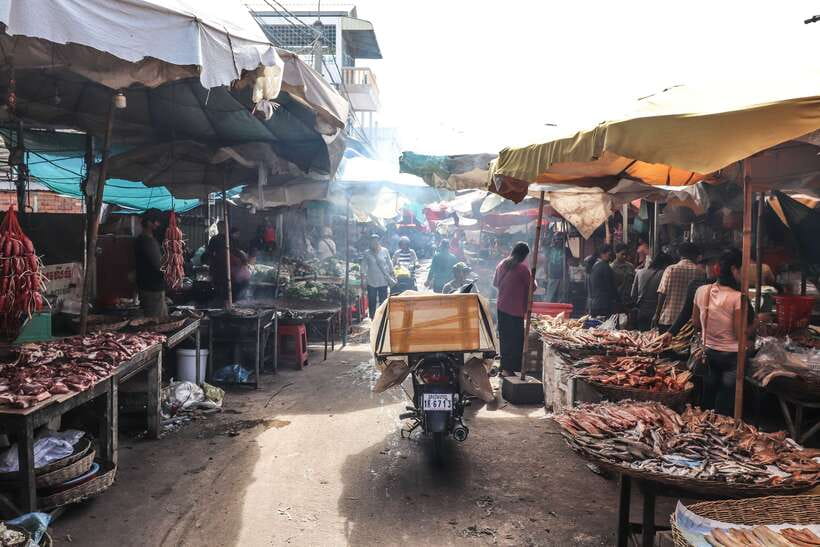
Your tour begins at Psar Leu, Siem Reap’s main marketplace. It is one of those places where you quickly realize everything is connected: food, daily goods, and even jewelry all share the same busy rhythm.
Here is why the market stop is more than a photo stop. A guide helps you notice patterns, like how vendors organize goods, what people buy for the day, and the practical variety behind the stalls. You will see things that look unfamiliar, but you will not be left guessing.
Even though markets are generally busiest in the morning, this tour still works in the afternoon. You can still smell food cooking, watch shoppers compare items, and get a feel for what locals are actually doing. If you have only been to one market in town, this is a solid place to start because it covers a broad range of everyday needs.
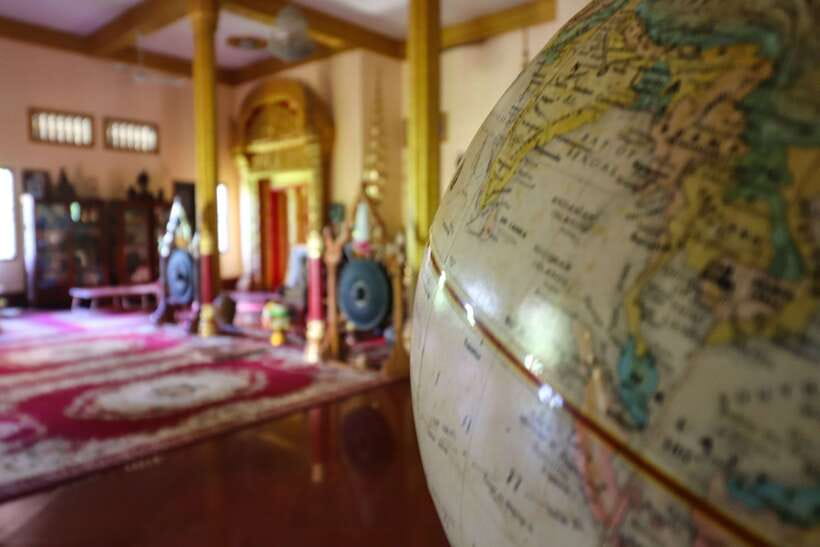
Wat Bo: Siem Reap’s oldest pagoda and a monk blessing moment
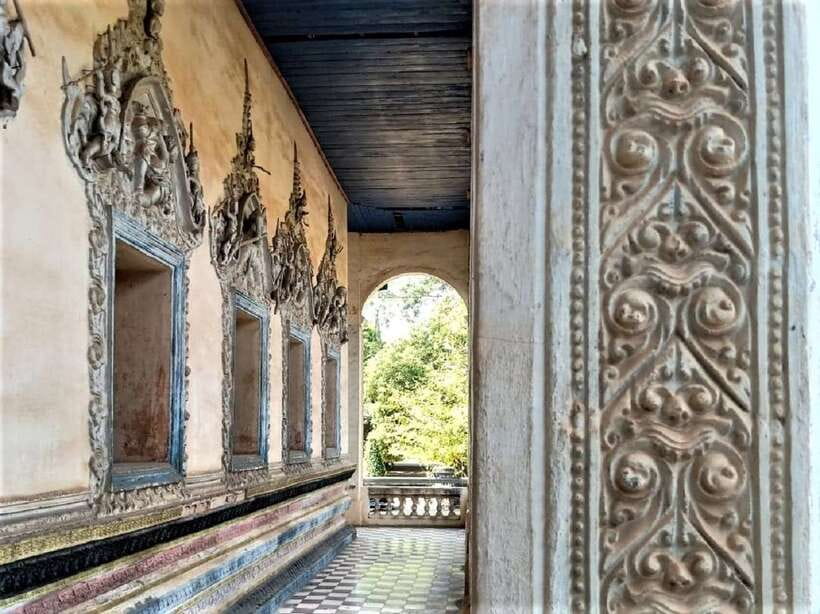
After the market, you head to Wat Bo, described as the city’s oldest pagoda. This is the spiritual pivot of the tour, and it is the moment that tends to make people slow down.
The highlight here is the chance to be blessed by a local monk for safe travels and prosperity. A donation is part of the experience, so you are not just watching from the side. You are participating respectfully in a local practice.
A key thing to plan for: the pagoda dress and etiquette rules. You must have shoulders covered, and you need pants that you are comfortable to kneel in. Shorts, short skirts, and sleeveless shirts are not allowed. Also, in Cambodia, it is forbidden for women to touch monks. I would treat that as a hard boundary, not a suggestion.
If you approach Wat Bo with that mindset, the stop feels meaningful. If you show up underdressed or unsure of etiquette, it can turn stressful. This is the one part of the day where preparation pays off fast.
Riversides, tree planting, and community conservation
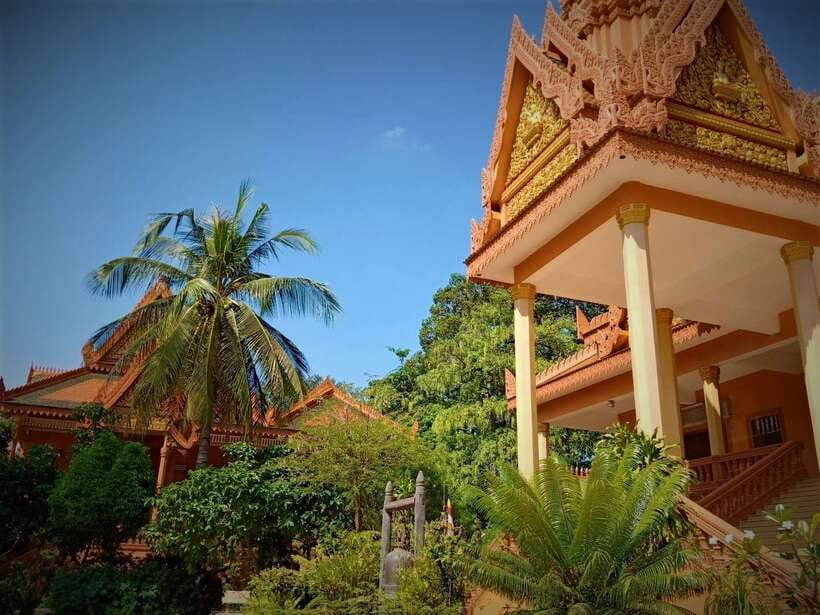
Once you leave Wat Bo, the tour leans into greener spaces. You stop at a riverside tree planting park designed and executed by a local philanthropic hotel for the community to enjoy. It is a good reminder that travel is not only about old stone and big monuments. It is also about modern projects that try to improve daily life.
From there, you move through a riverside conservation area. You are not just passing by scenery. The conservation stop sets context for why places like Siem Reap’s river edges matter. It is a small shift in your brain from sightseeing to noticing how communities protect what they have.
This part is also a nice physical break. Tuk-tuk rides keep it easy, and the shade and open space can feel like a breather after the market. It is one of those segments that makes the whole tour feel more balanced, less temple-only, more city-of-people.
Worth a side-by-side look before you book this Siem Reap tour:

Khmer Ceramics: meet craft through the makers’ process
Next up is Khmer Ceramics. The value of this stop is not just that you will see products. You get to see the work of talented local artisans, which helps you connect what you might buy later to the people and effort behind it.
Craft visits are often hit-or-miss on tours, but this one fits the theme of the day. After looking at everyday life in Psar Leu and seeing cultural practice at Wat Bo, Khmer Ceramics brings you to skill and work. It also makes the artisan economy feel real, not like a souvenir bubble.
If you care about sustainability or ethical buying, this is where your questions make sense: who makes it, how it is made, and what kind of workshop environment it is. Even if you are not planning to shop, watching the process gives you better perspective on the finished pieces.
Theam’s House and Theam’s Gallery: local art in a garden mood
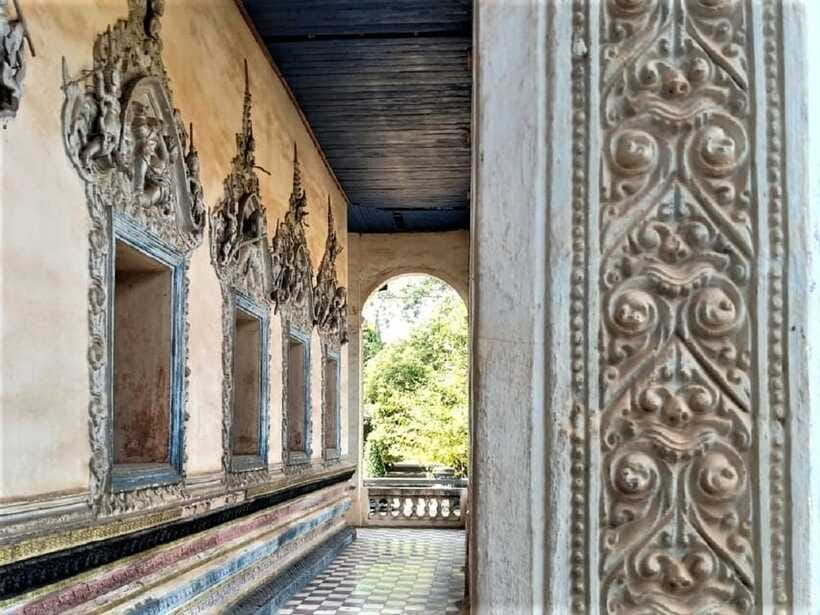
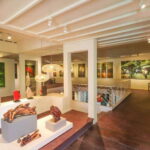
One of the most memorable stops is Theam’s House, also described as Theam’s Gallery, centered on a highly regarded local artist’s personal collection. You do not just get a warehouse-style display. You are in a setting that feels reflective, with a wistful garden atmosphere.
This is why I like this stop so much for a short tour. It gives you a break from loud streets and religious formality, but it still stays rooted in local culture. You get a sense of taste and personality, because it is presented as one person’s collection rather than a generic museum lineup.
Also, this is the part that can surprise you. Many people expect only temples when they come to Siem Reap. A guided stop like this reminds you the city is also producing art and building creative reputations right now.
If you like art, design, or just quiet places to reset during a busy travel day, this is the stop to linger at (within reason, of course).
French-Colonial architecture and the South Side finish
After Theam’s House, you continue through the heart of the French-Colonial era, admiring some of the architecture that remains from that period. This segment works best when you treat it like a streetscape walk. Look for shapes, facades, and the mix of old and new that Cambodia’s cities tend to carry.
Then the tour finishes with a look at Siem Reap’s South Side. Ending on a neighborhood area is a smart move. It helps you connect the earlier stops to the lived-in layout of the city. Instead of leaving you right after a museum or pagoda, it pushes you toward streets where the city keeps moving.
If you want to understand where you might spend time later, this ending can be useful. You start noticing which areas feel walkable, where the energy shifts, and how the city changes from block to block.
Transportation, water, and comfort: what the tuk-tuk day feels like
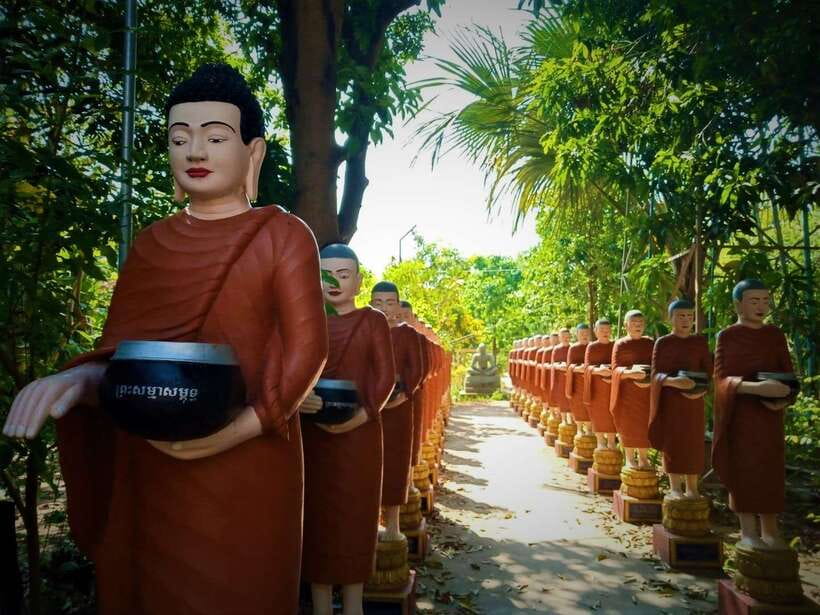
This is a tuk-tuk tour with pickup and drop-off, and that is a practical advantage. You do not have to negotiate rides after each stop, and you keep your energy for the sights themselves.
The tuk-tuk format also fits the route. Market streets, short transitions between sites, and moving between different neighborhood vibes is exactly the kind of day where a car might feel too formal or too rigid. With tuk-tuk transport, the day stays casual and fluid.
You also get water throughout the tour, which is genuinely helpful. It keeps small planning tasks off your plate, and it is one less thing to buy while you are focusing on the guide’s explanation.
Two notes I would not ignore. First, the tour is not suitable for people with mobility impairments or wheelchair users, so plan for walking and kneeling-friendly stops. Second, the religious sites have clothing rules, so wear something you can adjust to quickly.
Price and value: is $35 a fair deal?
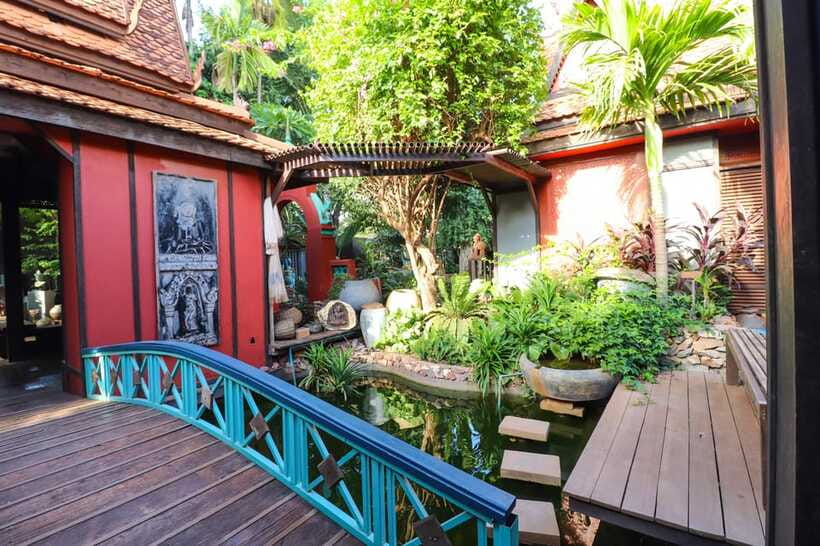
At $35 per person for three hours, the value comes from what is bundled in, not just the transport. You are getting hotel pickup and drop-off, an English-speaking guide, tuk-tuk transportation, monk blessing with a pagoda donation, and gallery entrance, plus water.
Could you do parts of this on your own? Sure. But you would spend time stitching together rides, admission costs, and your own way of understanding what you are seeing. Paying for a guide saves mental energy, especially at the pagoda and during the art stops where context matters.
If you are the kind of traveler who likes to ask why something matters, this tour is a good use of money. If you only want to roam independently and you do not care much about explanation, you might feel it is too structured.
My best advice on value is simple: treat this as a guided sampler of Siem Reap beyond temples. For many people, that is exactly what they need for a first visit.
Guide quality: what made the best days work
The biggest factor in tour enjoyment is usually the guide, and the standard here seems strong. One standout mention was a guide named Ti, who was described as very competent, good at sharing information, and even funny. Another positive note praised a guide for being knowledgeable, friendly, and prompt, with a driver who showed up on time.
That matters because this route has cultural moments where guidance helps you behave correctly and understand what you are being invited to do. It also helps you enjoy the market without feeling lost, and it makes the art and architecture stops feel purposeful.
At the same time, there is at least one serious downside reported elsewhere: a case where a driver did not show up and communication failed. I cannot predict which day you will get, but if timing is critical for your schedule, I would double-check your pickup details and keep backup plans in mind.
Practical tips so you do not get stuck at Wat Bo
I would prep for this tour like you are going to a temple, even if half the day is market and crafts.
- Wear covered shoulders. Shorts and sleeveless shirts are not allowed.
- Choose pants you can kneel in. Some people show up in leggings that are fine, others choose jeans and regret it.
- Remember monk etiquette. Women are not allowed to touch monks in Cambodia. Keep your hands to yourself.
- Plan for heat. You get water, but you are still outside for parts of the loop.
- Bring an open mind. The day includes everyday commerce, craft work, and neighborhood streets, not just monuments.
If you follow the rules, the tour runs smoother. If you ignore them, you can lose time and feel awkward in places that require respect.
Who should book, and who might want a different option
This tour is best for you if you want a short, guided snapshot of Siem Reap that goes beyond the most famous temples. It suits people who like markets, art, and practical cultural context, and who enjoy seeing how community projects and artisans fit into the city.
It also suits travelers who appreciate structure. When you have limited time, having a plan that connects Psar Leu, Wat Bo, riverside conservation, Khmer Ceramics, Theam’s House, and the South Side helps you get more out of the day.
Skip it if you cannot manage the physical demands. It is not suitable for mobility impairments or wheelchair users, and you should be ready for kneeling in at least one segment due to pagoda requirements.
Should you book this behind-the-scenes tuk-tuk tour?
I think this is a smart booking if you want guided variety in just three hours. The mix of Psar Leu market, Wat Bo monk blessing, Khmer Ceramics, and Theam’s House gives you a sense of Siem Reap’s everyday culture plus the creative and spiritual sides that many first-time visitors miss.
The main reason to hesitate is logistics reliability. There have been reports of a driver not showing up and contact issues. Most experiences likely run normally, but if you are on a tight schedule, I would treat pickup timing seriously and keep your confirmation details handy.
If you come prepared with the right clothing and respectful monk etiquette, you will likely feel like you got more than a ride. You will get a route that teaches you how to look at the city, not just how to see it.
FAQ
How long is the Siem Reap behind-the-scenes tuk-tuk tour?
The tour lasts 3 hours.
How much does the tour cost?
The price is $35 per person.
What is included in the price?
The tour includes hotel pickup and drop-off, an English-speaking tour guide, tuk-tuk transportation, monk blessing with a pagoda donation, gallery entrance, and water throughout the tour.
Is lunch included?
Food is not included, but there is an option to take the tour including lunch.
Is the guide available in English?
Yes, the tour guide speaks English.
Does the tour include a monk blessing?
Yes, the tour includes a monk blessing as part of the pagoda visit, along with a donation.
What are the clothing rules for temples?
Shorts, short skirts, and sleeveless shirts are not allowed. You should have shoulders covered, and wear pants comfortable to kneel in.
Is the tour suitable for wheelchair users or mobility impairments?
No, it is not suitable for people with mobility impairments or wheelchair users.
More Siem Reap Tours to Compare
- Angkor Wat Sunrise or Sunset Tour with Guide from Siem Reap
★ 5.0 · 12,109 reviews - Siem Reap: Angkor Wat: Small-Group Sunrise or Sunset Tour
★ 5.0 · 9,444 reviews - From Siem Reap: Kampong Phluk Floating Village Tour by Boat
★ 4.9 · 6,979 reviews - Sunset tour of Kampong Phluk stilts home village on the Tonle Sap
★ 5.0 · 4,865 reviews - Siem Reap: Angkor Wat 2-Day Tour with Sunrise and Sunset
★ 4.9 · 4,429 reviews
More Tour Reviews in Siem Reap
- Angkor Wat Sunrise or Sunset Tour with Guide from Siem Reap
★ 5.0 · 12,109 reviews - Siem Reap: Angkor Wat: Small-Group Sunrise or Sunset Tour
★ 5.0 · 9,444 reviews - From Siem Reap: Kampong Phluk Floating Village Tour by Boat
★ 4.9 · 6,979 reviews - Sunset tour of Kampong Phluk stilts home village on the Tonle Sap
★ 5.0 · 4,865 reviews - Siem Reap: Angkor Wat 2-Day Tour with Sunrise and Sunset
★ 4.9 · 4,429 reviews
The Temples by Tuk-Tuk
- Siem Reap: Angkor Wat Private Tuk-Tuk Tour
★ 4.9 · 2,222 reviews - Siem Reap Countryside Bike Tour / E-Bike or Tuk Tuk
★ 5.0 · 935 reviews - Angkor Sunrise Bike Tour / E-Bike or Tuk Tuk
★ 5.0 · 615 reviews - Angkor Wat Private Tuk-Tuk Tour (sunrise Option) & more
★ 5.0 · 439 reviews - Old Siem Reap Sunset Food Tour by Tuk-tuk
★ 5.0 · 311 reviews
Just Added: Fresh Siem Reap Tour Reviews

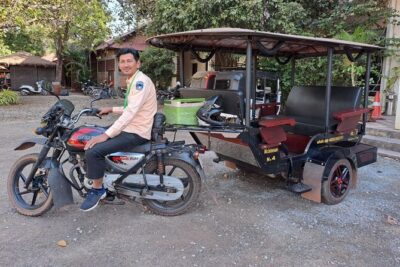
Siem Reap Tuk-Tuk Tours, compared.
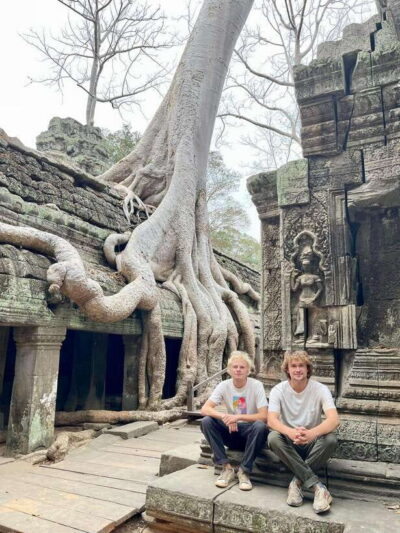 ★ 4.9Angkor Wat Private Tuk-Tuk TourFrom $202,222 reviews
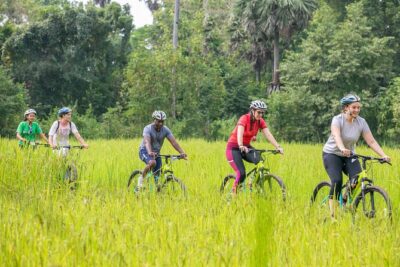 ★ 5.0Siem Reap Countryside Bike Tour / E-Bike or Tuk TukFrom $35935 reviews
 ★ 5.0Angkor Sunrise Bike Tour / E-Bike or Tuk TukFrom $60615 reviews
 ★ 5.0Angkor Wat Private Tuk-Tuk Tour (sunrise Option) & moreFrom $25439 reviews
 ★ 5.0Old Siem Reap Sunset Food Tour by Tuk-tukFrom $75311 reviews
 ★ 4.9Street Food Experience by Tuk-TukFrom $35310 reviews
 ★ 4.4Apsara Dance Show & Dinner with Tuk-Tuk TransfersFrom $29254 reviews
 ★ 5.0Siem Reap Countryside Vespa Tour / Tuk Tuk AvailableFrom $30180 reviews
Browse the lists this tour appears in