
Reviewed · MONK BLESSING & SPIRITUAL TOURS
Monk Blessing Ceremony
A wrist thread, and a calm mind. In Siem Reap, a monk blessing at Wat Porkrom lets you watch prayers, chanting, incense, and a water rite up close, then receive a red thread tied around your wrist for good fortune. I like how the guide breaks down what you are seeing so it feels meaningful, not just like watching a ceremony.
I also like the practical side. You get a sarong & towel, and round-trip transport means you can fit this into temple days without extra hassle.
One consideration: this experience depends on good weather and it also needs a minimum number of travelers. So if your schedule is tight or you land on rainy days, have a backup plan.
Key highlights you should care about
- Wat Porkrom setting: A real pagoda stop, not a performance-style imitation.
- Guided ritual flow: You get clear explanations for the prayers, offerings, and blessing moments.
- Incense and flower offerings: You will experience the sights and smells that make Buddhist ceremonies feel grounded.
- Red thread blessing: You receive a thin red thread tied on your wrist at the end.
- Set-up included: Sarong and towel are provided, plus an offering for the monks.
- Easy logistics: Hotel pickup and round-trip transportation are part of the package.
A quiet water blessing, other mornings
- Siem Reap: 1-Hour Cambodian Buddhist Water Blessing★ 4.9 · 68 reviews
- Monk Blessing Ceremony in Siem Reap★ 5.0 · 24 reviews
- Private Guided Angkor Wat Tour by Lady Tuk Tuk with Monk Blessing★ 5.0 · 19 reviews
- Siem Reap: Khmer Water Blessing by Monk and Lotus Farm Visit★ 5.0 · 15 reviews
Monk Blessing at Wat Porkrom: What the ceremony actually feels like
This is a straightforward Siem Reap experience with a spiritual focus: you visit a well-known pagoda and watch Buddhist monks carry out a blessing ceremony. What makes it special is not only the chanting and ritual actions. It is the way a guide helps you connect the dots, so you understand what each step is meant to do.
A typical moment you will recognize right away is the sound and rhythm of chanting, plus the devotional feel created by burning incense. There are also flower offerings involved, which helps the ceremony look and feel complete, not random. The overall vibe tends to be respectful and calm, even when it feels festive.
The ceremony ends with the part many people remember most: you get a thin red thread tied around your wrist. This red thread symbolizes prosperity and good fortune. In plain terms, it is a visible reminder that you participated in something considered meaningful.
The “why” behind the rituals, explained in a way you can use
One of the strongest benefits here is the explanation you get before and during the ceremony. The whole point of a blessing tour like this is to help you understand why people believe these actions cleanse karma, build joy, and attract good fortune.
You do not need to be Buddhist to appreciate the logic of the ritual. It is more like learning how locals frame intention. If you watch without context, it can stay at the level of interesting. With context, it becomes more personal, because you understand the intention behind the water blessing, the prayers, and the offerings.
Pay attention when your guide explains the flow. The guide will typically walk you through what you will do, then what the monks are doing as they chant and offer prayers. That structure matters because it keeps you from feeling like you are standing around guessing.
In one case tied to a major date, the blessing felt especially solemn, which makes sense. On ceremonial calendar moments, the focus tends to be sharper, and the group mood can shift from casual to deeply attentive. If your dates line up with a special day, you may catch that extra intensity.
What you will do during the tour, step by step
This experience is designed to run about 1 to 2 hours, but in real life you should plan for extra time if pickup and round-trip transport add travel time. That is normal in Siem Reap, and the schedule usually protects you from rushing through a religious site.
1) Pickup and quick orientation
You are picked up from your hotel area. The package includes an English-speaking driver/guide, which is a big deal here. Language barriers can turn a meaningful ceremony into a blur. With an English-speaking guide, you get the context as you arrive and during the ceremony.
If you arrive late because your day ran long, the organizers are set up to be flexible. That is a practical plus if you are juggling temple tickets, sunrise plans, or traffic timing.


2) Dressing for the pagoda and getting ready
You are provided a sarong and towel for the ceremony. That means you do not have to scramble for the right clothing right before you go in. It also helps you show respect without turning it into a complicated shopping mission.
Keep it simple: wear comfortable clothes you can move in, and rely on the provided sarong for the moment that calls for it. You will feel more relaxed because you are not worried about whether you are dressed correctly.
3) Prayers, chanting, and offerings
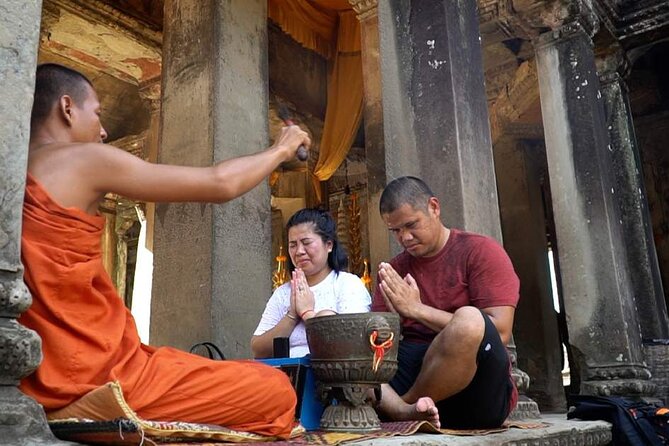
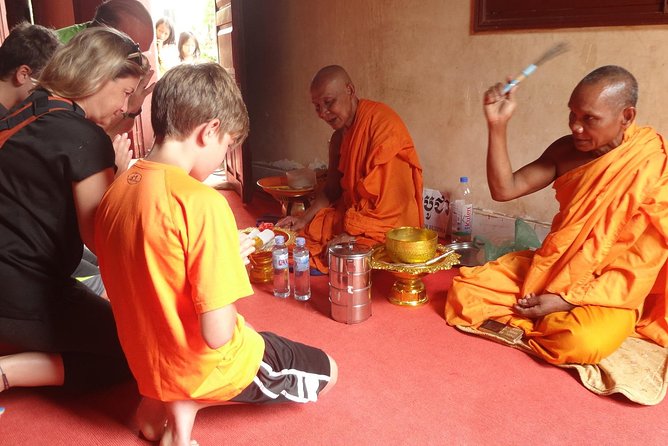
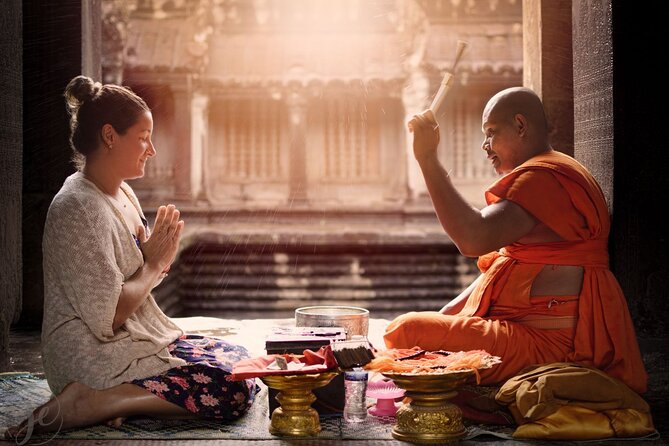
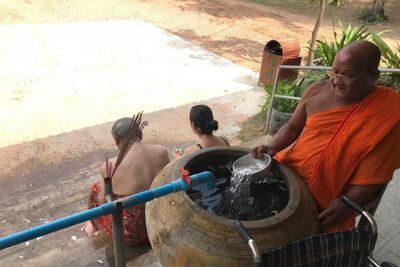
This is the heart of the experience. You will observe monks as they chant and sing, with devotional elements like incense and flower offerings. If you have never watched a Buddhist ceremony up close, the sensory part helps. You will feel like you are inside the ritual rhythm, not just in the same room as it.
Your guide will explain the significance of the blessing practices. This is also where the experience shifts from entertainment to meaning. You learn why people see these actions as cleansing and supportive, not just symbolic theater.
4) The water blessing moment
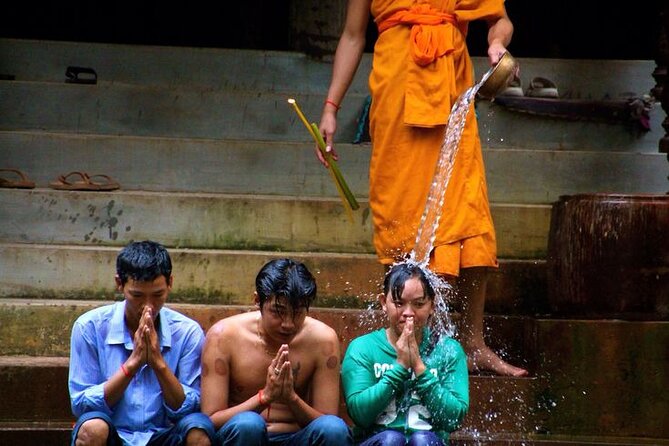
A key part of the ceremony includes a water blessing. Watching water being poured or blessed is one of those rituals that makes sense immediately, even if you are not fluent in religious symbolism. The guide helps you understand what it represents in the overall blessing process.
5) The monk offering and the final thread tie
The tour includes a monk offering. You will participate according to what your guide tells you. This is where your guide’s role matters most because you are dealing with a sacred setting and you want to do the correct actions at the correct time.
At the end, the monks tie a thin red thread around your wrist. The idea is prosperity and good fortune. You can treat this as a personal souvenir, but it also functions as a ritual “receipt,” a physical reminder of the moment.
Timing and logistics: How to fit this into a Siem Reap day
The duration is listed as about 1 to 2 hours. In practice, you should plan around your hotel pickup and the trip to the pagoda, so think in terms of a half-day slice, not a quick walk-up errand.
This tour is often a nice reset after heavier temple sightseeing. If you have spent the morning at Angkor complexes, the monk blessing gives you a different kind of focus. Instead of history and stone, it is people, sound, and the feeling of a living practice.
Group discounts can apply, which is a good sign if you are traveling with friends or family. A $45 price tag is easier to justify when the ceremony itself plus guide time plus included items are in the package, rather than you paying extra for each small piece.
Included vs not included: Where the value comes from
Here is what you should expect as part of the price:
- English-speaking driver/guide
- Monk Blessing Ceremony
- Sarong and towel
- Monk offering
- Round-trip transportation from your hotel (pickup is also offered)
What is not included:
- Travel insurance
That last point is common, but it is worth noting. If you want peace of mind for illness, trip changes, or missed connections, you will want to buy insurance separately.
What you get here is not just “access.” You get the ceremony, the support of an English-speaking guide, and the practical items that help you participate respectfully. That combination is where the value sits.
Who this suits best (and who might want to skip)
This is a strong choice if you want:
- A short, meaningful activity that does not require planning a whole half-day around it
- Clear guidance during a religious ceremony
- A cultural experience in Siem Reap that is not only about monuments and ruins
It also works well for teens. One father and daughter did it together and found it both educational and enjoyable, which makes sense since the guide explains what is happening.
You might reconsider if you:
- Need a totally self-guided experience with zero schedule structure
- Are highly sensitive to incense smoke (the ceremony uses incense)
- Are traveling on days where weather is uncertain, since the experience requires good conditions
Guide and organization matters more than you think
In a ceremony, details matter. The best version of this tour is when the guide can translate not only the words, but the timing, the do’s and don’ts, and the rhythm of what happens next.
One reported guide name is Mr. Chhun Bunleng, and he is noted for explaining what you need to do when you are with the monk. That kind of guidance reduces awkwardness and helps you actually participate.
The organizer also shows flexibility in real-world timing. If you arrive late due to another tour, they can offer a reschedule. That tells you this is managed like a real service, not a rushed, one-time slot you fight to keep.
Should you book the Monk Blessing Ceremony in Siem Reap?
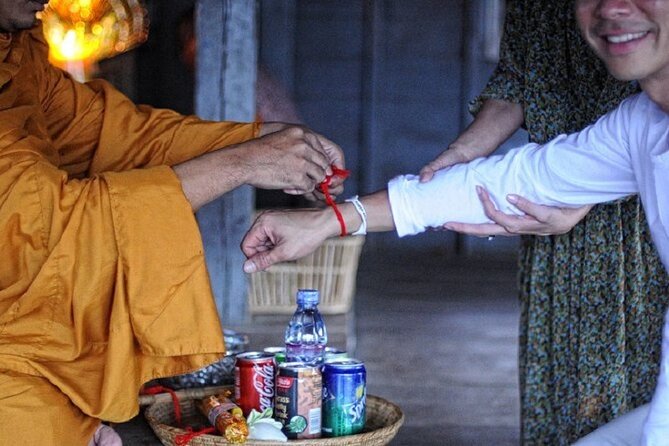
If your goal is a respectful, short spiritual activity with clear explanations, I think this is a good buy. The total package is built around participation: you get pickup and transport, you get help with proper clothing via sarong and towel, and you receive a tangible blessing at the end with the red thread.
I would book it if:
- You want something calmer and more human than the usual temple circuit
- You appreciate learning the meaning behind what you are seeing
- You like having a guide reduce uncertainty during a ceremony
I might wait or choose another option if:
- Your trip is weather-dependent and you cannot move dates
- You are trying to fit this into a schedule so tight that transport timing would stress you out
If you do book, treat it like a moment of attention. Keep your questions ready for your guide, follow instructions during the offering and blessing steps, and let the ceremony set the pace for you. It is one of those Siem Reap experiences where the best souvenir is the feeling you carry afterward.
FAQ
Where does the monk blessing ceremony take place?
The experience takes place at Wat Porkrom in Siem Reap.
How long is the monk blessing ceremony?
The duration is approximately 1 to 2 hours. Round-trip transportation time may add to your total time.
What is included in the tour price?
It includes an English-speaking driver/guide, the monk blessing ceremony, sarong and towel, and a monk offering.
Do you provide pickup and transportation?
Yes. Pickup is offered, and round-trip transport from your hotel is included.
What do I receive at the end of the ceremony?
At the end, you will receive a thin red thread tied around your wrist as a blessing.
What should I bring or wear for the ceremony?
You will be provided a sarong and towel for the ceremony, which helps you dress appropriately.
Is the ceremony suitable for most travelers?
The tour indicates that most travelers can participate.
What if the weather is poor?
The experience requires good weather. If it is canceled due to poor weather, you will be offered a different date or a full refund.
Is travel insurance included?
No, travel insurance is not included.
More Tour Reviews in Siem Reap
- Angkor Wat Sunrise or Sunset Tour with Guide from Siem Reap
★ 5.0 · 12,109 reviews - Siem Reap: Angkor Wat: Small-Group Sunrise or Sunset Tour
★ 5.0 · 9,444 reviews - From Siem Reap: Kampong Phluk Floating Village Tour by Boat
★ 4.9 · 6,979 reviews - Sunset tour of Kampong Phluk stilts home village on the Tonle Sap
★ 5.0 · 4,865 reviews - Siem Reap: Angkor Wat 2-Day Tour with Sunrise and Sunset
★ 4.9 · 4,429 reviews
A Blessing and a Quiet Morning
- Siem Reap: 1-Hour Cambodian Buddhist Water Blessing
★ 4.9 · 68 reviews - Monk Blessing Ceremony in Siem Reap
★ 5.0 · 24 reviews - Private Guided Angkor Wat Tour by Lady Tuk Tuk with Monk Blessing
★ 5.0 · 19 reviews - Siem Reap: Khmer Water Blessing by Monk and Lotus Farm Visit
★ 5.0 · 15 reviews - Siem Reap Cambodian Buddhist Water Blessing and Local Market
★ 5.0 · 13 reviews
Just Added: Fresh Siem Reap Tour Reviews
Monk Blessing & Spiritual Tours, compared.
 ★ 4.91-Hour Cambodian Buddhist Water BlessingFrom $3768 reviews
 ★ 5.0Monk Blessing Ceremony in Siem ReapFrom $4524 reviews
 ★ 5.0Private Guided Angkor Wat Tour by Lady Tuk Tuk with Monk BlessingFrom $3719 reviews
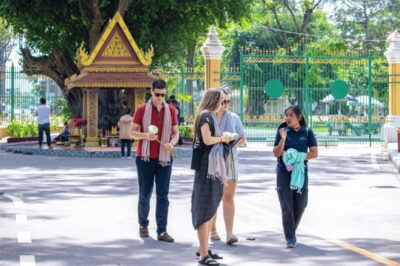 ★ 5.0Khmer Water Blessing by Monk and Lotus Farm VisitFrom $5515 reviews
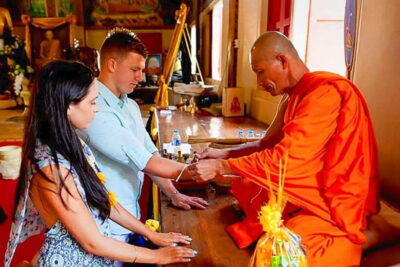 ★ 5.0Siem Reap Cambodian Buddhist Water Blessing and Local MarketFrom $1913 reviews
★ 4.8Siem Reap Cambodian Buddhist Water Blessing and Local MarketFrom $5411 reviews
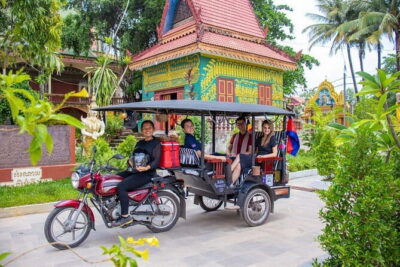 ★ 5.0Traditional Khmer Water Blessing by Monk and Lotus Farm VisitFrom $7010 reviews
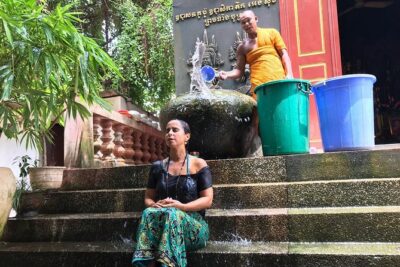 ★ 5.0Buddhist Water Blessing and Real Life Experience with LocalFrom $427 reviews
Browse the lists this tour appears in