
Reviewed · ANGKOR PHOTOGRAPHY TOURS
Journey Through Time: Grand Tours with professional photographers
Preah Khan to Banteay Srei is a day that moves fast, yet feels personal. This private Grand Circuit tour in Siem Reap lets you see major temples with your own pacing and a professional photographer handling the pictures so you can just enjoy the ruins.
Two things I really like: you get a dedicated English-speaking guide for the history, and the day is broken into focused temple stops so you are not stuck waiting in a giant crowd. One consideration, though, is costs add up once you factor in the 1-day Angkor Temple Pass and the listed extra sun light fee.
Key takeaways before your Grand Circuit day
- Private pace around the Grand Circuit, so you are not rushed or delayed by a large bus group
- Professional photographer included, plus guide help for photos and videos
- Hotel transfer included, with a driver-friendly e-ticket on your phone
- Six structured stops, each around an hour, from Preah Khan to Banteay Srei
- Dress code matters at temples, with knees and shoulders covered for entry
More frames of the temples at first light
- Professional Photo Shoot in Angkor Archaeological Park, Siem Reap★ 5.0 · 42 reviews
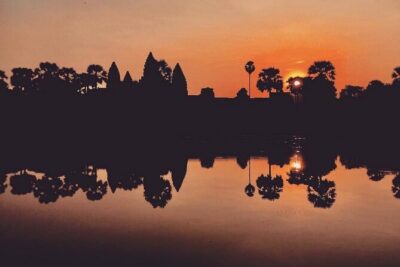
- Golden Hours: Angkor wat sunrise photography tour with a pro!★ 5.0 · 25 reviews
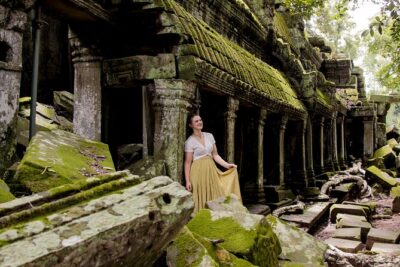
- Unseen Angkor Tour & Photoshoot★ 5.0 · 6 reviews
- Journey Through Time: Grand Tours with professional photographers★ 5.0 · 5 reviews
Grand Circuit, but without the big-group pressure
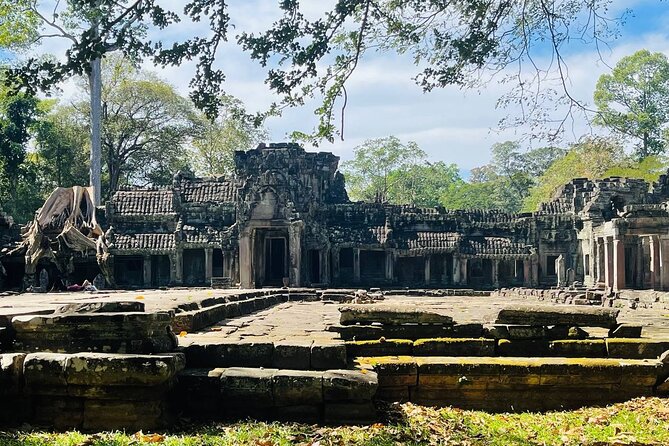
Angkor is famous for its scale, and the easiest way to enjoy it is to control the rhythm. This tour is private, with a luxury van or car, so the timing is built around your group. That matters because temples like Preah Khan and Pre Rup are not just “pretty stones,” they reward slow looking: carvings, doorways, stone faces, and the way the paths bend through the ruins.
I also like that the plan is set up for photos, not just sightseeing. You have a professional photographer on the day, and that changes what you do. Instead of constantly checking angles, you can actually walk the temple grounds and pause when you want, then let someone else worry about getting the shots.
The best part is that this is not only about Angkor Wat. You move through the Grand Circuit’s mix of royal-era temples and water-related sites, then you add Banteay Srei at the end for contrast.
Siem Reap hotel transfer and the day’s easy start
The logistics are simple, which is exactly what you want in Siem Reap. Your transport includes a complimentary round-trip hotel transfer, so you do not have to coordinate rides or show up at an awkward time. The driver can find you using an e-ticket on your phone, which is a nice touch if you arrive with limited patience for check-in chaos.
During the drive and between stops, you get mineral water plus tissue, and there are natural fruits on tours. These small comforts are not luxury for luxury’s sake. They keep you going between temple entries when the heat and walking start to add up.
The tour runs about 5 to 6 hours. Each stop is planned for around one hour, so it feels like a sequence of mini visits rather than one long slog. That structure is one reason this can work well even if you are traveling with someone who tires out faster.
Preah Khan, the Royal Sword Temple (early 12th century power)
Your first stop is Preah Khan, also known as the Royal Sword Temple. It was built in the early 12th century by King Jayvarman VII, honoring his father. What makes Preah Khan special is scale and function. This place was not a small shrine. It served as a huge center for a major organization, with almost 100,000 officials and servants.
That detail changes how you look at it. When you stand in a doorway or on a raised stone area, it is easier to imagine daily work, not just ceremonial moments. The ruins here can feel like a “city of stone,” so give yourself enough time to look around before rushing to the next point.
A practical note: admission tickets are listed as not included for each stop where that applies. So you will want your temple pass sorted before you reach the first main site. Also, stick to the dress code (more on that below), because temples can refuse entry when clothing is too revealing.
Neak Pean, the island temple built in a water basin
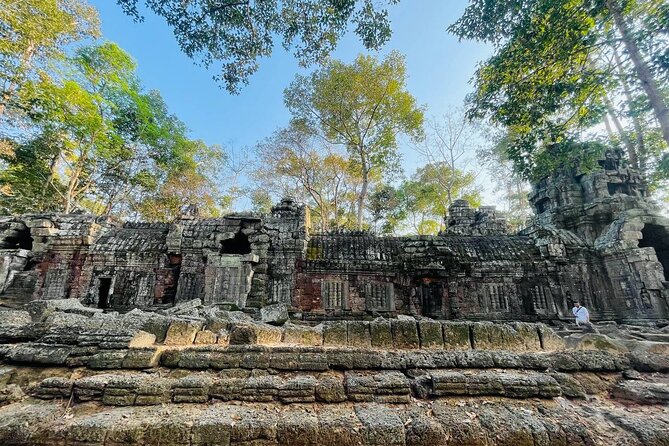
Next comes Neak Pean, near Preah Khan. This is an artificial island and a Buddhist temple. It was constructed by King Jayavarman VII in the center of the Preah Khan Baray, also known as Jayatataka.
Neak Pean is a great “breather” after Preah Khan because it feels different. The focus is less on sweeping walls and more on the island idea, and how water and spirituality were linked in Khmer planning. Even if you are not a temple-history expert, the setting makes it easy to picture why this layout mattered.
Photography tip: plan on a few minutes of slow walking around your viewpoint before you ask for photos. Neak Pean works best when you capture it as a composition, not just as isolated stones.


Ta Som, where trees and stone share the same stage
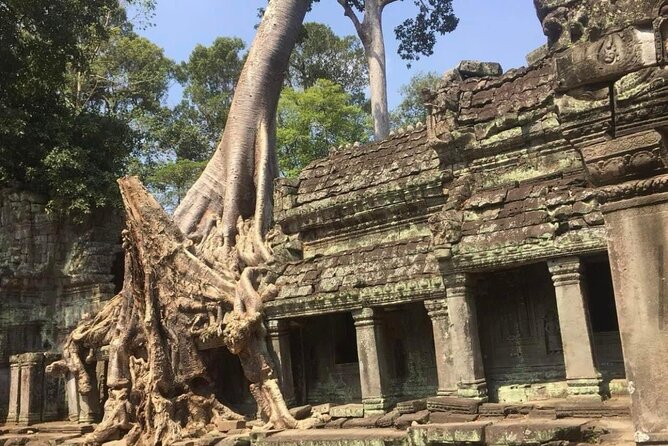
Then you move to Ta Som, built in the late 12th century by King Jayvarman VII, dedicated to his father. One of the most appealing things about Ta Som is how it looks today. It remains largely unrestored, with lots of trees and natural growth integrated into the temple.
If you have seen photos of Ta Prohm, Ta Som will feel familiar in mood, even though it is not the same site. The charm here is that nature has not been scrubbed out. It is exactly the kind of scene where you will want your camera ready, but also where you should step back and let the whole frame work.
Keep expectations realistic: places like this can be uneven, and you may find more stairs or footing issues than at a perfectly restored temple. You do not need special gear, just watch your step and take it slow.
Pre Rup, the mountain temple and the meaning of turn the body
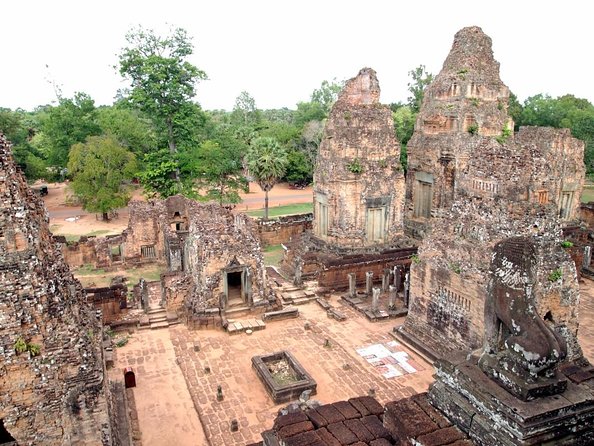
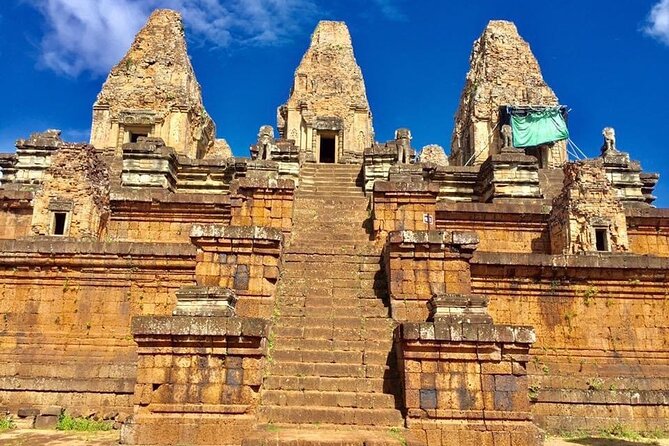
After Ta Som, you visit Pre Rup, a Hindu mountain temple constructed by King Rajendravarman in 961 or early 962. The name in modern Khmer means turn the body. There is also a belief in Cambodia tied to funerals, and the temple’s name is part of that story.
Pre Rup is worth your time because it is not just about the architecture. The temple name points to how temples were woven into life and death rituals. When you understand that, the site feels less like a random climb and more like a place with a job in the culture.
This is also a stop where timing can matter for comfort. The listing includes a sun light fee of $15 per person, but it does not explain what it covers in the details you get. Before you go, I would ask what that item is supposed to be for, so you are not surprised at checkout.
Eastern Mebon, a Vishnu shrine on a dry lake center
Your next stop is Eastern Mebon, a 10th century temple built by Rajendravarman to dedicate to Vishu and honor the king’s parents. It used to be an artificial island in the center of the East Baray, which is now dry.
Eastern Mebon is the kind of stop that rewards context. When you see “dry baray” conditions, it is easy to think something is missing. But that emptiness is part of the story. It shows how the landscape and water systems have changed over time, and how the Khmer still designed temples with water and movement in mind.
If you like temples that feel more open and airy than heavily enclosed spaces, Eastern Mebon can be a welcome shift. Just keep in mind you are still in temple territory, so keep the same clothing rules and respect the entry flow.
Banteay Srei, smaller scale, big visual impact
To finish, the tour brings you to Banteay Srei, about 25 kilometers northeast of the Angkor Archaeological Park. This is listed as an admission ticket free stop in the tour details, which is a nice bonus if you are watching costs.
The reason I like putting Banteay Srei at the end is variety. It is smaller than the more famous Angkor Wat, but it gets praised as a standout example of Khmer artistry. If your day is starting to blur into “another temple,” Banteay Srei has enough personality to reset your eyes.
Banteay Srei is also a countryside contrast. You feel like you are still in the Angkor zone, but you are not trapped inside the same museum-like flow. That makes it a good closer for the day.
What the $237 price really covers, and what costs extra
The price of $237 is best viewed as paying for a private logistics package, not just entrance to ruins. What you get in the included set is the big value chunk:
- Luxury private car or van
- Professional English-speaking tour guide
- Professional photographer
- Mineral water and tissue
- Natural fruits on tours
Those inclusions matter because they cover the “time tax.” Instead of you spending energy arranging transport, navigating site logistics, and trying to get good photos in between, you hand that work to the team.
What is extra:
- The 1-Day Angkor Temple Pass is $37 per person (not included)
- Personal expenses and tips
- Food and drinks
- A listed sun light fee of $15 per person
Also, group discounts can apply, which helps if you have a friend traveling with you.
If you already know you will want a guide, a private car, and photos that do not look like hurried selfies, this price can feel fair. If you are traveling ultra-budget and plan to self-navigate, then you will want to compare the total cost after adding the temple pass and sun light fee.
Dress code and practical comfort for temple entry
This is one of those travel details that can ruin your day if you ignore it. A dress code is required for places of worship and selected museums. That means no shorts or sleeveless tops for both men and women, and knees and shoulders must be covered. If you do not meet the requirement, you may be refused entry.
I recommend planning outfits before you leave the hotel. A lightweight long skirt or long pants is easiest. If you have a breathable button-up shirt or a scarf for shoulders, keep it accessible. Temple entry should not involve a last-minute shopping sprint.
Comfort-wise, the tour helps with small basics like water, tissue, and fruit. Still, you will be outside for multiple hours. Wear footwear you can walk in for temple paths, and treat the day like you are on an actual hike, even when the stops are about an hour each.
Is this tour right for your Angkor style?
Book this if you want an efficient Grand Circuit day with a private car, an English-speaking guide, and a professional photographer. It also suits you if you like temples that are not only the headline sites. Preah Khan and Ta Som bring a different flavor than the usual Angkor Wat routine, and Banteay Srei adds a strong ending.
I would also consider it if you are celebrating a milestone or you simply hate missing the good photo moments. The fact that the day includes photo help changes how you experience the sites. You can look around first, then let the photographer handle the technical side.
Skip it if your main goal is Angkor Wat itself and you want that as the centerpiece of your day. This itinerary focuses on other major temples plus Banteay Srei, so you may feel like you need a separate plan for your Angkor Wat time.
FAQ
FAQ
How long is the Grand Circuit tour?
It runs about 5 to 6 hours.
What is included in the $237 price?
Included are a luxury private car or van, a professional English-speaking tour guide, a professional photographer, mineral water, tissue, and natural fruits on tours.
What is not included in the tour price?
The 1-Day Angkor Temple Pass is not included ($37 per person). Personal expenses, food and drinks, tips, and a sun light fee ($15 per person) are also not included.
Do I need an Angkor Temple Pass?
Yes, the tour lists a 1-Day Angkor Temple Pass as not included, so you will need to arrange it.
Is pickup from my hotel included?
Yes. The private transport includes a complimentary round-trip hotel transfer.
Do you use an e-ticket for pickup?
Yes. You can download the e-ticket to your phone to make pickup easier for your driver.
Is there a dress code for temples?
Yes. You must have knees and shoulders covered. No shorts or sleeveless tops are allowed, and you may be refused entry if you do not comply.
What is the cancellation policy?
You can cancel for a full refund up to 24 hours in advance of the experience’s start time. If you cancel less than 24 hours before, the amount paid is not refunded.
More Siem Reap Tours to Compare
- Angkor Wat Sunrise or Sunset Tour with Guide from Siem Reap
★ 5.0 · 12,109 reviews - Siem Reap: Angkor Wat: Small-Group Sunrise or Sunset Tour
★ 5.0 · 9,444 reviews - From Siem Reap: Kampong Phluk Floating Village Tour by Boat
★ 4.9 · 6,979 reviews - Sunset tour of Kampong Phluk stilts home village on the Tonle Sap
★ 5.0 · 4,865 reviews - Siem Reap: Angkor Wat 2-Day Tour with Sunrise and Sunset
★ 4.9 · 4,429 reviews
More Tour Reviews in Siem Reap
- Angkor Wat Sunrise or Sunset Tour with Guide from Siem Reap
★ 5.0 · 12,109 reviews - Siem Reap: Angkor Wat: Small-Group Sunrise or Sunset Tour
★ 5.0 · 9,444 reviews - From Siem Reap: Kampong Phluk Floating Village Tour by Boat
★ 4.9 · 6,979 reviews - Sunset tour of Kampong Phluk stilts home village on the Tonle Sap
★ 5.0 · 4,865 reviews - Siem Reap: Angkor Wat 2-Day Tour with Sunrise and Sunset
★ 4.9 · 4,429 reviews
The Temples Through a Lens
- Professional Photo Shoot in Angkor Archaeological Park, Siem Reap
★ 5.0 · 42 reviews - Golden Hours: Angkor wat sunrise photography tour with a pro!
★ 5.0 · 25 reviews - Unseen Angkor Tour & Photoshoot
★ 5.0 · 6 reviews - Full Day Tour Photography in Siem Reap
★ 5.0 · 3 reviews - Professional Photoshoot in Angkor Archaeological Park
★ 5.0 · 3 reviews
Just Added: Fresh Siem Reap Tour Reviews
Angkor Photography Tours, compared.
 ★ 5.0Professional Photo Shoot in Angkor Archaeological Park, Siem ReapFrom $6542 reviews
 ★ 5.0Golden Hours: Angkor wat sunrise photography tour with a pro!From $12025 reviews
 ★ 5.0Unseen Angkor Tour & PhotoshootFrom $756 reviews
 ★ 5.0Professional Photoshoot in Angkor Archaeological ParkFrom $1353 reviews
 ★ 5.0Full Day Tour Photography in Siem ReapFrom $493 reviews
Browse the lists this tour appears in