
Reviewed · ANGKOR TEMPLE TOURS
Highlight of Angkor Complex 2 Days Private Tour
First, Angkor temples in two days is plenty. This private route is interesting because you get your own group and a guide to connect what you see, from the big faces of Bayon to the jungle mood of Ta Prohm. I also like the way the plan mixes headline stops with less-visited sites like Ta Nei, so you do not just do the usual photo circuit. One consideration: the Angkor Pass is not included, and meals are on your own, so your final budget will be more than the $149.46 base price.
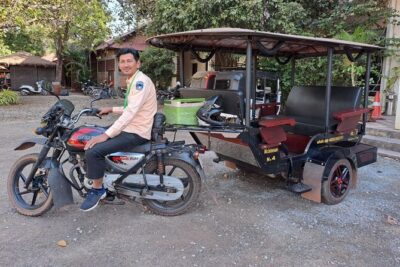
Day 1 leans into Angkor Thom and Angkor Wat, while Day 2 shifts to the outlying temples and some quieter picks. The value is strongest if you want smooth logistics, pickup, and a car that keeps you moving without the hassle of piecing together tuk-tuks all day.
Key details that matter at a glance
- Private, restricted-to-your-group touring: less waiting, more control over pacing.
- Two full days: you hit both the classic highlights and side-temples.
- Guide helps with tickets: you buy the Angkor Pass at the start with assistance.
- A mix of temple styles: big state temples plus calmer, lesser-known ruins.
- Comfort extras included: hotel pickup, cool tissue, and bottled water during the trip.
- A guide name you might hear: Mr. Sara is specifically mentioned for good timing and flexibility.
More temple circuits, set side by side
- Angkor Wat Sunrise or Sunset Tour with Guide from Siem Reap★ 5.0 · 12,109 reviews
- Siem Reap: Angkor Wat: Small-Group Sunrise or Sunset Tour★ 5.0 · 9,444 reviews
- Siem Reap: Angkor Wat 2-Day Tour with Sunrise and Sunset★ 4.9 · 4,429 reviews
- Siem Reap: Full-Day Angkor Wat Guided Tour with Sunset★ 4.9 · 3,803 reviews
Why this 2-day private Angkor plan feels efficient
Angkor can be mentally tiring. Temples are spread out, entrances have rules, and the heat changes how long you want to stand around. This tour works because it treats time like a real resource, with an organized two-day loop and a private vehicle.
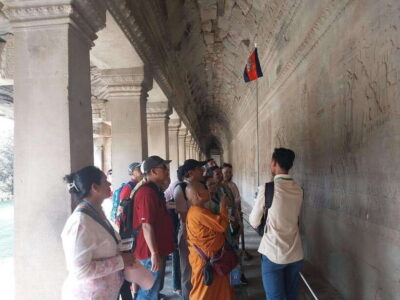
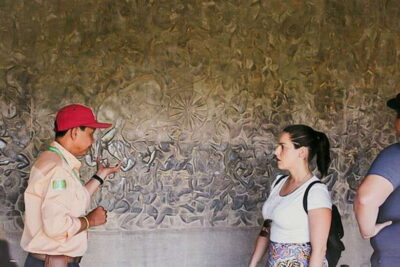
You also get context. With a licensed English-speaking guide leading the story, the carvings stop being random and start connecting to the Khmer Empire and the changes between rulers. That matters most at the sites where the stone is dense with faces, bas-reliefs, and layered temple symbolism.
The other practical win is that it is private. You are not stuck in a big herd, and you can linger when a doorway, terrace, or courtyard feels worth your attention. The itinerary includes both the must-sees and smaller stops, so your days feel full without feeling like a frantic stampede.
Day 1: Angkor Thom South Gate to Ta Nei, with Angkor Wat late in the day
Day 1 is built like a story arc. It starts with the dramatic arrival into Angkor Thom, then moves through the city’s major religious and royal spaces, and finally ends with Angkor Wat, the best-preserved headline monument.
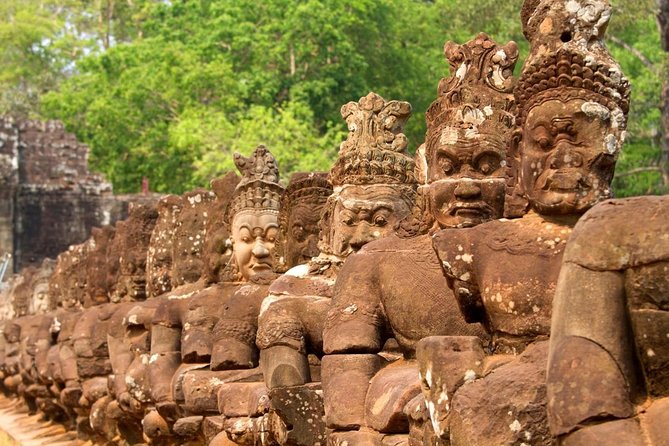
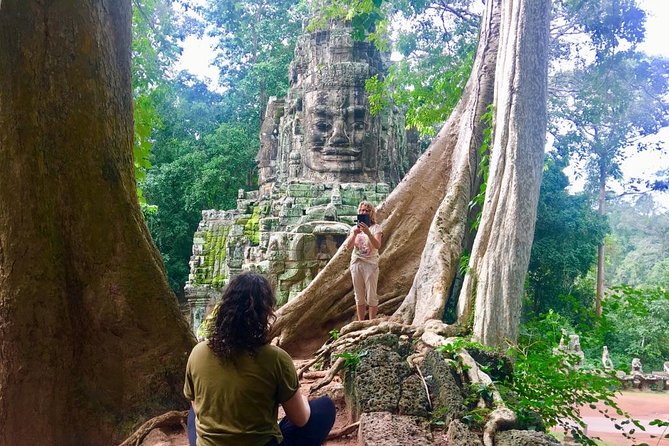
Angkor Thom South Gate, the restored first impression
You begin at the South Gate, a prime entry point because it is fully restored and many of the heads remain in place. This is one of those places where you get your bearings fast, because the gate sets the tone for the city behind it.
A small practical tip: gates like this can be busy when tour groups arrive, so arriving at the start of your day helps. Even on a private schedule, you still benefit from being early enough to photograph without constant traffic of people.
Bayon Temple, faces, cosmology, and why it was built later
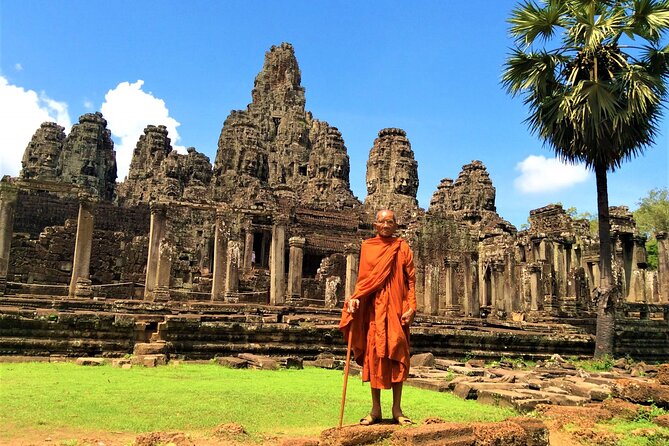
Next comes Bayon Temple, built nearly 100 years after Angkor Wat. It sits at the center of a royal city, and that location matters, because the temple’s role shifts from monument to statement. Even if the earliest structure details are uncertain, what you can see is enough to understand why Bayon became so iconic.
Look at the concentration of faces and try to connect them to the temple’s position within the city layout. With a guide explaining the symbolism, it helps you read the temple instead of just walking past it.
More time at the temples, spread over days

Angkor Thom, the city-as-a-temple effect
Angkor Thom is huge in scale. You can feel that the whole place works in three dimensions, not as a single photo spot. The temple design expresses Buddhist cosmology on a national scale, which is a big reason Angkor feels different from most ruins.
Because the stop time is relatively short, you may need to choose what you focus on. I suggest you pick one or two details to study, like a section of carving on a terrace or a doorway pattern, instead of trying to cover everything.
Baphuon, a design quirk that rewards close looking
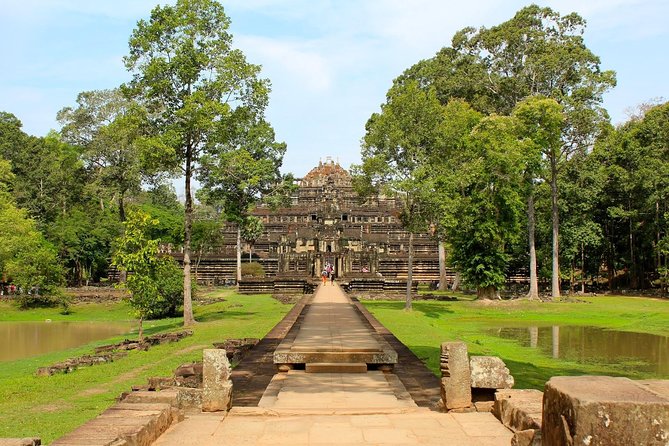
Baphuon follows, and it is especially worth attention because of its architectural layout. It stands on a rectangular sandstone base with five levels that are about the same size, unlike the more common pattern of smaller levels as you go up.
If you like architecture, this is the kind of stop that gives you a quiet wow moment. Even without climbing anything, the proportions make sense when someone explains what makes it unusual.
Phimeanakas and the royal palace zone
Phimeanakas is located near the center of the area enclosed by the walls of the Royal Palace. It may have originally had a golden pinnacle, and a traveler’s description compares it to a Tower of the Gods.
This stop is less about crowds and more about understanding how these structures were tied to royal power. If you are the type who likes to picture how rulers lived and worshiped, you will appreciate it.
Terrace of the Elephants, processions in stone
The Terrace of the Elephants is described with details about elephants moving in a ceremonial way. The point is not just the animals, it is the idea of a procession controlled by design.
You will likely walk through this terrace area fairly quickly, so it helps to slow down for 5 minutes. Stand where you can see the terrace lines and imagine the movement that the relief is capturing.
Terrace of the Leper King, bas-reliefs from Jayavarman VII’s reign
Then you reach the Terrace of the Leper King, tied to the reign of Jayavarman VII. The terraces of this era carry grandeur through dramatic bas-reliefs on both interior and exterior spaces.
This is one of those stops where a guide adds real value, because the carvings tell you what the artists and patrons cared about. If you only glance and keep moving, you miss the main reason it is on the list.
Ta Prohm, the kingdom of the trees
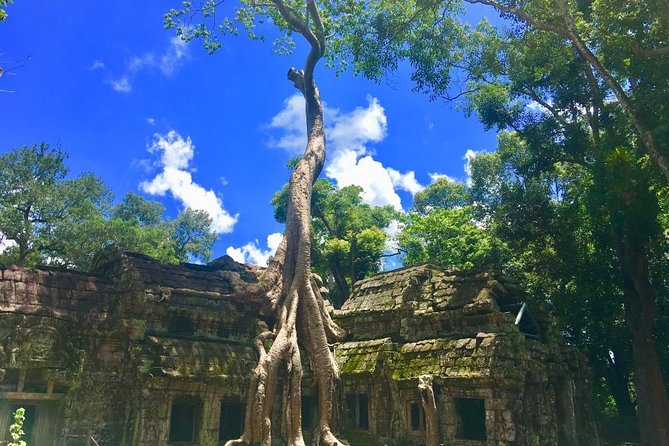
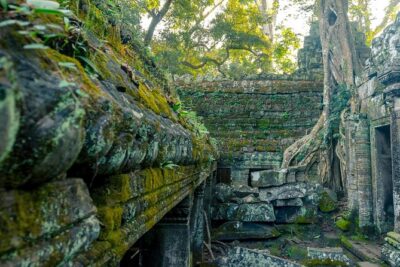
Ta Prohm is often the emotional highlight for many people, and the tour hits it in the middle of the day. It is called the kingdom of the Trees, because the jungle has grown around it, and the site was left largely untouched by archaeologists except for visitor paths and structural strengthening.
This is where your senses do the work. The atmosphere changes, and the stones feel older because they are literally wrapped in roots. If you have ever seen Ta Prohm in photos, seeing it in person still feels like you stepped into a different kind of scene, one that is less about symmetry and more about nature reclaiming stone.
Angkor Wat, the finale that is worth the time
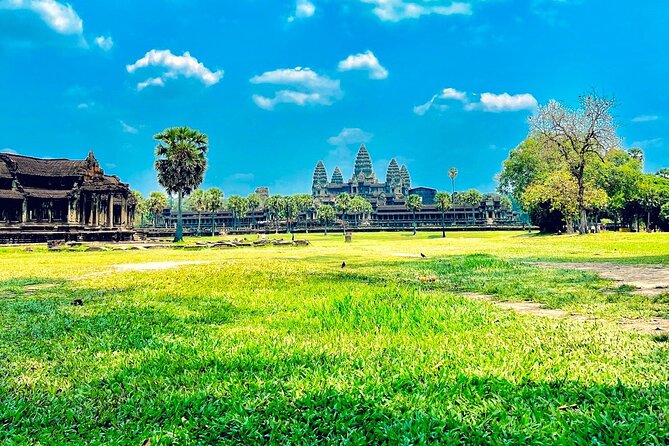
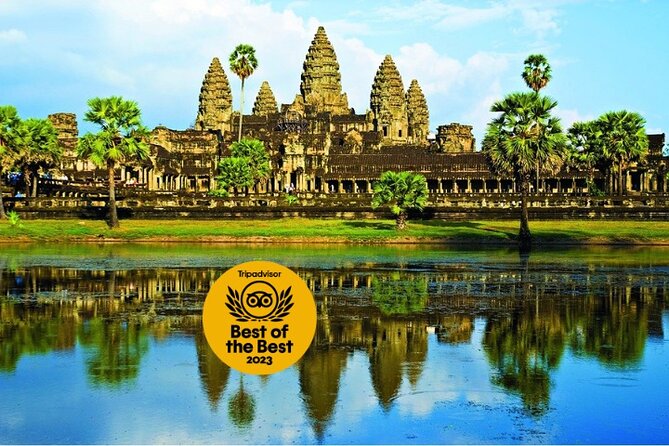
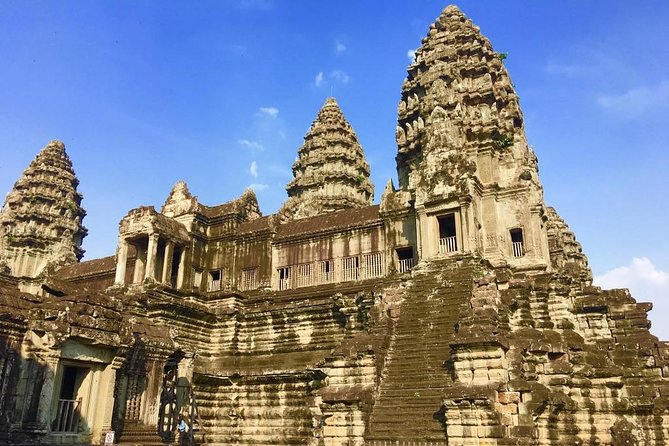
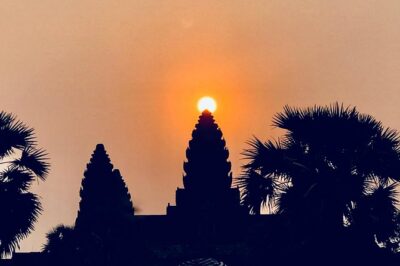
Angkor Wat is the last major monument on Day 1. It is described as the largest monument of the Angkor group and the best preserved, with composition, balance, proportions, and sculpture that put it at the top of the list.
The stop length is generous, so you can pace yourself. I like to think of Angkor Wat as a place to understand the blueprint, then return your attention to details like bas-reliefs and the way the space funnels you around courtyards.
Ta Nei Temple, the hard-to-find reward
Day 1 ends at Ta Nei, a smaller temple located deep in the Cambodian jungle, about 200 meters west of the East Baray. The key detail is that it can be difficult to find and is not a popular tourist destination.
That means it can feel calmer than the big sites. If you want at least one stop that feels more local and less crowded, this is your payoff. It also helps you see how Angkor is not just three famous monuments, it is a whole network.
Day 2: Banteay Srei to Preah Khan, plus a market-style finish
Day 2 has a different feel. It is still temple-focused, but the mix shifts toward craftsmanship, restoration stories, and temples that do not get as much headline attention.
Banteay Srei, Khmer carving at its prettiest
Banteay Srei is described as a precious gem and a jewel in Khmer art by French archaeologists who worked on Angkor. That is strong wording, and it matches what you will notice here: the stonework feels delicate and precise compared with bigger, broader state temples.
This stop is ideal if you are traveling with someone who loves close-up sculpture and details. You can also build momentum here, because after Day 1’s big structures, this kind of temple rewards slower looking.
Banteay Samre, complete complex, and the reality of maintenance
Banteay Samre is one of the most complete complexes due to restoration using anastylosis, meaning reassembling parts based on original materials and positions. Still, the lack of maintenance over the past 20 years shows.
That gives you a more honest feel for the present day. You are not just seeing the Khmer past, you are also seeing how conservation works on the ground and why some sites look different over time.
Pre Rup, bold design with balanced proportions
Pre Rup brings strong architectural design and a sense of balance in scale and proportion. It is almost identical in style to East Mebon, though it was built several years later.
If you like temple geometry and layout, this is a rewarding stop. It can feel more readable than a temple that is too large to fully take in.
Eastern Mebon, stone elephants and religious scenes
Eastern Mebon is noted for sculpture variety, including two meter high free-standing stone elephants at corners of the first and second tiers. It also includes religious scenes, with Indra atop his throne described in the stop notes.
This is a good place to ask yourself what kind of traveler you are. If you like to spot animal figures and then connect them to the religious context, you will enjoy it. If you prefer pure photo spots, you will still get what you need, but leaning on the guide helps.
Neak Pean, a luxury idea expressed as a manmade pond
Neak Pean is described like a dream of luxury and beauty: a large square manmade pond bordered by steps and surrounded by four small structures. Even if you are not sure what it meant in Khmer life, the spatial design is clear when you see it.
This stop often feels more relaxing than the busiest monuments because you are dealing with a defined open space, water, and quiet edges.
Preah Khan, a major 12th century temple outside the main core
Preah Khan is located about 2 kilometers north-east of Angkor Thom on the Grand Circuit. Built in the second half of the 12th century, around AD 1191, it was dedicated to the king’s father.
This makes Preah Khan a strong bridge between the art and the human motives behind it. It is not just stone, it is an act of devotion expressed through construction. If you want a sense of how temples fit into family and political systems, this stop helps.
Banteay Prei, the smaller stop for true Angkor fans
Banteay Prei is rarely visited and sits near Prasat Prei. It is a minor temple, and the note here is clear: it only really appeals if you want deeper Angkor study or you enjoy chasing the less-visited sites.
If you have only a general interest, you might find this stop takes time you would rather spend elsewhere. But if you love the feel of smaller ruins, it can be a highlight.
Om Pich and Prashdak Village, a practical wrap-up
Your Day 2 finale is a stop tied to Om Pich steamed toddy palm cake in the Prashdak Village area. The notes also point toward Preah Dak Market as a famous place for souvenirs like objects and arts.
This is a good low-pressure way to end the day, because by then you likely want food and browsing rather than more temple walking. Keep your expectations simple: you are using this time for snacks and a few purchases, not a formal meal with a view.
Price and value: what $149.46 includes, and what to budget on top
At $149.46 per person for roughly two days, the big value is not just the guide. It is the package: hotel pickup and drop-off, a professional English-speaking license guide, private transfers in a comfortable vehicle, and water plus cool tissue during the trip.
What is not included is the entrance fee, the Angkor Pass, which covers all temples in your itinerary. The guide assists you in purchasing it at the entrance of the park before you start touring. That matters because it reduces the time you spend figuring out ticket steps, especially early in the day.
Meals are also not included. Lunches are available at local restaurants with vegetarian and non-vegetarian options, and prices for dishes are given as roughly $3 to $10 each. This is pretty normal for Siem Reap, and it means you can choose what fits your energy level and hunger.
The only other cost you should think about is tipping for the tour guide and driver, which is not included. Tipping is personal, but at least now you can plan for it.
The smooth logistics that make a private Angkor tour feel worth it
Two things change when you go private. First, your vehicle timing improves, since your day is designed around a loop rather than random drops across the site. Second, you can usually maintain a steadier pace without waiting for other groups to finish the same photo stop.
Pickup matters here. Your hotel pickup and drop-off are included, and the note says you should provide your hotel name for pickup. If you stay near public transportation, that is convenient, but the core point is you avoid spending your mornings working out how to get to the gates.
Because the tour is private, your group does all the stops. That sounds obvious, but it makes a real difference at sites like Ta Nei and the smaller temples, where having time and attention can help you actually appreciate what makes them different.
How to dress and plan your day inside Angkor
Temple rules are part of the experience, not an annoyance. The guidance given here is straightforward: dress appropriately, cover shoulders, and wear trousers or knee-length pants or skirts.
It is also smart to bring a lightweight layer for mornings and evenings. The tour includes water and cool tissue, but your comfort still depends on sun, humidity, and how long you are outside.
Another practical thing: this route is heavy on walking, especially with multiple temples across both days. If you have limited mobility, it might still be possible, but your comfort will depend on how you handle uneven stone and stairs.
Who should book this, and who might want a different style
This tour is a great fit if you want a tight schedule without feeling rushed. The private format suits couples, small families, and anyone who does not want the stress of coordinating multiple vehicles or sharing time with a large group.
It also works if you care about variety. The itinerary intentionally includes the obvious icons and quieter sites like Ta Nei and Banteay Prei, so you get more than one kind of Angkor experience.
If you only want the absolute biggest monuments and you like to travel with minimal structure, you might feel this tour is more than you need. But if you want both major temples and room for the less-visited stops, this plan is built for that.
Should you book this Angkor Complex 2-day private tour?
Yes, if you want maximum temple time with minimal logistics stress. The included pickup, private transfers, guide, and comfort touches are a strong base value, and the mix of Angkor Thom, Ta Prohm, Angkor Wat, and quieter ruins like Ta Nei makes the two days feel earned.
Only book it as a straightforward deal if you are willing to handle the add-ons in advance, mainly the Angkor Pass and your own meals. If that part of planning annoys you, you will still have guide support for the pass purchase, but you will need to factor those costs into your total budget.
If you like your travel days organized and you want your guide to connect Khmer art to what you see in front of you, this is a very solid choice.
FAQ
Is the Angkor Pass included in the tour price?
No. The entrance fee, the Angkor Pass, is not included. Your guide will assist you in purchasing it at the entrance of Angkor Park before starting the tour.
Does the tour include hotel pickup and drop-off?
Yes. Hotel pickup and drop-off are included, and you need to provide your hotel name for pickup.
Is this a private tour or a shared group tour?
It is a private tour/activity, so only your group participates.
Are meals included?
Meals are not included. Lunches are available at local restaurants with vegetarian and non-vegetarian options, and you pay on your own.
Does the tour provide water and comfort items?
Yes. The tour includes drink water and cool fresh tissue for the whole trip.
What kind of guide support do I get?
You get a professional English-speaking licensed tour guide who leads the visits and helps with the Angkor Pass purchase.
Can I cancel for a full refund?
Yes. Free cancellation is offered, and you can cancel up to 24 hours in advance for a full refund.
If you tell me your travel dates and how many people are in your group, I can help you sanity-check the pacing and what to prioritize between the major sites and the quieter temples.
Just Your Group: Private Days
- Full-Day Angkor Wat Sunrise Private Tour with Guide from Siem Reap
★ 5.0 · 2,920 reviews - Siem Reap: Angkor Wat Private Tuk-Tuk Tour
★ 4.9 · 2,222 reviews - Angkor Wat Private Day Tour from Siem Reap
★ 5.0 · 834 reviews - Angkor Wat Private Tuk-Tuk Tour (sunrise Option) & more
★ 5.0 · 439 reviews - Private Angkor Wat Day Tour – Best of Angkor
★ 5.0 · 269 reviews
More Days at the Temples
- Siem Reap: Angkor Wat 2-Day Tour with Sunrise and Sunset
★ 4.9 · 4,429 reviews - Angkor 2-Day Sunset & Sunrise Small-Group Tour
★ 5.0 · 2,567 reviews - 2 Days Exclusive Temple Highlights with Sunset and Sunrise Tour
★ 5.0 · 1,157 reviews - Siem Reap: Angkor Sunrise 1- or 2-Day Guided Temples Tour
★ 4.9 · 1,132 reviews - 2 Days Guided Historical Tour in Angkor
★ 5.0 · 855 reviews
More Temple Circuits Around Siem Reap
- Angkor Wat Sunrise or Sunset Tour with Guide from Siem Reap
★ 5.0 · 12,109 reviews - Siem Reap: Angkor Wat: Small-Group Sunrise or Sunset Tour
★ 5.0 · 9,444 reviews - Siem Reap: Angkor Wat 2-Day Tour with Sunrise and Sunset
★ 4.9 · 4,429 reviews - Siem Reap: Full-Day Angkor Wat Guided Tour with Sunset
★ 4.9 · 3,803 reviews - Angkor Wat Sunrise tour with Small – Group and Guide tours
★ 5.0 · 3,655 reviews
Just Added: Fresh Siem Reap Tour Reviews

Angkor Temple Tours, compared.
 ★ 5.0Angkor Wat Sunrise or Sunset Tour with Guide from Siem ReapFrom $1812,109 reviews
 ★ 5.0Angkor Wat: Small-Group Sunrise or Sunset TourFrom $159,444 reviews
 ★ 4.9Angkor Wat 2-Day Tour with Sunrise and SunsetFrom $344,429 reviews
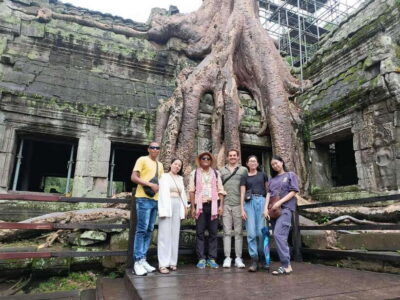 ★ 4.9Full-Day Angkor Wat Guided Tour with SunsetFrom $153,803 reviews
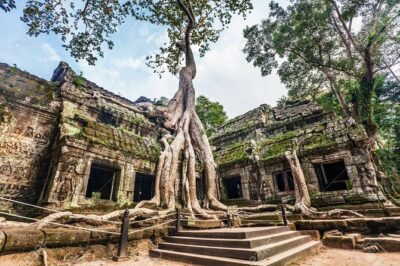 ★ 5.0Angkor Wat Sunrise tour with Small – Group and Guide toursFrom $143,655 reviews
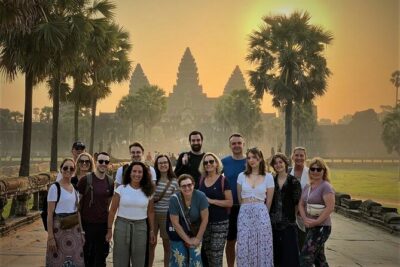 ★ 5.0Angkor Wat Highlights and Sunrise Guided Tour from Siem ReapFrom $233,213 reviews
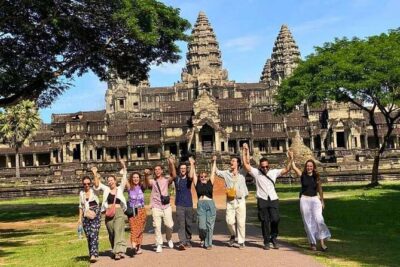 ★ 5.0Angkor Wat Sunset Small Group Tour with Lunch IncludedFrom $203,059 reviews
 ★ 5.0Full-Day Angkor Wat Sunrise Private Tour with Guide from Siem ReapFrom $602,920 reviews
Browse the lists this tour appears in