
Reviewed · ANGKOR TEMPLE TOURS
Angkor National Museum Ticket with Tuk-Tuk Pick-Up
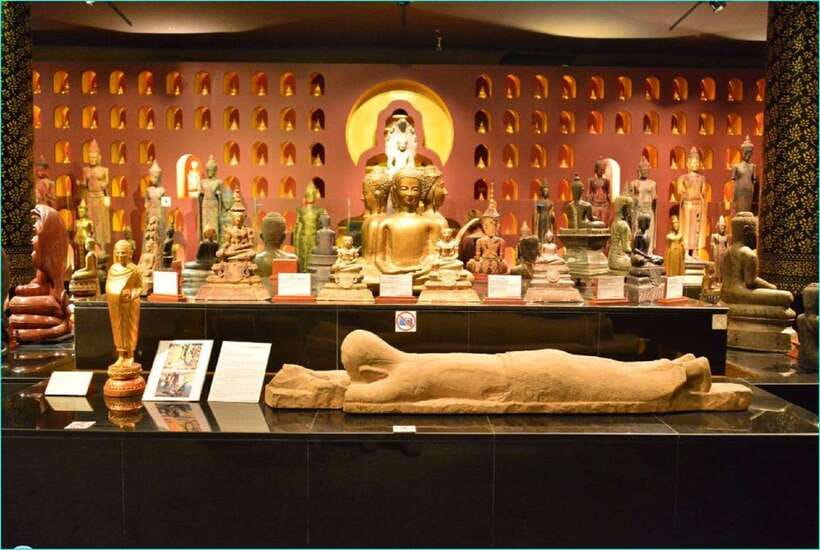
Angkor National Museum is the easiest way to make the temples click. What I love most is the sheer scale of the 1000 Buddha statues and the way the museum organizes Khmer culture into story-like, chronological stops. The museum also builds context for the Angkor Wat and Angkor Thom eras, so your later walks through temple grounds feel less like random stone and more like a lived belief system.
This experience is built around your ticket plus a one-way Tuk-Tuk pickup, and you’re given a map so you can wander through the galleries at your own pace. One possible drawback is that the audio set is not included, and you cannot bring pets or backpacks, so plan for a lighter load and decide if you want that extra interpretation layer.
Key Highlights You’ll Notice Fast
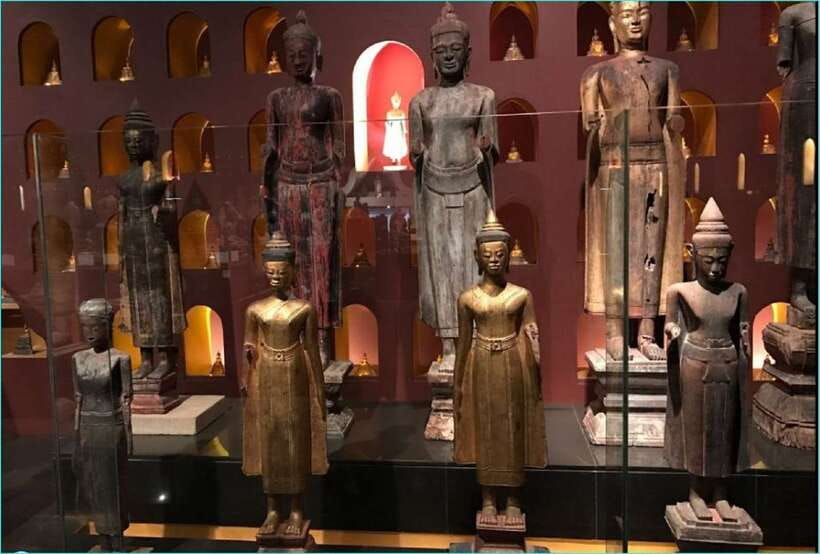
- 1000 Buddha statues that give you a visual shortcut into Khmer religious art
- 8 chronological galleries that turn timelines into something you can actually follow
- A focus on Khmer customs, traditions, and beliefs across the empire’s rise
- Architecture context tied to the Angkor Wat and Angkor Thom eras
- A smooth museum start thanks to English-speaking driver pickup from your hotel area
More temple circuits, set side by side
- Angkor Wat Sunrise or Sunset Tour with Guide from Siem Reap★ 5.0 · 12,109 reviews
- Siem Reap: Angkor Wat: Small-Group Sunrise or Sunset Tour★ 5.0 · 9,444 reviews
- Siem Reap: Angkor Wat 2-Day Tour with Sunrise and Sunset★ 4.9 · 4,429 reviews
- Siem Reap: Full-Day Angkor Wat Guided Tour with Sunset★ 4.9 · 3,803 reviews
Why Angkor National Museum Works So Well Before Temples
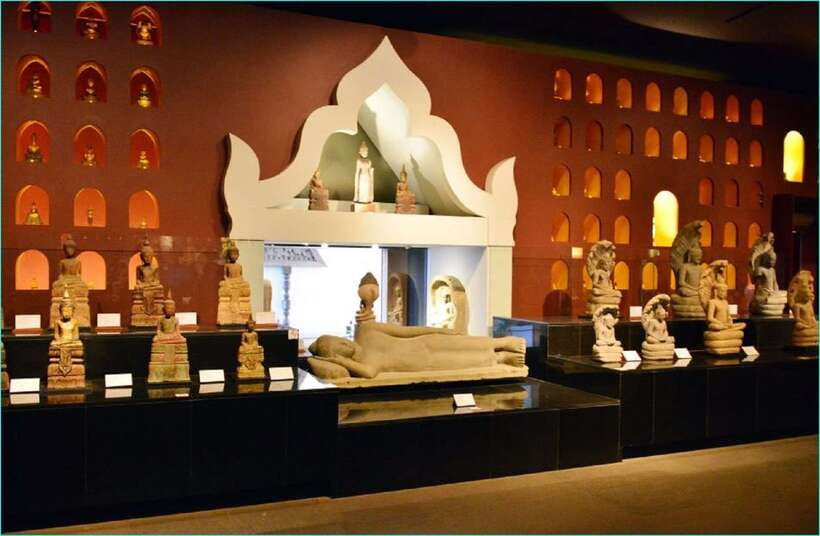
If you are doing Angkor Wat or Angkor Thom in the next day or two, the museum saves you effort. Temples are big. They also repeat motifs, styles, and religious symbolism in ways that can feel confusing if you have not seen the basics first. The Angkor National Museum gives you that foundation, then helps you recognize patterns on the temple sites.
The museum is especially good at translating the Khmer Empire into human terms. You are not just looking at artifacts behind glass. You are walking through scenes that recreate atmosphere, then linking what you see to the next period in time. That matters because Khmer history is not only dates. It is changing beliefs, changing power, and changing artistic choices.
I also like that the experience is designed for understanding, not speed. You spend about 2 hours moving through the galleries, which is long enough to take in key themes but short enough to fit into a busy Angkor plan.
Price and Value: Ticket Plus One-Way Tuk-Tuk Pickup
For $26 per person, you get two practical things: your museum entry ticket and one-way hotel pickup by Tuk-Tuk. For many people in Siem Reap, that pickup alone is worth it, because it removes the first hassle of getting to the museum and waiting around. You also avoid the awkward guesswork of timing with taxis when you want to focus on the visit.
The value part is not only the cost. It is what you get for your time. The tour is short, it runs in English with an English-speaking driver, and it is planned around getting you into the museum so you can start right away.
Two details to keep in mind:
- Audio interpretation is not included, so factor that into your budget if you want it.
- Pickup works only as one way, meaning you are being taken from your accommodation to the museum, not the other way around.
Getting There Without Stress: How Pickup Works
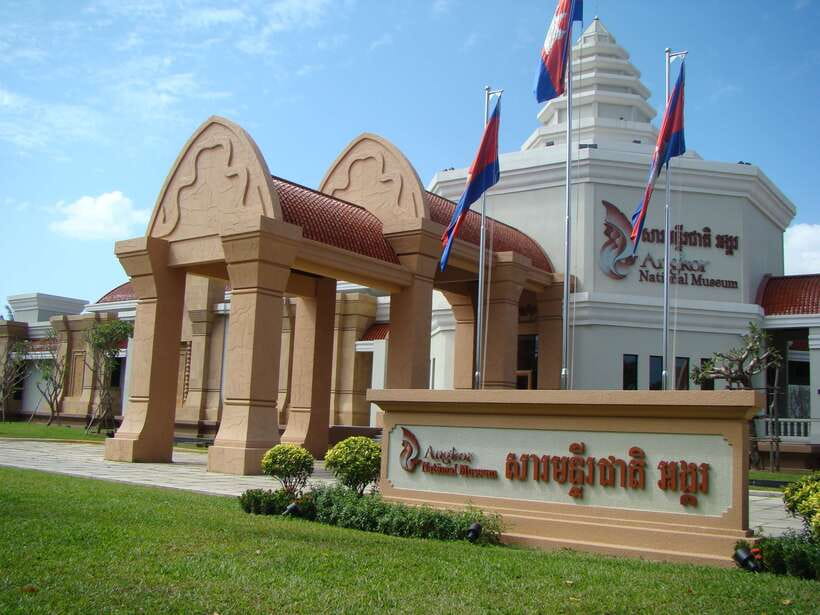
You will be picked up from your hotel name or location using a Tuk-Tuk driver. The key is that they need your hotel details in advance, otherwise the driver may not find you. On pickup day, you wait for the driver at your accommodation lobby.
This sounds basic, but it matters in Angkor planning. Museum timing can be tighter than you expect, and Siem Reap traffic can shift your schedule. Starting with a planned pickup helps you keep the rest of your day intact.
Also, the museum visit depends on having the correct ticket from the provider. If you show up without the ticket they prepare, you could end up stuck, so it is best to treat the ticket as part of the trip, not an optional add-on.
Your 2-Hour Flow: Wandering Through 8 Chronological Galleries
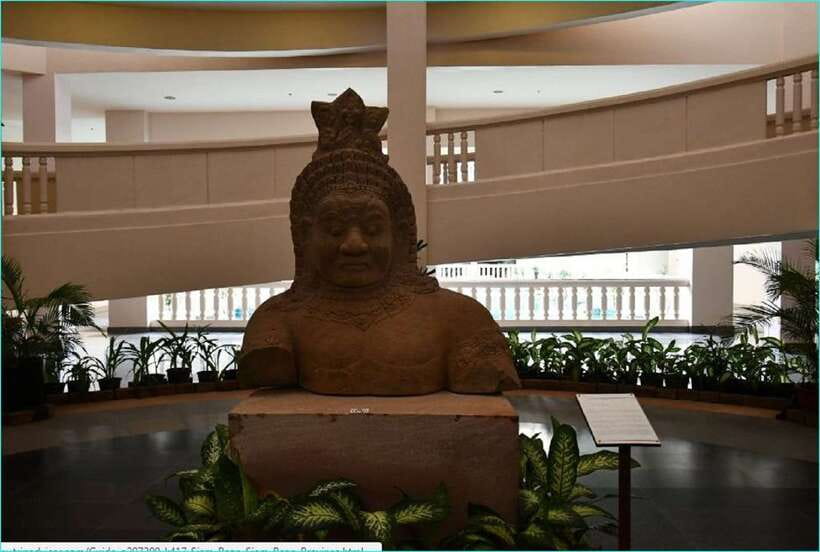
The structure is clear: you receive a map, then you move through the galleries one period after another. The museum’s main job is to reveal the region’s story slowly, with each gallery acting like a chapter.
You can think of the museum as a guided route without the need to stick to a group schedule. That is helpful if you like to pause for photos, reading, or simply comparing details between rooms.
What you will likely notice as you progress:
- Each gallery is organized by time, so the changes in beliefs and style make more sense.
- The museum uses a realistic atmosphere to support the timeline, so it feels less like walking through storage rooms.
- The pacing is designed for a 2-hour visit, which keeps you from feeling rushed but also helps you avoid getting lost for half a day.
Sorting the pass, other easy options




Gallery themes you should look for
You will see content tied to the origins of the Khmer Empire and a broader journey that runs from early creation ideas to the highest point of Khmer civilization. Even without memorizing every exhibit label, you will come away with a better sense of what different periods were prioritizing and why.
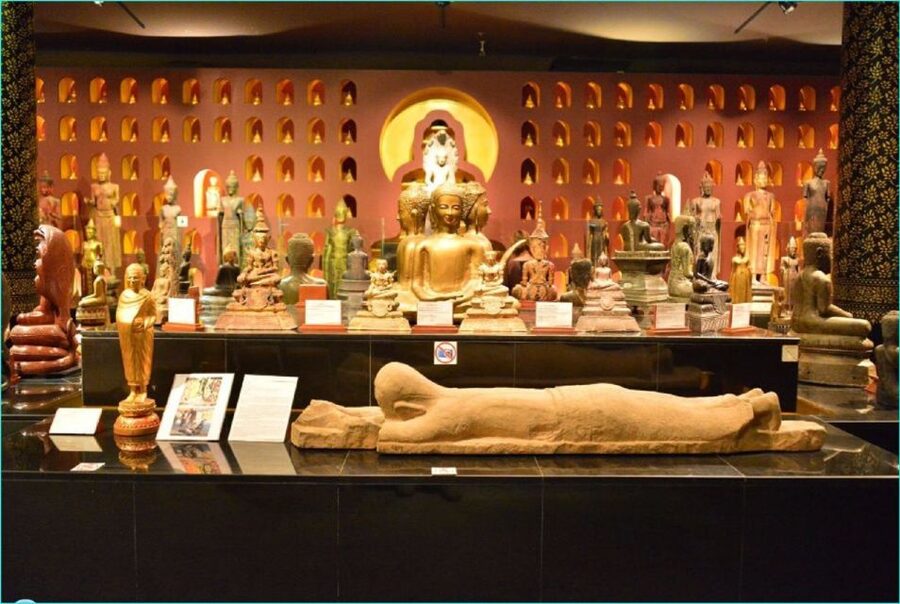
The 1000 Buddha Statues: Art You Can Use to Read the Temples
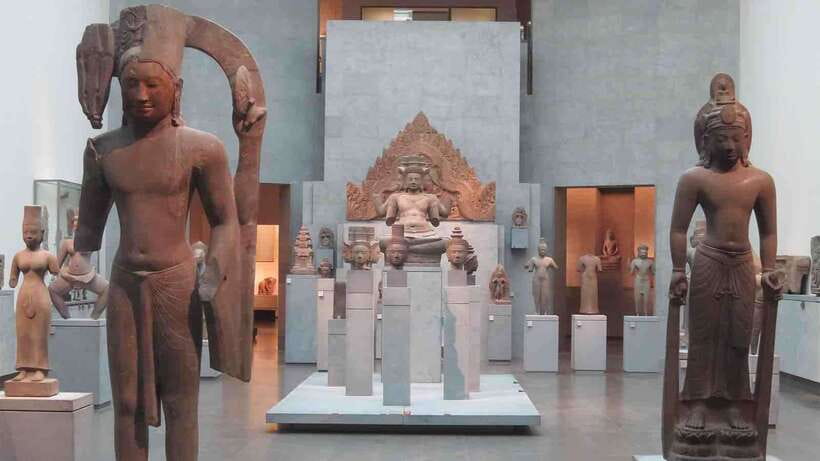
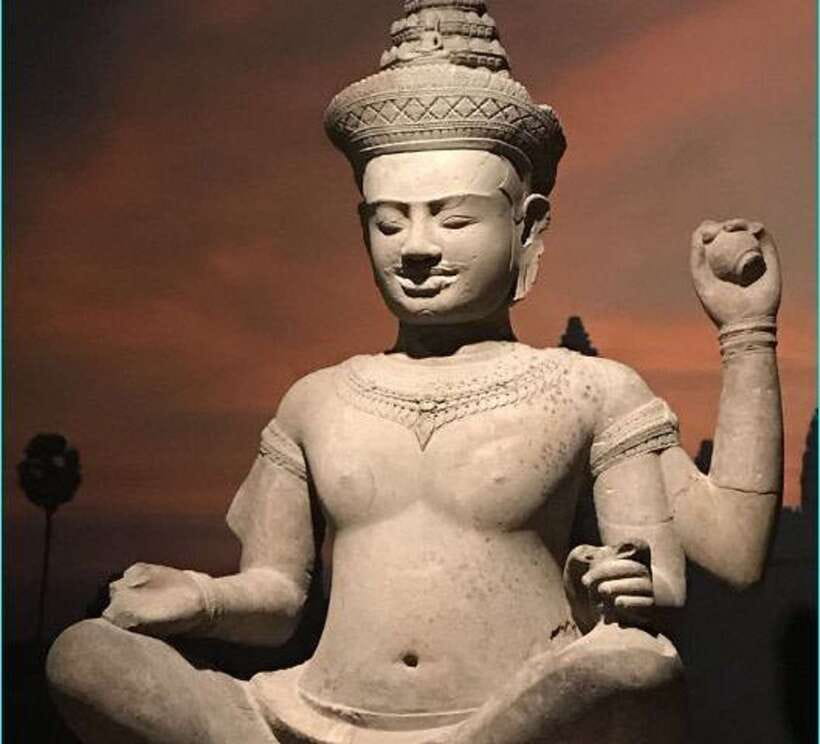
One of the most praised parts of this visit is the gallery featuring 1000 Buddha statues. This is not only impressive because of the number. It is useful because repetition teaches you to see.
When you look at many statues of one religious figure, you start noticing how Khmer artisans expressed belief through form, arrangement, and stylistic choices. Then, when you later see religious imagery at Angkor sites, you are not starting from zero. You already have an internal visual reference point.
If you are the type who loves pattern recognition in travel, this is one of the best museum stops in the area for that. Even if you only spend a few focused minutes there, it tends to change the way you view later temple carvings.
Khmer Empire Origins and Beliefs: What You Learn That Actually Helps
The museum is built to explain customs, traditions, and different beliefs across the Khmer Empire. That sounds broad, but the practical outcome is simple: you understand what you are looking at and why people valued it.
Here are the themes to pay attention to as you move through the timeline:
- The origins of the Khmer Empire, which helps you place Angkor into a bigger story
- How belief systems evolve over time, rather than staying frozen in one moment
- How daily cultural priorities show up in art, religious objects, and architecture references
You will also gain perspective that can make the Angkor sites feel more coherent. Instead of seeing each temple as its own isolated masterpiece, you can recognize it as part of a longer evolution.
One reviewer tip that I agree with: visit the museum before temples if you can. It gives you that early framework that makes your temple day more rewarding, not just more tiring.
Angkor Wat and Angkor Thom Era Architecture, Explained in Plain Terms
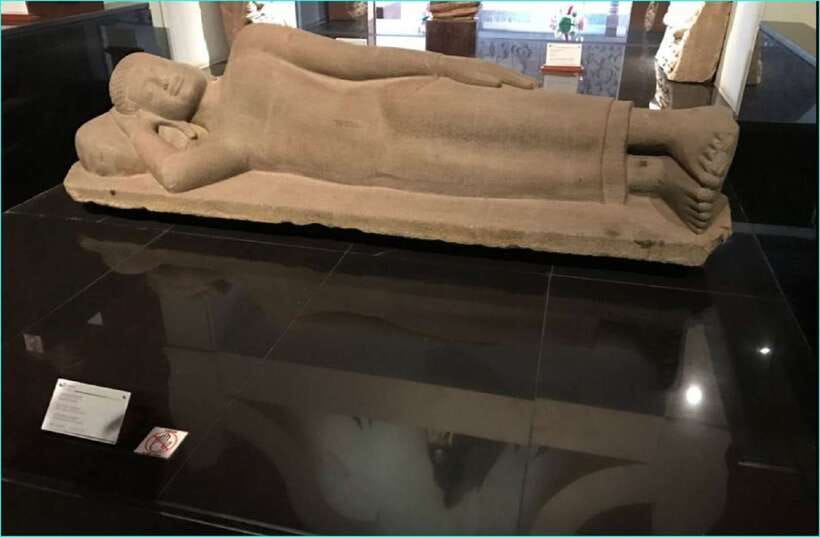
The museum specifically educates you on architecture during the Angkor Wat and Angkor Thom eras. You do not need to be an architecture student to get value here. You just need context.
As you go through the galleries, look for how the museum connects style and symbolism to time. When you later walk through temple zones, you will likely catch things you would otherwise miss, like differences in how religious ideas are expressed through structural choices.
Even if your interest is casual, this is still worthwhile. Angkor architecture can be overwhelming. The museum helps you break it into understandable chunks.
Audio Guide Choice: Worth It if You Want Extra Meaning
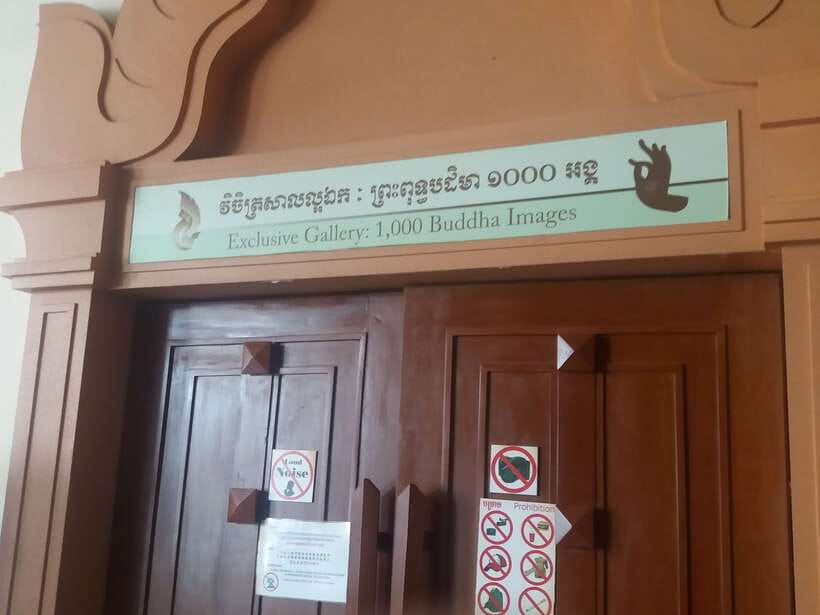
The audio tour set is not included in the base price. That said, if you like to learn while you walk, adding an audio option can be a smart use of your time.
One strong point from past visitors is that the audio guide can be available in multiple languages, including German. So if you are not fluent in English, you might still find a language option that works for you.
If you decide to use audio, use it strategically:
- Listen for the explanations that connect one gallery period to the next
- Save the more detailed bits for the rooms that you care about most, like the Buddha statue display or the architecture-related sections
Timing Tips for a Calm, Useful Visit
This is a short experience at 2 hours, so you want to avoid rushing. Here is how I would pace it if you are trying to maximize learning without burning energy.
First, start with the galleries that match your next day’s temple plan. If Angkor Wat is top of your list, skim until you find the parts that build that architectural understanding, then slow down.
Second, spend extra time where the museum is strongest, like the 1000 Buddha statues. That is where visual repetition gives you the best payoff.
Third, do not over-plan. The map approach means you can adjust on the fly. If you get pulled toward a specific theme, follow it.
What to Bring (and What Not to)
The museum has clear restrictions:
- No pets
- No backpacks
So travel light. If you carry a larger bag, you may need to rethink it before you arrive. A smaller day bag or something you can manage comfortably is a safer bet than packing your whole life.
If you are planning temple time after the museum, you probably already know the usual Angkor habits: water, sunscreen, comfortable shoes. But here, the bag rule is the one that can surprise you.
Who This Tuk-Tuk Museum Ticket Is Best For
This works well for:
- First-timers who want an Angkor education without committing to a long day
- People who like structured learning but do not want a strict group schedule
- Travelers who value cultural context before sightseeing, so the temples make more sense
It might not be your best match if:
- You want a fully guided, spoken commentary throughout every gallery, because this experience is map-led rather than a continuous guide narration
- You hate museum pacing and want only outdoor sights
- You are traveling with a backpack and do not want to rearrange your belongings
Should You Book This Angkor National Museum Ticket with Tuk-Tuk Pickup?
If your goal is to make your Angkor temple day smarter, this is a strong buy. The museum gives you clear cultural footing, and the visit is short enough to fit into your itinerary. The 1000 Buddha statues plus the chronological galleries are exactly the kind of learning that pays off later, especially if you are going to Angkor Wat and Angkor Thom.
I would book it if you:
- Want a practical, low-stress start with one-way Tuk-Tuk pickup
- Like museum visits where you can follow a storyline
- Are open to a lighter, no-backpack experience
Skip it only if you are strictly temple-only and do not want museum time at all, or if you know you will be too rushed to use the 2-hour window well.
FAQ
How long is the Angkor National Museum experience?
The duration is listed as 2 hours.
What is included in the $26 price?
You get the museum entry ticket and one-way hotel pickup by Tuk-Tuk.
What is not included?
An audio tour set is not included, and you will have other personal expenses as needed.
Is pickup from my hotel included?
Yes, one-way pickup is included. You need to provide your hotel name or location so the driver can find you.
Does the driver speak English?
Yes, the driver is listed as English-speaking.
Do I need the ticket in advance?
Yes. The information says you need the tickets provided by them to visit the place.
Are there any rules about bags or pets?
Pets are not allowed, and backpacks are not allowed.
How flexible is the booking?
Cancellation is free up to 24 hours in advance for a full refund. The option also lists reserve now and pay later.
The Temples by Tuk-Tuk
- Siem Reap: Angkor Wat Private Tuk-Tuk Tour
★ 4.9 · 2,222 reviews - Siem Reap Countryside Bike Tour / E-Bike or Tuk Tuk
★ 5.0 · 935 reviews - Angkor Sunrise Bike Tour / E-Bike or Tuk Tuk
★ 5.0 · 615 reviews - Angkor Wat Private Tuk-Tuk Tour (sunrise Option) & more
★ 5.0 · 439 reviews - Old Siem Reap Sunset Food Tour by Tuk-tuk
★ 5.0 · 311 reviews
Passes and Tickets Sorted
- Angkor Wat Admission Ticket
★ 5.0 · 227 reviews - Siem Reap: Angkor Wat Admission Ticket
★ 4.7 · 106 reviews - Kullen Waterfall Park with Small Group included entrance fee
★ 5.0 · 105 reviews - Phnom Kulen National Park Admission Ticket
★ 4.7 · 30 reviews - Angkor Eye Standard Ride Ticket
★ 5.0 · 26 reviews
More Temple Circuits Around Siem Reap
- Angkor Wat Sunrise or Sunset Tour with Guide from Siem Reap
★ 5.0 · 12,109 reviews - Siem Reap: Angkor Wat: Small-Group Sunrise or Sunset Tour
★ 5.0 · 9,444 reviews - Siem Reap: Angkor Wat 2-Day Tour with Sunrise and Sunset
★ 4.9 · 4,429 reviews - Siem Reap: Full-Day Angkor Wat Guided Tour with Sunset
★ 4.9 · 3,803 reviews - Angkor Wat Sunrise tour with Small – Group and Guide tours
★ 5.0 · 3,655 reviews
Just Added: Fresh Siem Reap Tour Reviews

Angkor Temple Tours, compared.
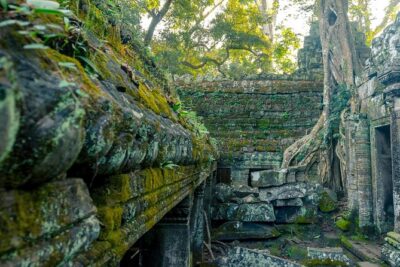 ★ 5.0Angkor Wat Sunrise or Sunset Tour with Guide from Siem ReapFrom $1812,109 reviews
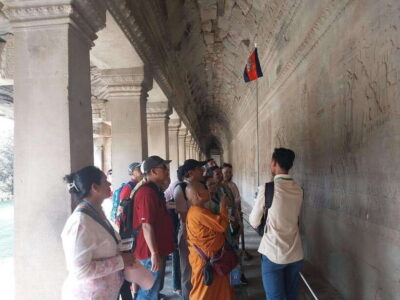 ★ 5.0Angkor Wat: Small-Group Sunrise or Sunset TourFrom $159,444 reviews
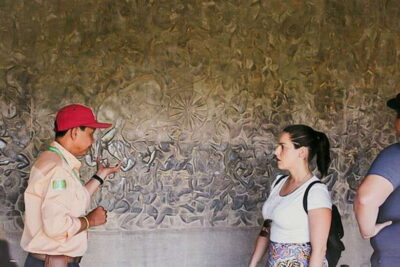 ★ 4.9Angkor Wat 2-Day Tour with Sunrise and SunsetFrom $344,429 reviews
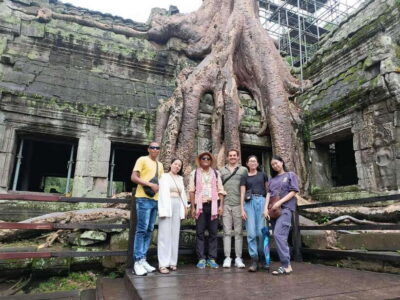 ★ 4.9Full-Day Angkor Wat Guided Tour with SunsetFrom $153,803 reviews
 ★ 5.0Angkor Wat Sunrise tour with Small – Group and Guide toursFrom $143,655 reviews
 ★ 5.0Angkor Wat Highlights and Sunrise Guided Tour from Siem ReapFrom $233,213 reviews
 ★ 5.0Angkor Wat Sunset Small Group Tour with Lunch IncludedFrom $203,059 reviews
 ★ 5.0Full-Day Angkor Wat Sunrise Private Tour with Guide from Siem ReapFrom $602,920 reviews
Browse the lists this tour appears in