
Plan the right Angkor day.
Compare sunrise starts, classic circuits, outer temples, Tonle Sap afternoons and Khmer evenings by walking load, pickup time, admission and the day each booking creates.
Seven bookings that carry the trip.
First visit or fifth, these are the tours that make Siem Reap: the sunrise everyone gets up for, the tree-choked ruins, the boat out to the floating villages, and the temples you would never find the good corners of alone.
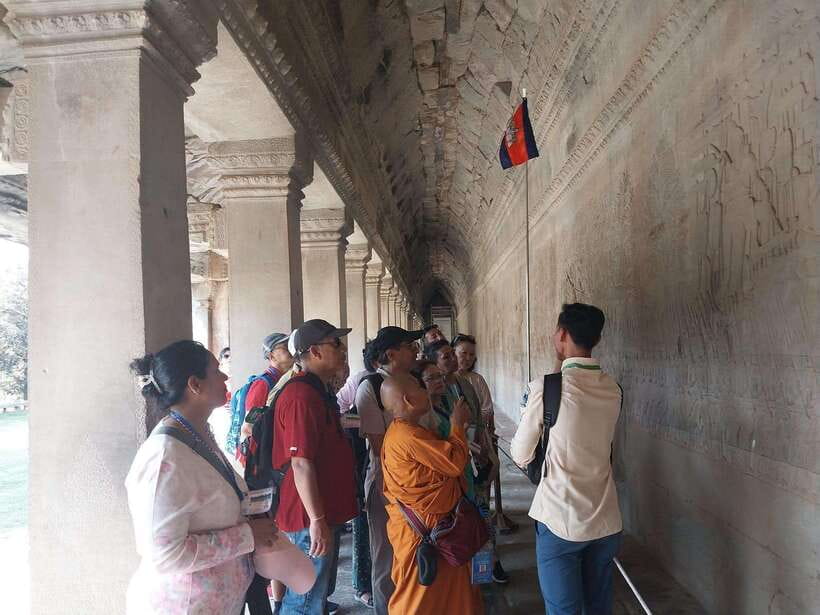
Angkor Wat: Small-Group Sunrise or Sunset Tour
Sunrise Angkor Wat plus major Angkor temples on a small group day. English guide, AC van, and cool towels included for $15.
From $15 per person
Read the review →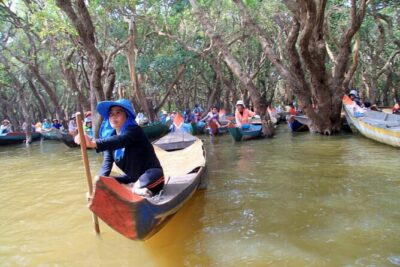 ★ 5.0Safe betSunset tour of Kampong Phluk stilts home village on the Tonle SapFrom $214,865 reviews
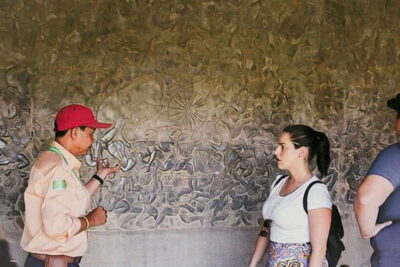 ★ 4.9Books out fastAngkor Wat 2-Day Tour with Sunrise and SunsetFrom $344,429 reviews
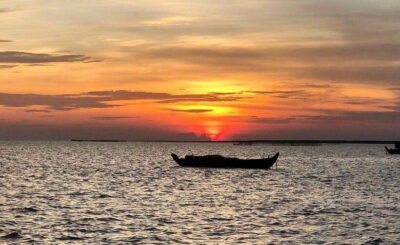 ★ 4.9Crowd favouriteKampong Phluk Floating Village Tour with BoatFrom $193,843 reviews
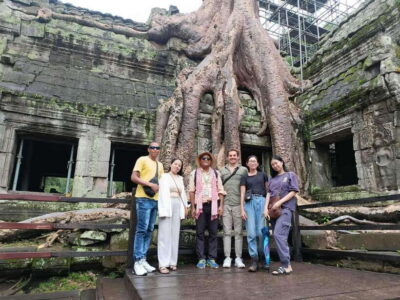 ★ 4.9Worth the early startFull-Day Angkor Wat Guided Tour with SunsetFrom $153,803 reviews
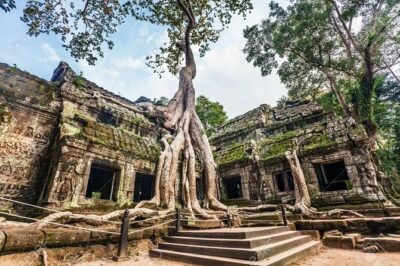 ★ 5.0Easy winAngkor Wat Sunrise tour with Small – Group and Guide toursFrom $143,655 reviews
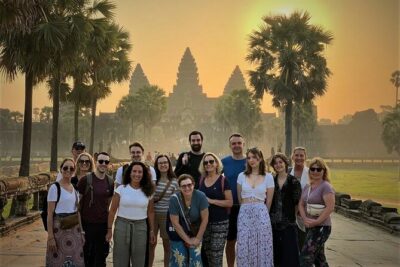 ★ 5.0Traveller favouriteAngkor Wat Highlights and Sunrise Guided Tour from Siem ReapFrom $233,213 reviews
One sunrise, then a day of temples.
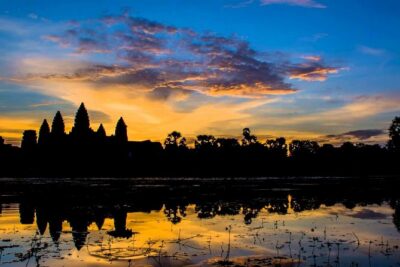
Be at the causeway before five, watch the five towers come up black against the pink, then spend the day inside the walls: the Bayon’s stone faces, the long bas-relief galleries, Ta Prohm under its trees. The tour you pick sets the pace for all of it, so pick well.
How many days do you give Angkor?
The temples are bigger than one morning, and the passes come in one, three and seven days for a reason. How long you stay decides how far past Angkor Wat you get. Three honest ways to plan it, and every tour behind them is already reviewed and priced.
 The highlights
One day
from $18 · 12,109 reviews
Sunrise at Angkor Wat, the Bayon faces by mid-morning, Ta Prohm before the heat. Tight, but you will have seen the three everyone comes for. Best for a first visit on a short trip, with a driver who knows the light and the shortcuts between temples.
See the one-day tours →
Room to breathe
Two days
2 days · from $34 · 4,429 reviews
Split it. Sunrise and the main temples on day one, the grand circuit and a slower afternoon on day two. Time for the galleries you would otherwise rush past, and a second sunrise waiting if the first one clouded over.
See the two-day tours →
The whole story
Three days and up
2 days · from $34 · 4,429 reviews
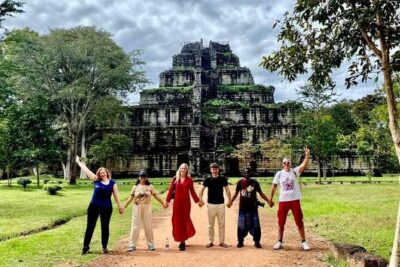
The full pass. Banteay Srei’s pink carvings, jungle-swallowed Beng Mealea, the collapsed pyramid at Koh Ker. For travellers who came for Angkor and want to see well past the postcard three temples.
See the multi-day tours →
The highlights
One day
from $18 · 12,109 reviews
Sunrise at Angkor Wat, the Bayon faces by mid-morning, Ta Prohm before the heat. Tight, but you will have seen the three everyone comes for. Best for a first visit on a short trip, with a driver who knows the light and the shortcuts between temples.
See the one-day tours →
Room to breathe
Two days
2 days · from $34 · 4,429 reviews
Split it. Sunrise and the main temples on day one, the grand circuit and a slower afternoon on day two. Time for the galleries you would otherwise rush past, and a second sunrise waiting if the first one clouded over.
See the two-day tours →
The whole story
Three days and up
2 days · from $34 · 4,429 reviews
The full pass. Banteay Srei’s pink carvings, jungle-swallowed Beng Mealea, the collapsed pyramid at Koh Ker. For travellers who came for Angkor and want to see well past the postcard three temples.
See the multi-day tours →
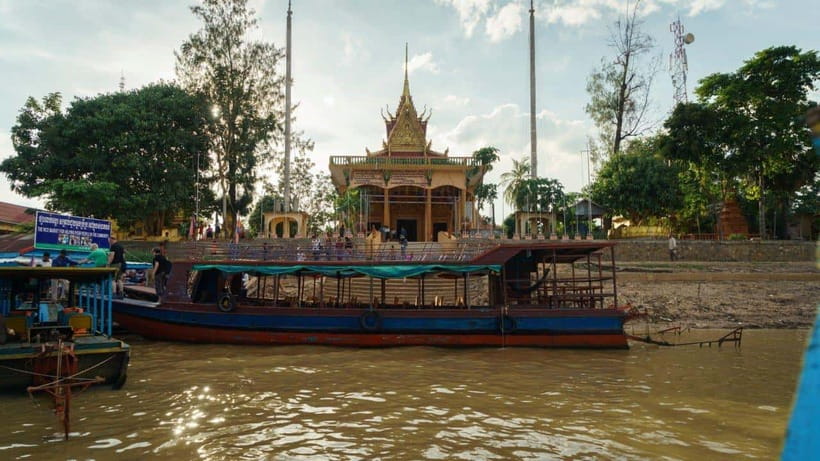
The lake takes the last of the light.
An hour south of the ruins, Tonle Sap swells into a floating world of stilt houses and paddled canoes. Come late, when the water turns gold and the day boats head in, and the flooded forest goes quiet. It is the other half of Siem Reap, and most visitors miss it.
Dinner is a lesson here.
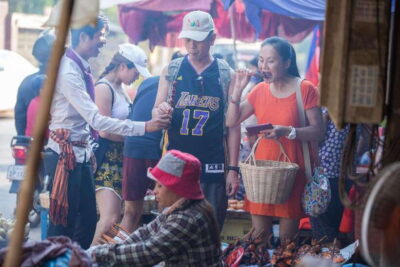
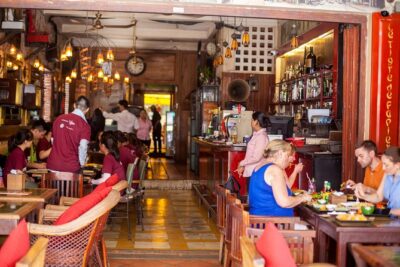
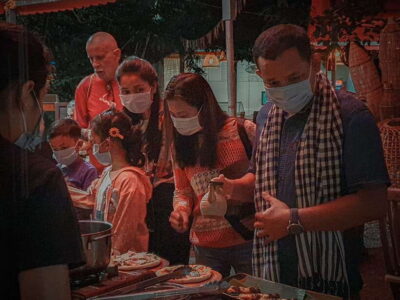
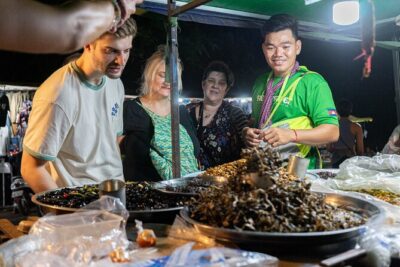
Amok steamed in banana leaf, lok lak spitting in the wok, palm sugar you will try to smuggle home. Eat your way through the night markets by tuk-tuk, or spend a morning learning to cook it yourself. Either way you leave knowing what to order for the rest of the trip.

The old stories, still being told.
Apsara dancers hold the same poses carved into the Angkor walls, fingers bent back, gold headdresses catching the light. A few streets over, Phare turns Cambodia’s hard recent history into circus you cannot look away from. Two very different nights, both worth the ticket.


The stone lost, and it is better for it.
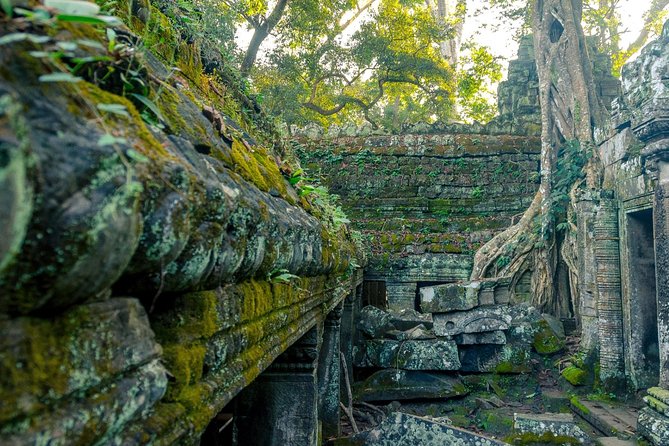
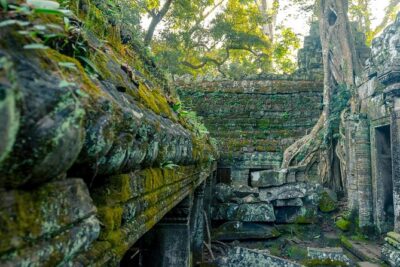
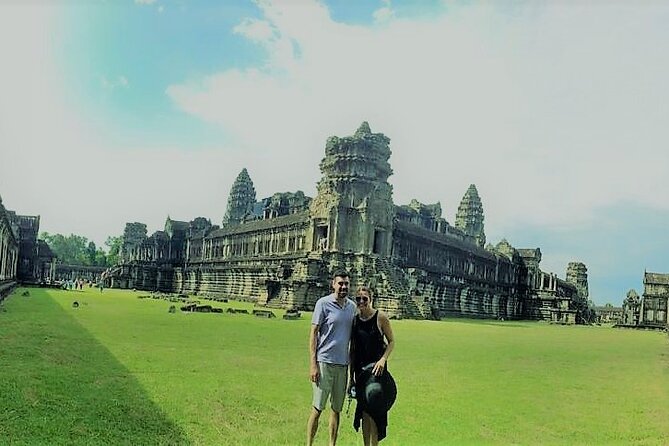
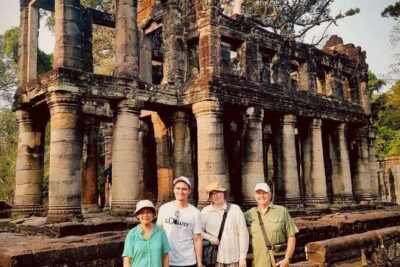
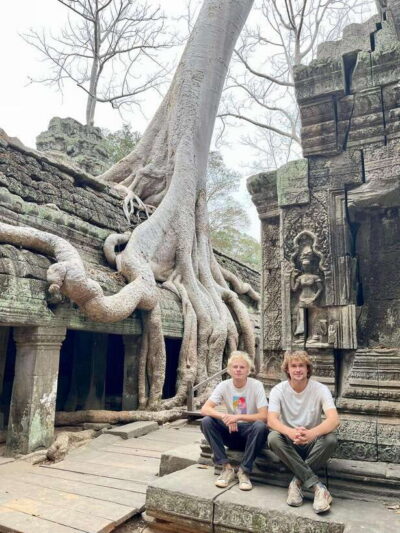
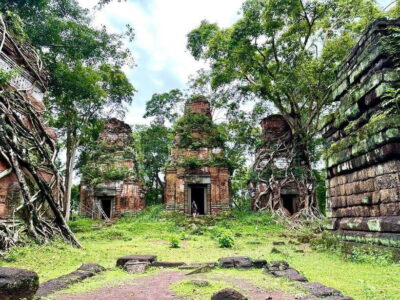
At Ta Prohm the roots pour over the galleries like slow water; at Beng Mealea the whole temple lies collapsed under the forest, half a day from the main road. These are the ruins the restorers left to the trees, and they are the ones you will remember. Go early, go quiet.
Every temple is its own day.
Angkor is not one site but dozens, spread across miles of forest. Angkor Wat for the sunrise. The Bayon for its four-faced towers. Ta Prohm for the trees. Banteay Srei for carving so fine it looks pressed, not cut.
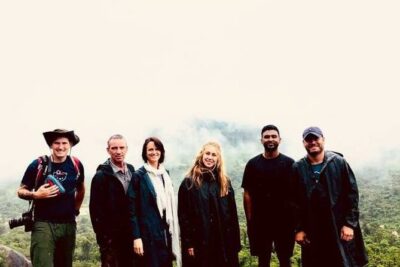
Know how you want to travel?
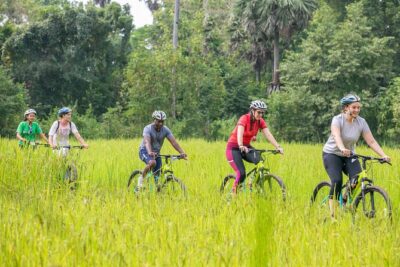
A dozen ways into the same landscape, from a dawn balloon over the moat to a slow cycle through the rice fields. Pick the one that sounds like your kind of day.
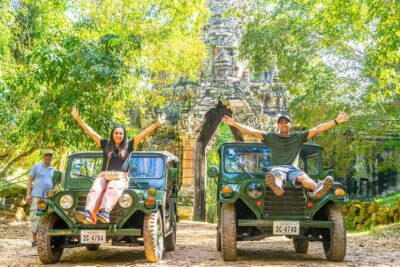
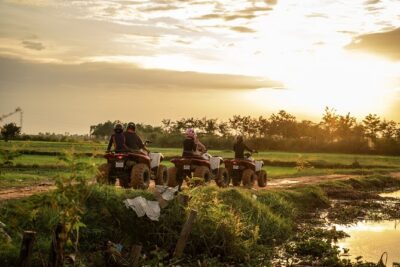
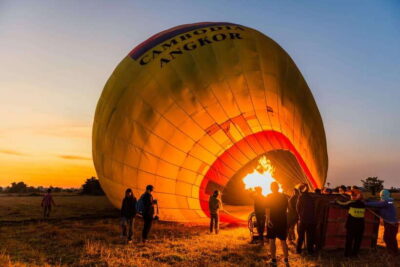
The best temples are the far ones.
An hour or two past the main park, the crowds thin to nothing. The collapsed jungle temple at Beng Mealea, the forest pyramid at Koh Ker, the cliff-top sanctuary at Preah Vihear, waterfalls on the sacred mountain. Long days, early starts, worth every kilometre.
Three days at Angkor.
You cannot see all of Angkor in one trip, but three days gets you the temples, the lake and the jungle without a forced march. This is the order we would hand a friend flying into Siem Reap tomorrow.
Day 1
Sunrise and the main temples
Up in the dark for the sunrise at Angkor Wat, the Bayon faces by mid-morning, Ta Prohm and its trees before the heat sets in. A tuk-tuk between them, a long lunch, an early night.
Plan day one →
 Day 2
The grand circuit and the jungle
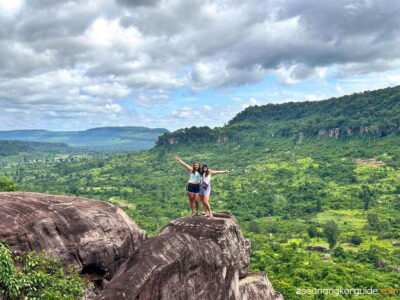
The outer temples at your own pace: Preah Khan’s corridors, the pink carving at Banteay Srei, collapsed Beng Mealea under the forest. Fewer crowds, bigger trees, a picnic in the shade.
Plan day two →
Day 2
The grand circuit and the jungle
The outer temples at your own pace: Preah Khan’s corridors, the pink carving at Banteay Srei, collapsed Beng Mealea under the forest. Fewer crowds, bigger trees, a picnic in the shade.
Plan day two →
 Day 3
The lake and the last light
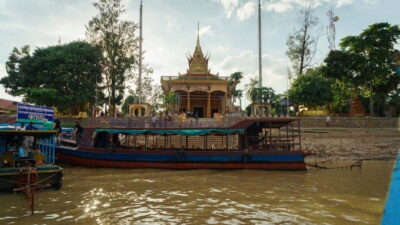
Trade stone for water. A boat through the floating villages of Tonle Sap, the flooded forest by canoe, and a sunset over the lake before a final Khmer dinner back in town.
Plan day three →
Day 3
The lake and the last light
Trade stone for water. A boat through the floating villages of Tonle Sap, the flooded forest by canoe, and a sunset over the lake before a final Khmer dinner back in town.
Plan day three →
Latest Siem Reap reviews.
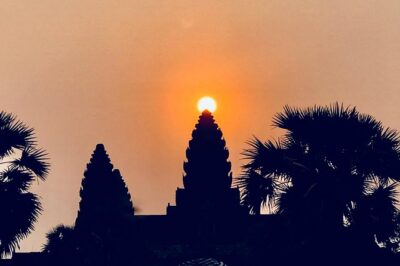 ★ 5.01 Day | Angkor Wat Sunrise with Small TourFrom $663 reviews
 ★ 5.0Apsara Dancing Show with Buffet Dinner Free Hotel Pick upFrom $293 reviews
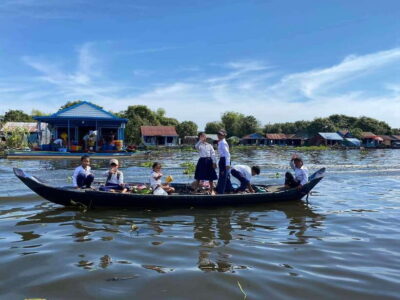 ★ 4.8Tonle sap, Kompong Phluk (Floating village)From $153 reviews
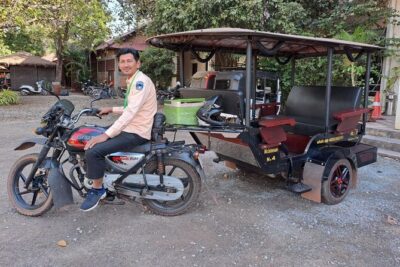 ★ 3.5Sunrise Angkor Wat Temple Half Day Tour ( Small-Group Tour)From $143 reviews
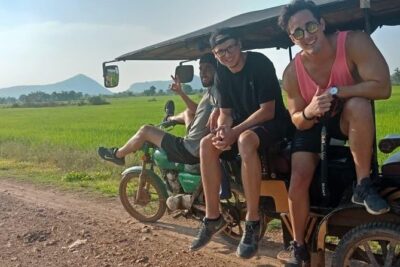
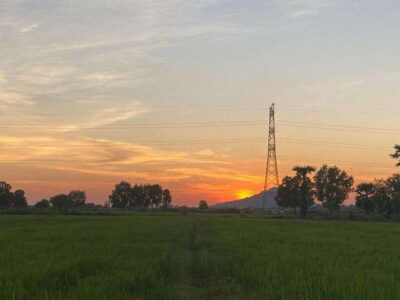 ★ 5.0Authentic Siem Reap: Tuk Tuk Countryside and Sunset TourFrom $693 reviews
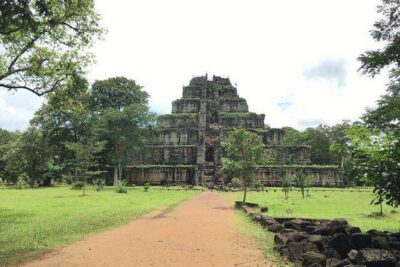 ★ 5.0Private Tour to Koh Ker and Beng MealeaFrom $953 reviews
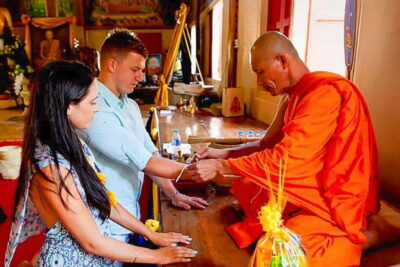 ★ 4.8Siem Reap Cambodian Buddhist Water Blessing and Local MarketFrom $453 reviews
 ★ 5.0Private Transfer: Siem Reap Angkor Internation Airport to HotelFrom $203 reviews