
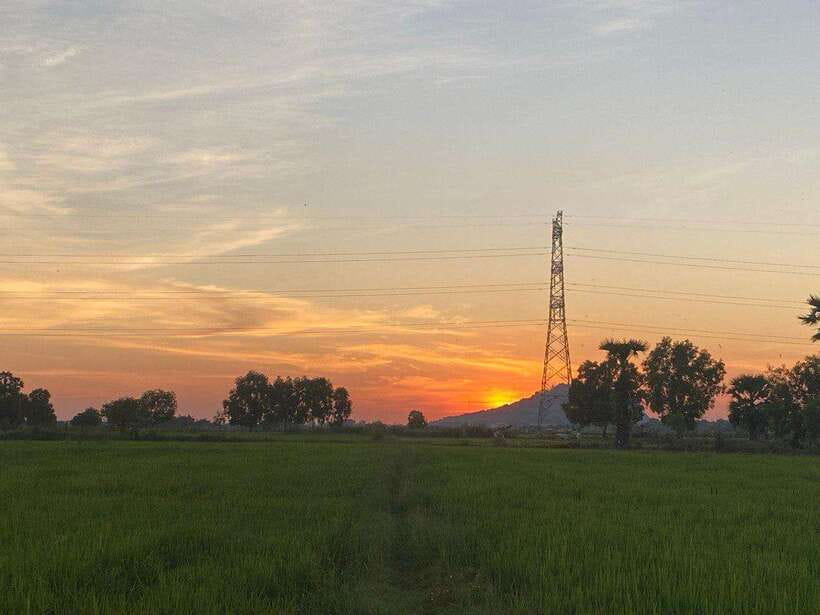
Reviewed · ANGKOR SUNRISE & SUNSET TOURS
Authentic Siem Reap: Tuk Tuk Countryside and Sunset Tour
Temples are great, but this is real life. This Siem Reap half-day ride takes you past the usual route and into rural routines, with tuk tuk time, hands-on food moments, and a slow sunset finish. You start with a market look at everyday Cambodia, then move into rice, wine, baskets, and lotus, before ending near Phnom Krom for dinner-style lotus dishes.
I especially love how the day explains the logic behind what you see. The rice wine stop is not just a photo op, it shows how rice becomes wine and how the leftovers feed pigs, so the whole process feels practical and human. I also like the Lotus Farm visit because you learn how lotus becomes textiles and you get lotus tea and cake with a view that makes the work feel worth it.
One consideration: it is a countryside day, so plan for uneven ground and sun. Bring comfortable shoes and insect repellent, and if you need wheelchair access, this one is not the right fit.
5 key reasons this Siem Reap sunset tour feels worth it
- Rural market time that connects food to culture, not just shopping stops
- Rice wine distillation with a closed-loop food story, rice to wine and leftovers to pigs
- Baskets, bamboo, and spirit houses that you can spot at everyday homes
- Lotus Farm workshop support for women, paired with lotus tea, cake, and views
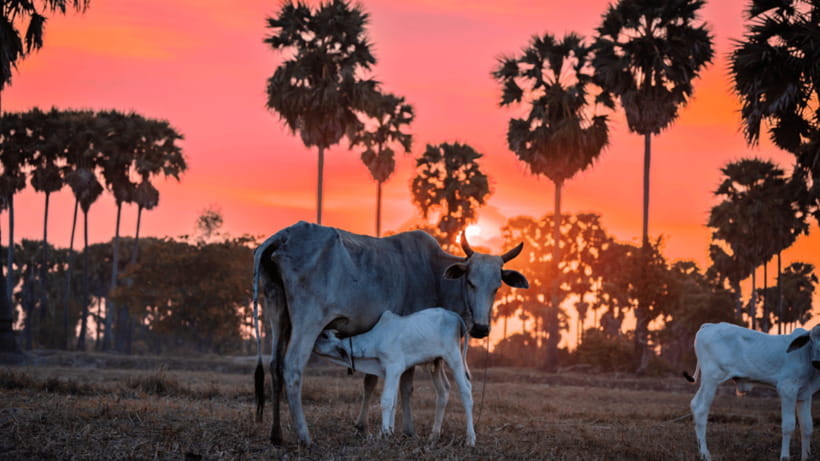
- A calm rice-field sunset at Phnom Krom, with lotus dishes to keep the mood relaxed
Chasing the light? More dawn and dusk runs
- Angkor Wat Sunrise or Sunset Tour with Guide from Siem Reap★ 5.0 · 12,109 reviews
- Siem Reap: Angkor Wat: Small-Group Sunrise or Sunset Tour★ 5.0 · 9,444 reviews
- Sunset tour of Kampong Phluk stilts home village on the Tonle Sap★ 5.0 · 4,865 reviews
- Siem Reap: Angkor Wat 2-Day Tour with Sunrise and Sunset★ 4.9 · 4,429 reviews
Entering rural Siem Reap by tuk tuk, not by rush
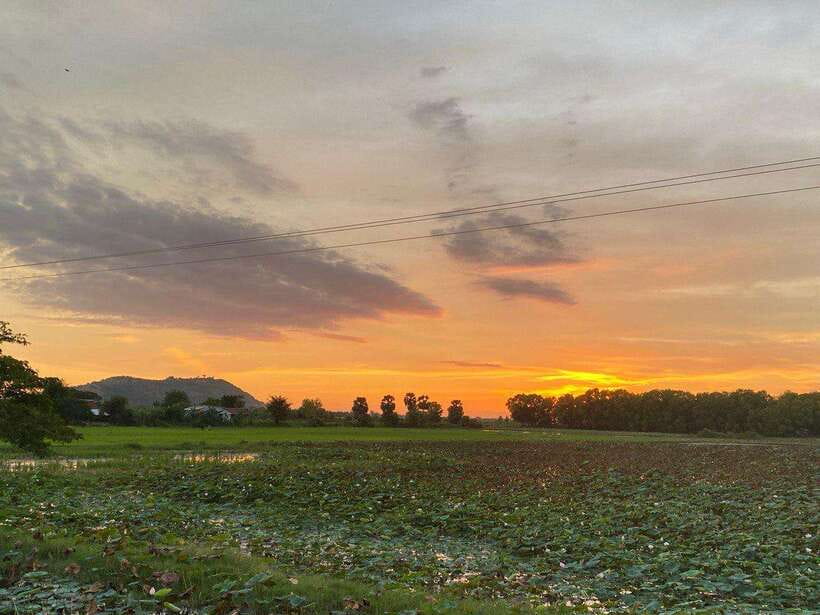
This is the kind of tour that helps you balance a Cambodia trip. After temple days, it is refreshing to switch gears to food, crafts, and field life, all while riding comfortably in a tuk tuk with a guide who talks you through what you are seeing.
The pace is built for an afternoon. You get a pickup from your hotel in Siem Reap, then you head out with a guide who keeps things easy, conversational, and focused on real day-to-day life. You also get an English-speaking guide, which matters here because so much of what makes this meaningful is in the explanation, not just the scenery.
One neat detail from real bookings: some people have had a more personal experience with guides like Sarah, Ben, or Hong Ho, with drivers such as Mrs. Mom. Even if your group ends up larger, the tour style feels built for questions, photos, and stopping when something is worth looking at.
Hotel pickup and settling into the countryside rhythm
Your day starts at your hotel, so you do not lose time figuring out transport on your own. That also means you can keep the morning and early afternoon looser, especially if you are coming from a temple morning.
Once you meet your guide, you get a quick introduction to how the day flows. Then it is straight into countryside rhythm: slower roads, field edges, and the kind of rural settings where you start noticing small things you would normally miss. This is where the tuk tuk format helps. It keeps the day moving but still lets you pause, look closely, and take your time.
If you get the urge to overpack, resist. This is not a museum tour where everything stays indoors. You’ll want to be ready to walk a bit and stand in sun for views, especially near the end.
The local market stop: where food habits make sense
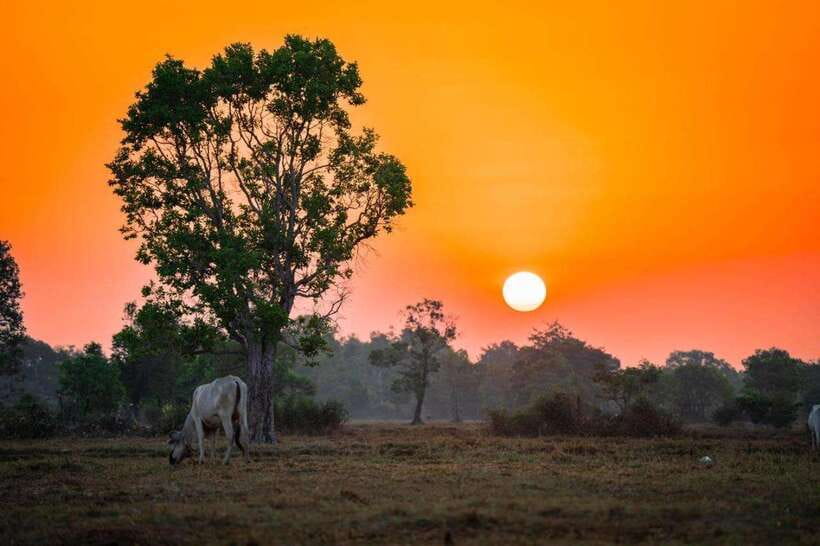
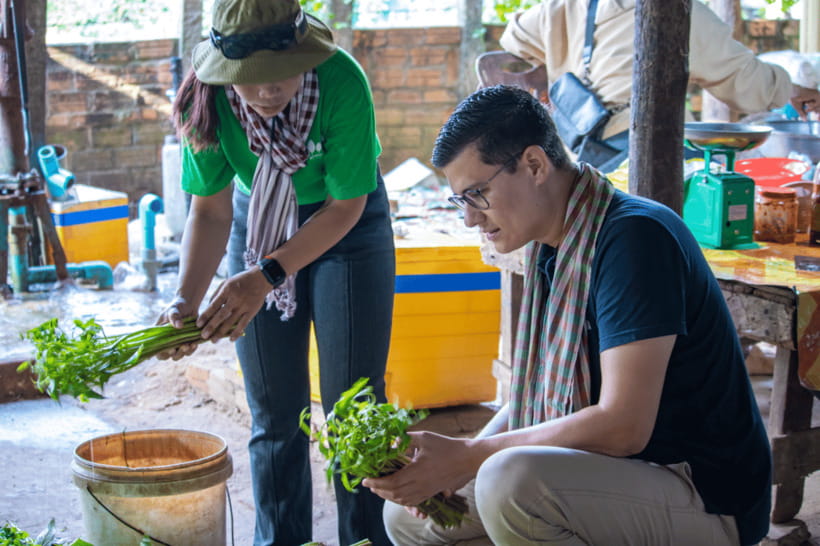
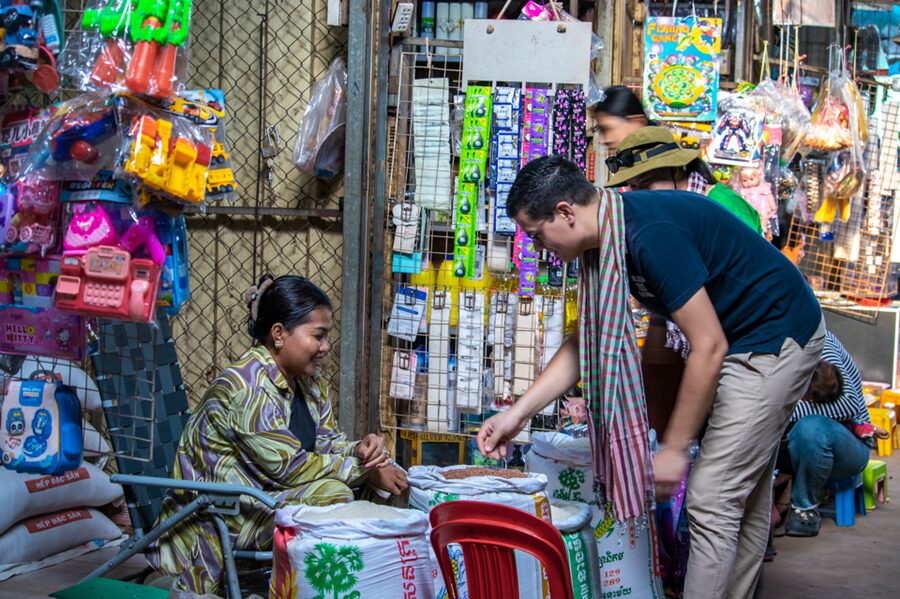
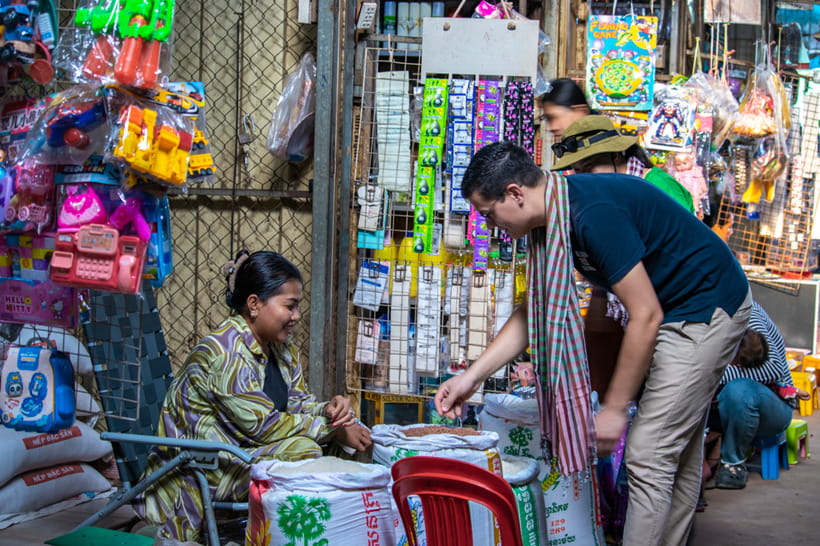
Your first major stop is a local market. Instead of treating it like a quick photo zone, you get time to understand what a market does for everyday life and how local produce fits into daily eating.
This is where you learn to connect modern changes with older habits. Your guide talks about how supermarkets have affected customs, especially around what people think healthy eating looks like. It is an honest way to see change, not just celebrate tradition.
You also get practical comfort here. Markets are where you can spot ingredients, snack culture, and food patterns that match what you’ll see later in the rice and lotus stops. If you like eating with intention, this is a great warm-up.
Basket craft and the meaning of spirit houses
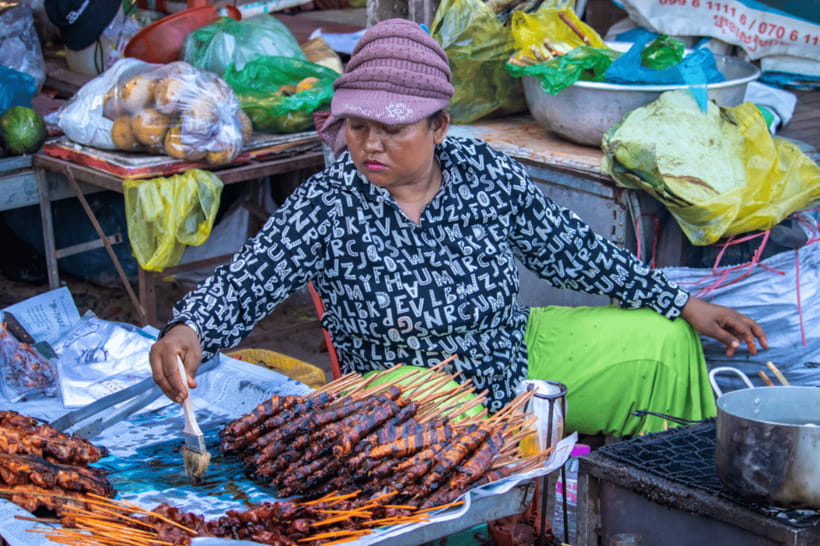
Next, you visit a local basket shop, where you’ll see how materials like wood, bamboo, and even rotting wine are used to make tools and objects for daily life. It sounds oddly specific, but that is exactly the point. The process is tied to available resources, and Cambodia’s crafts often grow out of what the community already has.
You can expect a guided walk through practical products used for:
- cooking supplies
- religious objects
- everyday tools and household items
- décor items
Another detail that is easy to miss unless someone points it out: the little spiritual houses you can see at the front of many residences. In this stop, you learn what they are for, which changes how you read the street when you’re back in town. After this, you’ll notice those shrines in the real world, not just when you are standing in a workshop.
This is also a good place to ask questions about daily routines, because the craft connects directly to how people prepare food and care for the home.
Past the rice fields, more village days
Rice wine distillation: fermentation, leftovers, and farm logic
The rice wine distillation portion is one of the most praised parts of the day, and I can see why. It is not just tasting and take-home souvenirs. You visit a local rice farm where rice is grown and fermented into rice wine, then you hear the story of how the system supports itself.
The key lesson is the circular use of resources. The household uses farm rice for rice wine production, and the leftover rice after fermentation gets used to feed pigs. That one idea makes the whole process feel grounded. You start seeing the farm not as a single product, but as a working set of relationships.
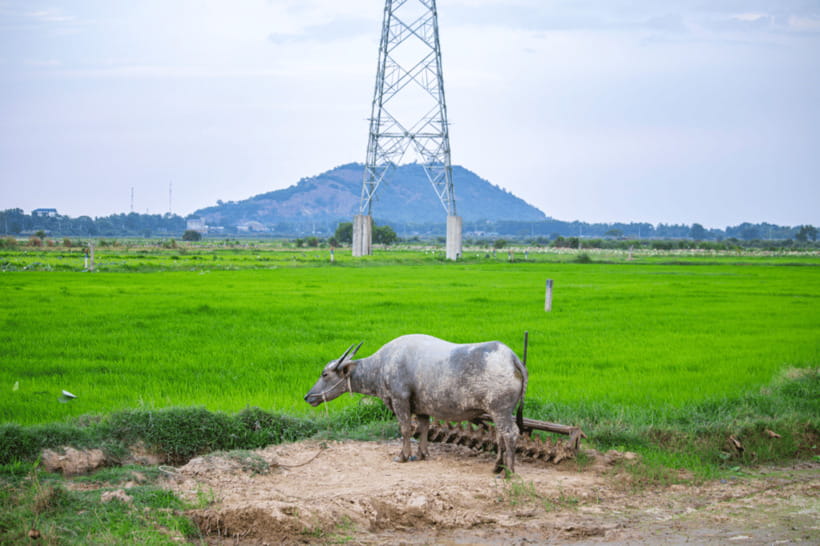
You also hear stories connected to farm animals, including raising cows and buffalos. That matters because it helps you understand why land use, labor, and food preparation are linked. Even if you do not remember every detail, the logic sticks: this is a food system, not an attraction.
Expect snack moments during the farm time too. You’ll have local snacks and drinks, and you get the chance to try freshly distilled local rice wine. If you do not drink alcohol, you can still enjoy the explanations and the food side, but be ready that the tasting is part of the experience’s heart.
Lotus Farm workshop: textiles, tea, and a view that slows you down
After rice, lotus is the satisfying shift from edible to botanical. At the Lotus Farm stop, you learn about how the lotus plant can be used to make textiles. You also hear how the lotus flower connects to Buddhist teaching and belief in Cambodia.
This is not only a craft lesson. It’s also tied to a social enterprise that supports work for local women and promotes environmentally conscious energy use. That blend of tradition, business, and community impact is a rare mix in a short tour.
When you finish the workshop portion, you get lotus cake and freshly brewed lotus tea in the tea lounge. The best part is that the lounge sits where you can enjoy a 360-degree view of the surrounding scenery. This is when the day finally gives you room to exhale and let everything you’ve learned sink in.
I also like that lotus shows up again later. So even if this stop is your favorite, it still fits into a bigger theme of how local plants shape everyday life and food.
Phnom Krom sunset: rice fields, lotus dishes, and calm time
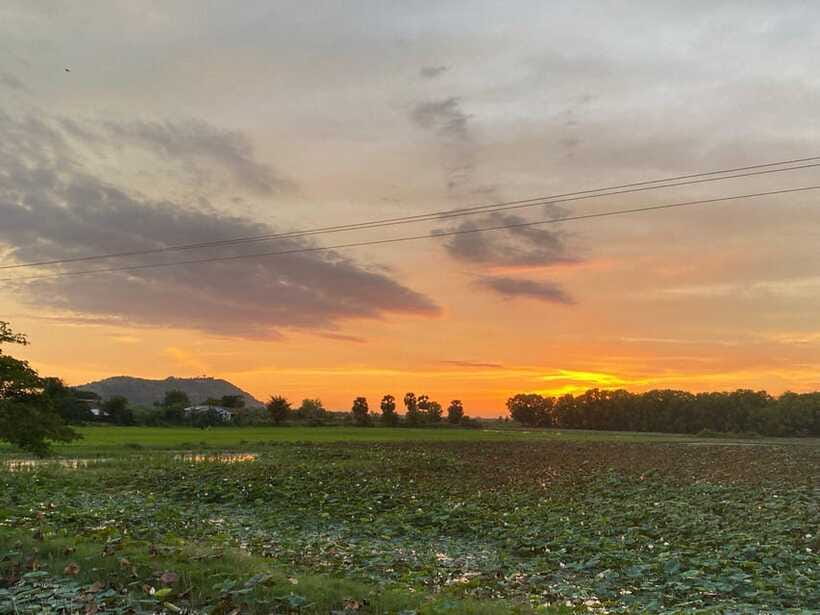
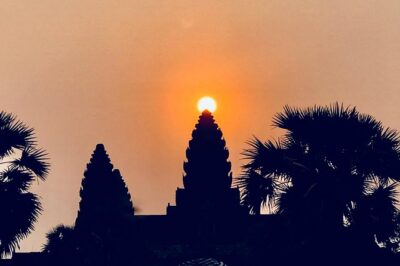
The last act is a relaxed sunset by the rice fields at Phnom Krom. Instead of rushing to catch one perfect moment, you sit on a traditional mat and take in the slow change of light.
While you watch the sun lower, you can enjoy fresh and healthy countryside cuisine. The emphasis is on lotus dishes, which ties the day together. By now you’ve already learned about lotus meaning and lotus products, so eating lotus in its food form feels earned, not random.
You’ll also have a bit of free time built into the end of the tour. That’s useful because it gives you a chance to wander slightly for photos or just soak in the quiet. One tip: if you care about photos, bring your camera out early and keep it ready. Sunset lighting changes fast, and the best angle often comes a minute before you think it will.
Then you ride back to your hotel, with extra countryside views along the way. The ride back is when you realize how much of the day was about ordinary rural life, not just special stops.
Price and what you get for $69
At $69 per person for a 4-hour tour, the value is less about the ride and more about the combination of things that are usually separate. Here, you get:
- hotel pickup and drop-off
- transportation by tuk tuk
- a professional English-speaking guide
- local snacks and drinks
- local foods for tasting
- all fees and taxes
Because food tasting and guide time are included, you are not just paying for sightseeing. You are paying for context, explanations, and chances to sample the local flavors connected to rice and lotus.
What is not included is personal spending. That usually means souvenirs or extra purchases. I’d plan a small cash budget for anything you fall in love with during the market and craft stops, then keep the rest of your budget safe for your next meal.
Who this tour suits best, and where it may not fit
This is a strong choice if you want more than temples. You’ll like it if you enjoy food learning, crafts, and countryside explanations, and if you want a sunset finish that feels calm instead of chaotic.
It also suits travelers who like small group or flexible pacing. One booking described a day with only guide Ben and one participant, which hints that the tour can feel personal when the group is small.
It may not fit if you need wheelchair access, since it is listed as not suitable for wheelchair users. It is also not suitable for people over 95 years. If you’re traveling with older family members, check the comfort level for walking and sitting on mats in the countryside.
What to bring so the day stays easy
The tour gives you a countryside afternoon, so dress and pack with that in mind. Bring:
- comfortable shoes
- sunglasses
- a camera
- comfortable clothes
- insect repellent
Also consider sun protection like sunscreen and a hat, since you’ll be outdoors for the market, farm time, and especially the sunset. If you bruise easily from sun or bugs, plan ahead. This is the sort of day where one uncomfortable moment can steal the fun.
Should you book this Siem Reap countryside and sunset tour?
Yes, if you want a more authentic Siem Reap day after temple mornings. I’d book it for the way it connects rice farming, rice wine, lotus crafts, and lotus food, all explained by an English-speaking guide with time to ask questions.
Skip it only if your ideal day is purely sightseeing with minimal walking and minimal time outdoors. This is a hands-on, food-focused, countryside experience, so you’ll enjoy it most when you’re ready to slow down and pay attention to everyday life.
FAQ
What is the tour duration?
The tour lasts about 4 hours.
Where does the tour take place?
It takes place in Siem Reap Province, Cambodia, with pickup and drop-off in Krong Siem Reap.
How do I get from my hotel to the countryside?
The tour includes hotel pickup and drop-off, and you travel by tuk tuk.
What food and drinks are included?
Local snacks and drinks are included, and you also get local foods for tasting during the stops.
Is the tour offered in English?
Yes. The tour includes a live English-speaking guide.
What should I bring?
Bring comfortable shoes, sunglasses, a camera, comfortable clothes, and insect repellent. Sunscreen and a hat can also help.
Is it wheelchair accessible, and is there an age limit?
It is not suitable for wheelchair users, and it is also not suitable for people over 95 years.
Can I cancel and get a refund?
Yes. Free cancellation is available up to 24 hours in advance for a full refund.
The Temples by Tuk-Tuk
- Siem Reap: Angkor Wat Private Tuk-Tuk Tour
★ 4.9 · 2,222 reviews - Siem Reap Countryside Bike Tour / E-Bike or Tuk Tuk
★ 5.0 · 935 reviews - Angkor Sunrise Bike Tour / E-Bike or Tuk Tuk
★ 5.0 · 615 reviews - Angkor Wat Private Tuk-Tuk Tour (sunrise Option) & more
★ 5.0 · 439 reviews - Old Siem Reap Sunset Food Tour by Tuk-tuk
★ 5.0 · 311 reviews
Through the Siem Reap Countryside
- From Siem Reap: Kampong Phluk Floating Village Tour by Boat
★ 4.9 · 6,979 reviews - Kampong Phluk Floating Village Tour by Boat
★ 5.0 · 1,020 reviews - Siem Reap Countryside Bike Tour / E-Bike or Tuk Tuk
★ 5.0 · 935 reviews - Siem Reap: Tonle Sap, Kampong Phluk & Floating Village Tour
★ 4.4 · 397 reviews - Siem Reap Countryside Quad Biking Tour
★ 5.0 · 322 reviews
Dawn and Dusk Over Angkor
- Angkor Wat Sunrise or Sunset Tour with Guide from Siem Reap
★ 5.0 · 12,109 reviews - Siem Reap: Angkor Wat: Small-Group Sunrise or Sunset Tour
★ 5.0 · 9,444 reviews - Sunset tour of Kampong Phluk stilts home village on the Tonle Sap
★ 5.0 · 4,865 reviews - Siem Reap: Angkor Wat 2-Day Tour with Sunrise and Sunset
★ 4.9 · 4,429 reviews - Siem Reap: Full-Day Angkor Wat Guided Tour with Sunset
★ 4.9 · 3,803 reviews
Just Added: Fresh Siem Reap Tour Reviews
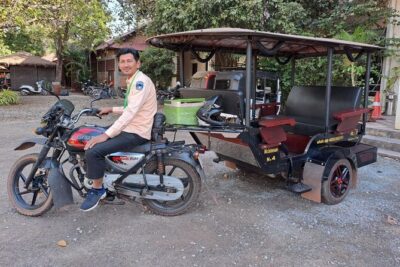
Angkor Sunrise & Sunset Tours, compared.
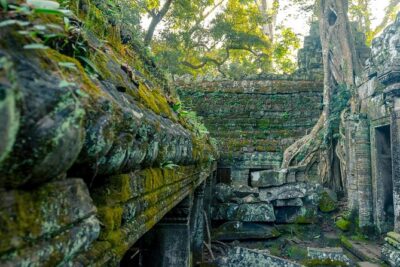 ★ 5.0Angkor Wat Sunrise or Sunset Tour with Guide from Siem ReapFrom $1812,109 reviews
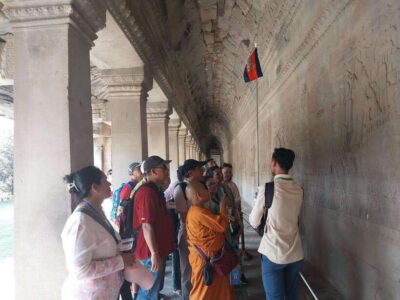 ★ 5.0Angkor Wat: Small-Group Sunrise or Sunset TourFrom $159,444 reviews
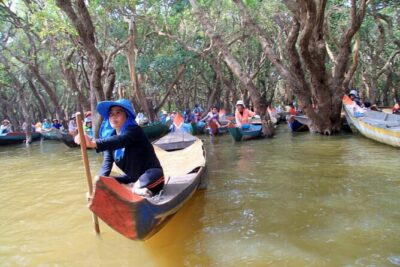 ★ 5.0Sunset tour of Kampong Phluk stilts home village on the Tonle SapFrom $214,865 reviews
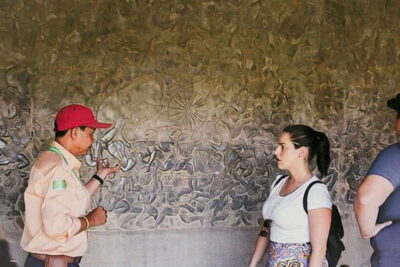 ★ 4.9Angkor Wat 2-Day Tour with Sunrise and SunsetFrom $344,429 reviews
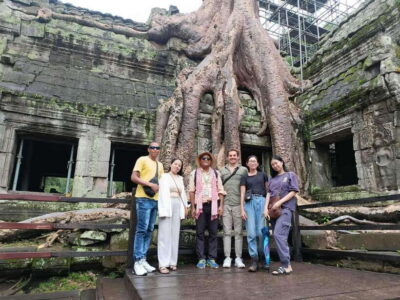 ★ 4.9Full-Day Angkor Wat Guided Tour with SunsetFrom $153,803 reviews
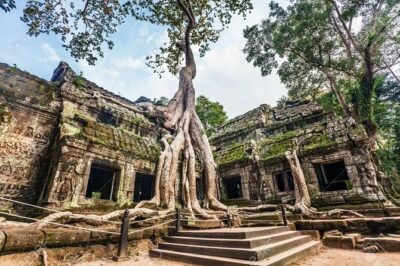 ★ 5.0Angkor Wat Sunrise tour with Small – Group and Guide toursFrom $143,655 reviews
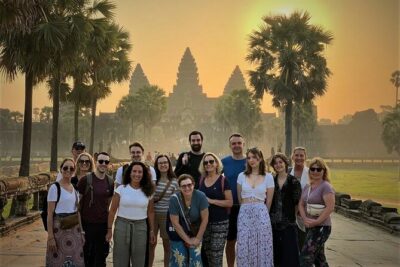 ★ 5.0Angkor Wat Highlights and Sunrise Guided Tour from Siem ReapFrom $233,213 reviews
 ★ 5.0Angkor Wat Sunset Small Group Tour with Lunch IncludedFrom $203,059 reviews
Browse the lists this tour appears in