
Reviewed · ANGKOR TEMPLE TOURS
3-Day ‘Temples & Tonle Sap’ Tour
Three days, most of Angkor’s big names. I like how this tour packs major temples into a clear route with hotel transfers and an expert guide who explains what you are seeing, not just where to walk. My other big win is that the motorized boat ride is included, so you can actually experience the Tonle Sap area without juggling logistics. One consideration: it is a full-tilt schedule with lots of temple walking, and temple passes plus meals are not included.
You also get an easy rhythm to follow, with an AC vehicle doing the heavy lifting between sites, bottled water and cold towels for comfort, and a start time of 8:30 am from your hotel. If you only have a short stay in Siem Reap and you want both the famous Angkor stops and the Tonle Sap side of life, this is built for you.
Key Highlights You’ll Feel Fast
- Angkor pass setup before you go in: You buy your Angkor Archaeological Park pass at the Angkor Enterprise ticket office, with 3-day and 7-day options.
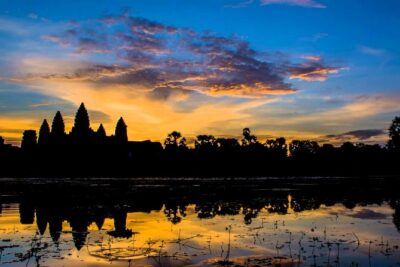
- Angkor Wat sunrise, not just daytime photos: You revisit Angkor Wat specifically for sunrise, then head back for breakfast.
- A full Angkor Thom day plus a late-day temple: Bayon, Baphuon, Ta Prohm, the Terrace of the Elephants, Angkor Wat, then Phnom Bakheng.
- A tightly grouped Day 2 temple circuit: Preah Khan, Neak Poan, Ta Som, and East Mebon stay close together for less driving time.
- Tonle Sap by boat at Kampong Phluk: Villages built on stilts, with fishing tied to Cambodia’s wet season.
- A smoother end-of-tour cultural stop: You wrap with a market look at Phsar Leu Thom Thmey and Phsar Chas, plus Artisans d Angkor.
More temple circuits, set side by side
- Angkor Wat Sunrise or Sunset Tour with Guide from Siem Reap★ 5.0 · 12,109 reviews
- Siem Reap: Angkor Wat: Small-Group Sunrise or Sunset Tour★ 5.0 · 9,444 reviews
- Siem Reap: Angkor Wat 2-Day Tour with Sunrise and Sunset★ 4.9 · 4,429 reviews
- Siem Reap: Full-Day Angkor Wat Guided Tour with Sunset★ 4.9 · 3,803 reviews
Is This Tour Worth $250 for Angkor and Tonle Sap?
At $250 for about 3 days, the value depends on one thing: what you would otherwise pay to cover transport, an English-speaking guide, and organized temple time.
Here, a lot is already handled for you. Hotel pickups and drop-offs are included, you ride in an air conditioned vehicle for transfers and between stops, and you get an on-the-ground professional English-speaking guide. The motorized boat fee is also included, plus bottled water and cold towels.
The parts you still have to budget for are the temple passes (not included) and your meals and drinks. The Angkor 3-day pass is USD 62 per person, and it is sold as at least a 3-day pass for this style of itinerary. So if you add the common pass cost, you are really planning closer to about $312 per person before meals.
For short-stay visitors, I think that is the right trade. You are paying to save time and mental load, especially if you do not want to plan guides, routes, or transportation hour by hour across multiple distant stops.
Day 1: Angkor Archaeological Park to Angkor Wat, temple after temple
Day 1 is the classic Angkor run, starting with the practical step that makes everything else work: getting your Angkor passes. You buy passes at the Angkor Enterprise ticket office, and the key detail is that you need one pass per person. The tour is set up around a 3-day pass price point, with USD 62 for 3 days or USD 72 for 7 days.
Once you have that sorted, you move into the heart of Angkor Thom and then Angkor Wat later in the day.
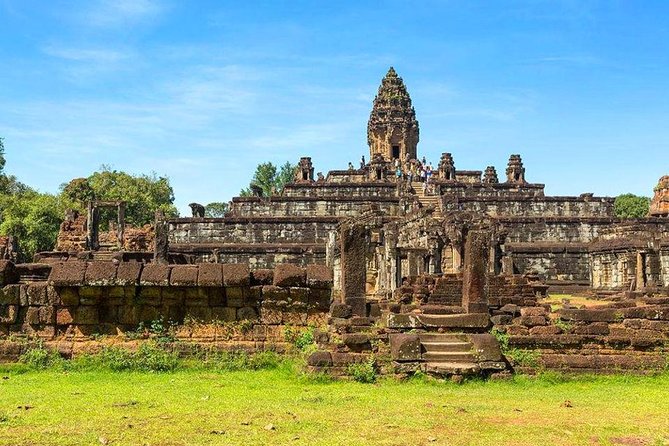
Bayon Temple (Prasat Bayon)
Bayon is centered in Jayavarman VII’s capital area and is known for its ornate Khmer temple design. The big value here is your guide’s context, especially since the tour is framed as history and culture, not just photo stops. Expect to spend about an hour, enough time to read the carvings and notice how the layout directs your movement.
Possible drawback: this is a primary site. If you want slower, more empty-feeling exploring, you will still get plenty of viewing, but the pace is clearly “see the major sights in one day.”
Baphuon Temple
Next is Baphuon, located in Angkor Thom, northwest of Bayon. This temple is a three-tiered temple mountain built as the state temple of Udayadityavarman and dedicated to Shiva. The setting matters because the temple design encourages upward visual focus, even when you are walking at a steady tour pace.
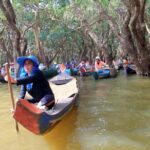
Back out on the lake, more stilted villages


Ta Prohm Temple
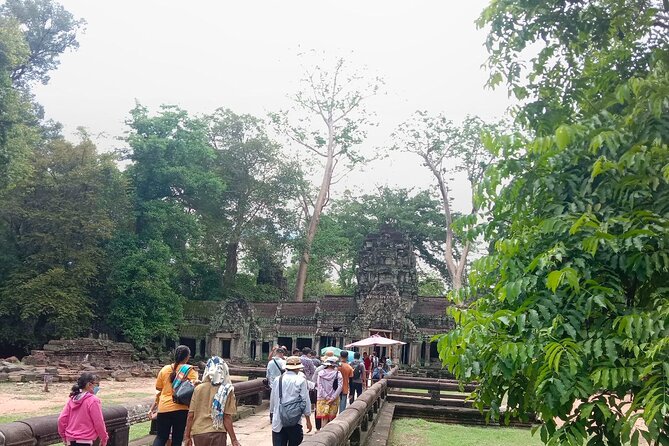
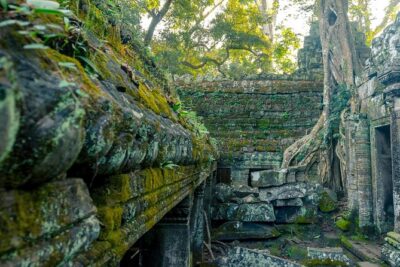
Ta Prohm is the famous “temple with big trees” style you probably pictured already. It is built in the Bayon style, built largely in the late 12th and early 13th centuries, and originally called Rajavihara. Here, the guide’s explanation is useful because Ta Prohm is more than a photo backdrop. You start to understand why this area was designed the way it was.
Terrace of the Elephants
The Terrace of the Elephants is one part of the royal terraces that face the parade grounds, where processions and parades would have taken place. You are given a shorter stop here, around 30 minutes, so treat it like a “zoom in and get it” moment: look at the terrace function and boundary role, not just the surface carvings.
Angkor Wat in the afternoon
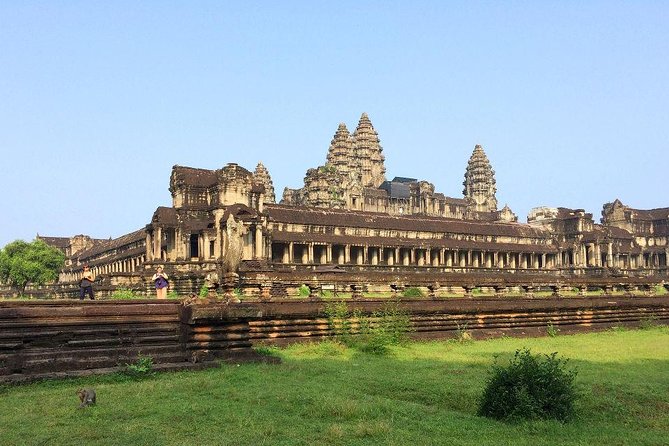
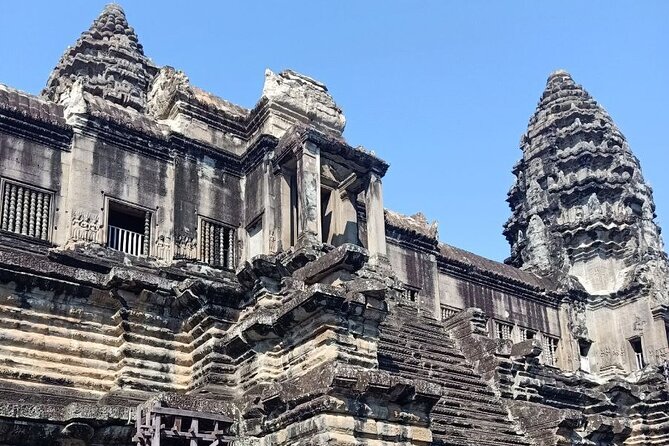
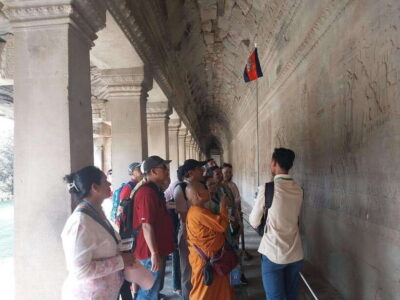
After lunch, the tour shifts to the main headline: Angkor Wat, the largest religious monument in the world, on a huge site measuring 162.6 hectares. You will have about 3 hours here. That is a real chunk of time, especially on Day 1 when you have already done several temples and your brain is learning the visual language of Angkor.
One practical tip: pace yourself. Angkor Wat’s scale can make you feel like you need to run to see everything. With a group tour, you usually cover the key areas, so it is better to slow down and look closely at fewer spots.
Phnom Bakheng at the end of the day
Phnom Bakheng is built as a temple mountain dedicated to Shiva, built at the end of the 9th century. It is located atop a hill, and the tour schedules about 3 hours. This stop is a nice contrast after Angkor Wat. By the time you get here, you have a better sense of how different temple forms communicate power and belief.
Day 2: Angkor Wat sunrise plus a tight cluster of nearby temples
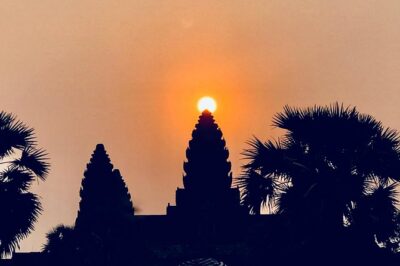
Day 2 starts with another Angkor Wat moment, but the focus changes. You revisit Angkor Wat to see the famous sunrise, then return to your guest hotel so you can have breakfast.
That sunrise revisit is a big reason I think this tour works for people on a short timeline. If you do Angkor Wat only once, you miss the mood shift between early light and later viewing. The tour structure gives you a second chance without turning the day into endless backtracking.
Preah Khan, Neak Poan, Ta Som, and East Mebon
After breakfast, you visit Preah Khan, Neak Poan, Ta Som, and East Mebon. The big advantage is that these are clustered together, so you do not burn half your day driving.
This is where the tour feels less rushed than Day 1. You still have a planned route, but the grouping helps you connect temples that share spatial or thematic relationships. You get about 2 hours for the cluster, which is enough to see the layout logic and notice how each temple’s character differs.
Banteay Srei (often called the ladies temple)
After lunch, you head out to Banteay Srei, dedicated to Shiva and often called the ladies temple. It is a 10th-century Cambodian temple near Phnom Dei and about 25 km northeast of the main area.
This is one of the most rewarding types of stops on a tour like this: it is a named site that many visitors only skim past, but here you actually slow down long enough to absorb its detail. You will have about 2 hours.
Banteay Samre
Then comes Banteay Samré, located about 400 meters east of the East Baray. Built in the early 12th century, it is a Hindu temple in the Angkor Wat style. You get about 1 hour, which is realistic for a site that rewards careful viewing even when time is limited.
Banteay Kdei
Finally, Banteay Kdei, meaning “A Citadel of Chambers,” also known as “Citadel of Monks’ cells.” This is a Buddhist temple built in the mid-12th to early 13th centuries, during the reigns connected to Angkor’s later classical period.
The tour gives you about 1 hour here. In practice, this kind of closing stop helps you end the day with variety, shifting from the Shiva-focused names to a Buddhist setting.
Day 3: Kompong Phluk on Tonle Sap, then Roluos temples and markets
Day 3 is the turn from Angkor stone to river life.
Kampong Phluk (Tonle Sap floating villages)
You start with Kampong Phluk, villages largely built on stilts on the Tonle Sap. The name means “Harbor of the Tusks,” and the tour frames the community’s life around fishing, especially in the wet season from May to October.
You get about 3 hours here. Even with that time, this is a place where you will feel the reality of daily work more than you will “tour” in the usual sense. The included motorized boat ride makes the difference. If you were doing this independently, you would still need to arrange a boat, and that logistics piece can eat up time.
Roluos Temples
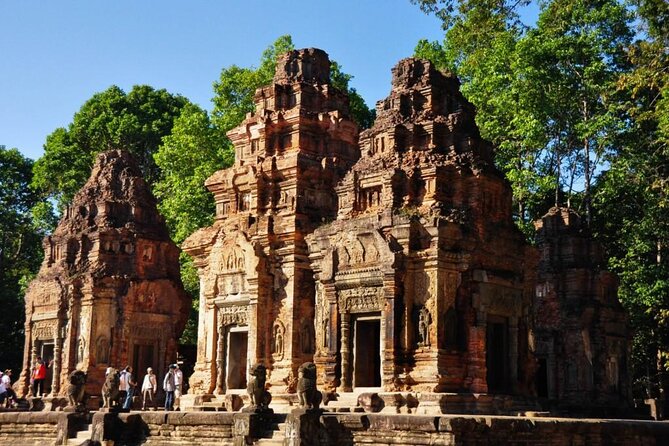
Next up: the Roluos group of temples. These are among the earliest permanent Khmer structures, marking the beginning of the classical period of Khmer civilization, dating from the late 9th century. You get about 3 hours.
This stop is valuable because it gives a different timeline feel. Angkor’s big later temples get most of the attention. The Roluos temples help you understand how the style and scale evolved.
Phsar stops and Artisans d Angkor
On the way back, you take a look at markets, including Phsar Leu Thom Thmey (top market) and Phsar Chas (old market), plus Artisans d Angkor. This is about 2 hours total, and it is a good way to shift from temples and boats to everyday Siem Reap life.
A practical note: this portion is where you might want cash for small purchases or snacks, since meals are not included. If you are sensitive to crowds, you may want to browse with a quick eye and avoid lingering too long in the busiest lanes.
What’s Actually Included, and what you should plan to pay
The included list is solid and practical:
- Hotel pickups and drop-offs
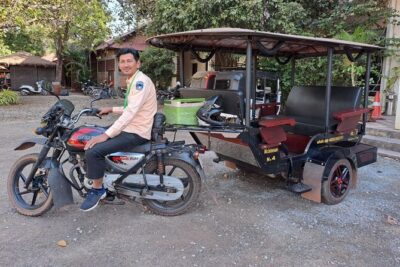
- Air conditioned vehicle for pickups, drop-offs and tours
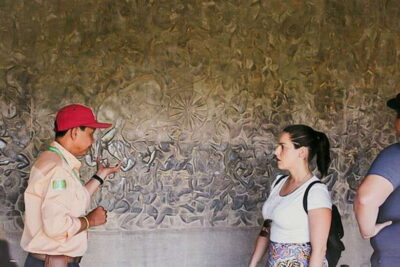
- Professional English-speaking guide
- Fee for motorized boat
- Bottled water
- Cold towels
What is not included:
- Temple passes (3-day)
- Meals, soft drinks and alcohol
That last line matters because it affects your total daily budget. Temple passes are straightforward, but meals can vary a lot depending on what you eat. If you keep it simple with local options, you can usually control this cost. If you plan to sit down for full meals at more upscale places, that number will rise.
Also, the tour notes it uses a mobile ticket and offers group discounts. The exact discount rules are not spelled out here, so if you are traveling as a group, it is worth asking what discount applies at booking.
How the route pacing really feels in 3 days
This itinerary is designed to “fit more in” than independent travel would make easy. You are moving through Angkor’s main cluster on Day 1, expanding on Day 2 with more sites around the Angkor area, then adding the Tonle Sap experience on Day 3.
Two pacing realities:
- You will walk. The tour is not suitable for people with less than average fitness or who cannot walk normally.
- You start early, including an Angkor Wat sunrise day.
The upside is that you get a complete highlights package without spending hours planning. It also reduces decision fatigue. A good guide route can save you from skipping key areas by accident, which happens when you are trying to build your own plan under time pressure.
Who should book this tour, and who should skip it
This tour is a strong match if you:
- Have limited time in Siem Reap and want to see major Angkor temples plus the Tonle Sap floating village area
- Prefer having transportation and entry logic handled, including hotel pickups
- Want a guide to explain history and culture while you are actually walking the sites
I would think twice if you:
- Cannot manage extended walking or uneven surfaces at temples
- Want a slow, flexible day-by-day schedule with no set route
- Do not want to budget for temple passes on top of the tour price
A quick word on value, based on what people praise most
The standout themes in the feedback for this kind of Angkor intensive are usually two things: good organization and smooth timing. Here, the tour’s structure, AC transport, and included transfers are clearly aimed at making those long days feel controlled. The best sign to me is that the tour experience is consistently rated highly, which often points to the same thing: you show up, get picked up, follow the plan, and things run on time.
Should You Book the Temples & Tonle Sap 3-Day Tour?
If your priority is maximum coverage in a short time window, I think this tour is a smart booking. You get hotel transfers, an English-speaking guide, a boat ride fee included, and a route that hits Angkor Wat, Angkor Thom highlights, and the Tonle Sap floating-village experience at Kampong Phluk.
Book it if you want your days to feel “planned, not panicked.” Skip it if your travel style is slow, flexible, and you would rather build your own route without sunrise mornings or a packed schedule.
FAQ
What time does the tour start?
The start time is 8:30 am, and the vehicle departs from your hotel at that time.
Is hotel pickup and drop-off included?
Yes, hotel pickups and drop-offs are included.
Are temple passes included in the price?
No. Temple passes for the Angkor Archaeological Park (3-day) are not included.
How much are the Angkor passes?
You buy passes at the Angkor Enterprise ticket office. The price is USD 62 for a 3-day pass and USD 72 for a 7-day pass (one pass per person).
Is the boat ride on Tonle Sap included?
Yes. The fee for the motorized boat ride is included.
Are meals included?
No. Meals, soft drinks, and alcohol are not included.
What else is included besides the guide and transport?
Bottled water and cold towels are included, along with air conditioned vehicle transport.
Is the tour suitable for people with limited mobility?
It is not suitable for those who have less than average fitness or cannot walk normally.
Is this tour available for young children?
It is not available for children under 3 years old.
More Days at the Temples
- Siem Reap: Angkor Wat 2-Day Tour with Sunrise and Sunset
★ 4.9 · 4,429 reviews - Angkor 2-Day Sunset & Sunrise Small-Group Tour
★ 5.0 · 2,567 reviews - 2 Days Exclusive Temple Highlights with Sunset and Sunrise Tour
★ 5.0 · 1,157 reviews - Siem Reap: Angkor Sunrise 1- or 2-Day Guided Temples Tour
★ 4.9 · 1,132 reviews - 2 Days Guided Historical Tour in Angkor
★ 5.0 · 855 reviews
Out on Tonle Sap
- From Siem Reap: Kampong Phluk Floating Village Tour by Boat
★ 4.9 · 6,979 reviews - Sunset tour of Kampong Phluk stilts home village on the Tonle Sap
★ 5.0 · 4,865 reviews - Kompong Phluk Floating Village Half-Day Tour ( Morning / Sunset )
★ 5.0 · 1,494 reviews - Siem Reap: Kulen Mountain, Beng Mealea and Tonle Sap Tour
★ 5.0 · 1,483 reviews - Tonle Sap Lake & Kampong Phluk Village Half-Day Tour
★ 5.0 · 1,045 reviews
More Temple Circuits Around Siem Reap
- Angkor Wat Sunrise or Sunset Tour with Guide from Siem Reap
★ 5.0 · 12,109 reviews - Siem Reap: Angkor Wat: Small-Group Sunrise or Sunset Tour
★ 5.0 · 9,444 reviews - Siem Reap: Angkor Wat 2-Day Tour with Sunrise and Sunset
★ 4.9 · 4,429 reviews - Siem Reap: Full-Day Angkor Wat Guided Tour with Sunset
★ 4.9 · 3,803 reviews - Angkor Wat Sunrise tour with Small – Group and Guide tours
★ 5.0 · 3,655 reviews
Just Added: Fresh Siem Reap Tour Reviews

Angkor Temple Tours, compared.
 ★ 5.0Angkor Wat Sunrise or Sunset Tour with Guide from Siem ReapFrom $1812,109 reviews
 ★ 5.0Angkor Wat: Small-Group Sunrise or Sunset TourFrom $159,444 reviews
 ★ 4.9Angkor Wat 2-Day Tour with Sunrise and SunsetFrom $344,429 reviews
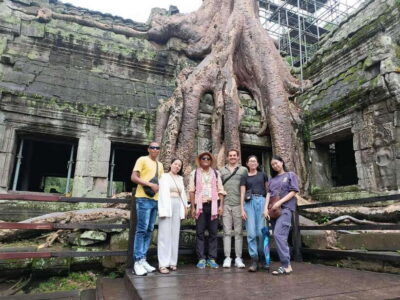 ★ 4.9Full-Day Angkor Wat Guided Tour with SunsetFrom $153,803 reviews
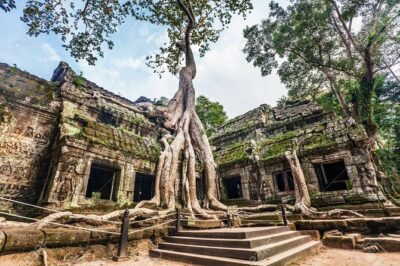 ★ 5.0Angkor Wat Sunrise tour with Small – Group and Guide toursFrom $143,655 reviews
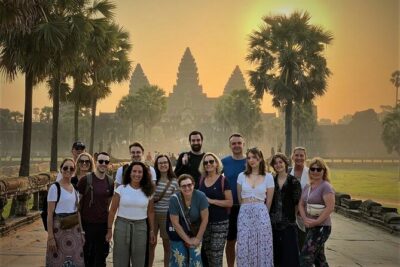 ★ 5.0Angkor Wat Highlights and Sunrise Guided Tour from Siem ReapFrom $233,213 reviews
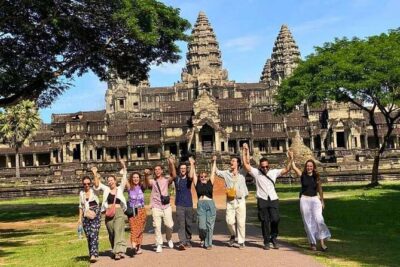 ★ 5.0Angkor Wat Sunset Small Group Tour with Lunch IncludedFrom $203,059 reviews
 ★ 5.0Full-Day Angkor Wat Sunrise Private Tour with Guide from Siem ReapFrom $602,920 reviews
Browse the lists this tour appears in