
Reviewed · ANGKOR WAT TEMPLE TOURS
2 Days Discover Angkor Wat Complex and Cambodia’s Villages Tours
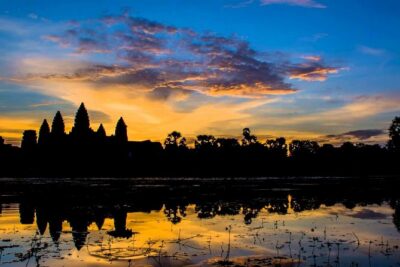
Angkor feels huge at sunrise, and this tour keeps you moving. You get two days of major Khmer sites, then a slower cultural day with countryside villages and the Tonle Sap lake area, including a visit to Kompong Phluk.
Two things I especially like: first, the tour is built around a smart early start, so you spend more time at the temples and less time sitting in traffic. Second, the guide experience matters here, with excellent English and real explanations from guides like Praum and Khim, plus enough flexibility to answer your questions without rushing you.
One possible drawback is logistics and pacing. This is a 5:00 am start with a full day of walking and sightseeing, so you should be comfortable with early mornings and moderate activity.
Key highlights worth caring about
- A 5:00 am start that makes the Angkor experience feel calmer and more manageable
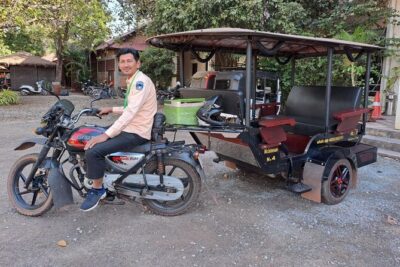
- Air-conditioned SUV or mini van plus cold water and towels to reset between stops
- Temple variety across both days, from iconic Angkor Wat to lesser-visited Beng Mealea
- Countryside village riding and local market time, not just temple photos
- Tonle Sap and Kompong Phluk on the water, including the floating village area
- Private, group-only tour with an English-speaking guide, for a more personal pace
Other ways to walk the great temple
- Angkor Wat Sunrise or Sunset Tour with Guide from Siem Reap★ 5.0 · 12,109 reviews
- Siem Reap: Angkor Wat: Small-Group Sunrise or Sunset Tour★ 5.0 · 9,444 reviews
- Siem Reap: Angkor Wat 2-Day Tour with Sunrise and Sunset★ 4.9 · 4,429 reviews
- Siem Reap: Full-Day Angkor Wat Guided Tour with Sunset★ 4.9 · 3,803 reviews
Why this 2-day Angkor plus villages plan makes sense
Angkor is not one temple. It is a whole grid of monuments, each with its own vibe and view lines. This kind of two-day setup helps because you are not trying to cram everything into one long day while still keeping breaks between clusters of sites.
I also like that the tour doesn’t stop at the famous checklist. You get the headline temples, then you move into more remote, less-touristy ruined terrain at Beng Mealea, plus the lake villages at Tonle Sap.
The ride between areas is part of the value. You are in an air-conditioned vehicle, and you get cold drinking water and cold towels, which matters when mornings are cool but days can still feel warm and dusty.
Getting started at 5:00 am, and how the schedule really feels
The tour begins at 5:00 am, with pickup offered. That early start is not just tradition, it changes the experience. The temples are often less crowded early, and your guide can set the story before your eyes get overwhelmed by stone, gates, and detail.
You should expect a day that moves from stop to stop, with site time that ranges from quick viewpoints to longer temple walks. The good part is that the guide keeps the rhythm, so you are not wandering with a map app and guessing what to notice.
Also, this is a private tour, only your group participates. That means you can ask questions mid-route, ask for photo pacing, and slow down if something catches your eye.
Day 1 at Angkor: Angkor Wat, Ta Prohm, and the main circuit
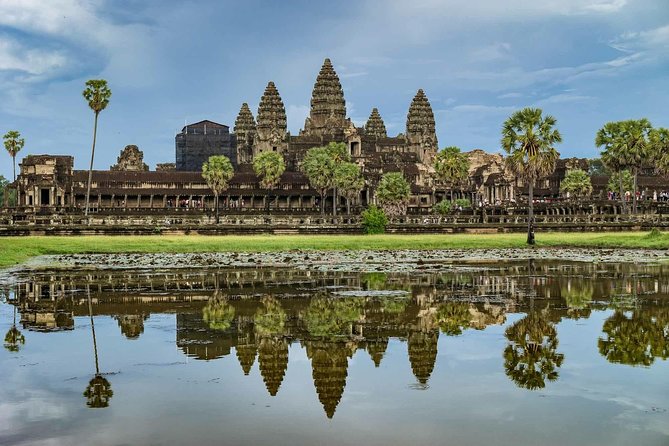
Day 1 focuses on the big Angkor core, the part most people picture when they think of Cambodia. Your first major stop is Angkor Wat, one of the largest religious monuments in the world on a massive site area. Even if you know the basics, seeing it in person is a lot different than photos because of scale, geometry, and how sight lines pull you forward.
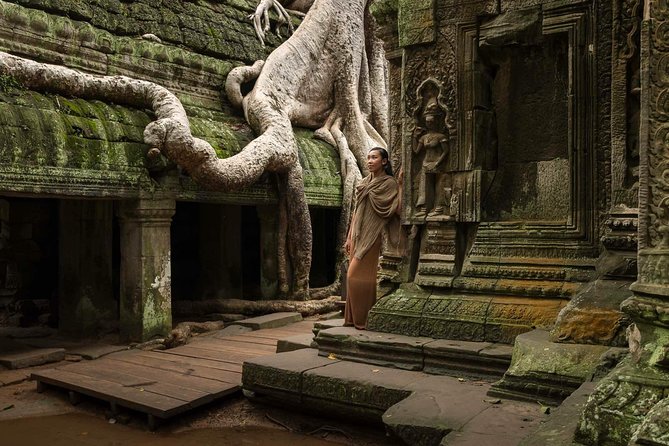
Next up is Ta Prohm, the temple known for huge trees and thick roots growing through the stone. This is the stop where your guide’s explanations can really help. When you understand how the jungle reclaimed parts of Angkor, you see Ta Prohm as a meeting point between human design and nature, not just a movie set.
Then you move to Ta Keo, which is known for its height and mountain-temple layout. This is a good counterbalance after Ta Prohm. Ta Prohm feels wild and tangled. Ta Keo feels more structured, with levels and sanctuaries that reward a slower look.
Finally, you enter the Angkor Thom area, the ancient city of the Khmer empire. This section is almost square on its walls and gates, and it helps to have someone point out how the layout works, otherwise it can feel like you are just hopping between carvings.
Angkor Thom landmarks: Terrace of the Elephants and Bayon faces
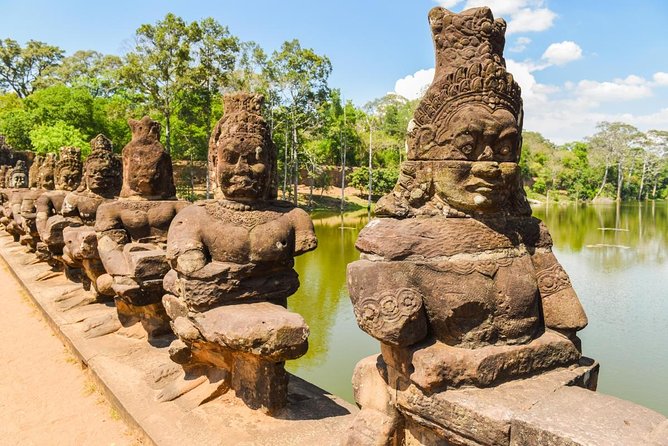
Inside Angkor Thom, your stops include the Terrace of the Elephants and the Bayon Temple. The terrace is part of the walled city complex and historically used as a platform. It is a useful stop because it teaches you how rulers viewed ceremonies and processions from a position meant for watching and signaling power.
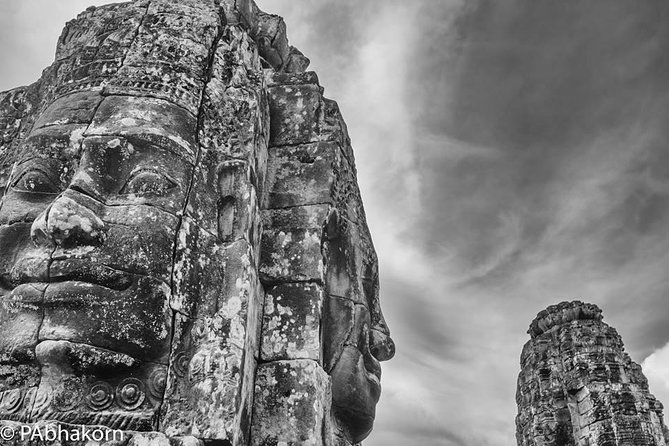
Then comes Bayon, the temple famous for the stone faces. The faces can look almost repetitive at first glance. With a guide, you learn to notice differences in expressions and positioning, and you start to see Bayon as a set of visual directions that guide your movement around the temple.
The timing here matters. Your schedule includes short to medium site blocks, so you are not stuck inside one location until you lose energy. You also get enough time to absorb the main landmarks without feeling like every minute is a sprint.
More temple circuits, set side by side
Why you should care about the guide’s style
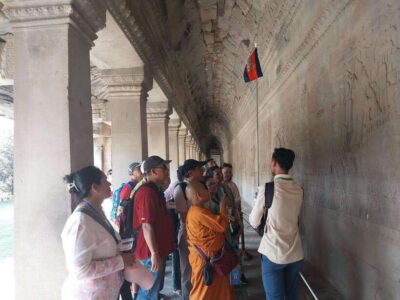
A big theme in the best experiences is the guide. In this tour, the English level is strong, and the explanations are described as the right amount. Guides like Praum are praised for making guests comfortable and answering questions with a steady pace.
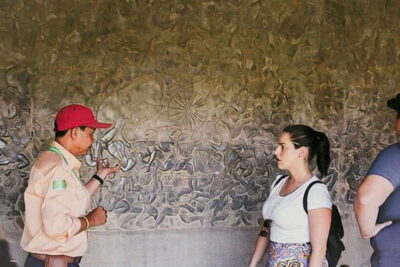
This is more than “nice to have.” On Angkor days, you will see carvings, symbols, and architectural choices that look confusing at first. A guide who can explain what you are looking at turns your time into learning, not just sightseeing.
The same shows up in the ability to adapt. With guides like Khim, the tour is described as planned well, with an impressive grasp of both temple meaning and the story behind them. That is what helps you connect the stones to how people lived and ruled, and it also helps you take better photos because you know the best angles to aim for.
Day 2 at Beng Mealea: the more wild, less restored ruins
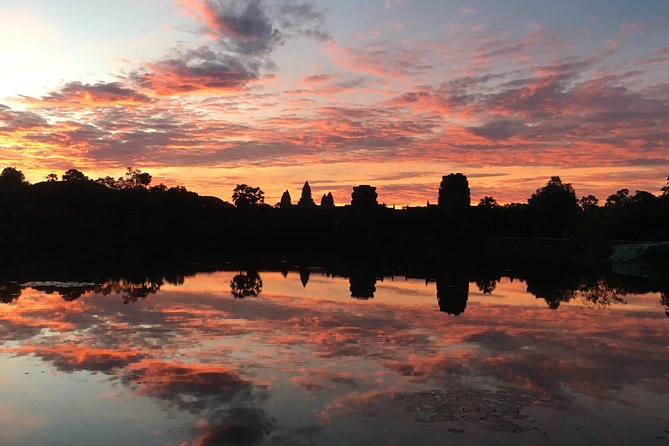
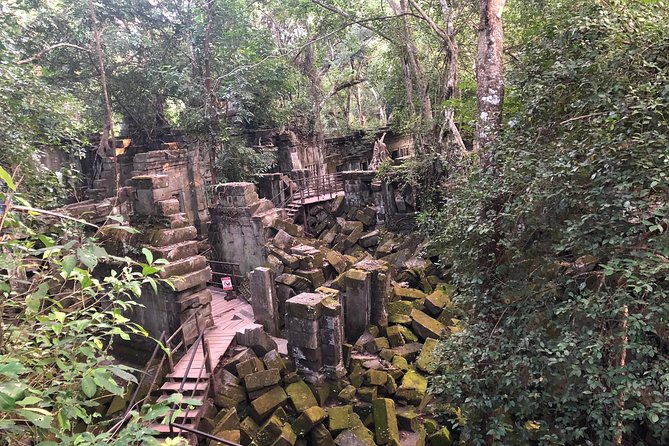
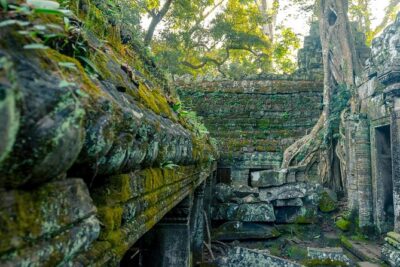
Day 2 starts with Prasat Beng Mealea, a Hindu temple site often described as the “lotus pond” temple area. What makes Beng Mealea special is that it is largely unrestored, with sandstone and thick growth. This means you do not get the smooth, polished experience of some restored monuments.
Instead, you get a maze-like feel, the kind where you look down at the ground and notice collapsed blocks, then look up at trees pushing into stone. It is a different kind of wow moment. It feels more rugged, and it can be easier to picture the site in its natural state over time.
This stop is also a good break from the most famous Angkor circuit. After the main temples, Beng Mealea gives you a raw view of how ruins can look when nature keeps working on them.
Countryside villages and local markets: the in-between moments
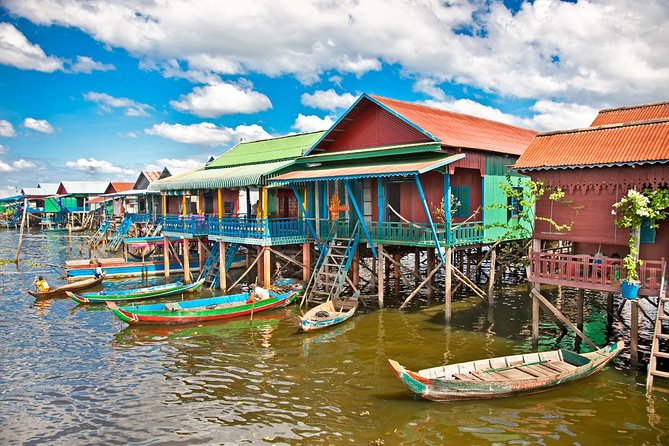
Between temple clusters on Day 2, you also have time for a ride through countryside villages and time in local market areas. These are not just “transfer stops.” They help you see how Cambodia looks outside the temple perimeter.
This also changes your mental pace. After dense stone and carvings, the scenery of fields, homes on roads, and everyday village life gives your brain room to reset. You also get the sense that Angkor is not a separate world, it sits inside a living country with normal routines.
If you like photos, this is where you can take more candid shots. Just remember to stay respectful and keep your focus on what people are doing, not only how the place looks.
Kompong Phluk and Tonle Sap: floating village life on the water
The tour’s next major chunk is Kompong Phluk, a floating and stilt village connected to the Tonle Sap Great Lake. This part matters because it is not a “dry land” temple day anymore. You are dealing with water, floating structures, and the seasonal rhythm of the lake.
Tonle Sap is described as the biggest fresh water lake in Southeast Asia. It is also a seasonally inundated lake system, meaning water levels change and shape how the village lives and works through the year. That seasonal aspect helps you understand why stilt homes and water transport are so central.
Kompong Phluk is listed as a village built on stilts on Tonle Sap, and the community depends largely on local lake life. When you visit, you are seeing how livelihoods connect to water conditions.
One practical note: the admission fee and private boat ride to the Tonle Sap Great and Kompong Phluk floating village is listed as $22.00 per person and is not included in the base tour price. Plan to budget for that so you are not surprised later.
Price and value: what $235 per group really covers
The tour price is $235.00 per group, up to 10 people. That pricing is for the experience package, not the temple and boat entrance fees. The key value is that it includes the vehicle, an English-speaking guide, and comfort items like cold water and towels, plus the early start planning that can be hard to coordinate on your own.
Temple and related entry fees are listed separately. Entrance fee for Angkor Wat and other temples is $37.00 per person, Beng Mealea is $10.00 per person, and Tonle Sap and Kompong Phluk floating village with the private boat ride is $22.00 per person.
If you are a couple, $235 might feel simple to split. If you have a small group of friends, the per-group structure can make this a good deal compared with paying for separate guides or separate transport. For solo travelers, private tours can still be worth it if you want flexibility, but do the math after adding entrances.
Also note meals and beverages are not included. This is common on early temple days. If you are hoping for a full meal plan, you will need to handle lunch and snacks on your own.
Who this tour suits best, and who might want something else
This tour is best if you want an organized two-day Angkor experience with a guide who can explain what you see. If you like walking temples but also want comfort between stops, the air-conditioned vehicle and cold towels are real perks.
It suits travelers who value variety: classic Angkor, jungle-root Ta Prohm energy, structured Bayon faces, then an unrestored ruin at Beng Mealea, and finally a lake village visit.
If you dislike early mornings, the 5:00 am start could be a deal-breaker. Also, the tour notes moderate physical fitness. You do not need to be an athlete, but you should be ready for uneven stone, walking, and a day that keeps moving.
Practical advice to make the most of it
Start by being realistic about energy. With early starts and multiple temple stops, you do better if you treat the day like a planned march, not a casual stroll.
Use your guide. Ask for photo points, but also ask questions that help you interpret what you are seeing. The best comments about guides in this experience emphasize clarity and comfort, so lean into that.
Bring your own plan for meals. Since meals are not included, decide ahead of time whether you want light snacks in the afternoon or something more filling at a stop you can reach.
Should you book this 2-day Angkor plus villages tour?
I think you should book it if you want an efficient, guide-led Angkor visit across both days, then a more human side of Cambodia with countryside village time and a Tonle Sap visit. The mix of iconic temples plus Beng Mealea’s unrestored feel gives you a broader Angkor picture than a single-day circuit.
Skip it if you want a slow, unstructured trip, or if you are not comfortable with a very early start. Also, budget the separate entrance and boat costs so the final total matches your expectations.
If you do book, pair the early morning energy with curiosity. This tour works best when you let the guide help you see the details, not just collect stamps on a map.
FAQ
What time does the tour start?
The tour starts at 5:00 am.
Is pickup included?
Yes. Pickup is offered.
Is this tour private?
Yes. It is a private tour/activity, and only your group will participate.
How much does it cost and how large is the group?
The price is $235.00 per group with a maximum of 10 people.
What’s included in the price?
Included are an air-conditioned SUV or mini van, an English-speaking tour guide, and cold drinking water and cold towels.
What entrance and boat fees are not included?
Temple and activity entrance fees are not included: $37.00 per person for Angkor Wat and other temples, $10.00 per person for Beng Mealea, and $22.00 per person for the Tonle Sap Great and Kompong Phluk floating village, including the private boat ride.
Are meals included?
No. Meals and beverages are not included.
How long is the tour?
It runs for 2 days (approx.).
Is the tour physically demanding?
The tour suggests travelers should have moderate physical fitness.
Can I get a refund if my plans change?
Yes. There is free cancellation, and you can cancel up to 24 hours in advance for a full refund.
More Days at the Temples
- Siem Reap: Angkor Wat 2-Day Tour with Sunrise and Sunset
★ 4.9 · 4,429 reviews - Angkor 2-Day Sunset & Sunrise Small-Group Tour
★ 5.0 · 2,567 reviews - 2 Days Exclusive Temple Highlights with Sunset and Sunrise Tour
★ 5.0 · 1,157 reviews - Siem Reap: Angkor Sunrise 1- or 2-Day Guided Temples Tour
★ 4.9 · 1,132 reviews - 2 Days Guided Historical Tour in Angkor
★ 5.0 · 855 reviews
More Temple Circuits Around Siem Reap
- Angkor Wat Sunrise or Sunset Tour with Guide from Siem Reap
★ 5.0 · 12,109 reviews - Siem Reap: Angkor Wat: Small-Group Sunrise or Sunset Tour
★ 5.0 · 9,444 reviews - Siem Reap: Angkor Wat 2-Day Tour with Sunrise and Sunset
★ 4.9 · 4,429 reviews - Siem Reap: Full-Day Angkor Wat Guided Tour with Sunset
★ 4.9 · 3,803 reviews - Angkor Wat Sunrise tour with Small – Group and Guide tours
★ 5.0 · 3,655 reviews
Angkor Wat, a Few More Ways In
- Angkor Wat Sunrise or Sunset Tour with Guide from Siem Reap
★ 5.0 · 12,109 reviews - Siem Reap: Angkor Wat: Small-Group Sunrise or Sunset Tour
★ 5.0 · 9,444 reviews - Siem Reap: Angkor Wat 2-Day Tour with Sunrise and Sunset
★ 4.9 · 4,429 reviews - Siem Reap: Full-Day Angkor Wat Guided Tour with Sunset
★ 4.9 · 3,803 reviews - Angkor Wat Sunrise tour with Small – Group and Guide tours
★ 5.0 · 3,655 reviews
Just Added: Fresh Siem Reap Tour Reviews
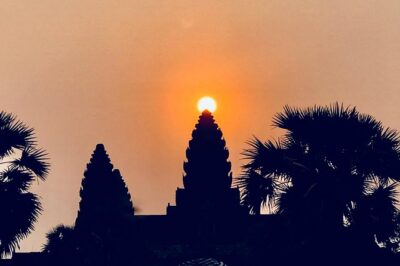

Angkor Wat Temple Tours, compared.
 ★ 5.0Angkor Wat Sunrise or Sunset Tour with Guide from Siem ReapFrom $1812,109 reviews
 ★ 5.0Angkor Wat: Small-Group Sunrise or Sunset TourFrom $159,444 reviews
 ★ 4.9Angkor Wat 2-Day Tour with Sunrise and SunsetFrom $344,429 reviews
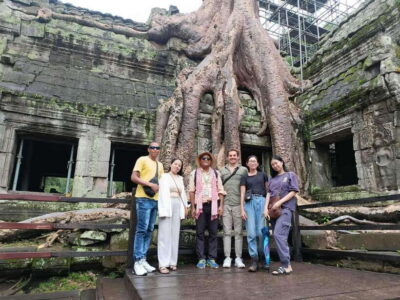 ★ 4.9Full-Day Angkor Wat Guided Tour with SunsetFrom $153,803 reviews
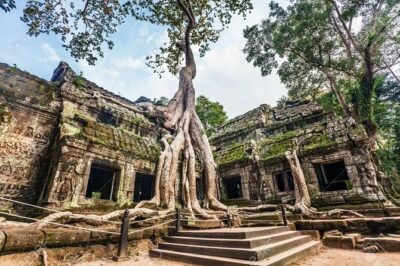 ★ 5.0Angkor Wat Sunrise tour with Small – Group and Guide toursFrom $143,655 reviews
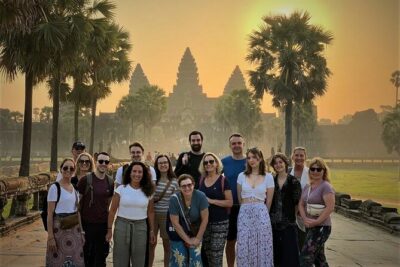 ★ 5.0Angkor Wat Highlights and Sunrise Guided Tour from Siem ReapFrom $233,213 reviews
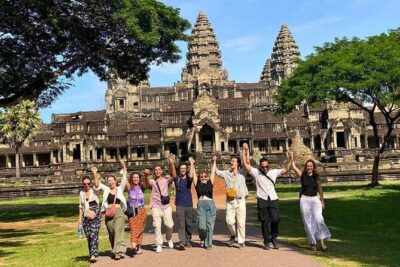 ★ 5.0Angkor Wat Sunset Small Group Tour with Lunch IncludedFrom $203,059 reviews
 ★ 5.0Full-Day Angkor Wat Sunrise Private Tour with Guide from Siem ReapFrom $602,920 reviews
Browse the lists this tour appears in