
Reviewed · ANGKOR SUNRISE & SUNSET TOURS
2-Day Eight Temple Tour with Optional Sunrise
Temple time, minus the hassle. This 2-day private tour in Siem Reap strings together major Khmer sights like Angkor Wat and Ta Prohm, with convenient hotel pick-up and an optional sunrise start.
What I love is the private guide who turns each ruin into a story you can follow, and the fact that you get space to move at your own pace without feeling stuck in a moving herd. One consideration: the big-ticket item to budget for is the 3-day temple pass, and the tour schedule does not include food or drinks.
If you want your Angkor visit to feel planned but not rushed, this is a strong way to do it. You’ll cover mountain and jungle temples, plus the famous Angkor Archaeological Park core, all while staying on one simple circuit.
Key Things I’d Book This For
- Hotel pick-up included so your day starts without logistics stress
- Private guide storytelling that makes inscriptions and carvings easier to see and understand
- A strong Day 1 mix of Pre Rup, Banteay Srei pink sandstone carvings, and Ta Prohm jungle ruins
- Day 2 focuses the UNESCO core with Angkor Wat, Preah Khan, and Bayon
- Cold water included for temple-walk comfort in the heat
- Mobile ticket + group discounts help keep the admin light
Chasing the light? More dawn and dusk runs
- Angkor Wat Sunrise or Sunset Tour with Guide from Siem Reap★ 5.0 · 12,109 reviews
- Siem Reap: Angkor Wat: Small-Group Sunrise or Sunset Tour★ 5.0 · 9,444 reviews
- Sunset tour of Kampong Phluk stilts home village on the Tonle Sap★ 5.0 · 4,865 reviews
- Siem Reap: Angkor Wat 2-Day Tour with Sunrise and Sunset★ 4.9 · 4,429 reviews
A Tight Two Days, With Eight Temples That Actually Feel Different
The countryside around Siem Reap really is dotted with ancient temples and ruins. The hard part is getting to them all on time, especially if you do not want to spend your vacation juggling tuk-tuks, tickets, and directions.
This tour is built for a common reality, you want multiple temples, but you also want breaks and a reasonable flow. The private setup helps a lot, because you can linger for a photo, step back to catch details on carvings, and move on without waiting for a bigger group rhythm.
You also get a guide who talks through what you are looking at. That matters because Angkor can otherwise feel like a blur of stone doorways and faces. Here, you get a framework to notice the details that make each stop distinct.
The Private Guide Factor: Stories, Inscriptions, and Better Photos
I’m a big fan of tours where the guide does more than recite dates. This one leans into story and interpretation, with someone who helps you connect what you see to why it mattered.
One review highlighted the guide by name, Sam, described as a master storyteller with serious photography skills. That fits the vibe here: you are not just getting a route, you are getting help spotting what makes Pre Rup’s climb rewarding, why Banteay Srei’s carvings get discussed, and what you should pay attention to at Bayon’s inscriptions.
Practical win: you can ask questions as you walk between temples. When you are staring at stonework for the tenth time in a day, having context makes you feel less like you are speed-running and more like you are actually reading the place.
Day 1: Pre Rup Views to Ta Prohm’s Tomb Raider Jungle
Day 1 sets the tone with temples that change scenery fast. You start with a climb, shift into intricate Khmer architecture, then hit a very famous jungle scene.
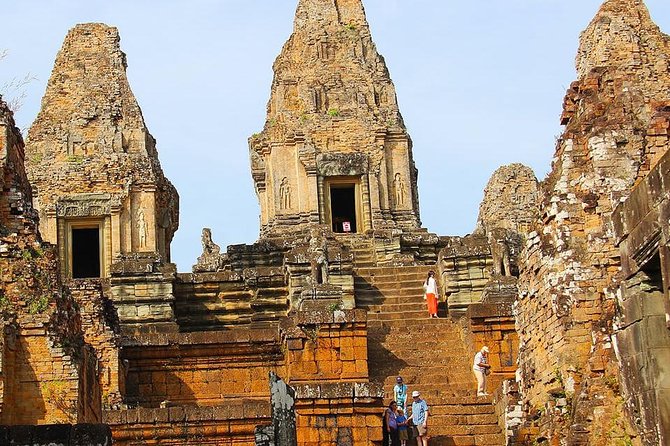
Pre Rup, the Mountain Temple That Rewards the Climb
Pre Rup is called a mountain temple because reaching the towers means a steep climb. That effort is not just for show, it gives you a unique view over the surrounding countryside once you are up top.
It’s also an earlier temple in the Khmer kings’ timeline, and it’s popular for a reason. If you are the type who enjoys being able to orient yourself in a place, this stop gives you that wider context early.
My advice: wear grippy shoes and take the climb as a slow warm-up. Even if you are not hunting for sunrise, getting up there before you fully bake in the afternoon heat helps.
More temple circuits, set side by side
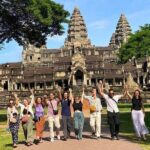
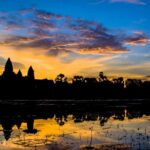
Banteay Samre, Khmer Architecture in Angkor Wat Style
After Pre Rup, you visit Banteay Samre. It’s described as a stunning example of Khmer architecture, built in a similar style to Angkor Wat.
This is a good temple for people who like structure and details. You can easily spend around an hour exploring the towers and looking at intricate carvings here, without feeling like you need to rush to the next stop.
If you like a breather between heavier sites, this one often hits the sweet spot: enough to keep you busy, not so overwhelming that you lose the plot.
Banteay Srei, Pink Sandstone and the Carving Legend
Next comes one of the highlights of Siem Reap visits: Banteay Srei. What makes it stand out is that it’s made from pink sandstone from the quarries in the Kulen Mountain range.
You’ll also hear the famous story around its carvings. If the legend is true, the intricate work was carved by women. The claim that the carvings are too beautiful to have been carved by men is part of why this temple sparks conversation as much as it impresses.
Practical tip: carve-and-detail temples are where good eyes help. If you like close-up sightseeing, go slower than you think you need to.
Ta Prohm, the Tomb Raider Temple Left to the Elements
Then you reach Ta Prohm, known as the Tomb Raider temple. It was used as a set for the Tomb Raider movie starring Angelina Jolie, and the place looks like it is actively being reclaimed by nature.
A big part of Ta Prohm’s feel is that it is left to the elements. The jungle grows through the middle of the building, and you get that dramatic mix of stone and roots.
This stop is great if you want atmosphere, not just architecture. My suggestion: keep one or two of your photos for the in-between moments, like where the roots frame doorways and the scale clicks into place.
Banteay Kdei, Monks’ Cells and Chamber Vibes
You wrap Day 1 at Banteay Kdei, also near Ta Prohm. It’s known as the Citadel of Chambers, and also as the Citadel of Monks’ Cells.
This is a Buddhist temple, and it fits well as a calmer follow-up. After Ta Prohm’s famous jungle chaos, Banteay Kdei offers a different rhythm, more about chambers, cells, and the feeling of a working religious complex.
If you want a mix of intense and reflective, this pairing on Day 1 works well.
Day 2: Angkor Wat, Preah Khan’s “Left Alone” Feel, Then Bayon
Day 2 is designed to satisfy the main reason most people come to Siem Reap: the Angkor Archaeological Park core.
This is also the day where your guide’s pacing matters most. Angkor Wat and Bayon are huge, and without guidance you can end up bouncing around without noticing what connects the carvings and inscriptions across the complex.
Angkor Wat, the Big One That Still Deserves Time
You start with Angkor Wat, the centerpiece of the park and the reason many itineraries exist. It’s huge, and the tour notes it attracts over 2 million visitors per year.
That tells you something important. Even when a site is famous, you still need time to see it properly. The structure can look overwhelming at first, so letting a guide point out what to focus on before you wander is a real advantage.
My practical move: plan to pause. Take a moment to understand the layout before you burn your whole energy climbing and photographing. That makes the rest of the complex feel less like a maze.
Preah Khan, 12th-Century Power Left to the Elements
After Angkor Wat, you head to Preah Khan. This is a 12th-century temple built by the king Jayavarman VII.
Unlike many other temples, it’s left to the elements. It’s been made safe for visitors, but the tour highlights that very little restoration work has taken place. That means you experience more of the original texture and wear, which can feel more raw and real.
This stop is a good match for anyone who wants more than shiny surfaces. If you prefer temples that feel closer to what time did, Preah Khan delivers.
Bayon, Where Hindu Inscriptions Meet Buddhist Layers
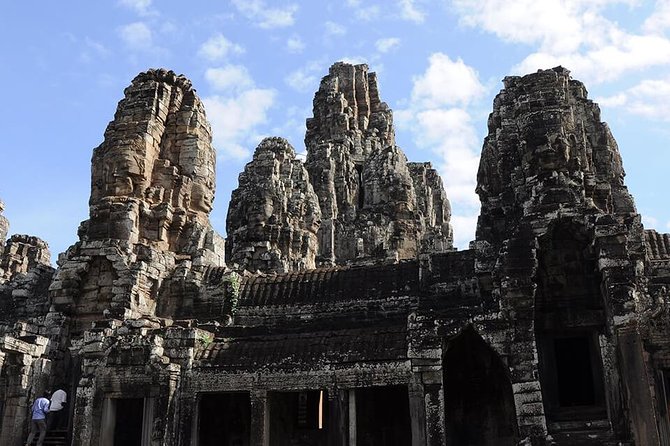
You finish with Bayon temple, often a favorite. The reason is simple: Bayon includes remnants of Hindu inscriptions, plus both Mahayana and Theravada Buddhist inscriptions.
That blend gives Bayon a layered feel. You are not just seeing one story in stone, you are seeing transitions and overlaps, which makes it a fascinating site to spend a few hours exploring.
Since the tour notes you’ll spend time in the nooks and crannies, it’s a good temple for detail lovers. My advice: don’t treat Bayon like a quick photo stop. Slow down enough to notice how different themes show up across the same spaces.
Optional Sunrise: Worth Considering, If You Like Quiet Starts
The tour is titled with optional sunrise, which signals at least some versions of the day start earlier than standard. If you are choosing it for sunrise, focus on your own comfort with early mornings rather than chasing the idea of being there at dawn.
The practical upside of an early start is usually crowd and heat management. The tour also emphasizes exploring at your own pace on a private setup, which pairs nicely with a quieter start if your body can handle it.
Check what optional sunrise means for your specific booking, since the exact start time is not listed here.
Price and Value: Is $98 a Good Deal for Two Days?
At $98 for a 2-day temple tour, the pricing feels aimed at real value. Here’s what you get for that price that matters on the ground:
You get a tour guide who helps you understand what you are seeing. You also get cold water, which is a small line item that can save you later when the heat kicks in. The transport is suitable for the group size, and it includes convenient pick-up from your Siem Reap hotel.
On top of that, there is a mobile ticket included, and group discounts can apply depending on how you book. Those are not glamorous benefits, but they reduce the friction of a multi-temple trip.
What you need to budget separately is the 3-day temple pass priced at $62 per person, plus food and drinks. That is the key equation. If you were already planning to buy the temple pass anyway, the tour price becomes a lot easier to justify because it covers guidance and transport for two full days.
Getting Around Without Losing the Day
In Siem Reap, time disappears fast if you are hopping between places on your own. This tour helps because it stays organized with private transport and hotel pick-up.
It is also a private tour/activity, meaning only your group participates. That usually translates into better pacing, fewer delays, and fewer moments where you stand around waiting for people to return from a restroom run or a photo climb.
The tour description also stresses that no crowds hold you up. While you should still expect busy periods in famous areas like Angkor Wat, the private format can reduce the feeling of being trapped in the flow of a larger group.
Dress Code and Temple-Comfort Reality Check
This is one of those things that can ruin a day if you ignore it. The required dress code is shoulders and knees covered to enter the temples.
So plan your outfit accordingly. Lightweight long pants and tops that cover your shoulders work well in heat, and you’ll be thankful you did not have to improvise at the last second.
Cold water is included, but food and drinks are not. I’d treat the tour as active walking time, then plan your meals around breaks rather than assuming you will be fed mid-route.
Should You Book This Eight-Temple Tour?
I’d book this tour if you want a practical, two-day plan that hits major temples without making you coordinate transport and timing yourself. The mix of Pre Rup’s climb, Banteay Srei’s pink sandstone carvings, and Ta Prohm’s jungle-overgrown ruins, then shifting to Angkor Wat, Preah Khan, and Bayon, gives you variety in scenery and temple style.
You should think twice if you are trying to keep costs ultra-low, because the temple pass is separate and food is not included. Still, if you factor those in, the $98 price looks fair for two days of private guidance and transport.
If you care about understanding what you are looking at, and you like moving at your own pace with someone like Sam guiding the story, this is a very solid choice.
FAQ
How long is the tour?
It’s a 2-day tour, with the duration listed as approximately 2 days.
What’s included in the price?
The tour includes a tour guide, cold water, and suitable transport for group size. It also includes convenient pick-up from your Siem Reap hotel.
Do I need an Angkor temple pass?
Yes. A 3-day temple pass is not included. The tour lists it as $62 per person.
Is this a private tour?
Yes. It’s a private tour/activity, and only your group participates.
What dress code do I need for the temples?
You must cover your shoulders and knees to enter the temples.
Can I choose an optional sunrise start?
The tour is titled with optional sunrise. The specific sunrise timing isn’t listed here, so you’ll want to confirm what time the early start begins for your booking.
More Days at the Temples
- Siem Reap: Angkor Wat 2-Day Tour with Sunrise and Sunset
★ 4.9 · 4,429 reviews - Angkor 2-Day Sunset & Sunrise Small-Group Tour
★ 5.0 · 2,567 reviews - 2 Days Exclusive Temple Highlights with Sunset and Sunrise Tour
★ 5.0 · 1,157 reviews - Siem Reap: Angkor Sunrise 1- or 2-Day Guided Temples Tour
★ 4.9 · 1,132 reviews - 2 Days Guided Historical Tour in Angkor
★ 5.0 · 855 reviews
More Temple Circuits Around Siem Reap
- Angkor Wat Sunrise or Sunset Tour with Guide from Siem Reap
★ 5.0 · 12,109 reviews - Siem Reap: Angkor Wat: Small-Group Sunrise or Sunset Tour
★ 5.0 · 9,444 reviews - Siem Reap: Angkor Wat 2-Day Tour with Sunrise and Sunset
★ 4.9 · 4,429 reviews - Siem Reap: Full-Day Angkor Wat Guided Tour with Sunset
★ 4.9 · 3,803 reviews - Angkor Wat Sunrise tour with Small – Group and Guide tours
★ 5.0 · 3,655 reviews
Dawn and Dusk Over Angkor
- Angkor Wat Sunrise or Sunset Tour with Guide from Siem Reap
★ 5.0 · 12,109 reviews - Siem Reap: Angkor Wat: Small-Group Sunrise or Sunset Tour
★ 5.0 · 9,444 reviews - Sunset tour of Kampong Phluk stilts home village on the Tonle Sap
★ 5.0 · 4,865 reviews - Siem Reap: Angkor Wat 2-Day Tour with Sunrise and Sunset
★ 4.9 · 4,429 reviews - Siem Reap: Full-Day Angkor Wat Guided Tour with Sunset
★ 4.9 · 3,803 reviews
Just Added: Fresh Siem Reap Tour Reviews
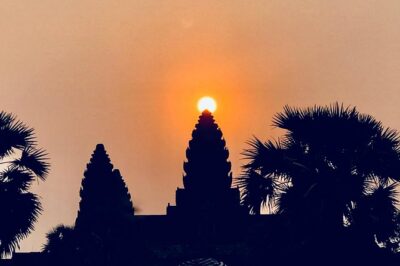

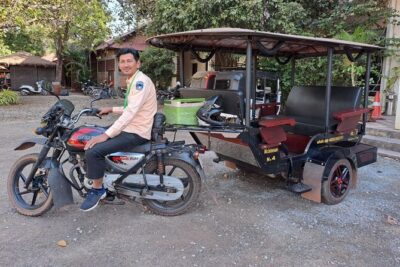
Angkor Sunrise & Sunset Tours, compared.
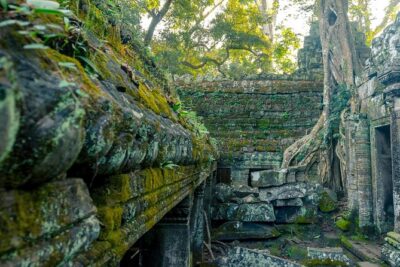 ★ 5.0Angkor Wat Sunrise or Sunset Tour with Guide from Siem ReapFrom $1812,109 reviews
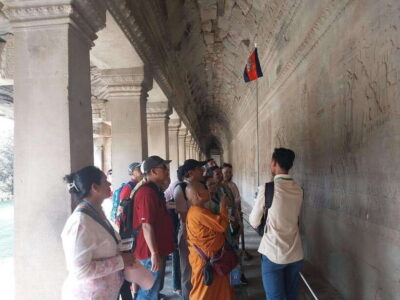 ★ 5.0Angkor Wat: Small-Group Sunrise or Sunset TourFrom $159,444 reviews
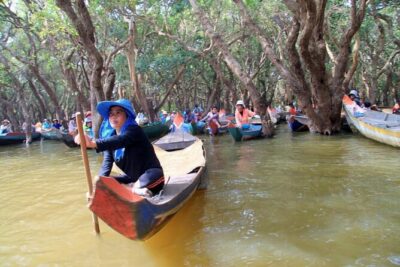 ★ 5.0Sunset tour of Kampong Phluk stilts home village on the Tonle SapFrom $214,865 reviews
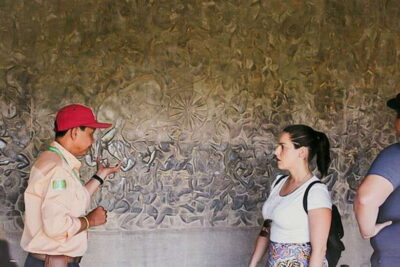 ★ 4.9Angkor Wat 2-Day Tour with Sunrise and SunsetFrom $344,429 reviews
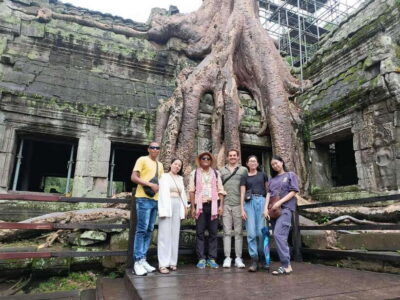 ★ 4.9Full-Day Angkor Wat Guided Tour with SunsetFrom $153,803 reviews
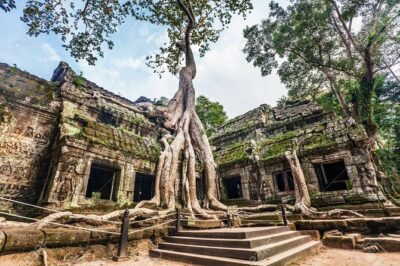 ★ 5.0Angkor Wat Sunrise tour with Small – Group and Guide toursFrom $143,655 reviews
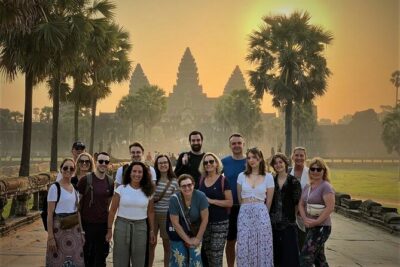 ★ 5.0Angkor Wat Highlights and Sunrise Guided Tour from Siem ReapFrom $233,213 reviews
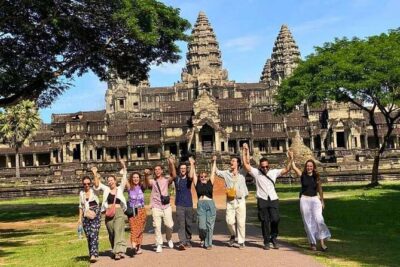 ★ 5.0Angkor Wat Sunset Small Group Tour with Lunch IncludedFrom $203,059 reviews
Browse the lists this tour appears in