

Reviewed · WAR MUSEUM & KILLING FIELDS TOURS
War Museum, Killing Field, and APOPO Hero RATs Tour
This day is heavy, then human. You get a guided loop through Cambodia’s painful past, with the War Museum, Wat Thmey Killing Fields, and the APOPO HeroRAT program all in one packed 5-hour run. I especially loved the way the storytelling at War Museum Cambodia turns facts into something you can actually feel, and how the APOPO HeroRATs demo adds action and purpose to the day.
I also liked the guide quality, with names like Mr. Somra and Mr. Londgy showing up in recent experiences for clear explanations and real care. One drawback to plan for: this route is emotionally intense, so if you want a lighter sightseeing day, it might feel like a lot in one go.
Key highlights at a glance

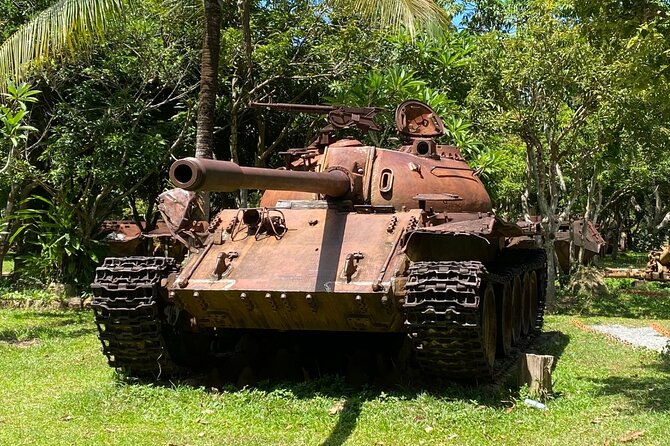
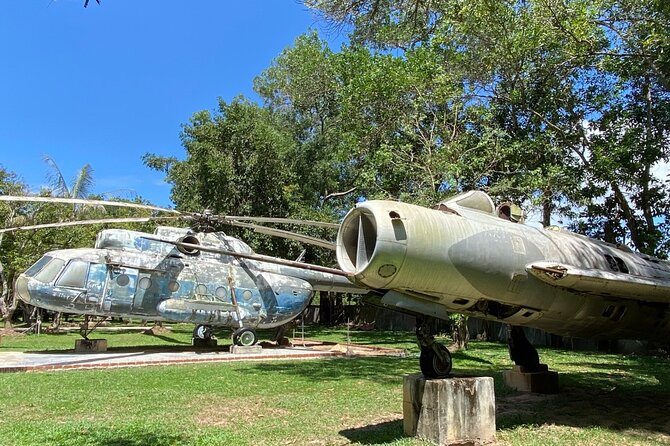
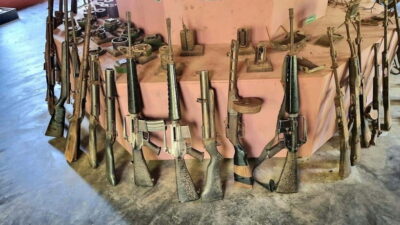
- War Museum Cambodia uses real artifacts and layout across a 2-hectare site to frame the country’s modern conflict history
- Wat Thmey Killing Fields is a small memorial in a still-working Buddhist pagoda, so it feels solemn rather than staged
- APOPO Visitor Center shows how specially trained African giant pouched rats detect landmines, with hands-on options like petting that are optional
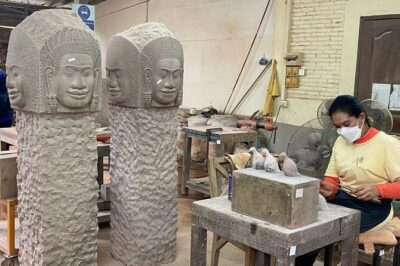
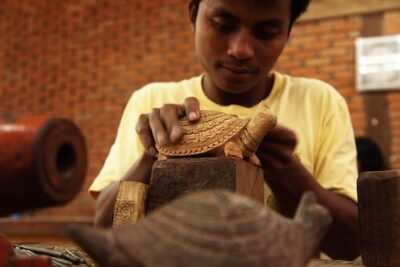
- Satcha Cambodian Handicraft Center (opened March 2023) focuses on training and incubation for local artisans through intensive programs
- Royal Residence is a 1904 royal villa tied to the King of Cambodia’s visits to Siem Reap, with history that links to the French protectorate era
The harder history, told plainly
- Siem Reap: Elephants & Apopo Rat Demining Private Trip★ 4.6 · 46 reviews
- Bantey Srei, Kbal Spean and Landmine museum Private Tuk-Tuk★ 4.7 · 30 reviews
- Siem Reap City Tour with War Museum and Killing Field★ 5.0 · 27 reviews
- War Museum, Killing Field and Floating village ( Chong Kneas) Tour★ 5.0 · 14 reviews
Booking a 5-hour loop that mixes pain, purpose, and craft

This tour works because it doesn’t treat history like a museum-only topic. Yes, you visit serious memorial sites. But you also finish the day with modern, practical humanitarian work, plus a look at how local makers are supported through training and incubation.
The schedule is tight in a good way. You’ll be moving through five main stops, with time built in for exhibits, memorial reflection, a full hour at APOPO, and two shorter cultural stops. The tour runs for about 5 hours total, and it includes hotel pickup and drop-off plus an English-speaking guide in an air-conditioned vehicle.
The price is US$75 per person, which sounds simple until you break it down. You’re paying for transport, a guide who helps you make sense of what you’re seeing, and included admission tickets for the War Museum, Wat Thmey, and the APOPO Visitor Center. In places like this, “included entry” is often where value hides.
War Museum Cambodia: real artifacts and a guided path through modern conflict
War Museum Cambodia is located along National Road 6, roughly between central Siem Reap and the international airport. The site covers over 2 hectares and has a clear layout that spreads your attention out over time, rather than making you rush through rooms like a quick photo stop.
This stop lasts about 1 hour 30 minutes, which is just enough for the main exhibits without feeling like you’re sprinting. From the way the War Museum lands with people, it’s not just about reading labels. You come away with a stronger understanding of Cambodia’s historical context, and the museum’s mix of displays tends to push you toward reflection.
In the recent experiences I reviewed, the War Museum is described as powerful and moving, including for a 12-year-old. That matters for how you should approach it: go in mentally ready for heavy content, and don’t try to speed-run it. Let the guide’s explanation do part of the heavy lifting, then take a moment between sections to reset.
One practical note: this is a history-focused stop, so you’ll likely want a comfortable walking pace and shoes you can trust. If you’re sensitive to graphic stories or themes, tell your guide your comfort level early so they can adjust how they guide you through the exhibits.
Wat Thmey Killing Fields: a memorial within a living pagoda
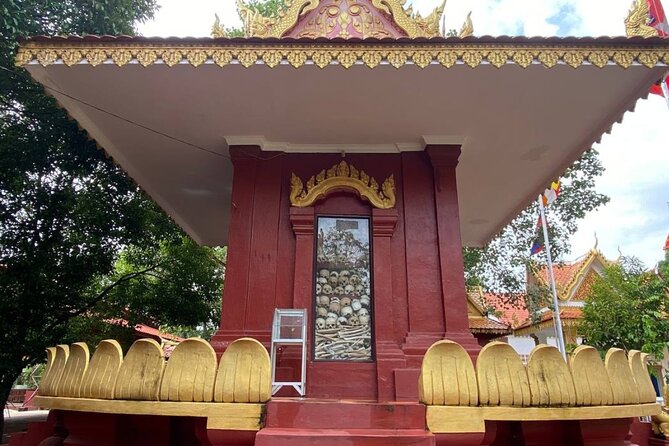
Next up is Wat Thmey, also known as the Killing Fields. This is a small memorial site in Siem Reap built to honor victims of Cambodia’s tragic past under the Khmer Rouge regime. The key detail is that it sits within the grounds of a functioning Buddhist pagoda, meaning the place has an active spiritual life alongside the memorial.
You’ll have about 40 minutes here, which sounds short until you think about what this stop asks of you. It’s not meant to be an “explore fast” area. Even with a guide, your best experience comes from slowing down for a few minutes at a time, letting the memorial elements and setting sink in.
This is also where I’d pick your pacing strategy for the entire day. If you’ve got limited energy for emotion, this is the point you’ll feel it first. On the flip side, if you want meaning, this is often the moment that gives the day its backbone.
Dress and behavior matter here. Even if you’re not visiting a formal temple ceremony, it’s still a pagoda environment, so keep your tone respectful and your movements calm.
APOPO Visitor Center HeroRATs: landmine detection that turns hope into practice

Then the tour turns a corner toward hope, with the APOPO Visitor Center. You’ll spend about 1 hour learning how specially trained African giant pouched rats, known as HeroRATs, detect landmines and help save lives.
This isn’t just a talk and a brochure. People highlight the experience as inspiring and unique, and the demo format helps you understand the “how” behind the work. You also get an optional personal interaction: petting the rats is available, but it’s not required.
That option matters. Some visitors want the emotional connection of interacting with the animals. Others prefer to observe only. Either way, you still get the educational value because the program is the focus, not the photo moment.
If you’re bringing kids, this stop often helps balance the emotional weight of the memorial sites. In one experience, a 12-year-old was amazed from start to finish, and the HeroRAT part was a big part of that shift from sadness to admiration.
My practical tip: at APOPO, pay attention to the training and detection process explained by your guide. It’s the part you’ll remember later when you realize how unusual and practical this solution is.
More cool museum hours

Satcha Cambodian Handicraft Center and Royal Residence: finishing with maker culture and royal-era context
After APOPO, you get two shorter but worthwhile stops that help turn the day outward again: Satcha and the Royal Residence.
Satcha (Cambodian Handicraft Center)
Satcha is a handicraft incubation center launched in March 2023, located at #256 BBU Road. The goal is training and support for local artisans through intensive multi-year programs. Think of it as more than a shop. It’s a structure built to empower maker skills and help artisans grow.
You’ll have about 40 minutes here. That’s long enough to understand the mission and browse, but short enough that it doesn’t swallow the rest of your day.
If you care about ethical souvenirs, this is one of the better stops on routes like this because it’s tied to training, not just sales. You can buy something at the end, but the real value is seeing the systems that keep the crafts alive.
Royal Residence (Preăh Réachôdâmnăk)
The final stop is the Royal Residence, a royal villa built in 1904. It served as the official residence of the King of Cambodia when he visited Siem Reap. The historical context includes influence from the French protectorate era, which adds another layer to your understanding of how power and architecture worked in the region.
This stop is about 30 minutes. It’s not a full museum experience, but it gives you a sense of how Siem Reap held royal and colonial-era connections, side by side with the later tragedies that shaped the country.
How the street food and artisan theme fits in
The tour concept is tied to more than just monuments. It’s built around Siem Reap’s artisan culture and local flavor. That likely means you’ll get time in between sites to experience the city beyond big-ticket attractions, especially around handicraft stops and local areas where street food is part of everyday life.
One important thing though: lunch is not included. So treat this day as a “snack and learn” style outing. If you want a full sit-down meal, you’ll need to plan it around the tour time, or add your own stops before or after.
The value here is balance. You start with history. You end with craft and city context. You’re not spending the entire day staring at one kind of subject, which helps you stay mentally steady during an emotional itinerary.
Price and logistics: what US$75 actually buys you
Let’s talk value like grown-ups.
At US$75 per person, you’re getting:
- an air-conditioned vehicle
- an English-speaking tour guide
- hotel pickup and drop-off
- admission tickets for the War Museum, Killing Field (Wat Thmey), and the APOPO Visitor Center
- a mobile ticket
- entry time for Satcha and the Royal Residence based on the stop list
The big “value” part is the combination. You’re not paying separately for admissions, and you’re not trying to stitch together three locations that are emotionally and historically heavy. A guide also changes how you experience the day, especially at the War Museum and Wat Thmey, where context matters.
The route is private in the sense that it is for your group only. If you’re traveling with family or friends, this matters because you can move at a comfortable pace and ask questions without feeling like you’re being managed by a crowd.
What to expect from the guide and how to get better answers

A strong guide is the difference between visiting sites and understanding them.
In the experiences I saw, guides such as Mr. Somra and Mr. Londgy are praised for clear explanations and deep historical knowledge. That usually translates into:
- better interpretation of what you’re looking at
- answers to questions you might not think to ask without prompting
- smoother pacing so the emotional content doesn’t hit all at once
Here’s how you can make your guide’s knowledge work for you. Ask one or two setup questions at the beginning of the day, like what themes the museum is trying to emphasize, or how the memorial sites connect to the broader timeline. Then let the guide guide you from there.
Timing tips for a smooth, no-rush day
The itinerary timing is structured like this:
- War Museum Cambodia, about 1 hour 30 minutes
- Wat Thmey, about 40 minutes
- APOPO Visitor Center, about 1 hour
- Satcha, about 40 minutes
- Royal Residence, about 30 minutes
Add travel time between stops, and you land at around 5 hours total. That’s long enough for real learning, but short enough to avoid burnout if you stay present.
My best pacing advice:
- During War Museum and Wat Thmey, take two short pauses to reset your attention. Look around, then continue.
- At APOPO, focus on the core idea and the process. If you choose petting, do it without turning the whole hour into a distraction.
- At Satcha, don’t treat it like a quick souvenir stop. Ask what the incubation center is doing for artisans, then browse with intention.
Also, remember this is a history and memorial-heavy itinerary. Bring the same patience you would for visiting a serious church site or a solemn cemetery. You’ll get more out of it.
Who should book this tour (and who might skip it)
This is a great fit if you:
- want Siem Reap history beyond temples
- like structured storytelling with an English-speaking guide
- care about humanitarian work that’s actively reducing harm (landmines)
- want a day that blends reflection with practical hope and local crafts
You might think twice if you:
- prefer a light, mostly scenic day
- don’t handle heavy historical topics well
- want a day with lots of free time for wandering without a set route
If you’re traveling with kids, this can work well. The combination of memorial sites and the HeroRAT demo is often the emotional balance point, and the day can be both educational and age-accessible with the right guidance.
Should you book the War Museum, Killing Fields, and APOPO HeroRATs tour?
I’d book it if you want one solid half-day (about 5 hours) that covers three powerful layers of Cambodia: what happened, how remembrance is handled locally, and how the country is working on practical lifesaving solutions today.
Book it with a mental heads-up that this is emotionally intense. If you’re ready for that, you’ll likely come away with stronger context than you would from a quick temple-only itinerary. And the price feels fair because admissions and guide-led explanation are built in, not tacked on.
If you want, tell me your travel dates and whether you’re bringing kids, and I’ll suggest the best way to schedule lunch and how to keep the day comfortable without losing the meaning.
FAQ
What is the duration of the War Museum, Killing Fields, and APOPO HeroRATs tour?
It runs for about 5 hours.
Where does the tour take place?
The tour is in Siem Reap, Cambodia.
Is pickup and drop-off included?
Yes. Hotel pickup and drop-off are included.
Are entrance fees included?
Entrance fees are included for the Siem Reap War Museum, Wat Thmey (Killing Fields), and the APOPO Visitor Centre.
Is lunch included?
No, lunch is not included.
Is the tour private?
Yes. Only your group will participate.
What happens at the APOPO Visitor Center?
You visit the APOPO Visitor Center to learn how HeroRATs detect landmines. Petting the rats is optional.
Can I cancel for free?
Free cancellation is available if you cancel up to 24 hours in advance for a full refund. If you cancel less than 24 hours before the start time, the amount paid is not refunded.
More Siem Reap Tours to Compare
- Angkor Wat Sunrise or Sunset Tour with Guide from Siem Reap
★ 5.0 · 12,109 reviews - Siem Reap: Angkor Wat: Small-Group Sunrise or Sunset Tour
★ 5.0 · 9,444 reviews - From Siem Reap: Kampong Phluk Floating Village Tour by Boat
★ 4.9 · 6,979 reviews - Sunset tour of Kampong Phluk stilts home village on the Tonle Sap
★ 5.0 · 4,865 reviews - Siem Reap: Angkor Wat 2-Day Tour with Sunrise and Sunset
★ 4.9 · 4,429 reviews
More Tour Reviews in Siem Reap
- Angkor Wat Sunrise or Sunset Tour with Guide from Siem Reap
★ 5.0 · 12,109 reviews - Siem Reap: Angkor Wat: Small-Group Sunrise or Sunset Tour
★ 5.0 · 9,444 reviews - From Siem Reap: Kampong Phluk Floating Village Tour by Boat
★ 4.9 · 6,979 reviews - Sunset tour of Kampong Phluk stilts home village on the Tonle Sap
★ 5.0 · 4,865 reviews - Siem Reap: Angkor Wat 2-Day Tour with Sunrise and Sunset
★ 4.9 · 4,429 reviews
Cambodia's Recent History
- Siem Reap: Elephants & Apopo Rat Demining Private Trip
★ 4.6 · 46 reviews - Bantey Srei, Kbal Spean and Landmine museum Private Tuk-Tuk
★ 4.7 · 30 reviews - Siem Reap City Tour with War Museum and Killing Field
★ 5.0 · 27 reviews - War Museum, Killing Field and Floating village ( Chong Kneas) Tour
★ 5.0 · 14 reviews - Kbal Spean Trekking Tour with Banteay Srei and Landmine Museum
★ 5.0 · 14 reviews
Just Added: Fresh Siem Reap Tour Reviews

War Museum & Killing Fields Tours, compared.
 ★ 4.6Elephants & Apopo Rat Demining Private TripFrom $1546 reviews
 ★ 4.7Bantey Srei, Kbal Spean and Landmine museum Private Tuk-TukFrom $4330 reviews
 ★ 5.0Siem Reap City Tour with War Museum and Killing FieldFrom $4727 reviews
 ★ 5.0War Museum, Killing Field and Floating village ( Chong Kneas) TourFrom $7514 reviews
 ★ 5.0Kbal Spean Trekking Tour with Banteay Srei and Landmine MuseumFrom $7114 reviews
 ★ 4.9War Museum included Ticket and Pickup Drop OffFrom $912 reviews
 ★ 5.0Siem Reap Guided Tour & Hero RATs at APOPO Visitor CenterFrom $6711 reviews
 ★ 4.0Half Day War Museum Siem Reap Killing Fields and Artisans AngkorFrom $489 reviews
Browse the lists this tour appears in