
Reviewed · WAR MUSEUM & KILLING FIELDS TOURS
Siem Reap: Khmer Rogue, War museum &landmine museum Day Tour
Silence has weight here. This full-day tour in Siem Reap traces the Khmer Rouge years and Cambodia’s recovery through three stark, teachable stops.
I especially like the calm, clear guidance, with strong English interpreting from guides such as Mr Sok Vuthy and Mr Buth Veasna. I also like the way the day links together themes, from what happened to people to what still remains in the ground and in the landscape.
One possible drawback: this is emotionally heavy material. If you want a light sightseeing day, this route may feel too serious for your mood.
Key Things That Make This Siem Reap Day Tour Worth Your Time
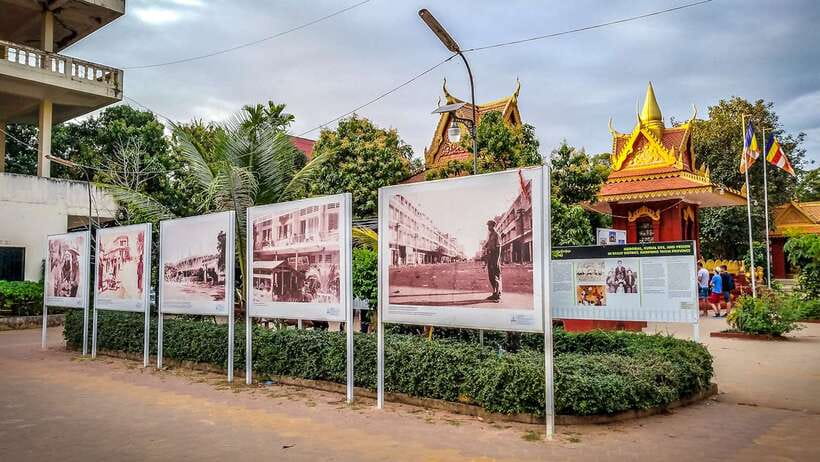
- Wat Thmey Killing Fields: A somber site that is hard to forget, and designed for learning through presence and context
- Cambodia Landmine Museum: Thousands of decommissioned landmines and other weapons showing how danger lingers
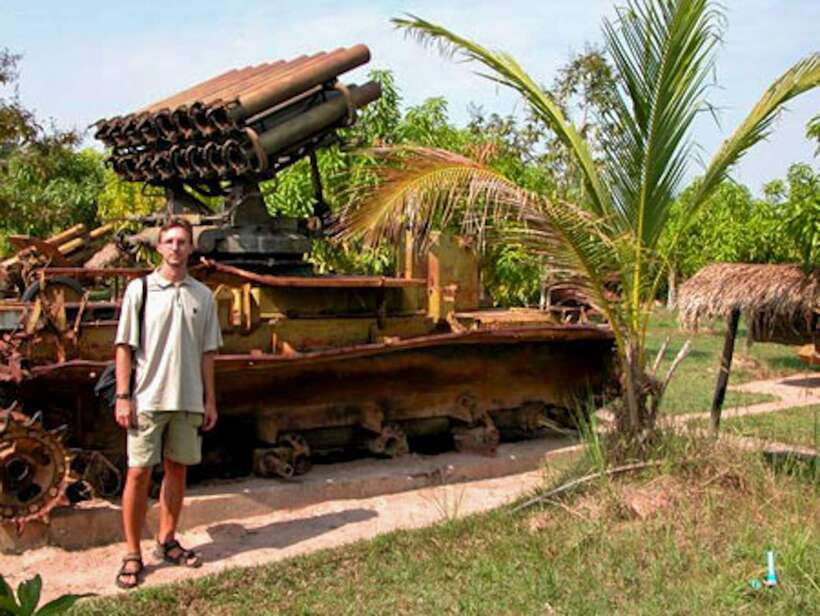
- War Museum Cambodia collection: Weapons gathered since 1999 from fighting areas including Anlong Veng, Siem Reap, and Odor Meangchey
- English live guide support: You get clear explanations and can ask questions as you go
- Smart pacing for 8 hours: Three major stops, with travel time built in so you are not constantly rushing
- Small comfort touches: Cold water and a wet towel help when the day gets warm
The harder history, told plainly
- Siem Reap: Elephants & Apopo Rat Demining Private Trip★ 4.6 · 46 reviews
- Bantey Srei, Kbal Spean and Landmine museum Private Tuk-Tuk★ 4.7 · 30 reviews
- Siem Reap City Tour with War Museum and Killing Field★ 5.0 · 27 reviews
- War Museum, Killing Field and Floating village ( Chong Kneas) Tour★ 5.0 · 14 reviews
A Day That Links Cambodia’s Past to What You See Today
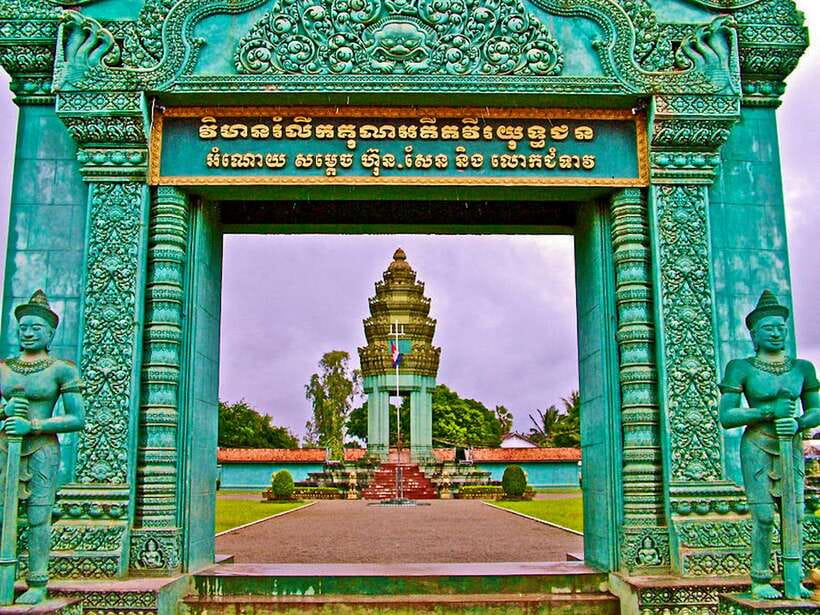
This tour is built around one idea: war does not end when the fighting stops. In Siem Reap, you can spend a day seeing temples and sunsets, or you can use a guided route to understand why Cambodia carries so much memory and resilience at the same time.
You start with pickup in Krong Siem Reap and you move by minivan from stop to stop. That matters because it lets you focus on the story and the places, not on figuring out directions, entrances, and timing across the wider area.
The biggest value for me is the structure. You visit the Killing Fields first, then shift to the lasting physical danger of landmines, and finally close with the War Museum’s weapon collection and conflict context. The day feels like a guided chain of cause, consequence, and survival.
Wat Thmey Temple Killing Fields: Learning Through a Heavy Morning
Your first major destination is Wat Thmey Temple Killing Fields, one of the well-known sites connected to the Khmer Rouge era. The stop is about 2 hours, and it is not a quick walk-through. You spend time on-site with guidance, which helps you understand what you are looking at instead of just trying to guess.
This is a place filled with sadness. You will feel it the moment you arrive. I appreciate that the experience is presented in a way that is educational, not sensational. The goal is to help you take in what happened and connect it to Cambodia’s broader story of endurance.
A practical note: this kind of visit is mentally demanding. Even if you are prepared, you may find yourself quiet afterward. If you can, go with time in your head for reflection, not just photo stops.
Cambodia Landmine Museum: When War Remains in the Ground
After Wat Thmey, you head to the Cambodia Landmine Museum for about 1.5 hours. This stop is different in tone. Where the Killing Fields asks you to remember human suffering, the Landmine Museum shows how conflict leaves behind physical hazards that can harm people long after peace returns.
The museum was established by a former child soldier, and that fact gives the visit an extra layer of meaning. You are not only seeing deactivated weapons. You are hearing a story of survival and the urgency of clearing remnants that still pose danger.
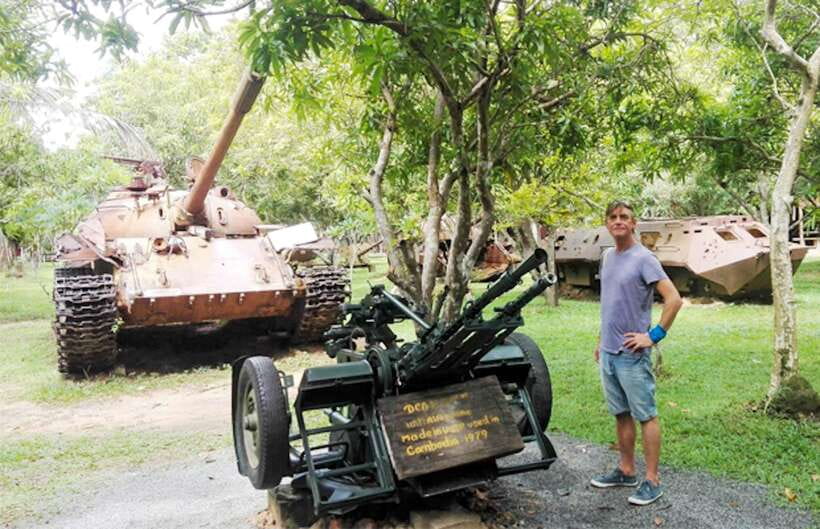
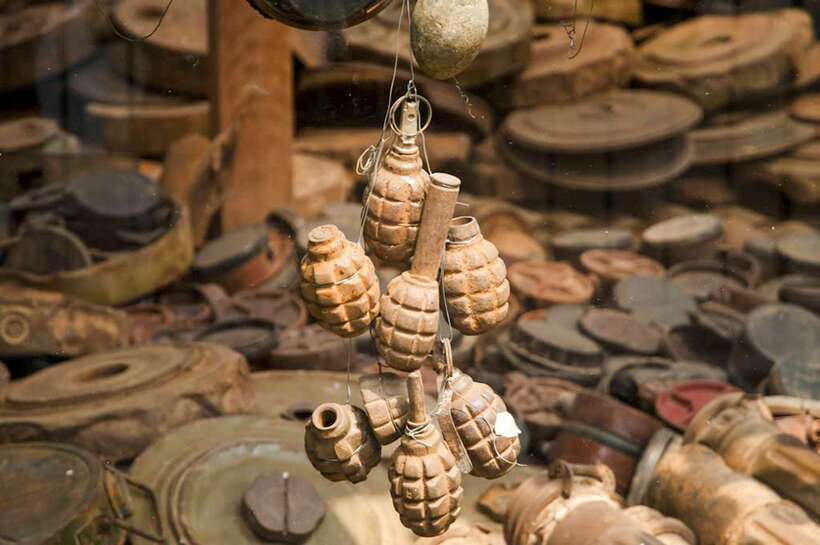
You will see thousands of decommissioned landmines and other weapons of war. The guide explains the devastating impact of landmines and how people can help rid the world of these tragic leftovers. Even if you have read about landmines before, seeing that scale in person is the kind of visual education that sticks.
Consider this beforehand if you are squeamish or sensitive to the subject. This is serious material, but it is also aimed at awareness and solutions.
War Museum Cambodia: How the Conflict Fits Together
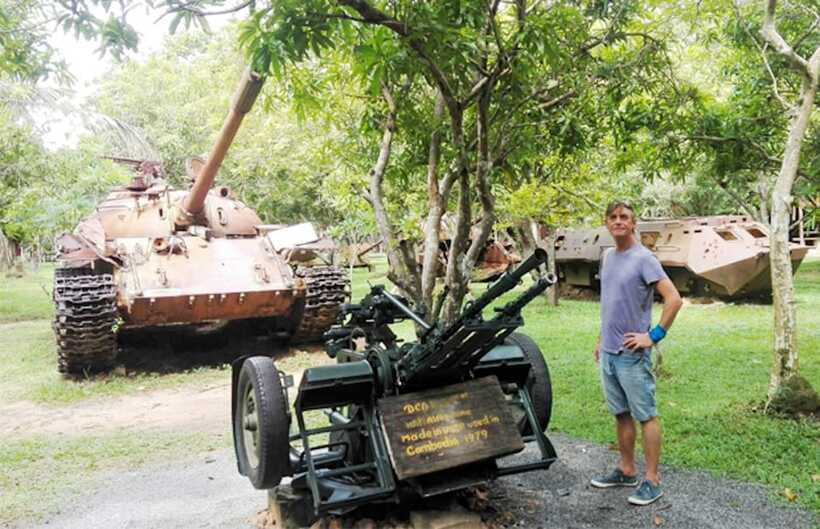
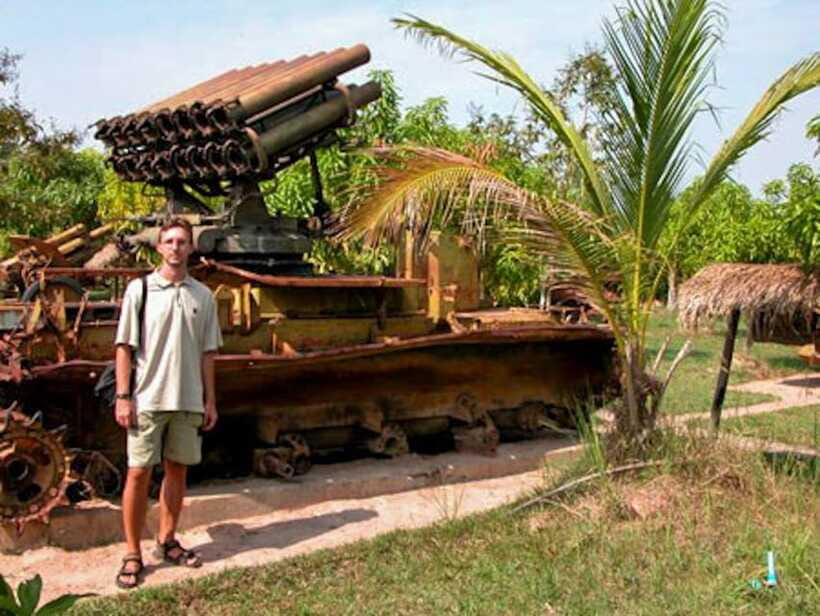
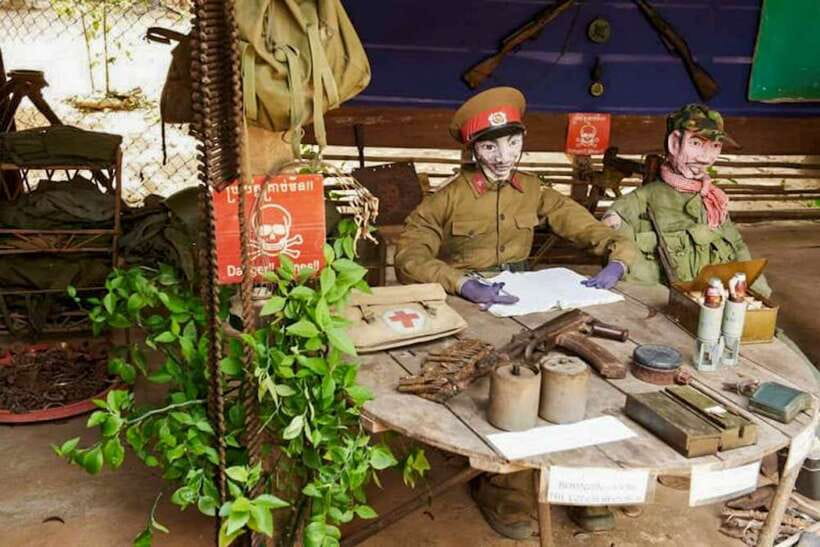
Next comes the War Museum Cambodia for about 1.5 hours of guided exploring. This museum takes a more object-focused approach. You wander through a unique collection of weaponry that has grown since 1999, collected from places where fighting took place, including Anlong Veng, Siem Reap, and Odor Meangchey.
I like that the guide connects what you see to a bigger understanding of Cambodia’s complex conflict history. You are not just looking at items behind glass. You are learning how different pieces of weaponry relate to particular periods and zones of conflict.
Because the focus is on material evidence, it can feel more structured than the Killing Fields, but it still carries emotional weight. If you come prepared to see objects as historical clues, not as props, the visit becomes much more meaningful.
One drawback for some people: if you prefer only memorial sites and not museums, you might wonder why a weapon collection belongs in a day like this. For me, it is part of the education, because it shows how war changed daily realities and how conflict left tools behind for others to handle and interpret.
More cool museum hours
The Timing and Travel Rhythm in an 8-Hour Route
This tour runs about 8 hours, starting with pickup in Krong Siem Reap. Your day includes travel breaks between stops, with guided time at each main site.
A rough feel for the pacing:
- The Landmine Museum and War Museum each give you about 1.5 hours to take it in with a guide.
- Wat Thmey takes about 2 hours, which is enough time to absorb without feeling like a race.
- Between the sites, you spend time on the bus or minivan, including stretches of about 45 to 60 minutes and a shorter final transfer back to your pickup area.
Why this matters: when you pack this kind of history into one day, the “in between” time is not wasted. It helps you recover emotionally between heavy stops. It also gives your guide room to set expectations and keep you on track.
You will likely feel the day in your body. Bring a calm mindset and plan for hydration.
Value for $78: What You’re Really Paying For
At $78 per person, this is not a budget-only tour, but it can be good value because so much is included. You get:
- Hotel pickup and drop-off
- An English live guide
- Museum entries
- Cold water and a wet towel
What is not included is food and soft drinks. So you will need to think about a snack plan or a meal strategy around the tour timing.
Here is how I judge the value: you are paying for guided access to three major sites that each take time to explain properly. Without a guide, it is easy to miss context or misunderstand what you are seeing. With a guide, especially one like Mr Sok Vuthy or Mr Buth Veasna, the day becomes more than a checklist.
If you like structured learning, guided interpretation, and a full-day arc, the price makes sense. If you only want temple hopping or you are not comfortable with war-related topics, you might feel like you paid for something you did not need.
What to Expect From the Experience, Up Close
This tour is designed to make difficult history digestible. That does not mean it becomes light or softened. It means you are given a way to process what you see in sequence.
You also get small comfort support that makes a difference in Cambodia’s heat. Cold water and a wet towel help you stay functional. There is also a clear rule that flash photography is not allowed. Plan to rely on natural lighting and keep your phone and camera usage respectful.
The tour is in English, and it is wheelchair accessible. If you use a wheelchair or mobility aids, you will want to check how your specific needs will work with walking segments before you go, but the tour states wheelchair accessibility.
Who This Tour Is Best For (And Who Should Rethink)
This fits you well if:
- You want a guided understanding of the Khmer Rouge era, not just surface-level stops
- You are interested in how war leaves long-term marks, including landmines
- You like having a teacher in the group who can explain what objects and sites mean
- You can handle heavy topics and still keep a respectful, open mind
It may not fit you as well if:
- You are looking for a relaxing, low-emotion day
- You dislike museums or weapon-focused displays
- You need a break from intense history and prefer lighter cultural sightseeing
Practical Tips So Your Day Goes Smoothly
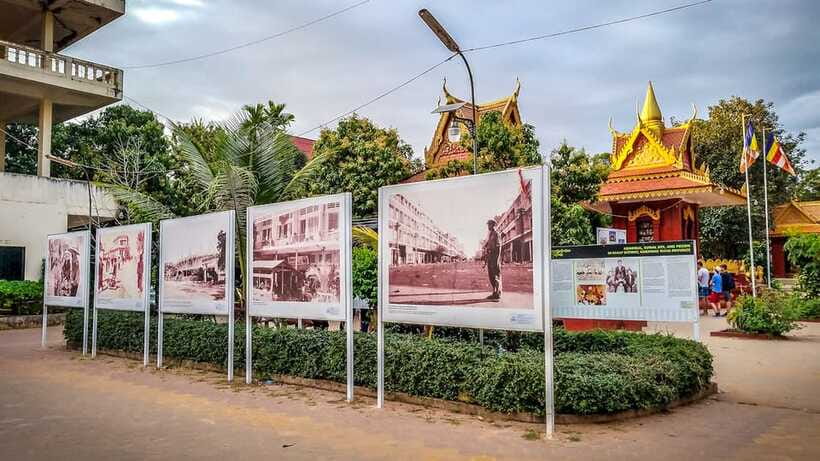
A few things that will make the experience easier and more respectful:
- Wear breathable clothes and closed-toe shoes. You will walk inside and around sites.
- Bring water with you even though cold water is included. It is common to feel extra thirsty on full-day tours.
- Plan your camera behavior ahead. No flash means you might need steady hands and accept darker shots.
- Mentally set expectations for the Killing Fields. It is not the kind of stop where you should multitask with your phone.
- Keep your questions ready for the guide. If your guide is as strong as Mr Sok Vuthy or Mr Buth Veasna, you will likely get thoughtful answers.
Should You Book the Khmer Rouge, War Museum, and Landmine Museum Day Tour?
I think you should book this tour if you want one full day in Siem Reap that teaches you something real and lasting. The combination of Wat Thmey, the Cambodia Landmine Museum, and War Museum Cambodia creates a learning arc that makes the suffering and survival of the Khmer people easier to understand in context.
It is especially worth it if you appreciate guided storytelling and you want clear explanations in English, delivered by guides known for being passionate about the information they share. The day is structured enough to feel organized, yet serious enough to feel meaningful.
Skip it if you are not ready for heavy subject matter or if you only want light sightseeing. This is a respectful history lesson, and it asks you to show up with patience and care.
If you decide to go, treat it like a full-day education, not a quick tour. You will leave with a clearer sense of how Cambodia endured, how the past remains visible, and why survival and rebuilding matter.
FAQ
Where does the tour start and end?
The tour includes pickup and drop-off in Krong Siem Reap. You are picked up from your designated pickup location and return to Krong Siem Reap at the end of the day.
What are the main stops during the day?
The tour visits Wat Thmey Temple Killing Fields, the Cambodia Landmine Museum, and the War Museum Cambodia, with guided time at each major stop.
How long does the Landmine Museum visit last?
The Cambodia Landmine Museum stop includes a guided visit and sightseeing time for about 1.5 hours.
How long do you spend at the War Museum Cambodia?
The War Museum Cambodia stop includes a guided visit and sightseeing time for about 1.5 hours.
How long is the Killing Fields visit at Wat Thmey?
Wat Thmey includes visit, guided tour, and sightseeing time for about 2 hours.
Is food included in the price?
Food and soft drinks are not included. The tour includes cold water during the experience.
Is flash photography allowed?
Flash photography is not allowed during the tour.
More Siem Reap Tours to Compare
- Angkor Wat Sunrise or Sunset Tour with Guide from Siem Reap
★ 5.0 · 12,109 reviews - Siem Reap: Angkor Wat: Small-Group Sunrise or Sunset Tour
★ 5.0 · 9,444 reviews - From Siem Reap: Kampong Phluk Floating Village Tour by Boat
★ 4.9 · 6,979 reviews - Sunset tour of Kampong Phluk stilts home village on the Tonle Sap
★ 5.0 · 4,865 reviews - Siem Reap: Angkor Wat 2-Day Tour with Sunrise and Sunset
★ 4.9 · 4,429 reviews
More Tour Reviews in Siem Reap
- Angkor Wat Sunrise or Sunset Tour with Guide from Siem Reap
★ 5.0 · 12,109 reviews - Siem Reap: Angkor Wat: Small-Group Sunrise or Sunset Tour
★ 5.0 · 9,444 reviews - From Siem Reap: Kampong Phluk Floating Village Tour by Boat
★ 4.9 · 6,979 reviews - Sunset tour of Kampong Phluk stilts home village on the Tonle Sap
★ 5.0 · 4,865 reviews - Siem Reap: Angkor Wat 2-Day Tour with Sunrise and Sunset
★ 4.9 · 4,429 reviews
Cambodia's Recent History
- Siem Reap: Elephants & Apopo Rat Demining Private Trip
★ 4.6 · 46 reviews - Bantey Srei, Kbal Spean and Landmine museum Private Tuk-Tuk
★ 4.7 · 30 reviews - Siem Reap City Tour with War Museum and Killing Field
★ 5.0 · 27 reviews - War Museum, Killing Field and Floating village ( Chong Kneas) Tour
★ 5.0 · 14 reviews - Kbal Spean Trekking Tour with Banteay Srei and Landmine Museum
★ 5.0 · 14 reviews
Just Added: Fresh Siem Reap Tour Reviews
War Museum & Killing Fields Tours, compared.
 ★ 4.6Elephants & Apopo Rat Demining Private TripFrom $1546 reviews
 ★ 4.7Bantey Srei, Kbal Spean and Landmine museum Private Tuk-TukFrom $4330 reviews
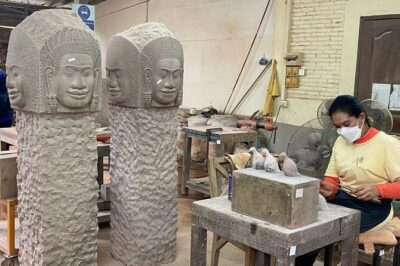 ★ 5.0Siem Reap City Tour with War Museum and Killing FieldFrom $4727 reviews
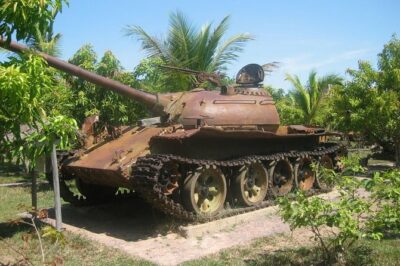 ★ 5.0War Museum, Killing Field and Floating village ( Chong Kneas) TourFrom $7514 reviews
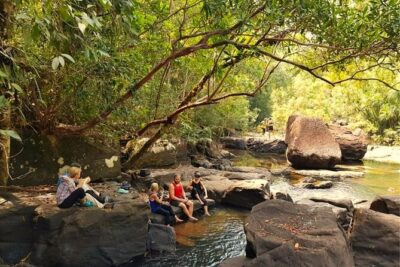 ★ 5.0Kbal Spean Trekking Tour with Banteay Srei and Landmine MuseumFrom $7114 reviews
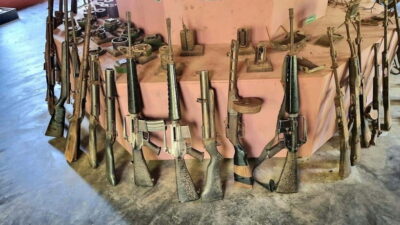 ★ 4.9War Museum included Ticket and Pickup Drop OffFrom $912 reviews
 ★ 5.0Siem Reap Guided Tour & Hero RATs at APOPO Visitor CenterFrom $6711 reviews
 ★ 4.4Bantreay Srei , Kbal Spean and Landmine Museum with Tuk TukFrom $389 reviews
Browse the lists this tour appears in