
Reviewed · FLOATING VILLAGES & TONLE SAP TOURS
Siem Reap: Floating Village Tour
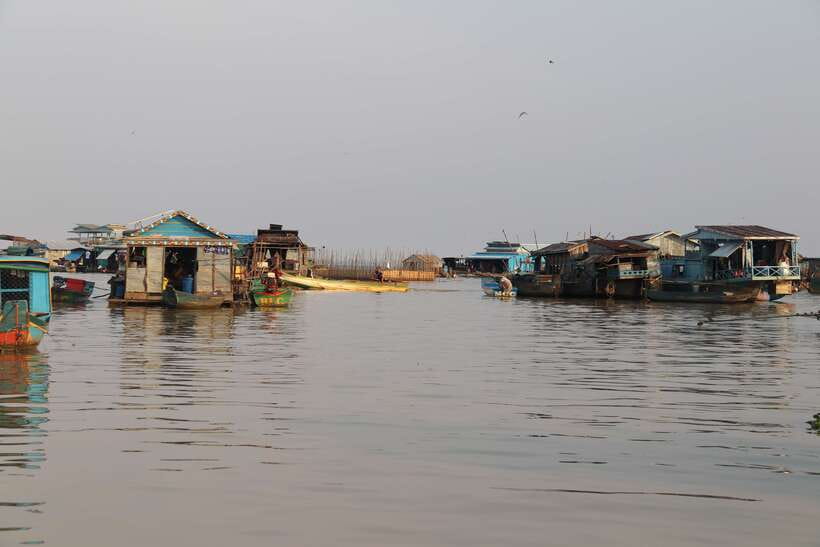
Siem Reap’s Tonle Sap floating villages feel like another planet. You ride out past rice paddies, then glide through narrow waterways on a flat-bottomed boat with local guides who know village life up close. I love that the tour builds a story, not just a sightseeing loop.
Two things I especially like: the free hotel pick-up and drop-off, and the fact that the guides and boat crew are connected to the floating communities. You get an English-speaking local perspective, plus a family-friendly 3-hour format that works even if you have limited time.
One thing to consider: the tour is short, so you may not get as much time at each stop as you’d like. If you are hoping for purely floating-village time, note that some versions include extra stops like a crocodile farm, and that part is not everyone’s favorite.
Key highlights worth waking up for
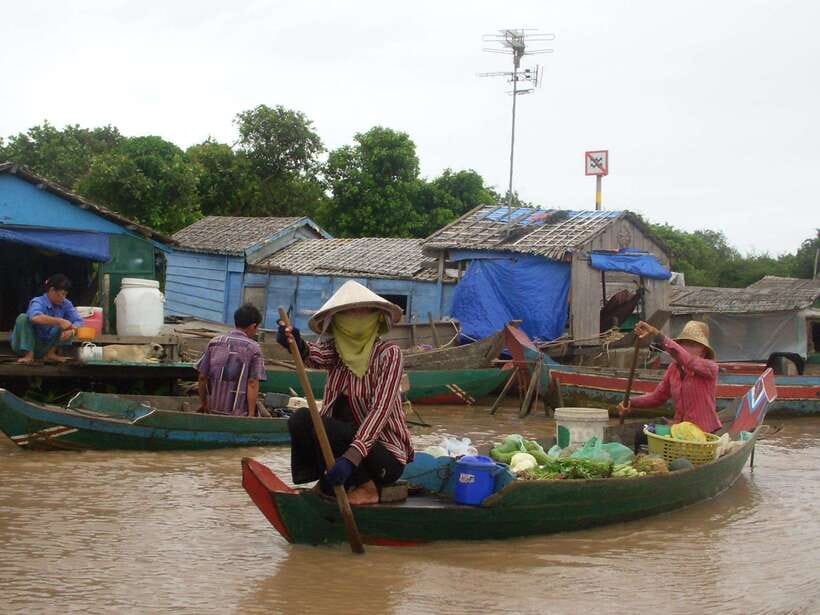
- Flat-bottomed riverboats designed for the narrow, twisty waterways near Tonle Sap
- Local guides with real village roots, plus English interpretation
- Lotus flower farm stop with Buddhist-culture context and great photo fields
- Tonle Sap flow reversal context, explained in a way you can actually picture
- Queen Tara riverboat drinks and local fresh fruit during the cruise break
- UNESCO biosphere reserve framing for the birdlife and fragile ecosystem
Back out on the lake, more stilted villages
- From Siem Reap: Kampong Phluk Floating Village Tour by Boat★ 4.9 · 6,979 reviews
- Sunset tour of Kampong Phluk stilts home village on the Tonle Sap★ 5.0 · 4,865 reviews
- Kompong Phluk Floating Village Half-Day Tour ( Morning / Sunset )★ 5.0 · 1,494 reviews
- Siem Reap: Kulen Mountain, Beng Mealea and Tonle Sap Tour★ 5.0 · 1,483 reviews
The drive from Siem Reap to Tonle Sap, with lotus fields as your first stop
The tour starts with convenient pickup from your hotel or guesthouse in Siem Reap Province. You travel by air-conditioned minivan or car, and in some cases you might also ride in a tuk tuk to the boat ramp area. This matters because Siem Reap heat can hit fast, and you want your first impression of Tonle Sap to be calm, not sweaty-chaos.
About 14 kilometers out, you stop at a lotus flower farm. This is more than a quick photo stop. Your guide explains how lotus plants connect to Buddhist culture, and you learn that the uses go beyond the flower. Even the stem and other parts of the plant are used in different ways, which gives you a practical view of how Cambodians think about nature and daily life.
On the drive, you also pass rice paddies and Cambodians countryside scenes. It’s the easiest way to switch gears from temple crowds to real working landscapes, and it sets you up for what you’ll see later on the water: communities that adapt constantly to changing seasons.
Possible drawback here: if you hate farm stops, this is where you’ll feel it. But the lotus farm is brief and purposeful, and it also helps you understand the cultural meaning behind what you’ll be learning later from your guide.
Heading out by private boat, then turning the corner into floating life
Once you reach the river entry area, private boats are waiting. The tour uses specialized flat-bottomed riverboats, which are well suited to shallow areas and the kind of narrow routes where regular boats would struggle. Then you cruise through waterways with lots of turns, twists, and changing views, so the experience doesn’t feel like you are just sitting on a single long route.
This is where the tour’s local connection really shows. Guides for this experience are described as having been born in the floating village, and that matters. Instead of generic narration, the explanations tend to be about daily rhythms: fishing life, home routines, and the practical challenges families face.
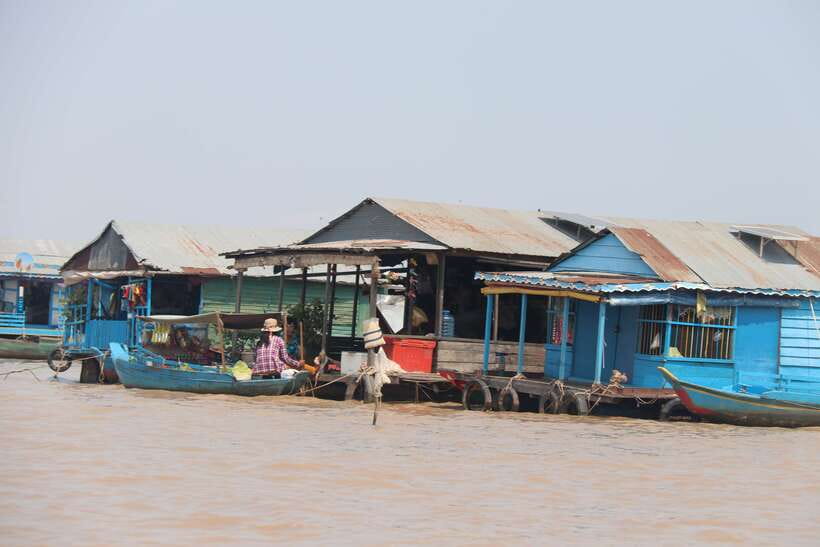
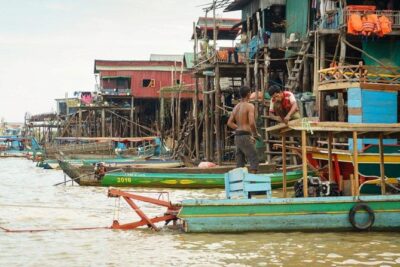
You’ll see floating schools, churches, markets, and even civic-style buildings like a police station and a jail. There are also floating vegetable gardens and even basketball courts. The overall effect is not just impressive, it’s a reminder that these aren’t tourist props. People truly build a community and infrastructure around the waterline.
One detail worth keeping in mind: fishing stocks can be under pressure, and your guide focuses on how that affects fishermen and their families. That shifts the tone from wow to understanding. You’ll still enjoy the views, but you’re also meant to walk away thinking about livelihoods, not just scenery.
The Queen Tara stop: drinks, fruit, and a real riverboat break
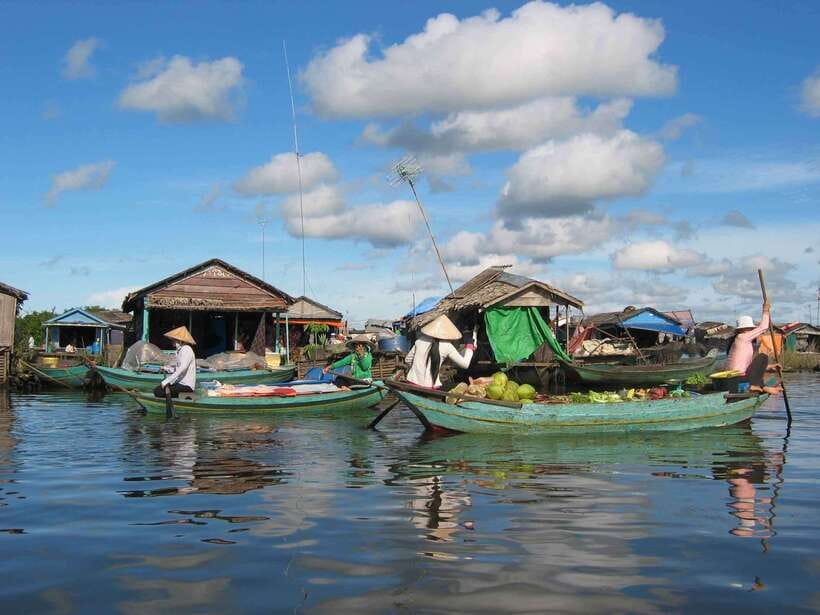
Mid-tour, you dock with the Queen Tara riverboat, described as a 100-year-old ex cargo boat. This is when you typically get refreshments, including drinks and local fresh fruit. It’s a nice palate reset if you’ve been under the sun or if the boat ride is taking it out of you.
I like this stop for practical reasons. It gives your legs a moment of rest and lets you take photos without trying to do it all while the boat is moving. It also helps you hear your guide clearly, because you are not fully focused on navigation at that moment.
If you are sensitive to how long you spend on the water, this brief docking break can make a short 3-hour outing feel more comfortable than it otherwise might. Do note, though, that the tour still runs on a tight timeframe, so you are not getting a long onboard meal.
Tonle Sap 101, why the villages move twice a year
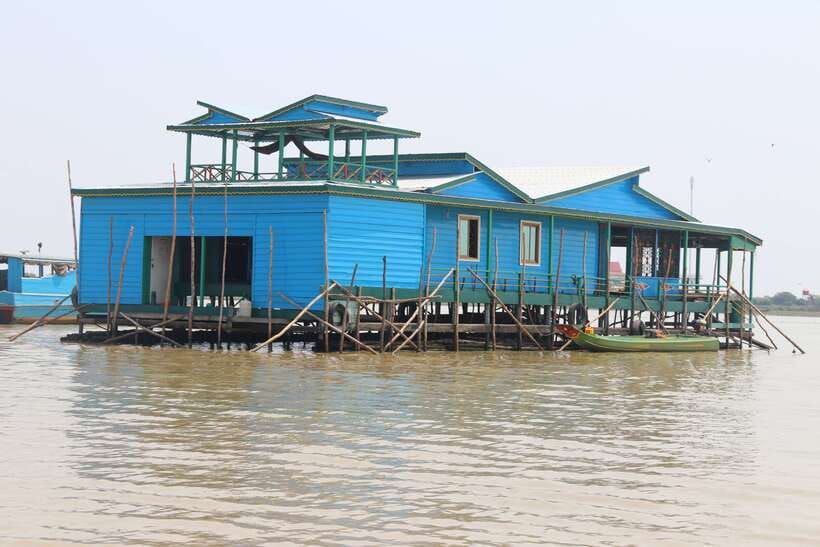
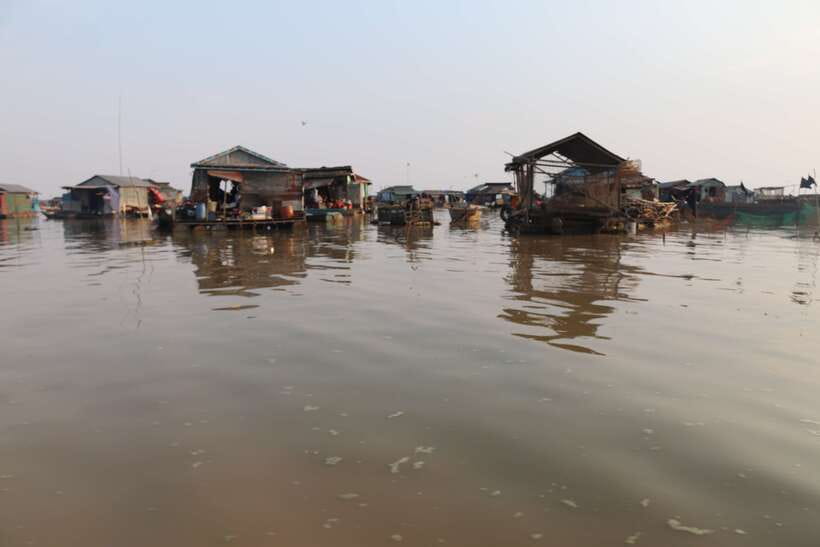
Here’s the heart of this experience: Tonle Sap is not static. The lake system changes direction twice per year, which is why the villages and businesses shift as the water rises and falls.
Your guide explains the seasonal mechanics in plain terms: in the dry season, the lake empties out toward the South China Sea through the Vietnam delta. In the wet season, the delta swells and pushes water north into Tonle Sap. As a result, water depth and surface area shift dramatically.
To put it in numbers you can remember:
- At the start of the wet season, depth can be around 1.5 meters
- At the height of the wet season, it can rise to over 10 meters
- The area can expand from about 2,700 square kilometers to over 12,000 square kilometers
- Tonle Sap is described as the largest freshwater lake in Southeast Asia
This is exactly the kind of context that turns a short boat ride into something you can actually connect to the real world. You start to see why floating markets exist, why schools float, and why everyday life follows the water like a clock.
Also, this is the part of the tour that feels most unique. It’s not just that the villages are on the water. It’s that the entire river-lake system reverses behavior, and people adapt around it.
Past the rice fields, more village days
UNESCO biosphere reserve and the birdlife you might notice
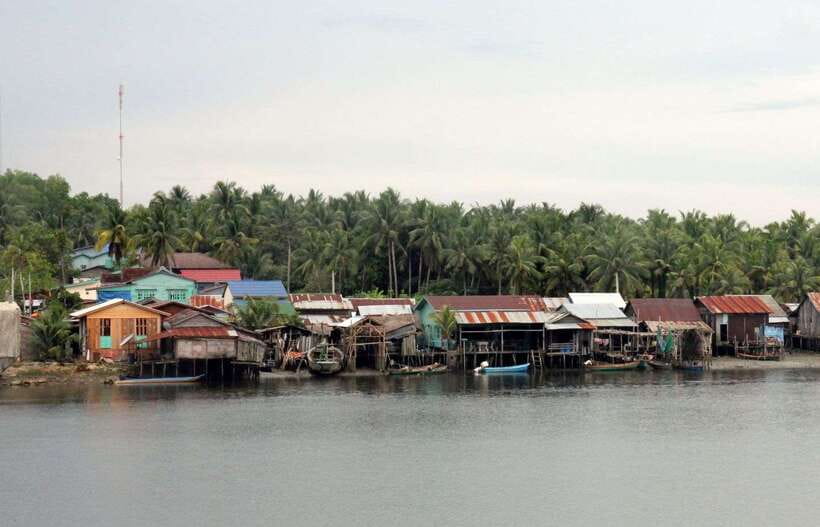
Tonle Sap is also described as having high biodiversity and being recognized as a UNESCO biosphere reserve in 1997. Your guide may frame what you see with that larger picture, including the idea that Tonle Sap supports many birds, including large water birds.
The lake is described as home to over 120 different species of birds. In practice, you might not see every species on a 3-hour visit, but you’ll likely notice the general habitat pattern: wide water views, birds that hang around the edges, and the feeling of an ecosystem that’s more complex than you first assume.
If you are a bird lover, keep your expectations realistic. A short cruise is about appreciation and context, not a full wildlife day. Still, the UNESCO framing makes the scenery more meaningful, and it helps you notice details instead of treating everything as background.
Price and value: what $65 covers, and what you should mentally budget for
At around $65 per person for a 3-hour tour, this is a fair mid-range day trip in Siem Reap. The bigger value point is what’s included:
- Pick-up and drop-off from your accommodation
- English speaking local guide
- All transport
- All checkpoint fees
- Boats and driver
That matters because boat day trips often turn into surprise costs. Here, you’re mainly budgeting for what’s not included: meals and drinks. The tour does include refreshments during the Queen Tara stop, but you should still expect to handle any extra snacks or full meals on your own.
I also like that the experience is described as skip-the-line via a separate entrance. For short tours, time savings are real. You don’t want to burn your morning waiting around.
One more value check: this tour’s emotional payoff is tied to its local perspective. If you connect with community stories and seasonal ecology, the price feels more like support plus learning. If you only want a quick sightseeing cruise with minimal context, you may find some parts too “message-heavy,” especially around fishing challenges.
Timing, weather, and what to wear for a 3-hour water day
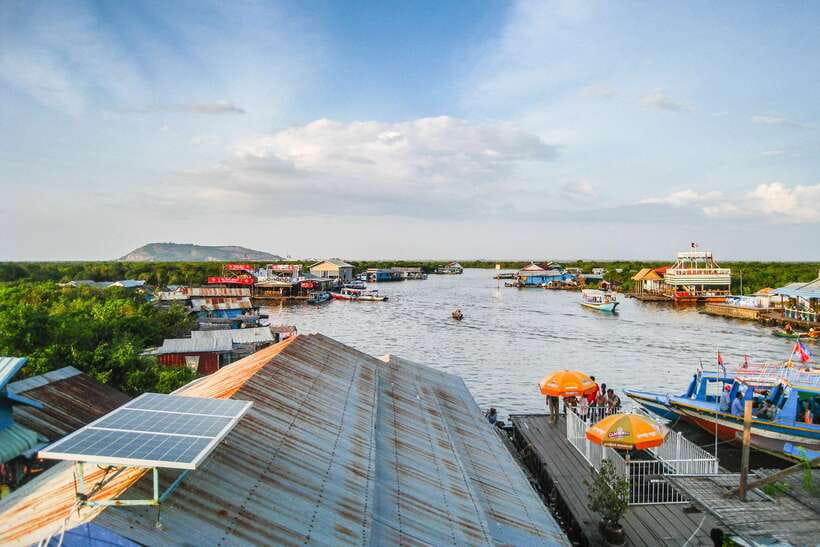
The tour operates in all weather conditions, so you should treat it like a real outdoor boat day. Dress appropriately, meaning sun protection and breathable clothes are smart for bright conditions.
Bring basics:
- Light layers for sun and breeze
- Shoes you don’t mind getting a little damp
- Something for rain if showers are likely where you are staying
If you are planning to take lots of photos, the lotus farm is a highlight for colorful shots, and the wider lake views can also be good for panoramic frames. The rest is moving water, so choose modes that keep your hands free when the boat starts turning.
Who this floating village tour is best for, and who should think twice
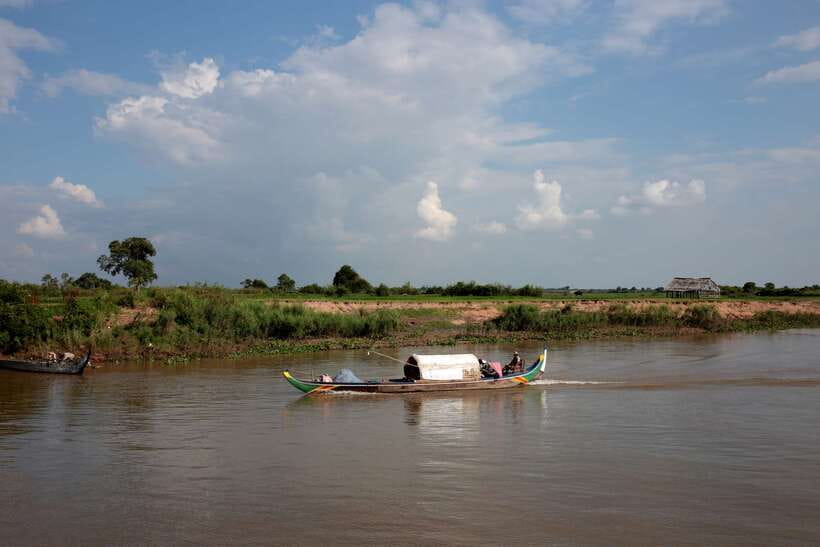
This is one of the stronger choices for people who want a family-friendly outing with a real local guide. It’s also a good pick if you want a half-day style experience without committing to a long day on the road.
It tends to suit:
- Families who want something short and structured
- Visitors who like learning why a place works, not only what it looks like
- People who enjoy boat travel and want the view from the water
It may not be ideal if:
- You only want a long, slow village wander and prefer minimal time in transit
- You dislike animal-related farm stops, since some schedules can include a stop at a crocodile farm and opinions on that vary
- You expect a full wildlife safari, since the focus here is floating village life plus seasonal Tonle Sap context
One more practical note: unaccompanied minors are not allowed. Children must be accompanied by an adult, and the tour sets child pricing as well, so plan accordingly.
Should you book this Siem Reap floating village tour?
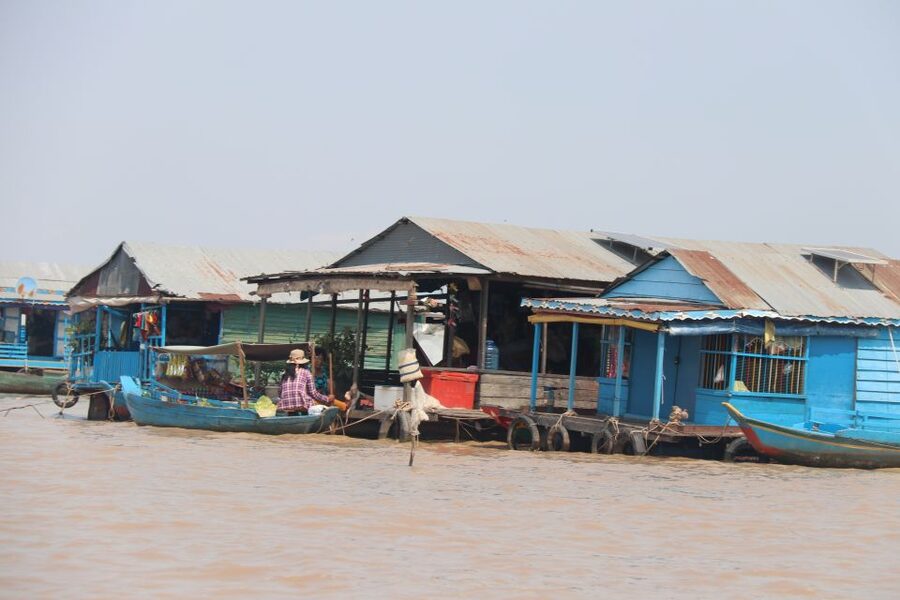
I’d book it if you want a smart 3-hour introduction to Tonle Sap and the floating communities, especially if you care about how seasonal changes shape daily life. The strongest parts are the boat ride through narrow waterways, the local guide perspective, and the way Tonle Sap’s flow reversal turns the scenery into something you understand.
Skip it or choose another option if you are chasing only postcard views and you hate any stop that feels tangential to floating village life. In a short tour, every stop is a trade-off.
If you do book, I’d go in with two mindsets: enjoy the water views, and listen for the explanation of how the lake expands and contracts. That’s where this tour earns its worth.
FAQ
How long is the Siem Reap floating village tour?
It lasts 3 hours.
Where does the tour take place?
The tour runs in Siem Reap Province, Cambodia, focused on the floating villages around Tonle Sap.
Is hotel pick-up and drop-off included?
Yes. Pick-up and return to your hotel or guesthouse are included.
What kind of boat do you use?
You travel by flat-bottomed riverboats designed for the waterways near the floating villages.
Is there an English-speaking guide?
Yes. The tour includes an English speaking local guide.
Are meals included?
No. Meals and drinks are not included, though refreshments and local fresh fruit are provided during the Queen Tara stop.
Is the tour suitable for families?
It’s described as family friendly.
Are unaccompanied minors allowed?
No. Unaccompanied minors are not allowed, and children must be accompanied by an adult.
How are children priced?
Children 10 and under are half price, and children 5 and under are free.
Do you need to worry about weather?
The tour operates in all weather conditions, so dress appropriately.
More Tour Reviews in Siem Reap
- Angkor Wat Sunrise or Sunset Tour with Guide from Siem Reap
★ 5.0 · 12,109 reviews - Siem Reap: Angkor Wat: Small-Group Sunrise or Sunset Tour
★ 5.0 · 9,444 reviews - From Siem Reap: Kampong Phluk Floating Village Tour by Boat
★ 4.9 · 6,979 reviews - Sunset tour of Kampong Phluk stilts home village on the Tonle Sap
★ 5.0 · 4,865 reviews - Siem Reap: Angkor Wat 2-Day Tour with Sunrise and Sunset
★ 4.9 · 4,429 reviews
Through the Siem Reap Countryside
- From Siem Reap: Kampong Phluk Floating Village Tour by Boat
★ 4.9 · 6,979 reviews - Kampong Phluk Floating Village Tour by Boat
★ 5.0 · 1,020 reviews - Siem Reap Countryside Bike Tour / E-Bike or Tuk Tuk
★ 5.0 · 935 reviews - Siem Reap: Tonle Sap, Kampong Phluk & Floating Village Tour
★ 4.4 · 397 reviews - Siem Reap Countryside Quad Biking Tour
★ 5.0 · 322 reviews
Out on Tonle Sap
- From Siem Reap: Kampong Phluk Floating Village Tour by Boat
★ 4.9 · 6,979 reviews - Sunset tour of Kampong Phluk stilts home village on the Tonle Sap
★ 5.0 · 4,865 reviews - Kompong Phluk Floating Village Half-Day Tour ( Morning / Sunset )
★ 5.0 · 1,494 reviews - Siem Reap: Kulen Mountain, Beng Mealea and Tonle Sap Tour
★ 5.0 · 1,483 reviews - Tonle Sap Lake & Kampong Phluk Village Half-Day Tour
★ 5.0 · 1,045 reviews
Just Added: Fresh Siem Reap Tour Reviews

Floating Villages & Tonle Sap Tours, compared.
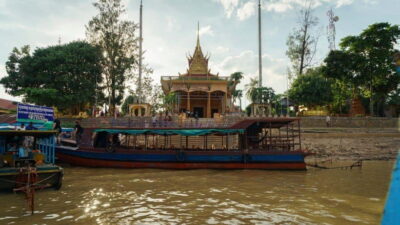 ★ 4.9From Siem Reap: Kampong Phluk Floating Village Tour by BoatFrom $206,979 reviews
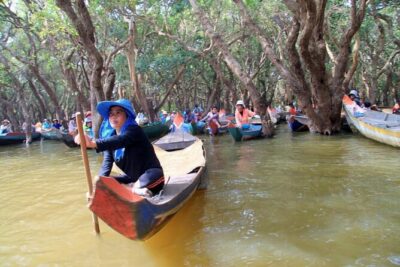 ★ 5.0Sunset tour of Kampong Phluk stilts home village on the Tonle SapFrom $214,865 reviews
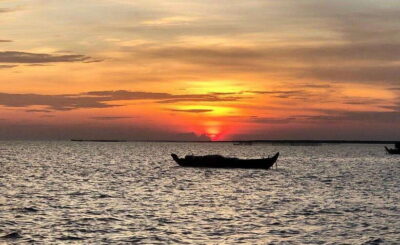 ★ 4.9Kampong Phluk Floating Village Tour with BoatFrom $193,843 reviews
 ★ 5.0Siem Reap Floating Village Kampong Phluk Sunset with BoatFrom $181,962 reviews
 ★ 5.0Kompong Phluk Floating Village Half-Day Tour ( Morning / Sunset )From $241,494 reviews
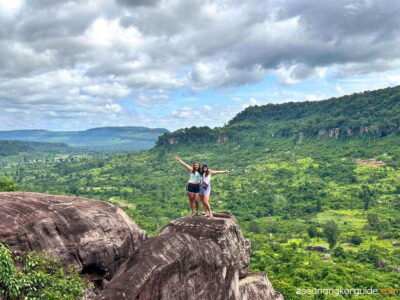 ★ 5.0Kulen Mountain, Beng Mealea and Tonle Sap TourFrom $481,483 reviews
 ★ 5.0Tonle Sap Lake & Kampong Phluk Village Half-Day TourFrom $491,045 reviews
 ★ 5.0Kampong Phluk Floating Village Tour by BoatFrom $201,020 reviews
Browse the lists this tour appears in