
Reviewed · ANGKOR WAT TEMPLE TOURS
Siem Reap: Angkor Wat Small-group Sunrise or Sunset Tour
Sunrise at Angkor Wat sets the tone. I love the early Angkor Wat sunrise start, especially the plan to enter from the western side so you can catch the towers in softer light before the biggest crowds. I also love the finish at Banteay Kdei, a calmer temple stop that feels like a breather after the more famous sites. One thing to consider, though, is that the day’s value can depend heavily on your guide’s explanations and English clarity, so ask questions early if you care about temple meaning and history.
You’ll ride in an air-conditioned minibus with pickup and drop-off from your Siem Reap hotel area. The tour is built around an English-speaking guide, plus guided walking and photo stops, so you’re not just rushing through stonework on your own.
Key Things You’ll Notice on This Angkor Tour

- Western entrance timing at Angkor Wat sunrise to help you catch the best lighting before the main surge.
- A full Angkor Wat morning window with time for photos and an inside guided walk through major areas.
- Bayon’s 54 towers with 200+ smiling stone faces, plus carvings tied to daily life and battles.
- Ta Prohm as a jungle temple effect, with the famous giant tree roots integrated into the ruins.
- A quieter temple finish at Banteay Kdei, with serene corridors and partially ruined sections.
- Photo help that can make the group experience easier, when your guide takes time to capture everyone.
Other ways to walk the great temple
- Angkor Wat Sunrise or Sunset Tour with Guide from Siem Reap★ 5.0 · 12,109 reviews
- Siem Reap: Angkor Wat: Small-Group Sunrise or Sunset Tour★ 5.0 · 9,444 reviews
- Siem Reap: Angkor Wat 2-Day Tour with Sunrise and Sunset★ 4.9 · 4,429 reviews
- Siem Reap: Full-Day Angkor Wat Guided Tour with Sunset★ 4.9 · 3,803 reviews
Why Angkor Wat Sunrise Feels Different on This Route

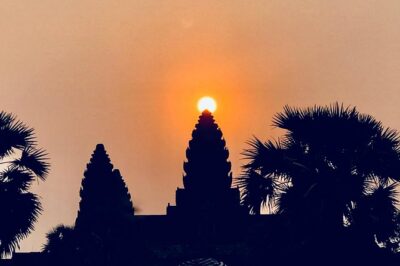
The biggest hook of this tour is that it targets a sunrise window at Angkor Wat, not just a daytime sightseeing circuit. That matters because the first light changes the mood of the carvings and towers, and it also gives you a better shot at calmer viewing than a later arrival.
There’s also a smart detail in how you get into the Angkor Wat area. Instead of funneling through the busiest entry, the plan is to go in via the western entrance after you’ve purchased temple tickets. If you care about photos, this kind of timing and routing can make the difference between sharing angles with a crowd and finding a clean composition.
You start your day with about an hour of travel to the Angkor Archaeological Park after pickup. Then you settle into a longer Angkor Wat block, so sunrise is not treated like a quick stop. The format gives you time to look, take photos, and still walk inside.
Ticket Reality Check and How the Day Stays Smooth
Temple tickets are not included, but the tour does include a way to reduce friction once you arrive. You’re set up to purchase your Angkor ticket on-site, and the tour includes skipping the ticket line.
That’s one of those practical pieces that saves energy. When you’re waking early, a smooth start helps. It also means your guide can keep the group together and move you into the sunrise window without everyone getting separated.
You should plan on budgeting for the entrance fee yourself. If you’ve been on tours in other countries, you’ll recognize the pattern: transportation, guide, and a structured route are included, but the temple entry is paid separately.
The Morning at Angkor Wat: Sunrise, Galleries, and Inside Views

Angkor Wat is the star, and the schedule reflects that. After the sunrise photo moment, you get time for a guided walk inside the complex.
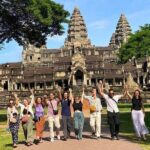
First, you’re there for the classic imagery, towers and reflections near the moat. The key is that you’re not arriving after the main wave. The tour’s early timing is designed so you can enjoy the first views and still have enough time for photos before everything gets crowded.
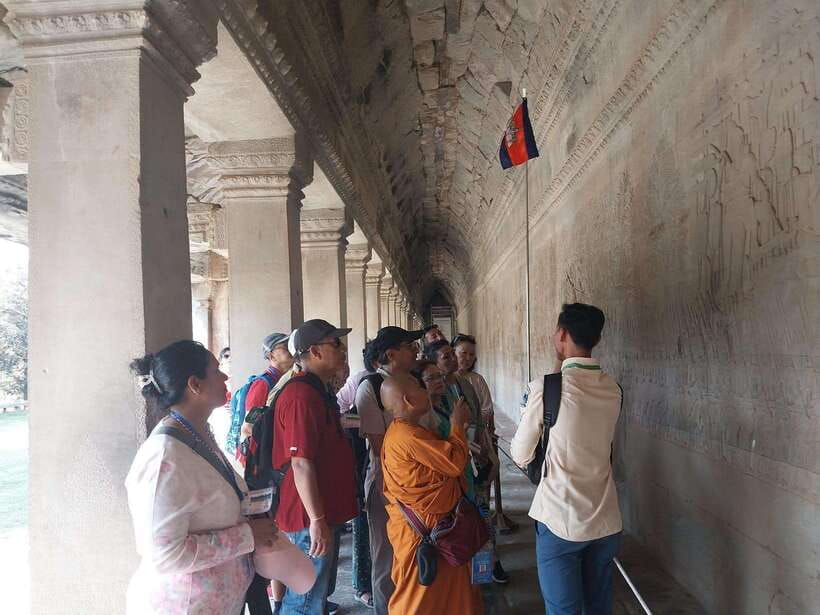
Then comes the inside exploration. You’ll see how the site evolved over time, originally built as a Hindu temple connected to Vishnu, later becoming a Buddhist site. That shift is useful context because the carvings and sacred spaces can look different when you understand what they were built to represent.
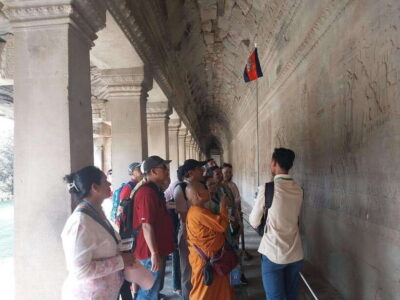
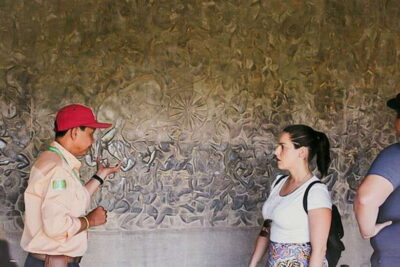
What I like about this portion is that it’s not just exterior walls. The tour focuses on the grand galleries and the central sanctuary areas, and it’s set up so you can connect details on the stone surfaces with the bigger design of the complex.
There’s a practical rhythm here too. The plan includes walking, plus time for photos, with a total Angkor Wat block of about three hours. That’s enough to do the highlights without feeling like you’re only getting a stamp-and-go.
Bayon Temple: The Faces, the Towers, and the Stories in Stone

After Angkor Wat, the tour moves to Bayon Temple in the center of Angkor Thom. Bayon is famous for its 54 towers, each covered in stone faces. The most striking part is scale, 200+ faces looking outward in a repeating pattern that you only fully understand when you walk through the levels.
You also get a guided walk and photo stop here. The carvings are described as scenes from daily life and historical battles, and that mix is one reason Bayon hits hard. It’s not only symbolic. You get a sense of how ordinary and extraordinary events were recorded in stone.
The timing is about one hour at Bayon. That’s a good balance for a day that will later include two more big temple stops plus a calmer one. If you try to spend longer, you can, but a tight schedule is often more realistic in the heat and early start context.
Chasing the light? More dawn and dusk runs
Lunch, Break Time, and the Shift to Ta Prohm

Once Bayon is done, you’ll have lunch and time to relax before heading to Ta Prohm. That break is not a filler. After walking through stone corridors and climbing viewpoints, a reset keeps the afternoon from feeling like a nonstop endurance test.
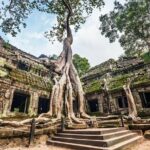
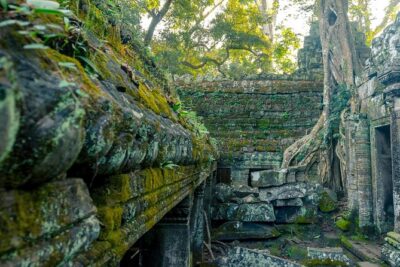
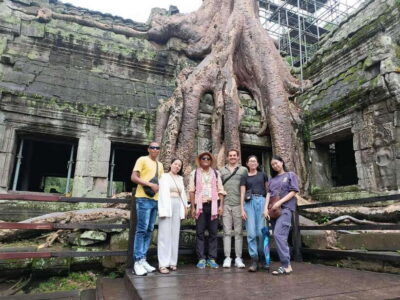
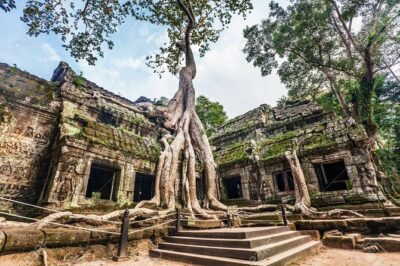
Then comes the Ta Prohm segment, which is where the tour leans into the most photogenic, instantly recognizable Angkor image. Ta Prohm is known for the huge tree roots that spread over the ruins. The way the trees hold the stones together gives you a sense of time and return, nature reclaiming a temple space.
The schedule sets Ta Prohm up in two parts. First you get a break time and breakfast (about 45 minutes), then later you return for the photo stop and the guided walk and visit (about one hour). That structure helps, because it prevents Ta Prohm from becoming a rushed checkbox.
Ta Prohm: Why the Jungle Temple Effect Matters
Ta Prohm is a 12th-century temple, and the tour highlights one of the main reasons it became famous: the site was left largely unrestored. That means you see the jungle temple effect as something you can still feel in the atmosphere of the ruins, not just as a curated set of stones.
If you like photography, you’ll recognize the appeal fast. The roots create framing lines, textures, and natural borders across walls. Even if you’re not a dedicated photographer, it’s the kind of scene that makes you slow down without being told to.
The guided part also matters here. When someone points out what you’re looking at and where to stand, you waste less time wandering for the best angles. Your guide should be able to connect Ta Prohm’s design and its current look, so you understand why these trees are such a big part of the temple’s identity.
Banteay Kdei: The Calmer Finish You’ll Thank Yourself For

After Ta Prohm, the route ends with Banteay Kdei. This is the one that surprised a lot of people in other contexts because it’s less famous than Angkor Wat or Bayon, yet it’s described as peaceful with stunning architecture.
The temple name is associated with Citadel of Chambers, and the tour emphasizes what that feels like when you’re there: corridors, carved details, and a monastery atmosphere. You’ll also see partially ruined areas, which adds to the quiet, mysterious feeling of the place.
Timing here is shorter, about 45 minutes, with a photo stop and guided visit and walk. That’s exactly what this stop is best for. It’s a chance to break the intensity of the morning’s big iconic sites and end with something more spaced out in feel.
I like finishing on Banteay Kdei because it gives you a different Angkor memory. You come away with more variety, not just repeated images of the most photographed towers and roots.
Transport, Timing, and Pacing (The Stuff That Can Make or Break Your Day)

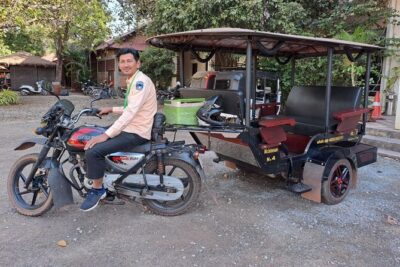
The tour includes pick up and drop off, and transportation is handled by an air-conditioned minibus. The travel time to the park is about 45 minutes, and the return trip is also around 45 minutes.
That means you’re spending a lot of time in a structured day format, but not in a way that drags. Most of the time on the ground is temple time, with photo stops and walking built in. Drinking water is included, which helps on a long day.
Pacing is worth thinking about. You have major temple blocks with short focused periods at each one, plus a meal and break around the mid-afternoon. If you prefer ultra-slow temple wandering, this route might feel structured. If you want a well-run hit list that still includes meaningful guided walking, it’s a strong fit.
Guide Quality: Where Your Experience Can Swing

The guide is one of the biggest variables in how satisfying the day feels. Some guides have been praised for energy, humor, and clear explanations, and for taking time to get group photos.
For example, guides such as David have been described as generous with energy and able to teach a lot. Another named guide, Kosal, has been described as funny, inclusive, and willing to tailor what he explains based on what the group cares about, including religious stories and building history. Kosal also is mentioned as knowing good photo spots and taking time to capture pictures and make sure people are happy with them.
On the flip side, a guide named Noon has been described as explaining very little about temples and being difficult to understand at times. In that scenario, people felt they had to explore more on their own rather than get strong temple context.
My practical advice: if your guide’s explanations feel thin, fix it fast. Ask direct questions early, like what each temple’s main focus is or how the faces at Bayon relate to the overall site. If the answers are clear, you’ll enjoy the day more. If not, you’ll at least have clarity on why you’re not getting the story you want.
Price and Value: What $12 Gets You, and What It Does Not
At $12 per person, this tour is priced like a budget-friendly way to get an organized Angkor day. The included parts are meaningful: an English-speaking tour guide, pickup and drop-off, transportation, drinking water, and the promise to skip the ticket line.
The entrance tickets are not included, so your total cost will depend on the current temple fee. Still, $12 covers the logistics and guided structure, which is usually the expensive part in Angkor trips for most people, especially when you’re using pickup and a vehicle.
This is good value if you want a full day that hits the major temples named in the highlights, with a clear sequence and photo stops. It’s less of a deal if you already plan to hire an independent guide for deep explanations, because the tour guide quality can vary.
Who Should Book This Sunrise and Iconic Temples Tour
This tour makes the most sense if you:
- Want Angkor Wat sunrise plus the classic lineup, without spending your day planning routes.
- Like the idea of guided walking at multiple major sites, plus photo stops at key moments.
- Prefer a small-group setup where you can move as a unit and still get attention.
It may not be the best choice if:
- You only enjoy Angkor when you get very detailed, clear temple history and theology from your guide.
- You dislike structured schedules and prefer unplanned time at one site.
If you’re traveling with friends and you care about getting group photos, this tour can be a good fit, especially when your guide is willing to help with photo timing and spots.
Should You Book This Siem Reap Sunrise Tour?
If you want a smooth, guided Angkor day that covers Angkor Wat, Bayon, Ta Prohm, and Banteay Kdei in one package, I’d say it’s worth booking. The sunrise focus at Angkor Wat, plus the calmer finish at Banteay Kdei, gives you variety in the memories you take home.
The main caution is guide quality. If your top priority is deep, clear explanations and you’ve had trouble with English on other tours, you’ll want to be ready to ask questions early. When the guide clicks, this kind of day can feel unforgettable because the route is doing exactly what you came for.
FAQ
Is the temple ticket included in the price?
No. Temple tickets or entrance fees are not included. You purchase them as part of the tour day.
What does the $12 per person price include?
It includes an English-speaking tour guide, pickup and drop-off, transportation, and drinking water.
Will I be picked up from my hotel in Siem Reap?
Yes. Pickup is included. You should wait for the tour guide in your hotel lobby during the pickup time window.
What time is pickup?
The pickup time is listed as 8:15am to 9:00am.
What temples are visited?
You’ll visit Angkor Wat, Bayon Temple, Ta Prohm, and Banteay Kdei.
Is there a sunrise component?
Yes. The plan includes sunrise at Angkor Wat, with a photo stop and guided exploration afterward.
Does the tour help with the ticket line?
Yes. The tour includes skipping the ticket line.
Are there any restrictions on alcohol or drugs?
Alcohol and drugs are not allowed.
How flexible is cancellation?
You can cancel up to 24 hours in advance for a full refund.
More Temple Circuits Around Siem Reap
- Angkor Wat Sunrise or Sunset Tour with Guide from Siem Reap
★ 5.0 · 12,109 reviews - Siem Reap: Angkor Wat: Small-Group Sunrise or Sunset Tour
★ 5.0 · 9,444 reviews - Siem Reap: Angkor Wat 2-Day Tour with Sunrise and Sunset
★ 4.9 · 4,429 reviews - Siem Reap: Full-Day Angkor Wat Guided Tour with Sunset
★ 4.9 · 3,803 reviews - Angkor Wat Sunrise tour with Small – Group and Guide tours
★ 5.0 · 3,655 reviews
Dawn and Dusk Over Angkor
- Angkor Wat Sunrise or Sunset Tour with Guide from Siem Reap
★ 5.0 · 12,109 reviews - Siem Reap: Angkor Wat: Small-Group Sunrise or Sunset Tour
★ 5.0 · 9,444 reviews - Sunset tour of Kampong Phluk stilts home village on the Tonle Sap
★ 5.0 · 4,865 reviews - Siem Reap: Angkor Wat 2-Day Tour with Sunrise and Sunset
★ 4.9 · 4,429 reviews - Siem Reap: Full-Day Angkor Wat Guided Tour with Sunset
★ 4.9 · 3,803 reviews
Angkor Wat, a Few More Ways In
- Angkor Wat Sunrise or Sunset Tour with Guide from Siem Reap
★ 5.0 · 12,109 reviews - Siem Reap: Angkor Wat: Small-Group Sunrise or Sunset Tour
★ 5.0 · 9,444 reviews - Siem Reap: Angkor Wat 2-Day Tour with Sunrise and Sunset
★ 4.9 · 4,429 reviews - Siem Reap: Full-Day Angkor Wat Guided Tour with Sunset
★ 4.9 · 3,803 reviews - Angkor Wat Sunrise tour with Small – Group and Guide tours
★ 5.0 · 3,655 reviews
Just Added: Fresh Siem Reap Tour Reviews

Angkor Wat Temple Tours, compared.
 ★ 5.0Angkor Wat Sunrise or Sunset Tour with Guide from Siem ReapFrom $1812,109 reviews
 ★ 5.0Angkor Wat: Small-Group Sunrise or Sunset TourFrom $159,444 reviews
 ★ 4.9Angkor Wat 2-Day Tour with Sunrise and SunsetFrom $344,429 reviews
 ★ 4.9Full-Day Angkor Wat Guided Tour with SunsetFrom $153,803 reviews
 ★ 5.0Angkor Wat Sunrise tour with Small – Group and Guide toursFrom $143,655 reviews
 ★ 5.0Angkor Wat Highlights and Sunrise Guided Tour from Siem ReapFrom $233,213 reviews
 ★ 5.0Angkor Wat Sunset Small Group Tour with Lunch IncludedFrom $203,059 reviews
 ★ 5.0Full-Day Angkor Wat Sunrise Private Tour with Guide from Siem ReapFrom $602,920 reviews