
Reviewed · ANGKOR TEMPLE TOURS
Siem Reap: Angkor Temples Tour by a Private Tuk Tuk
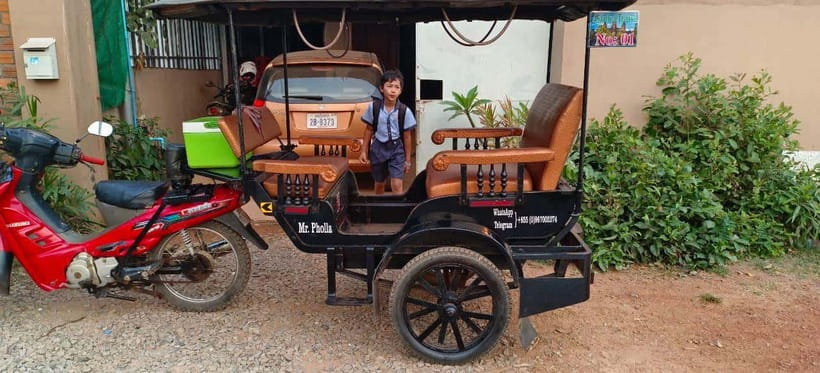
Angkor without the tour bus headache. This private tuk tuk day in Siem Reap links the big icons of Angkor with smart timing, and you still get a separate entrance to help you avoid some waiting. I like how the route hits both the jaw-dropping centerpiece temples and the temples that feel more like you discovered them on your own.
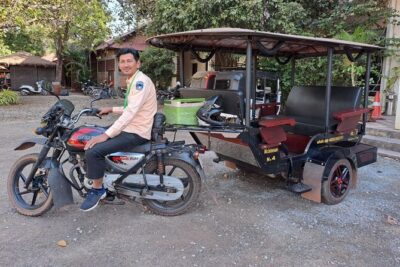
What I love even more is the human touch: an English-speaking driver who keeps the day comfortable, with cold waters (and some guides even offer fresh towels). The main drawback to plan for is simple: entrance fees and lunch are not included, so you’ll need to budget for tickets and food during your breaks.
Key Things To Know Before You Go
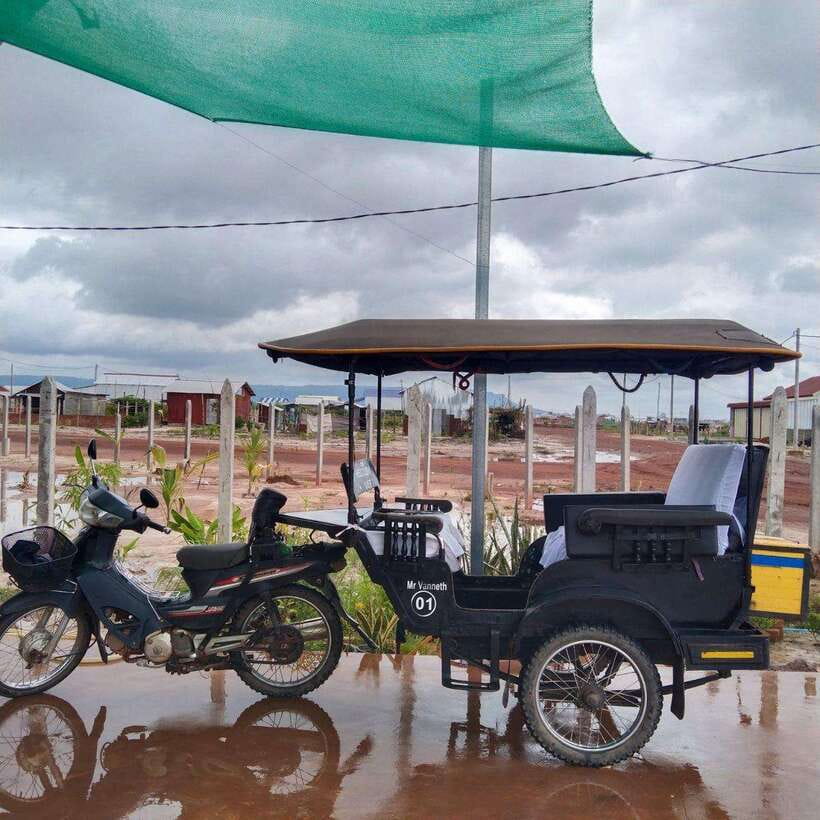
- Private tuk tuk flexibility: You stay in a small group (up to 4) and can adjust how long you linger at each stop.
- Skip-line style entry: A separate entrance can save you time at busy points.
- Cold waters and comfort: Expect cold water during the day, plus thoughtful touches from the driver.
- Angkor Wat plus the Angkor Thom core: You’ll cover the highlights people come for, without feeling rushed in a big vehicle.
- Two lesser-known add-ons: Thommanon and Chau Say Tevoda help balance the day beyond the most famous names.
- Ta Prohm’s tree-and-stone drama: You get a full hour here, enough to slow down and look.
More temple circuits, set side by side
- Angkor Wat Sunrise or Sunset Tour with Guide from Siem Reap★ 5.0 · 12,109 reviews
- Siem Reap: Angkor Wat: Small-Group Sunrise or Sunset Tour★ 5.0 · 9,444 reviews
- Siem Reap: Angkor Wat 2-Day Tour with Sunrise and Sunset★ 4.9 · 4,429 reviews
- Siem Reap: Full-Day Angkor Wat Guided Tour with Sunset★ 4.9 · 3,803 reviews
The Real Advantage of a Private Tuk Tuk Day
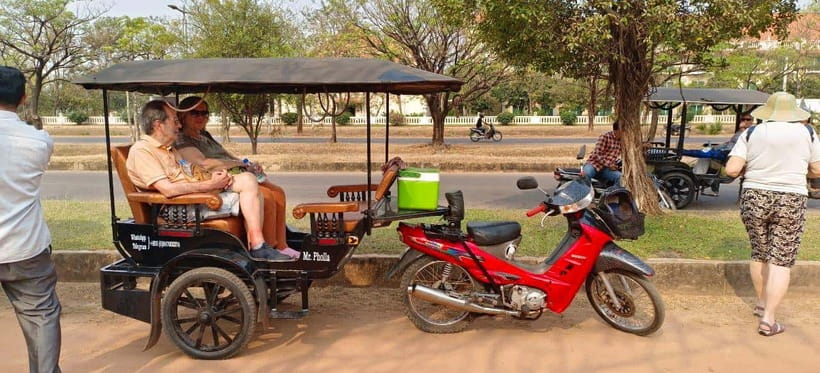
Angkor covers a lot of ground, and timing matters. With a private tuk tuk, you are not stuck at the pace of a large bus group, and that changes how the day feels. The temples are crowded enough on their own, so fewer logistics surprises is a big win.
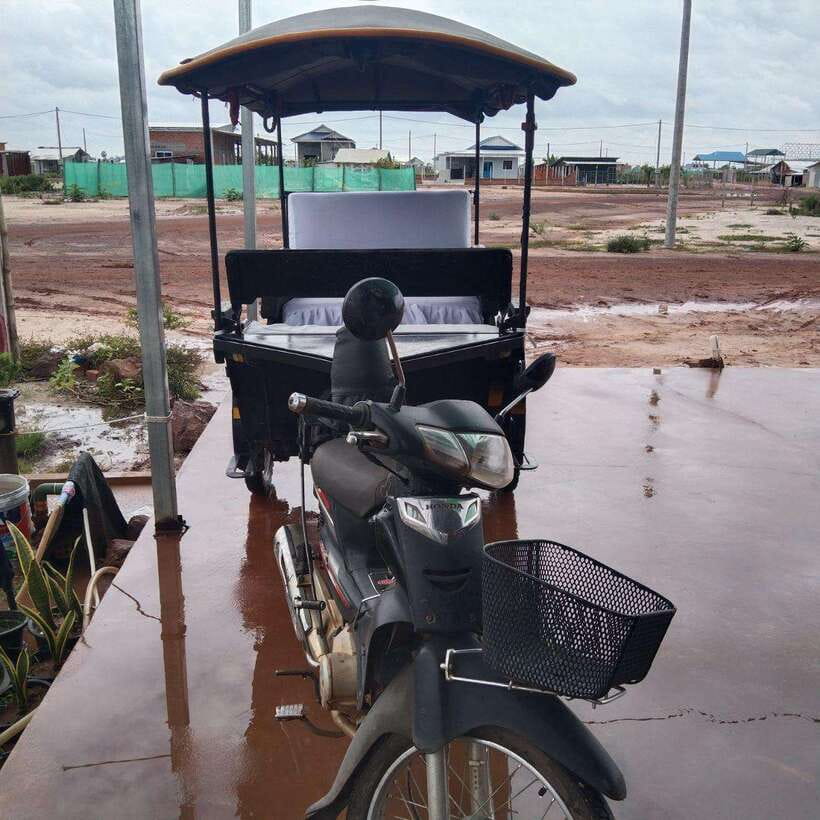
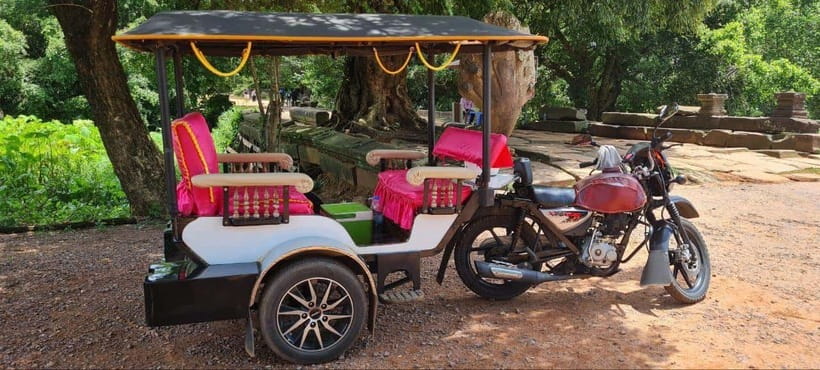
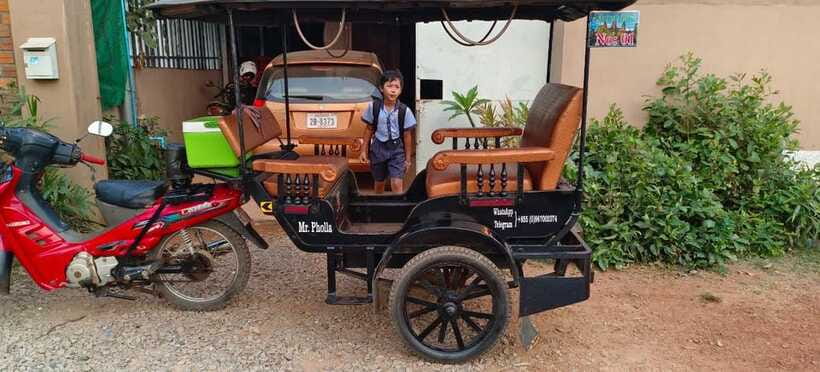
Pickup and drop-off are from your hotel in Krong Siem Reap. You also get a licensed driver and a private transport setup that includes toll roads, parking, and gasoline, which helps keep the day simple from a planning point of view. You bring the energy, the tuk tuk handles the bouncing between sites.
You should still expect heat and walking, because these are temple visits, not a museum stroll. The upside is you get to pick the rhythm, and that is especially helpful if you want more time for photos or you prefer shorter climbs.
How Your Driver Shapes What You See at Each Stop
This kind of tour lives or dies by the guide. Here, your driver is English-speaking and focused on getting you comfortable while keeping the route logical. The day works well for couples and solo visitors because you are not fighting for space or waiting for strangers to finish photos.
In real-world examples, drivers like Rachou and Sokha Cam have been described as attentive to needs, quick at the exits when you are done, and proactive with comfort. I also like the practical detail that some guides provide cold water and even fresh towels, which is genuinely helpful when you are walking under full sun.
Because the route is private, the order can help you avoid bottlenecks. Even when the temples are the same, how long you spend at each one makes a difference. You get the chance to linger where you care most, like the central faces at Bayon or the root patterns at Ta Prohm.
Angkor Wat: The Icon Temple You Can Actually Enjoy
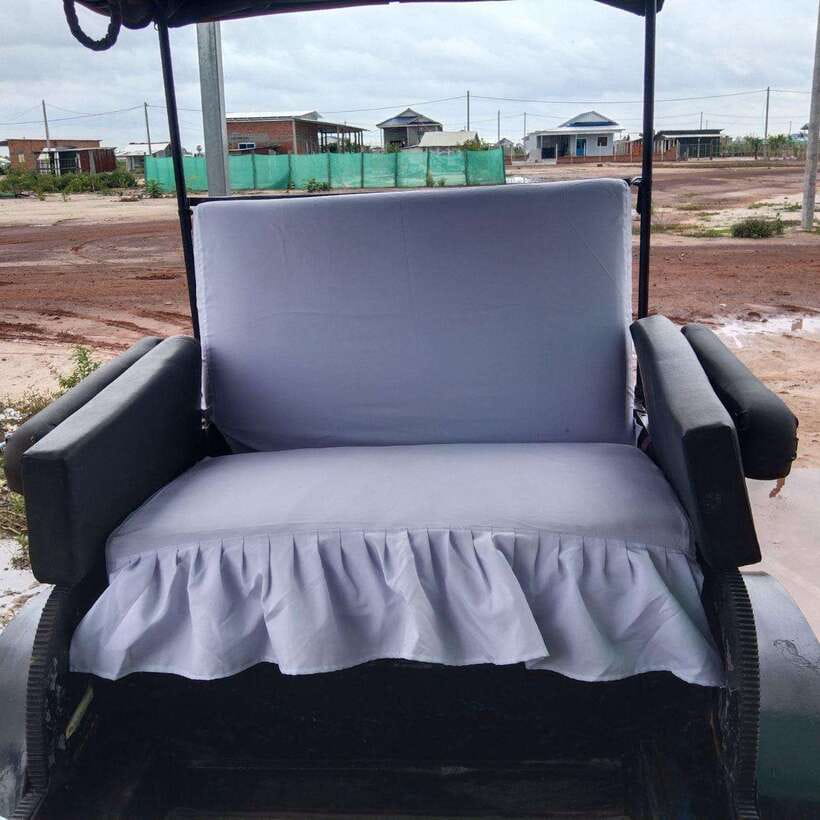
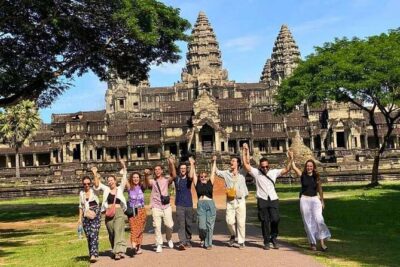
Your day usually starts at Angkor Wat, with about 1.5 hours for photos, visiting, and walking. This is the largest religious monument in the world, and it is also the symbol most people recognize instantly. It was built in the early 12th century by Khmer King Suryavarman II in Yasodharapura, the capital of the Khmer Empire, as a state temple and later a mausoleum.
What makes Angkor Wat more than a postcard is how it organizes your movement. You get the feeling of scale fast, and the temple layout encourages you to pause in the right spots for symmetry shots. You also get to see why it stayed important over time, because it is described as the best-preserved temple at the site and one that remained a significant religious center.
A practical note: dress and shoes matter here. You will be doing standing time, sun exposure, and uneven surfaces. Comfortable walking shoes and light clothing go a long way, and a hat and sunscreen are not optional.
Entering Angkor Thom Through the South Gate
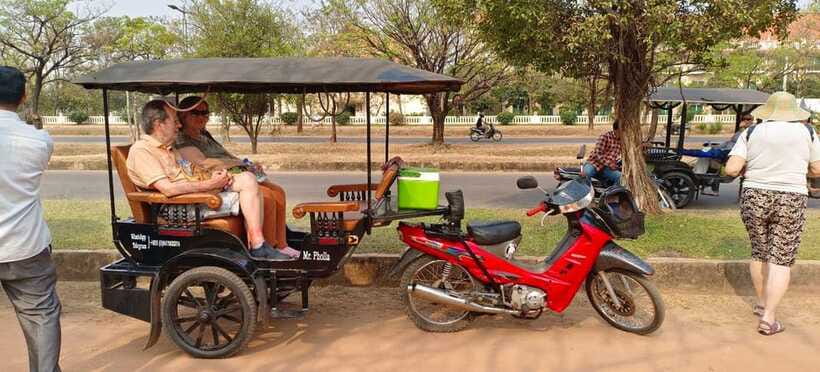
After Angkor Wat, the tour moves into Angkor Thom with the Tonle Om Gate, also called the Southern Gate. You get a photo stop and then guided touring for about 15 minutes at this entrance area, which is a smart way to start understanding the layout before you move inward.
Angkor Thom is surrounded by a laterite wall about 3 by 3 kilometers, rising roughly eight meters high. There is also a moat still flooded today, which helps explain the fortress feel of the whole complex. You enter through the South Gate, and that transition is one of the most satisfying moments of the day because it feels like stepping into a walled city.
From here, the center is Bayon Temple. The Bayon experience is not just about seeing the carvings, it is about noticing how the faces anchor the whole space. With about 1 hour here, you have time to find angles that work for both close-up details and wider shots.
The temples by tuk-tuk, other routes


Bayon Faces and the “Stay a Minute Longer” Problem
Bayon is the kind of place where you keep turning your head back. The central temple sits in Angkor Thom’s core, and it is described as the temple in the very center of the city. The guided approach helps you not just look, but understand what you are seeing while you are walking.
If you only give Bayon a quick glance, you miss the best part: the way the design repeats and frames the different approaches to the main areas. With the time you get, you can also take breaks. That matters because even short stops in shade make the next climb or walkway easier.
The main consideration is crowd pressure. Even with a private day, Angkor Thom can be busy. If you want calmer photos, you will do best by being patient at key angles and letting people pass before you step into position.
Baphuon and the Causeway Walk With a Reclining Buddha
Next comes Baphuon, around 15 minutes for visiting and sightseeing. Baphuon is known for its long causeway and an impressive giant Reclining Buddha, which makes it feel different from the face-focused Bayon. This stop is shorter by design, and that is fine because the goal is to keep the day flowing without exhausting you.
This is one of those moments where your camera strategy matters. If you rush here, you end up with generic shots. If you slow down, you can catch the perspective lines along the causeway and the Buddha element more clearly.
Also, the Baphuon area is connected to viewpoints in the bigger region. Phimeanakas is described as hidden in shaded jungle, with a view from steep steps for those who want to climb. You should only attempt that if you are comfortable with steps and heat, because that climb can be the difference between a great day and a very painful one.
Terrace of the Elephants and Preah Palilay Shade
You then reach the Terrace of the Elephants, also known as part of the Royal Palace area. In the plan, it is about 15 minutes with photo stops and sightseeing.
The Terrace of the Elephants is one of Angkor’s “human-scale” experiences. The carvings and the causeways give you a sense of court life and ceremony without needing a lecture. You walk through shaded areas like Preah Palilay, and that shade is more than scenery. It is your reset button.
This is also where the day typically starts to feel like a real circuit. You have seen the big set pieces, and now you are building a mental map of where power and worship unfolded. A shaded break helps you keep energy up for the afternoon temples.
Lunch Timing and How to Budget for Tickets
Lunch is built into the middle of the day. You will take a break, and the tour includes time for a local restaurant lunch, but the cost of lunch itself is not included. This is a good setup because it positions food after you have already done the busiest, most famous sections.
The other budgeting item is entrance fees. The tour price does not include them, even though your transport and guiding are handled. Plan on paying temple tickets separately so you do not end up scrambling at the gate. The good news is you are using a separate entrance that can help with waiting once you are at the sites.
If you bring a hat, sunscreen, and water, you can keep your breaks comfortable. I also suggest saving your camera battery for the afternoon, because the last two major temple stops tend to feel the most dramatic once the light shifts.
Thommanon and Chau Say Tevoda: A Calmer Afternoon
Thommanon is next, around the afternoon portion of the day. It is one of a pair of Hindu temples built during the reign of Suryavarman II at Angkor. The name is said to come from Pali words meaning Buddhist teachings and supreme wisdom, which gives the temple a layered identity in a site full of evolving religious use.
This stop is valuable because it balances the day. After Angkor Wat and Bayon, you might feel “I’ve seen it.” Thommanon helps you slow down again and look for smaller details. The carvings and layout can feel more approachable than the busiest main areas.
Then you move to Chau Say Tevoda, located just east of Angkor Thom, directly south of Thommanon across the Victory Way. It is described as a mid-12th-century Hindu temple dedicated to Shiva and Vishnu, with unique female devatas sculptures.
Chau Say Tevoda matters because it reminds you that Angkor is not one single temple. It is a whole ecosystem of buildings with different artistic choices. The more time you spend in these slightly less famous spots, the more the site becomes understandable, not just impressive.
Ta Prohm: Tomb Raider Fame Meets Real Roots and Moss
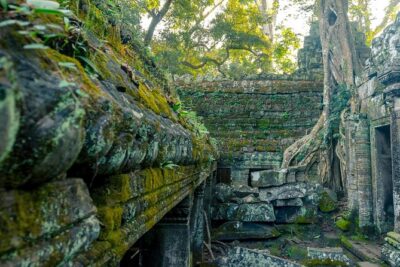
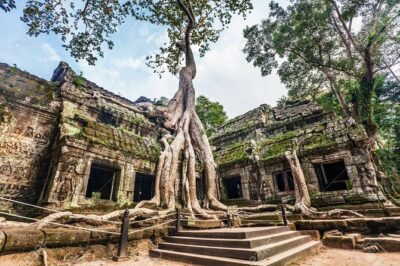
Your final major temple stop is Ta Prohm, with about 1 hour for visiting and sightseeing. Ta Prohm is famous for its appearance in the movie Tomb Raider, but today its real star is the way trees and ancient stones share space.
The description focuses on the relationship between roots of the spung tree (Tetrameles Nudiflora) and stones covered in moss. That specific note is helpful, because it explains why Ta Prohm looks like nature took over slowly instead of quickly. When you pay attention to the root direction and how the stones are positioned, you get a stronger sense of what you are looking at.
This is also a photographer’s paradise. I suggest treating the hour like a small creative session. Walk in, pick one angle for a full minute, then move to a closer corner detail. Repeat with a second area so you end up with both wide “I was there” shots and tight textures.
The Route Pacing: Why 1 Day Can Work
A full Angkor day can feel like a blur if the plan is too aggressive. Here, the pacing makes sense because longer stops are reserved for Angkor Wat, Bayon, and Ta Prohm, while other places are shorter. That structure keeps the day from collapsing into exhaustion.
There are also several short photo-stop moments between major sites. Even though some stops are brief, they can function like breathing points, giving you a moment to reset between temple “clusters.” That helps you keep your attention fresh, especially in midday heat.
At the end, you drive back to your hotel in Krong Siem Reap. Dropping you off where you started is a big deal, because Angkor evenings are easy to ruin with one wrong transport decision.
Price and Value: $25 Per Group Up to 4
This tour is priced at $25 per group up to 4 people for the day. That pricing style matters, because it means the value is strongest when you travel with someone else. With a private vehicle and hotel pickup included, your money goes toward comfort and time management, not just seeing sites.
Entrance fees are separate, and lunch is separate, so the total day cost depends on those additions. Still, the included items are the expensive bits that people often forget: private tuk tuk transport, licensed English driver, toll roads, parking, gasoline, and hotel pickup and drop-off.
If you compare this to group van tours, the best value is usually not about “more comfort.” It is about controlling your tempo. That can help you spend time at the temples that grab you and skip spending energy where you are less interested.
Who This Private Tuk Tuk Day Fits Best
This is a strong fit if you want a tight core of Angkor highlights without joining a large group. The private setup also works well if you prefer a slower photo pace or you want to move on when you are done rather than waiting.
It can also suit older couples or people who appreciate more attentive driving. In real usage examples, drivers have been described as thoughtful and attentive to comfort needs, which is exactly what you want in the heat.
If you hate walking or you want a long, sit-down lesson at each temple, this may feel a bit active. But if you can do comfortable walking with breaks, the timing is workable for a one-day visit.
Final Call: Should You Book It?
Book this private tuk tuk day if you want Angkor Wat, Bayon, and Ta Prohm in one shot, plus a few extra temples that add texture to the day. The biggest reasons to choose it are comfort, private pacing, and the practical support from an English-speaking driver who keeps the day moving.
Skip or reconsider if you want everything included, because entrance fees and lunch are not part of the $25 price. Also, if you are heat-sensitive, plan your outfits and bring sun protection, because you will be outdoors across multiple temple zones.
If you do book it, I’d prioritize two things: give Bayon and Ta Prohm enough time to slow down, and budget for tickets early so you stay relaxed at the gates.
FAQ
What does this tour cost?
It is $25 per group for up to 4 people.
How long is the Angkor temples tour?
The duration is 1 day.
What temples are included in the tour?
You’ll visit Angkor Wat, Angkor Thom (including Bayon Temple), Baphuon, the Terrace of the Elephants, Thommanon, Chau Say Tevoda, and Ta Prohm. The Southern Gate is also part of the route.
Is lunch included?
Lunch is not included in the tour price, though there is a lunch break during the tour.
Are entrance fees included?
No. Entrance fees are not included.
Do I get hotel pickup and drop-off?
Yes. Hotel pick up and drop off are included, and pickup is from Krong Siem Reap.
Is this a private tour?
Yes. It is a private group tour with private transport by tuk tuk.
What language does the driver speak?
The driver speaks English.
Do I have to pay extra at the temples?
Entrance fees are not included, so you should expect to pay temple entrance fees separately. You also get skip-the-line style access via a separate entrance.
What should I bring?
Wear comfortable walking shoes and light clothing. Bring a hat, sunscreen, camera, and water, and dress modestly to respect the temples.
Is there free cancellation?
Yes, you can cancel up to 24 hours in advance for a full refund.
Just Your Group: Private Days
- Full-Day Angkor Wat Sunrise Private Tour with Guide from Siem Reap
★ 5.0 · 2,920 reviews - Siem Reap: Angkor Wat Private Tuk-Tuk Tour
★ 4.9 · 2,222 reviews - Angkor Wat Private Day Tour from Siem Reap
★ 5.0 · 834 reviews - Angkor Wat Private Tuk-Tuk Tour (sunrise Option) & more
★ 5.0 · 439 reviews - Private Angkor Wat Day Tour – Best of Angkor
★ 5.0 · 269 reviews
The Temples by Tuk-Tuk
- Siem Reap: Angkor Wat Private Tuk-Tuk Tour
★ 4.9 · 2,222 reviews - Siem Reap Countryside Bike Tour / E-Bike or Tuk Tuk
★ 5.0 · 935 reviews - Angkor Sunrise Bike Tour / E-Bike or Tuk Tuk
★ 5.0 · 615 reviews - Angkor Wat Private Tuk-Tuk Tour (sunrise Option) & more
★ 5.0 · 439 reviews - Old Siem Reap Sunset Food Tour by Tuk-tuk
★ 5.0 · 311 reviews
More Temple Circuits Around Siem Reap
- Angkor Wat Sunrise or Sunset Tour with Guide from Siem Reap
★ 5.0 · 12,109 reviews - Siem Reap: Angkor Wat: Small-Group Sunrise or Sunset Tour
★ 5.0 · 9,444 reviews - Siem Reap: Angkor Wat 2-Day Tour with Sunrise and Sunset
★ 4.9 · 4,429 reviews - Siem Reap: Full-Day Angkor Wat Guided Tour with Sunset
★ 4.9 · 3,803 reviews - Angkor Wat Sunrise tour with Small – Group and Guide tours
★ 5.0 · 3,655 reviews
Just Added: Fresh Siem Reap Tour Reviews
Angkor Temple Tours, compared.
 ★ 5.0Angkor Wat Sunrise or Sunset Tour with Guide from Siem ReapFrom $1812,109 reviews
 ★ 5.0Angkor Wat: Small-Group Sunrise or Sunset TourFrom $159,444 reviews
 ★ 4.9Angkor Wat 2-Day Tour with Sunrise and SunsetFrom $344,429 reviews
 ★ 4.9Full-Day Angkor Wat Guided Tour with SunsetFrom $153,803 reviews
 ★ 5.0Angkor Wat Sunrise tour with Small – Group and Guide toursFrom $143,655 reviews
 ★ 5.0Angkor Wat Highlights and Sunrise Guided Tour from Siem ReapFrom $233,213 reviews
 ★ 5.0Angkor Wat Sunset Small Group Tour with Lunch IncludedFrom $203,059 reviews
 ★ 5.0Full-Day Angkor Wat Sunrise Private Tour with Guide from Siem ReapFrom $602,920 reviews
Browse the lists this tour appears in