
Reviewed · ANGKOR SUNRISE & SUNSET TOURS
Sharing Trip to Angkor Temple with sunset
Angkor at golden hour feels like cheating, in a good way. I like the smooth hotel pickup and guided flow through Angkor Wat and Angkor Thom, and I really like the extra time for Ta Prohm photo moments. The main drawback to plan for is the heat and the amount of walking, with shade that can be hard to find.
This is a one-day circuit built for seeing the big names without wasting time. You get an English-speaking guide, cold water and wipes, and a separate entrance to help you skip long lines. Still, you should come ready for sun, dust, and a full day outdoors.
Key points before you go
- Skip-the-line style entry so your day starts faster
- Three major temples plus Ta Prohm, in an order that keeps things logical
- Cold water and wipes on hand when the sun gets serious
- Photos at the gates and faces, with guidance on where to stand
- A long walk day, so closed shoes and patience matter
Chasing the light? More dawn and dusk runs
- Angkor Wat Sunrise or Sunset Tour with Guide from Siem Reap★ 5.0 · 12,109 reviews
- Siem Reap: Angkor Wat: Small-Group Sunrise or Sunset Tour★ 5.0 · 9,444 reviews
- Sunset tour of Kampong Phluk stilts home village on the Tonle Sap★ 5.0 · 4,865 reviews
- Siem Reap: Angkor Wat 2-Day Tour with Sunrise and Sunset★ 4.9 · 4,429 reviews
Angkor at sunset, how this day tour really works
A day at Angkor sounds simple until you remember it is outdoors, it is hot, and the temples are spread out. This tour is designed to fix the time-wasters. You leave your hotel, drive between sites, and then move through each temple with a guide explaining what you are looking at.
The big value here is the structure. You are not just dropped at Angkor Wat and told good luck. You have a clear route, short photo stops, and guided time at the key monuments. That helps you avoid the common problem of wandering around with a camera and no idea what the carvings are telling you.
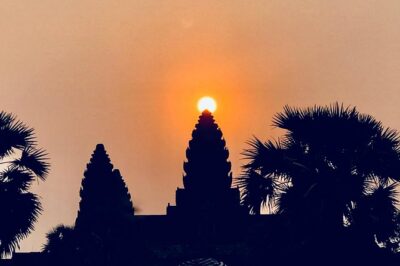
And yes, the sunset angle matters. The day ends with Ta Prohm at the point when the light can shift from harsh to warm. Even if you are not sitting down for a formal ceremony, you can time your photos for that softer glow and the darker, dramatic look of the temple faces and tree roots.
Pickup, timing, and the heat factor you cannot ignore
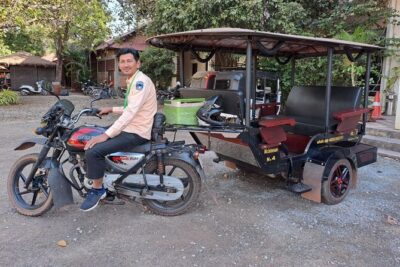
Pickup is free from your hotel lobby, and you also get dropped back at the end. There is a short van transfer first, then you start temple time. The rhythm is: walk a bit, stop for photos, listen and look, then move on.
The tour runs much of the day outside. In practice, it can feel close to an 8-hour day, and the sun can feel relentless. One real-world check: there are not many long stretches of shade. So even with a good route, you will likely spend time in direct sun.
This is where the tour’s practical touches pay off. Water is provided during the trip, and the guide also brings cold water and wipes. That matters more than you might think when you are walking in dusty areas and your energy dips.
If you are sensitive to heat, build your own safety strategy. Wear a hat, sunscreen, long sleeves and long pants as advised, and take breaks when your guide offers them. One of the best ways to enjoy Angkor is to avoid becoming a cranky red statue.
Angkor Wat: the first wow and why the guide helps
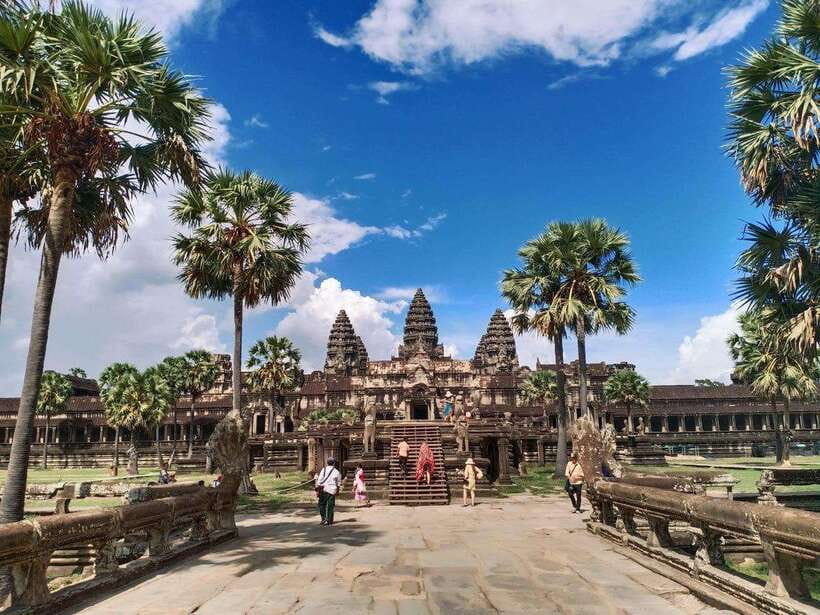
Angkor Wat is the opener, and it is a good one. You get around 2.5 hours here, with a mix of photo stop time and guided walking. This temple is famous for a reason, but the experience becomes much more rewarding when you understand what you are seeing.
The key idea to look for is the temple’s layered identity. Angkor Wat began as a Hindu temple and later became Buddhist. That shift is part of what makes the place feel bigger than just one style or one era.
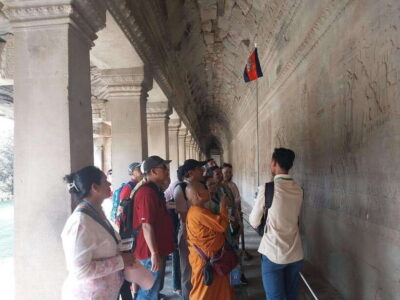
Your guide also helps you read the site like a story. You will learn how Angkor Wat became a symbol of Cambodia and how that identity shows up nationally. It is easy to overlook those connections when you are focused only on the big silhouette.
Watch-outs at Angkor Wat
This portion is not a sit-and-stare visit. You will be walking and photographing in open areas. Closed shoes are a smart call because you will be on dusty paths and uneven stone. If your legs tire quickly, this is the segment where you should slow down early rather than trying to power through.
More temple circuits, set side by side
Tonle Om Gate to Bayon: faces, gates, and getting your bearings
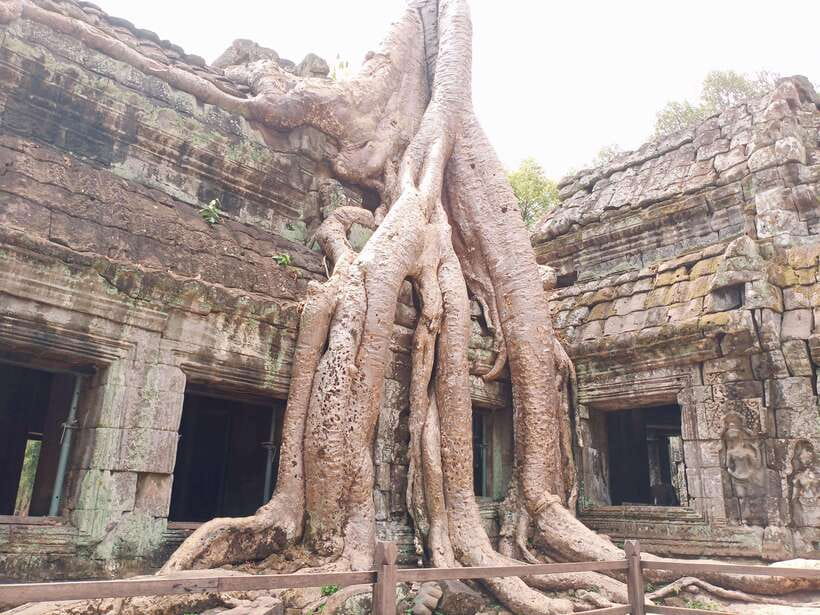
After Angkor Wat, you head toward the next major section of Angkor Thom. You start with the South Gate area, Tonle Om Gate, with a short photo stop and guided visit time.
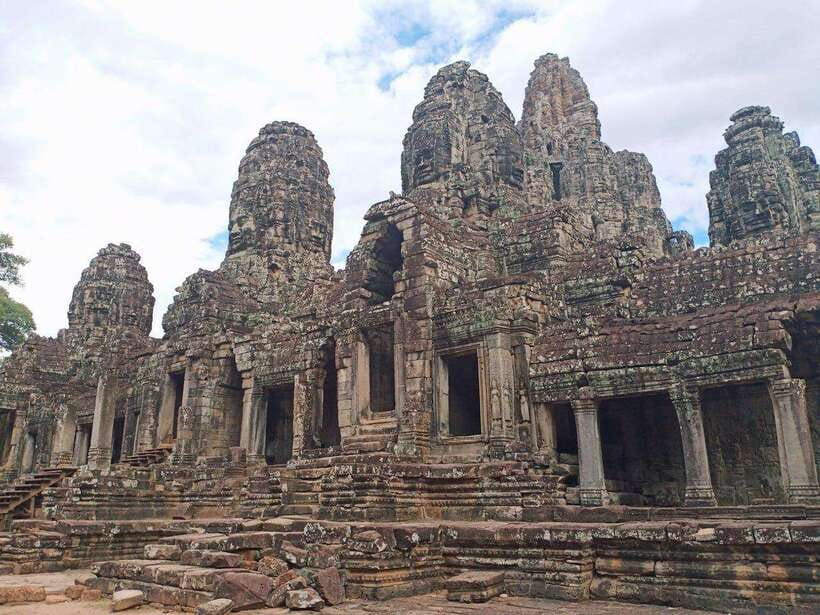
Then Bayon is where the mood changes. Bayon is known for the 216 faces that rise from the towers, watching over the complex. You get about 1.5 hours here, and your guide will point out strong photography angles and guide you through what to notice in the carvings.
This is also one of the most helpful parts of the tour for first-timers. Without guidance, Bayon can feel like lots of stone detail. With guidance, you start to see patterns: how the carvings are arranged, what the walls are communicating, and how the different areas connect.
A small geography lesson that makes Bayon easier
Angkor Thom is enclosed by a wall. The laterite wall is huge, and the moat is still flooded in places. Knowing that you are entering an ancient city through a specific gate makes the walking feel purposeful instead of random.
Baphuon and Phimeanakas: the causeway crawl and the view reward
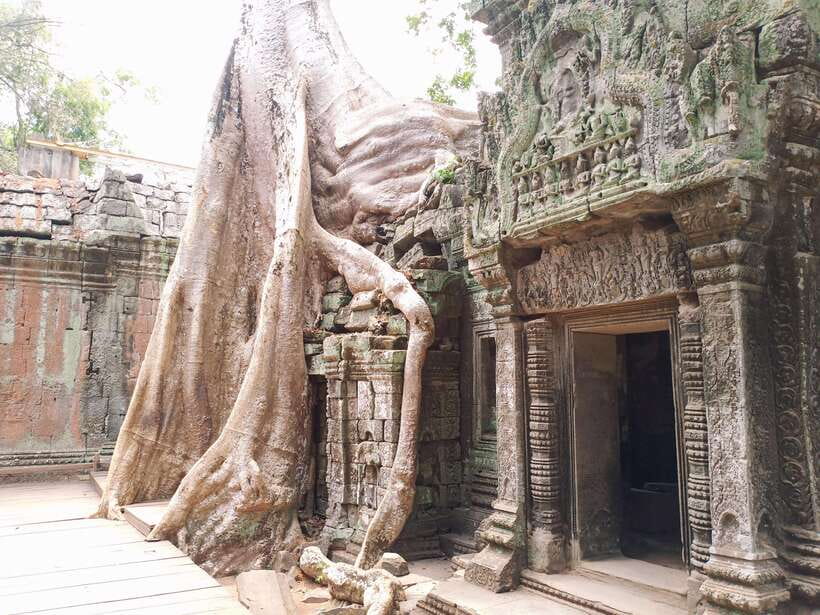
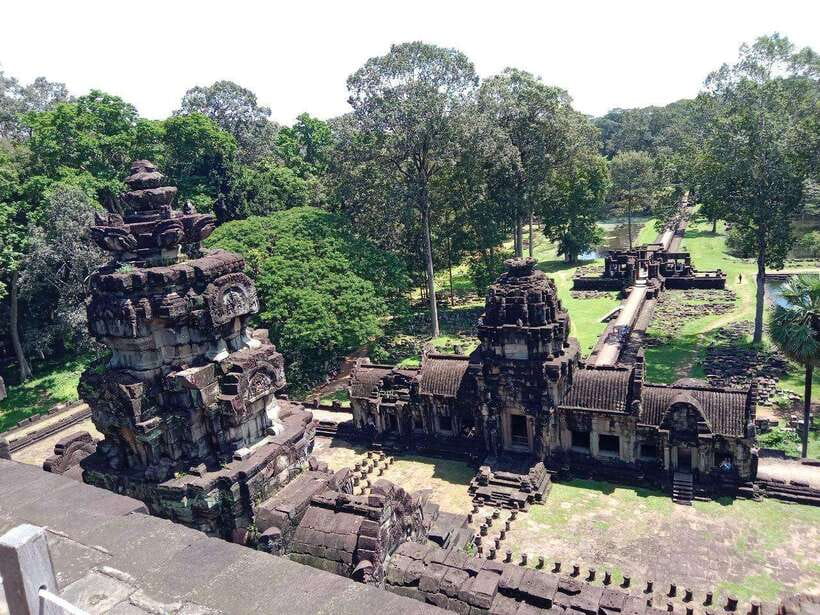
Next up is Baphuon, with a shorter visit window. You get a long causeway and the impressive reclining Buddha. One detail that is worth paying attention to is the restoration story. The reclining Buddha was put back together in 2011 after a disruption lasting 37 years because of war. That makes your visit feel like you are seeing both ancient art and modern recovery work.
Baphuon is a lot of climbing and turning. If you enjoy textures, you will like it. If you are waiting for the biggest iconic moment, you might think it is smaller than Bayon. But it fits well in the itinerary because it builds the day’s momentum. It is not just another stop, it is another perspective on how these monuments connect through the city plan.
Then you move to Phimeanakas. This one feels more tucked in, with shaded jungle and a view that comes only if you tackle the steep steps. Your reward is an over-the-tree-tops perspective. It is a change from the more open, face-focused areas earlier in the day.
Practical note
Phimeanakas includes stairs. If you have knee issues or mobility concerns, this is the stop to take more slowly. Do not rush for the photos. You will get better shots by resting, breathing, and then walking steadily.
Terrace of the Elephants: long hours, quick payoff
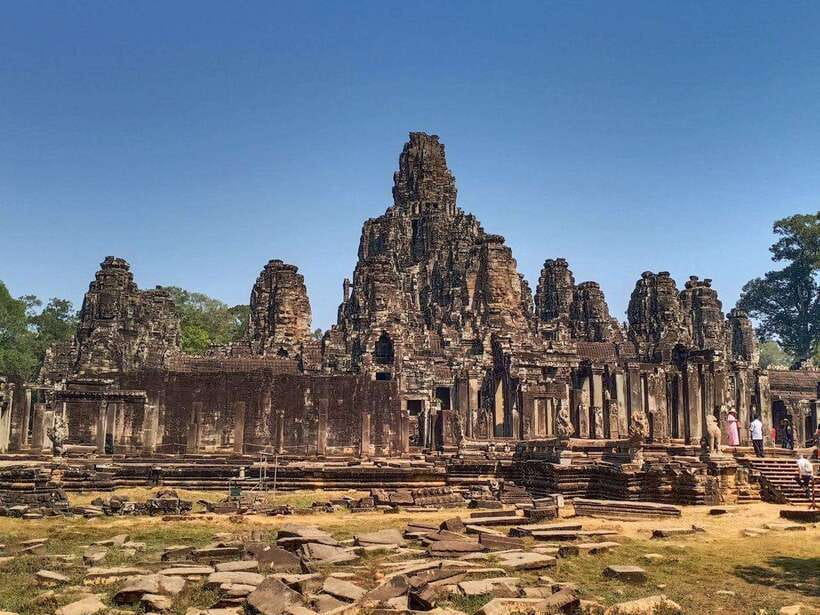
After Phimeanakas, you continue along the Esplanade of the Royal Palace. It is often called the Terrace of the Elephants, and you get about 30 minutes here with photo opportunities and guided explanation.
This portion is great if you like symmetry, long lines, and the feeling of being in a ceremonial space. But it also works as a breather in the day, because you are not always moving straight uphill. It is still outdoors and you still need to manage sun exposure, yet the pacing feels like part of the itinerary rather than a separate endurance challenge.
When I look at this stop on a tour schedule, I think of it as the bridge. It connects the earlier religious and city-defense sections to the later, more cinematic feel of Ta Prohm. It also helps you keep the day coherent: temple names, then royal city spaces, then a different kind of temple scene.
Ta Prohm and sunset light: the tree roots photography hour
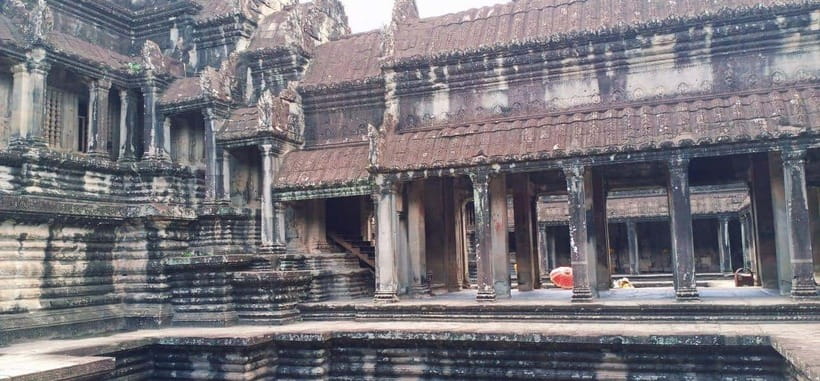
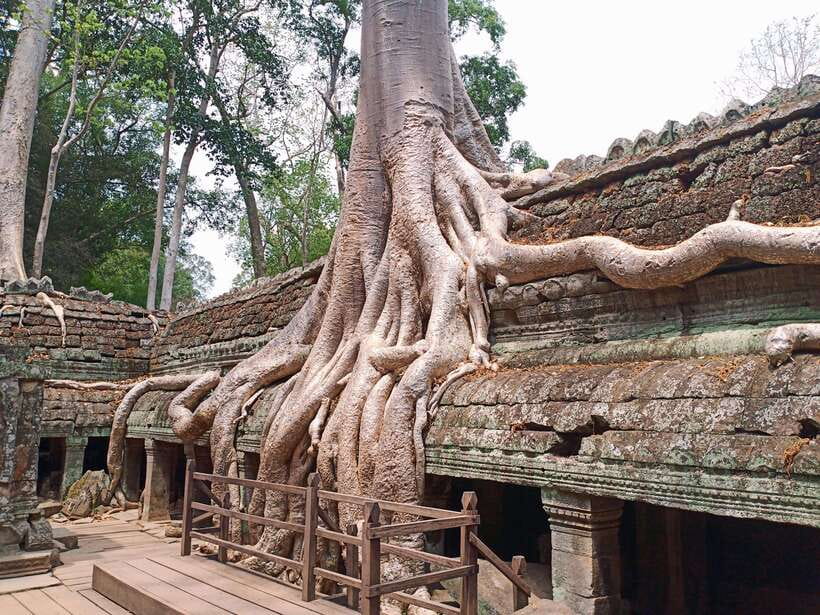
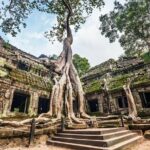
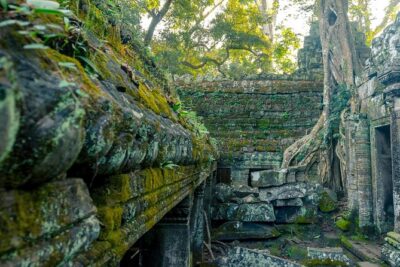
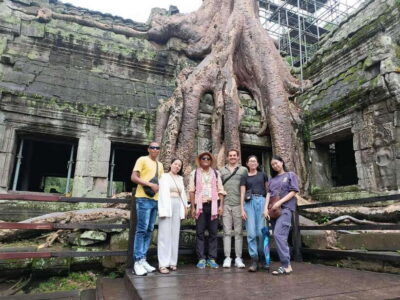
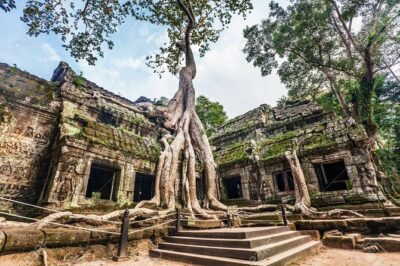
Ta Prohm is the afternoon highlight most people are waiting for, and with good reason. It became famous in the 21st century through the Tomb Raider movie starring Angelina Jolie as Lara Croft. That pop-culture reference brings many visitors here, but the real draw is the setting: mossy stones and giant tree roots woven into the temple.
You get about 1 hour here. That is enough time to see the main viewpoints, but it is not so long that you feel bored. The guide can help with what to photograph and where the roots create the best frame lines.
This is also the part of the tour where you can aim for sunset-style lighting. The roots and shadows tend to look more dramatic as the day cools. Even if the exact second of sunset depends on your day’s timing, you will have a better chance for softer light because the itinerary ends with Ta Prohm.
What to look for beyond the movie fame
Try looking at the relationship between the living trees and the ancient stones. You will see roots of Spung tree (Tetrameles nudiflora) wrapped through the architecture, and you will notice moss on the stones that gives Ta Prohm its “in the jungle” mood.
If you come with a camera, this is where you use it thoughtfully. One good trick is to take a few wide shots first, then switch to details. The tour structure helps because you are not guessing what to prioritize.
What the guide team adds, from explanations to photo angles
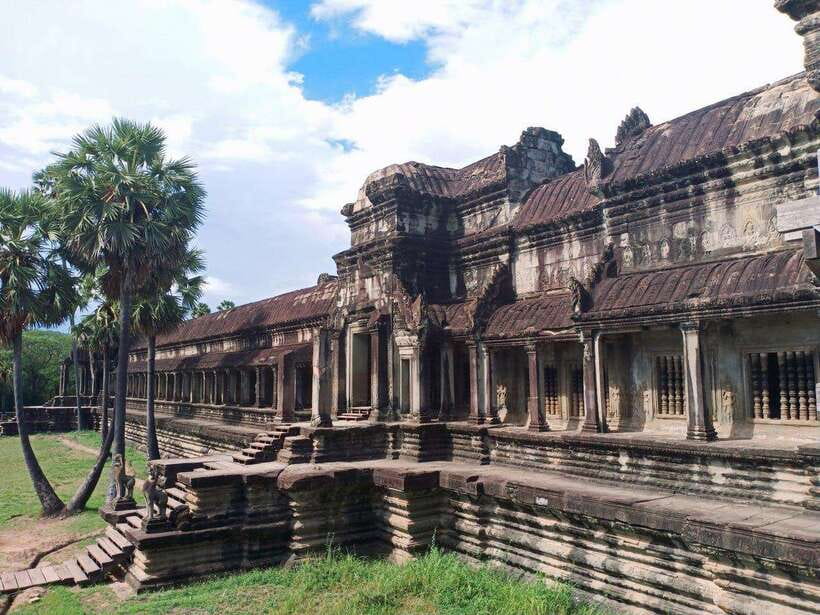
The guide is licensed and speaks English. That is the foundation. But the real advantage is that the guide explains causes and reasons tied to what you are seeing, not just dates and names.
At Bayon, that explanation matters because the carvings are complex and easy to misunderstand. At Angkor Wat, it helps you connect the Hindu origins to the later Buddhist identity. At Baphuon and Phimeanakas, the guide’s context makes the walk feel like a coherent route through the city’s story rather than a checklist of stops.
You also get help with photography angles. The guide points out where to stand for better compositions, especially at Bayon’s face towers. And during the day, the guide keeps the logistics realistic: water, wipes, and reminders about comfort.
One small detail I appreciate from the experience feedback: the water and wipes are not just a one-time thing. You are topped up during the tour, which makes a difference when you are walking under strong sun for hours.
Price and the real cost once you add tickets and meals
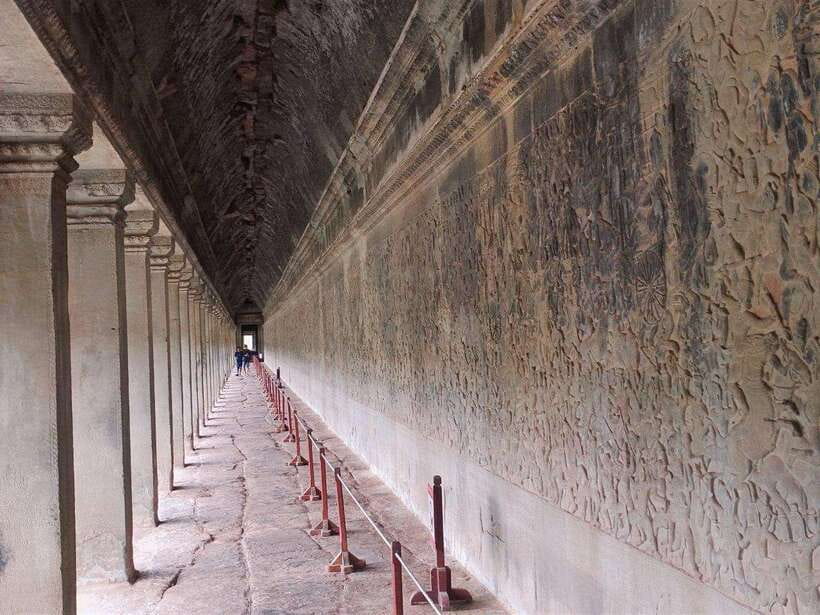
The headline price is $19 per person, and that number is attractive for what you get. In this deal, you are paying for a guided day with hotel pickup and drop-off, a licensed English guide, air-conditioned transport, toll roads, parking, and cold waters and wipes. Travel insurance is also included.
But Angkor Wat and the rest of the sites are ticketed separately. The temple ticket is listed as $37. Meals are also not included, and you should budget about $7 to $10.
So the real budgeting math looks like:
- Tour price: $19
- Temple ticket: $37
- Lunch and drinks: around $7 to $10 (depending on what you choose)
That is still reasonable for a guided, structured day covering multiple major monuments, especially with skip-the-line entry and the separate entrance. The value is less about saving every dollar and more about buying time and clarity. You are paying to have someone guide you through the site instead of spending the day guessing.
Packing list that matches an Angkor day, not a brochure day
You will walk a lot outdoors. So pack for comfort, not just for photos.
Bring:
- Sun hat and sunglasses
- Sunscreen
- Long-sleeved shirt and long pants (and keep shoulders and knees covered at religious monuments)
- Camera and a power bank
- Biodegradable insect repellent
- Cash
Also bring comfortable closed shoes. One practical note from the field: you are walking in dusty streets and on stone paths, so sandals are a bad idea unless you enjoy foot pain as a souvenir.
If you are planning for sunset light, your camera may use power, so the power bank is genuinely useful. And for bug protection, stick to what the tour suggests so you do not bring a heavy-scented headache into the group.
Who should book this Angkor sunset day trip
This tour is a strong fit if you:
- Want an organized full-day circuit without trying to build a route yourself
- Enjoy explanations and want help interpreting carvings and temple symbolism
- Like photography, especially at Bayon’s faces and Ta Prohm’s tree roots
- Are comfortable with heat and walking
It is not a great fit if you:
- Need wheelchair access or have limited mobility with stairs
- Are visually impaired, since the tour description says it is not suitable for that group
- Are traveling with children under 10
Also consider age and stamina. One review noted roughly 10 km on foot can feel like a lot in heat. If you are older or you do not bounce back well from intense walking, choose a slower plan or ask for a more flexible pace where possible.
Should you book this Angkor Wat, Thom, and Ta Prohm sunset day?
I think this is an easy yes if you want the classic Angkor monuments in one day with a guide who helps you see more than just stones. The best part is the combination: structured route, English guidance, cold water and wipes, and practical skip-the-line handling.
I would hesitate only if you know you struggle with heat, dust, or long walking days. In that case, you might enjoy Angkor more with fewer stops or a pace that builds in extra shade and shorter distances.
If you do book it, go in with the right mindset. You are not chasing a gentle stroll. You are doing a focused Angkor day, and it pays off when you plan for sun, wear proper shoes, and let the guide lead your eyes.
FAQ
What is the total duration of this Angkor tour?
The tour is listed as a 1-day experience.
How much does the tour cost, and what is not included?
The price is $19 per person. Meals (about $7 to $10) and the temple ticket (listed as $37) are not included.
Is hotel pickup and drop-off included?
Yes. You are picked up from your hotel lobby and dropped back after the tour, free of charge.
Which temples are included in the day?
You visit Angkor Wat, Angkor Thom with Tonle Om Gate (South Gate) and Bayon, Baphuon, Phimeanakas, the Terrace of the Elephants, and Ta Prohm.
Is a guide included, and what language do they speak?
Yes. A licensed English-speaking tour guide is included.
Does the tour provide water or wipes?
Yes. Cold waters and wipes are included, and drinking water is provided during the trip.
What should I bring for the day?
Bring sunglasses, a sun hat, sunscreen, a camera, long-sleeved shirt, long pants, cash, biodegradable insect repellent, and a power bank.
Are there rules about clothing at the temples?
Yes. You should cover your knees and shoulders when visiting religious monuments.
Is the tour suitable for children, wheelchair users, or visually impaired people?
It is not suitable for children under 10, wheelchair users, or visually impaired people.
Is travel insurance included?
Yes. Travel insurance is included in the tour.
More Tour Reviews in Siem Reap
- Angkor Wat Sunrise or Sunset Tour with Guide from Siem Reap
★ 5.0 · 12,109 reviews - Siem Reap: Angkor Wat: Small-Group Sunrise or Sunset Tour
★ 5.0 · 9,444 reviews - From Siem Reap: Kampong Phluk Floating Village Tour by Boat
★ 4.9 · 6,979 reviews - Sunset tour of Kampong Phluk stilts home village on the Tonle Sap
★ 5.0 · 4,865 reviews - Siem Reap: Angkor Wat 2-Day Tour with Sunrise and Sunset
★ 4.9 · 4,429 reviews
More Temple Circuits Around Siem Reap
- Angkor Wat Sunrise or Sunset Tour with Guide from Siem Reap
★ 5.0 · 12,109 reviews - Siem Reap: Angkor Wat: Small-Group Sunrise or Sunset Tour
★ 5.0 · 9,444 reviews - Siem Reap: Angkor Wat 2-Day Tour with Sunrise and Sunset
★ 4.9 · 4,429 reviews - Siem Reap: Full-Day Angkor Wat Guided Tour with Sunset
★ 4.9 · 3,803 reviews - Angkor Wat Sunrise tour with Small – Group and Guide tours
★ 5.0 · 3,655 reviews
Dawn and Dusk Over Angkor
- Angkor Wat Sunrise or Sunset Tour with Guide from Siem Reap
★ 5.0 · 12,109 reviews - Siem Reap: Angkor Wat: Small-Group Sunrise or Sunset Tour
★ 5.0 · 9,444 reviews - Sunset tour of Kampong Phluk stilts home village on the Tonle Sap
★ 5.0 · 4,865 reviews - Siem Reap: Angkor Wat 2-Day Tour with Sunrise and Sunset
★ 4.9 · 4,429 reviews - Siem Reap: Full-Day Angkor Wat Guided Tour with Sunset
★ 4.9 · 3,803 reviews
Just Added: Fresh Siem Reap Tour Reviews

Angkor Sunrise & Sunset Tours, compared.
 ★ 5.0Angkor Wat Sunrise or Sunset Tour with Guide from Siem ReapFrom $1812,109 reviews
 ★ 5.0Angkor Wat: Small-Group Sunrise or Sunset TourFrom $159,444 reviews
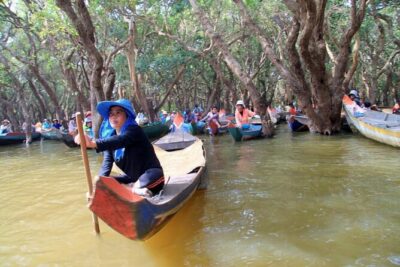 ★ 5.0Sunset tour of Kampong Phluk stilts home village on the Tonle SapFrom $214,865 reviews
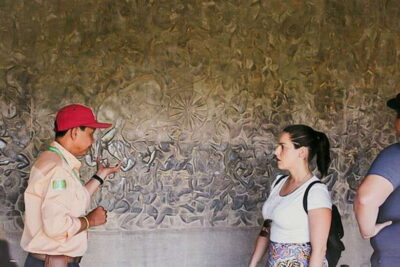 ★ 4.9Angkor Wat 2-Day Tour with Sunrise and SunsetFrom $344,429 reviews
 ★ 4.9Full-Day Angkor Wat Guided Tour with SunsetFrom $153,803 reviews
 ★ 5.0Angkor Wat Sunrise tour with Small – Group and Guide toursFrom $143,655 reviews
 ★ 5.0Angkor Wat Highlights and Sunrise Guided Tour from Siem ReapFrom $233,213 reviews
 ★ 5.0Angkor Wat Sunset Small Group Tour with Lunch IncludedFrom $203,059 reviews