
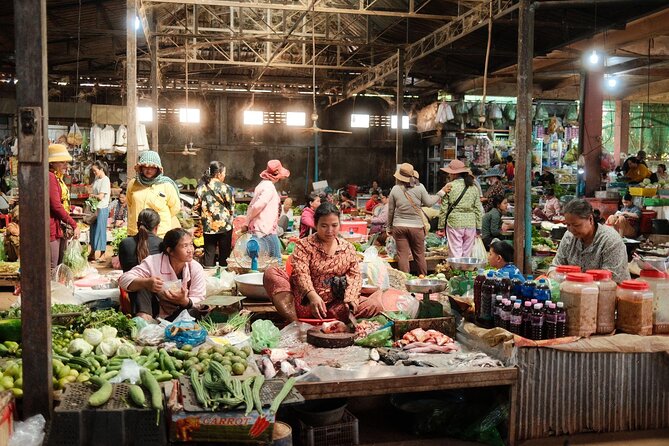
Reviewed · SIEM REAP COUNTRYSIDE & VILLAGE TOURS
Rural Countryside Experience Tour in Siem Reap
Siem Reap slows down fast. This private countryside tour in Siem Reap with Thanut Kean turns the volume down and the learning up, with real stops like a mushroom farm, vegetable growing, and rice wine distillation.
Two things I like right away: you get hotel pickup so you spend less time figuring out transport, and the tour includes hands-on food and farm experiences that go beyond the usual temple photos.
One thing to keep in mind, this is a 4 to 5 hour outing and meals are not included, so you will want to time snacks and water with your day plan.
Key points to know before you go
- Thanut Kean as your guide: English-speaking, local, and focused on everyday rural life, not rehearsed answers
- Farm stops that feed the day: mushroom farm and vegetable farm, plus snacks and fresh coconuts
- Rice wine distillation with tasting: you learn how it is made and you sample the flavors
- Temple visit for context: a Buddhist temple stop adds meaning to what you see in the countryside
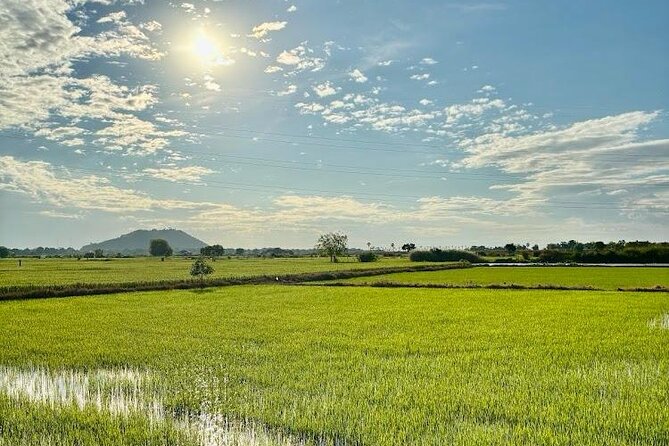
- Scenic ride time: rice fields with water buffalo and cows, great for photos and slow observation
- Small-group feel: private tour for up to 4 people, so questions stay personal
Past the rice fields, more village days
- From Siem Reap: Kampong Phluk Floating Village Tour by Boat★ 4.9 · 6,979 reviews
- Kampong Phluk Floating Village Tour by Boat★ 5.0 · 1,020 reviews
- Siem Reap: Tonle Sap, Kampong Phluk & Floating Village Tour★ 4.4 · 397 reviews
- Siem Reap Countryside Quad Biking Tour★ 5.0 · 322 reviews
A countryside tour in Siem Reap that feels practical, not performative
If you only do Angkor and call it culture, you miss the Cambodia that happens outside the postcard zones. This tour is built for the in-between places where people farm, cook, and live at a human pace. It is not just a sightseeing drive. The schedule is packed with short stops that connect food, land, and daily routines.
What makes it work for real life is the structure. You get picked up, you move by car through countryside roads, and each stop has a clear theme, mushrooms, vegetables, rice wine, and a Buddhist temple moment. Then you finish with a ride through rice fields so your brain can finally rest after learning all morning or all afternoon.
You also get sensible comfort extras. Bottle drinking water, cold towels, and local snacks mean you are not left to fend for yourself when it gets warm. I appreciate that the tour plan respects how long Cambodia daylight hours can feel, especially when you are standing around watching farming processes.
Meet Thanut Kean, and why his English matters
Thanut Kean is the star of this experience. He is an English-speaking local guide from Siem Reap, which matters more than you might think. When you are in rural areas, you want explanations that are clear and paced for walking and photos, not a rushed lecture from a guide trying to keep up with traffic.
From what you can expect, Thanut’s style is about showing you how daily life works. That means he can point out what you are actually seeing, like how fungi are cultivated on a farm, or what goes into turning rice into a distilled drink. If you ask questions, he is the type to answer in a way that makes sense on the spot.
There is also a practical side. A good guide helps you behave correctly at farms and in temple spaces. That can be as simple as knowing where to stand, how to move, and when to keep your camera down. You will enjoy the tour more when you feel guided, not just transported.
Morning vs evening: picking the session that fits your energy
You have two session windows. The morning tour runs about 8:30 am to 1:30 pm, and the evening tour runs about 2:30 pm to 7:30 pm. Both are described as roughly 4 to 5 hours, and the timing shift changes the light, the heat, and the vibe.
Morning tends to feel sharper and more productive. You get more comfortable temperatures for walking around farm areas, and you start the day with a clear plan. Evening often feels more relaxed, especially for countryside rides, when the day’s heat eases and your photos come out softer.
Either way, you should plan around being outdoors and moving between stops. Wear light shoes you can trust on uneven ground near farms. Bring a hat if you get sun easily. If you are the kind of person who likes to keep your schedule tight, morning can help you keep the rest of your day open.
Mushroom farm: the quiet science behind fungi cultivation
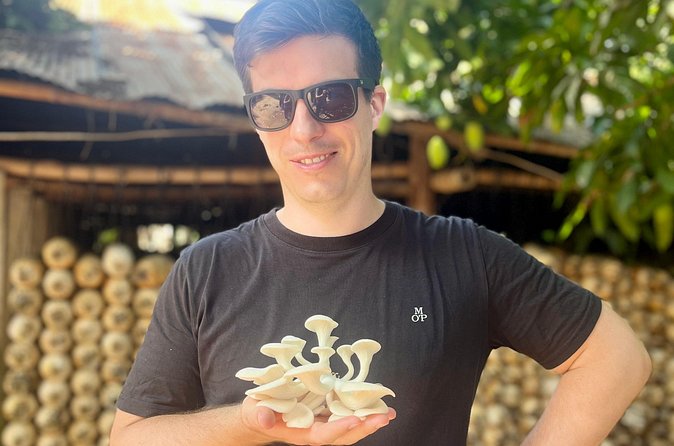
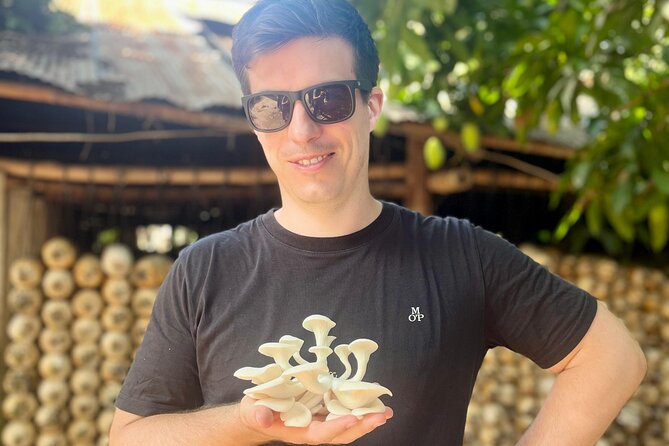
The tour begins with a mushroom farm stop, and it is a smart first choice. It is not just seeing plants grow. You are learning about a real agricultural craft, fungi cultivation, likely including how mushrooms are produced and maintained.
Why this stop is worth your time: it breaks the usual Cambodia routine. Most visitors focus on temples and ruins, but here you are looking at food production that is happening right now, in the background of everyday life. You also get a chance to ask questions about how farming works beyond rice fields, which gives you a fuller picture of what rural Cambodia actually looks like.
Practical tip: keep your questions simple and direct. Ask what they grow, what it takes to care for the crop, and how the timing works. When you understand the basics, the farm details stop feeling confusing and start feeling interesting, which is exactly what you want halfway into a 5 hour tour.
You will also feel the tour’s pacing. It is not one long walk. You move, you learn, you reset, and you keep going.


Vegetable farm, coconuts, and local snacks you can actually taste
After the mushroom farm, you visit a vegetable farm that is known for fresh produce. The point is not to race through and take ten photos. You want to slow down and notice what is growing and why certain crops are suited to the area and season.
This is also where the tour starts feeding you in more than one way. The experience includes fresh coconuts and local snacks, plus you get bottled drinking water. If you are used to big-city tours that snack you once and forget it, this feels more thoughtful because you are tasting what you are learning about.
What you should do: treat snack time as part of the lesson. Ask questions about what you are eating, where it comes from, and how farmers think about harvest. Even if you only understand part of the process, it gives you a real connection to the place.
One consideration: farms can mean uneven paths and occasional mud. If you love getting photos, be careful where you stand, and be respectful of planted rows. You will get better shots without stomping on anything.
Rice wine distillation: learning the tradition and sampling the flavors
Next up is a rice wine distillation experience. This stop is one of the most memorable parts of the itinerary because it links culture to process. You learn about an age-old tradition, then you get to sample the flavors.
Even if you are not a big alcohol person, this is worth it for the learning. Distillation is hands-on and practical, and it gives context to how rural communities make use of what they grow. It is also a good bridge between the farm world and the social world, because these drinks are usually connected to gatherings.
What I like about how this tour handles it is that tasting is framed as part of understanding. You are not being pushed into drinking to prove you are having fun. You can sample, ask what you are tasting, and keep going.
If you do plan to taste, pace yourself. You are still in a half-day tour, and you will have more walking and a countryside ride after. Water and cold towels help, but good pacing is still your best friend.
Buddhist temple visit: adding meaning without rushing it
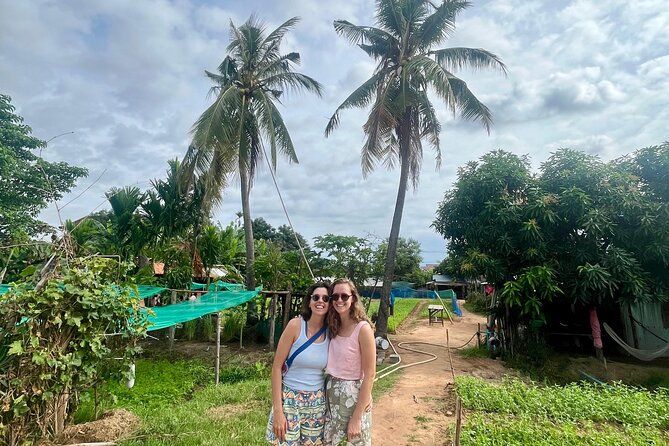
A serene Buddhist temple visit is included, which helps the day connect beyond agriculture. Rural life has spiritual rhythm too, and this stop gives you a chance to see that rhythm in a real setting.
In practice, this temple moment is about respect and observation. Dress modestly, keep your voice down, and follow any simple guidance your guide gives you. Even if you do not know Buddhism, you can still appreciate the setting and the role it plays in local life.
The value here is balance. You spend a lot of time with food production and countryside views, and then you get a pause that feels quieter. It is a good mental reset. It also helps you understand that rural Cambodia is not only land and labor, it is also belief and routine.
If you are a photographer, treat this part like a moment, not a mission. You will get better images when you wait for the right feeling in the space, rather than trying to shoot everything at once.
The ride through rice fields: water buffalo, cows, and better photo timing
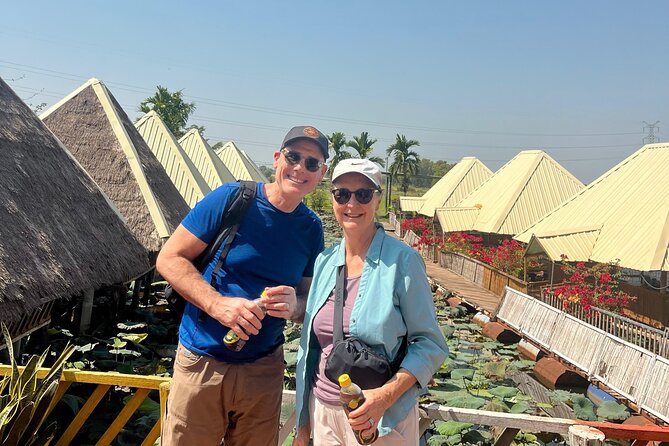
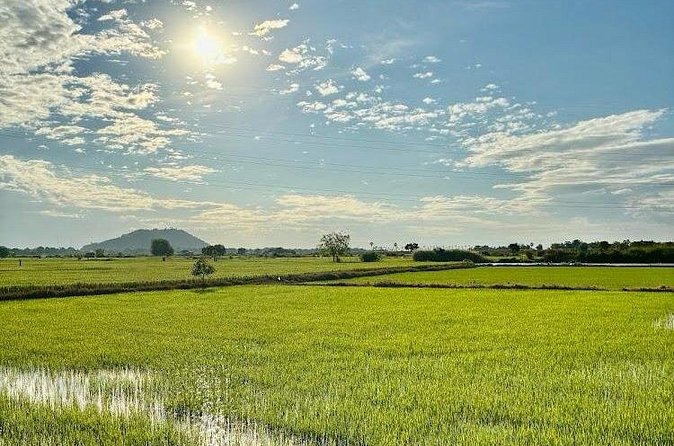
After the temple, you ride through the countryside and take in views of rice fields. You also watch water buffalo and cows grazing. This is the part where the tour stops teaching and starts letting you soak in the scene.
For photography, this segment is often where your brain goes from learning to noticing. You start seeing the shapes of fields, the movement of animals, and the ways people manage land day after day. It is also a nice break from stop-and-go walking.
Practical photo tip: take your widest shots first from the safe viewpoint in your ride. Then save your close-ups for when your guide signals the best moment. You will usually get less hassle and better results by letting the guide handle timing.
And yes, it can be humid and bright. That is why the cold towel is a smart inclusion. After a few hours outside, it is the kind of small comfort that makes the tour feel smoother.
Price and value: what $105 per group really buys you
The price is $105 per group, up to 4 people. That matters, because this is a private tour, not a shared bus experience. When you split it across up to four people, it becomes a way to get guided rural access without the cost of private drivers plus separate activity tickets.
What you get is also more than a simple guide. You have round trip transfer from your hotel, bottled water, cold towels, snacks, and local beer or snacks, depending on the flow. You also get the core learning stops, mushroom farm, vegetable farm, rice wine distillation, and a Buddhist temple visit.
Meals are not included, so treat snacks as your fuel plan rather than a full dinner substitute. If you are sensitive to hunger, consider eating a light lunch before your morning tour, or a light snack before your evening tour. That way you stay comfortable and focused.
Compared to the cost of hiring a car for half a day plus paying separate entrance or tasting fees, this package can feel like good value, especially because the guide is handling both the language and the pacing.
What to expect from the group size and comfort level
This is a private tour with only your group. That keeps things flexible. You can ask more questions, pause for photos without feeling rushed, and move at a pace that works for you.
Because it is up to 4 people, it is also easier for your guide to tailor explanations. If you care about farming methods, you can focus questions there. If you care more about everyday village life and how people connect to food, you can steer the conversation.
Comfort-wise, you are outdoors at several points. You will want light clothing, closed-toe shoes, and some sun protection. The bottled water and cold towel coverage help, but they do not replace good basic travel habits.
Who this tour suits best in Siem Reap
This tour is a strong match if you want countryside life in Siem Reap, not just a fast temple run. It is ideal for solo travelers, couples, and small groups who like to ask questions and see how food and traditions connect.
It also works well for people who like photography but want context. You are not only chasing ruins. You are photographing real daily scenes, farm processes, and grazing animals, which usually gives you more meaningful images.
If you are short on time and you already feel temple fatigue, this tour gives you a different kind of Cambodia story. If you are traveling with non-photographers, it still holds value because the tasting and farm stops are easy to understand and enjoy even without deep interest in farming.
Should you book this rural countryside tour?
I think you should book it if you want a guided look at rural Cambodia that feels grounded. The combination of mushroom farm, vegetable farm, rice wine distillation tasting, a Buddhist temple visit, and a countryside ride with rice fields and animals gives you variety without chaos.
Book it confidently if you care about clear English explanations and a guide who focuses on daily community life. Thanut Kean’s local perspective is the kind of difference you feel, because he can connect what you see to how people actually live.
Pass or consider an alternative if you need a meal included, because meals are not part of the package. Also, plan for outdoor time and pack smart for comfort. If you do that, this tour is one of the best ways to spend half a day in Siem Reap beyond the main tourist circuits.
FAQ
How long is the rural countryside experience in Siem Reap?
The tour lasts about 4 to 5 hours.
What is the price for this tour?
It costs $105.00 per group, up to 4 people.
Is pickup from my hotel included?
Yes, round trip transfer from your hotel is included.
What times are the morning and evening tours?
Morning runs approximately 8:30 am to 1:30 pm, and the evening runs approximately 2:30 pm to 7:30 pm.
Is this tour private?
Yes. It is a private tour, and only your group participates.
What stops are included on the tour?
The tour includes a mushroom farm, a vegetable farm, rice wine distillation with tasting, a Buddhist temple, and a countryside ride with views of rice fields and grazing animals.
Are meals included?
No, meals are not included.
What refreshments are provided during the tour?
You get bottle drinking water, fresh coconuts and local snacks, plus local beer or snacks, and a cold towel.
Do I need to bring tickets?
You receive a mobile ticket.
Can most travelers join this tour?
Most travelers can participate. It is also noted as near public transportation and has confirmation at booking time.
More Siem Reap Tours to Compare
- Angkor Wat Sunrise or Sunset Tour with Guide from Siem Reap
★ 5.0 · 12,109 reviews - Siem Reap: Angkor Wat: Small-Group Sunrise or Sunset Tour
★ 5.0 · 9,444 reviews - From Siem Reap: Kampong Phluk Floating Village Tour by Boat
★ 4.9 · 6,979 reviews - Sunset tour of Kampong Phluk stilts home village on the Tonle Sap
★ 5.0 · 4,865 reviews - Siem Reap: Angkor Wat 2-Day Tour with Sunrise and Sunset
★ 4.9 · 4,429 reviews
More Tour Reviews in Siem Reap
- Angkor Wat Sunrise or Sunset Tour with Guide from Siem Reap
★ 5.0 · 12,109 reviews - Siem Reap: Angkor Wat: Small-Group Sunrise or Sunset Tour
★ 5.0 · 9,444 reviews - From Siem Reap: Kampong Phluk Floating Village Tour by Boat
★ 4.9 · 6,979 reviews - Sunset tour of Kampong Phluk stilts home village on the Tonle Sap
★ 5.0 · 4,865 reviews - Siem Reap: Angkor Wat 2-Day Tour with Sunrise and Sunset
★ 4.9 · 4,429 reviews
Through the Siem Reap Countryside
- From Siem Reap: Kampong Phluk Floating Village Tour by Boat
★ 4.9 · 6,979 reviews - Kampong Phluk Floating Village Tour by Boat
★ 5.0 · 1,020 reviews - Siem Reap Countryside Bike Tour / E-Bike or Tuk Tuk
★ 5.0 · 935 reviews - Siem Reap: Tonle Sap, Kampong Phluk & Floating Village Tour
★ 4.4 · 397 reviews - Siem Reap Countryside Quad Biking Tour
★ 5.0 · 322 reviews
Just Added: Fresh Siem Reap Tour Reviews
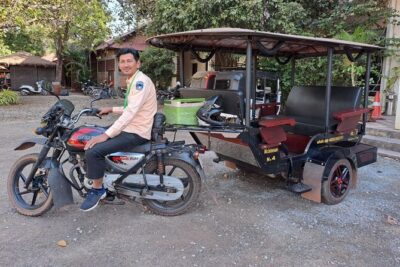
Siem Reap Countryside & Village Tours, compared.
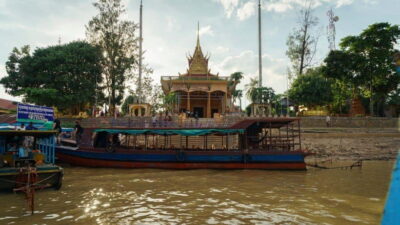 ★ 4.9From Siem Reap: Kampong Phluk Floating Village Tour by BoatFrom $206,979 reviews
 ★ 4.9Kampong Phluk Floating Village Tour with BoatFrom $193,843 reviews
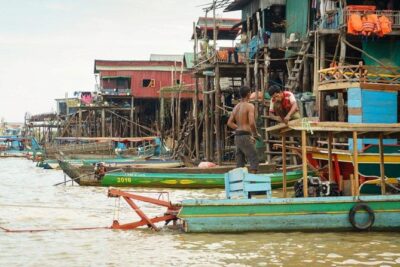 ★ 5.0Kampong Phluk Floating Village Tour by BoatFrom $201,020 reviews
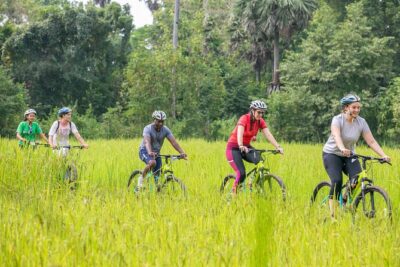 ★ 5.0Siem Reap Countryside Bike Tour / E-Bike or Tuk TukFrom $35935 reviews
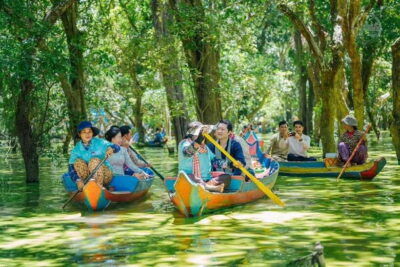 ★ 4.4Tonle Sap, Kampong Phluk & Floating Village TourFrom $17397 reviews
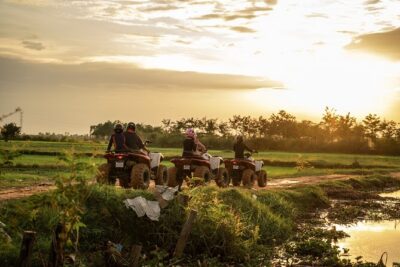 ★ 5.0Siem Reap Countryside Quad Biking TourFrom $45322 reviews
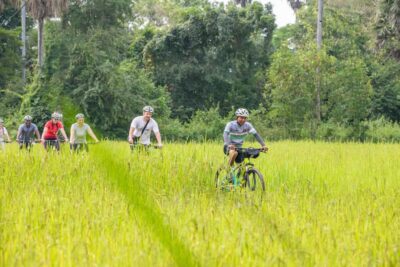 ★ 4.9Guided Countryside Bike TourFrom $35294 reviews
 ★ 4.7Siem Reap Lotus Silk Farm Discovery tour & Lake experienceFrom $20291 reviews
Browse the lists this tour appears in