
Reviewed · ANGKOR TEMPLE TOURS
Private Temples and Lake Explorer
Angkor is better with a plan. This 2-day private combo is designed for real sightseeing time, with hotel pickup, an English-speaking guide, and a logical route through Angkor Wat, Angkor Thom, Ta Prohm, and sunset at Pre Rup. You also get the day-to-day flexibility of a private driver, so breaks and pacing feel more like your trip than a bus tour.
On day two, I like the shift in scenery and pace. The Tonle Sap boat cruise to a floating village is a big part of why this works, and the tour includes time for a local village walk and interaction. Just budget for the fact that the $37 temple pass is not included, and Angkor entrance fees are paid directly at the sites.
Key Things You’ll Notice Right Away
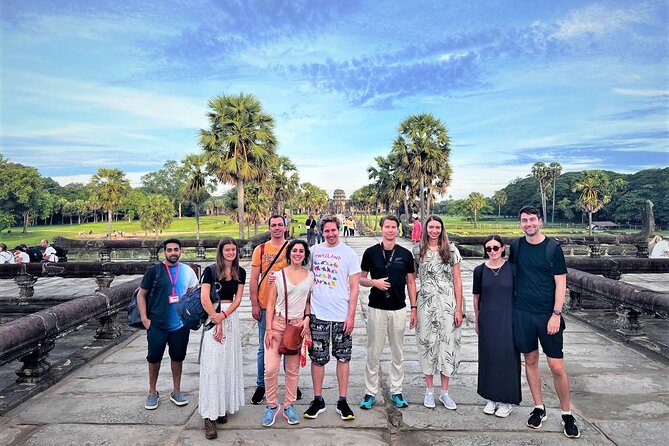
- Private, air-conditioned transport with hotel pickup and drop-off
- Sunset at Pre Rup, placed at the end of day 1
- Top Angkor stops in one loop: Angkor Wat, Bayon faces, Elephant Terrace, Ta Prohm roots
- Tonle Sap UNESCO Biosphere Reserve by boat, with floating village time
- Small add-on that helps context: Artisans d’Angkor for high-quality local crafts
More temple circuits, set side by side
- Angkor Wat Sunrise or Sunset Tour with Guide from Siem Reap★ 5.0 · 12,109 reviews
- Siem Reap: Angkor Wat: Small-Group Sunrise or Sunset Tour★ 5.0 · 9,444 reviews
- Siem Reap: Angkor Wat 2-Day Tour with Sunrise and Sunset★ 4.9 · 4,429 reviews
- Siem Reap: Full-Day Angkor Wat Guided Tour with Sunset★ 4.9 · 3,803 reviews
Why This 2-Day Private Combo Makes Sense in Siem Reap
Siem Reap can feel like a blur if you try to hit Angkor all on your own. This tour is built around the reality that Angkor is huge, and you need smart sequencing to make the temples feel connected instead of random. With a private setup, you spend more time looking and less time figuring out logistics.
I also like that the plan mixes the two UNESCO destinations people come for. Angkor is monumental stone and sacred geometry, while Tonle Sap feels like a living landscape of water, farms, and livelihoods. Doing both in 2 days keeps the trip from becoming one-note.
The tour includes bottled water and climate-controlled transport, which matters in Cambodia heat. It is a small detail, but it keeps the day comfortable enough to enjoy the walking and viewpoints without feeling cooked.
Angkor Wat Morning: Incense, Shrines, and the World’s Scale
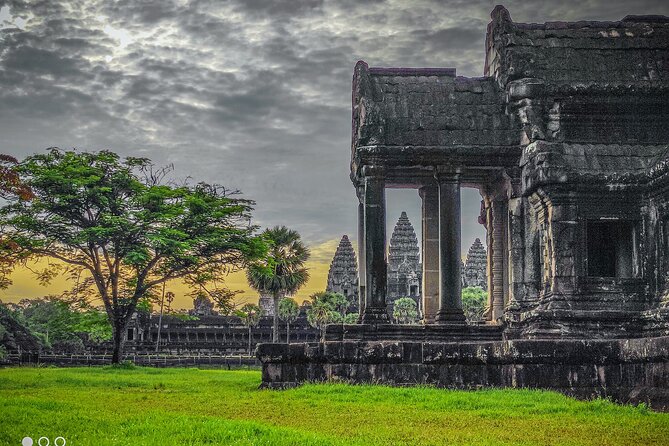
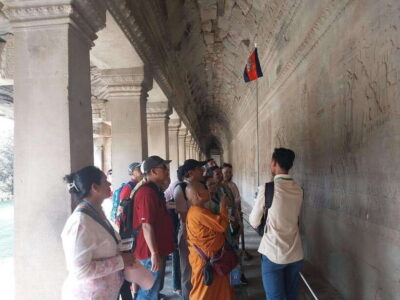
The day starts with pickup from your Siem Reap hotel around 8:00 am and a drive into the temple area. From the moment you enter Angkor Wat, you can feel why it remains the main draw for first-timers. You are guided through stone halls and religious details, including shrines and incense, then you move toward the southern approach area with carved gods and demons.
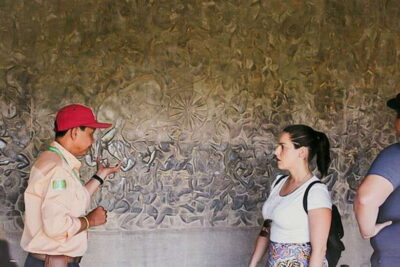
Angkor Wat is also one of those places where you benefit from a guide’s framing. The guide helps you notice how the design communicates power and devotion, not just beauty. Even if you have seen photos, you will still likely find yourself slowing down for the smaller scenes because they connect to the larger layout.
Practical note: you will have to budget for the entrance fee through a temple pass, since Angkor admissions are not included in the tour price. If you forget, you lose time and your day can feel more stressful than it needs to be. Bring what you need so you can focus on the walking and viewpoints.
Angkor Thom and Bayon Faces: Where Stone Feels Like a Meeting
After Angkor Wat, the tour moves to Angkor Thom, the ancient city area, where monumental southern gates greet you with stone figures. This is where the atmosphere changes from the carefully designed calm of Angkor Wat to the busier, more human-feeling energy of the city walls.
You then work your way toward Bayon Temple. The headline here is the more than 200 faces looking out from elaborate towers. The first time you see them in person, the scale can surprise you, and the guide’s explanation helps you understand why these faces matter in the bigger story of the complex.
A stop you should not rush is the Elephant Terrace area. Stone animals and sculpted details make this more than a quick photo stop, especially if you like to notice carvings and how the terraces function in temple life. It is the kind of segment where you learn more by looking slowly than by trying to cover everything at speed.
Ta Prohm’s Tree Roots: A Temple That Looks Like It’s Breathing
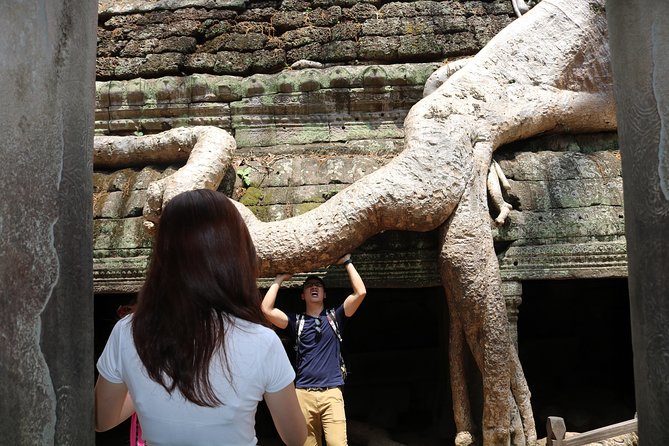
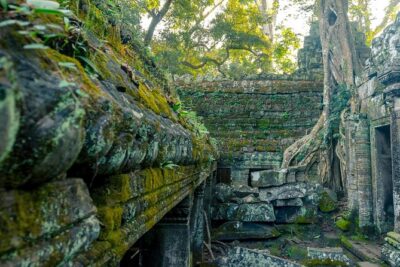
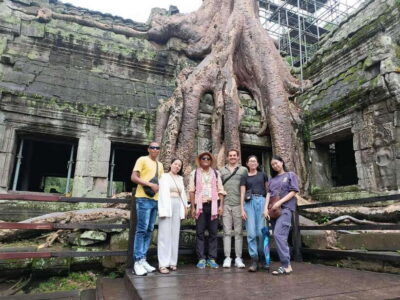
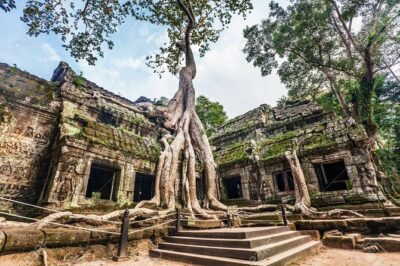
Ta Prohm is one of the most atmospheric Angkor temples, and the tour gives it enough time to appreciate that feeling. You walk through jungle-wrapped ruins where fig trees and roots creep over crumbling stone structures. This is the place where the temple does not just sit in nature, it feels like nature is actively shaping it.
This stop is also a good reset for your brain. You have already seen major layouts and iconic faces, and Ta Prohm offers a different kind of wow, the kind that comes from texture and survival. If you enjoy that in-between feeling, you will probably spend extra time here watching how the light shifts through the branches.
One consideration: you will be walking and standing more than you might expect. Cambodia can be hot and humid even when the skies look fine. I recommend comfortable shoes you can trust, plus a water bottle habit. This tour includes bottled water, but you will still want to pace yourself.
Just your group, at your own pace
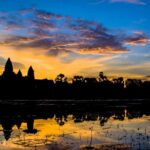


Pre Rup Sunset: The Best Reason to Stay Late
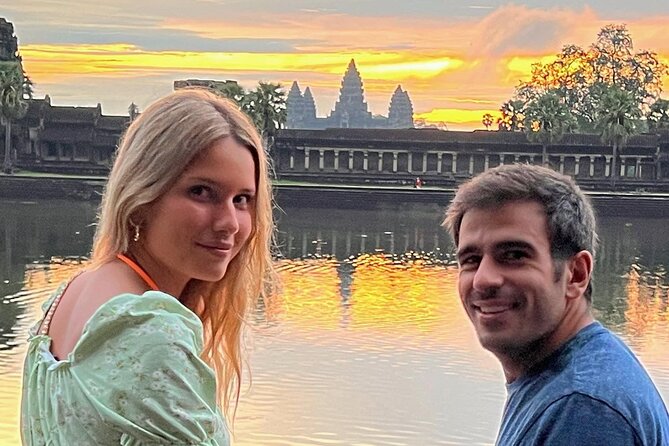
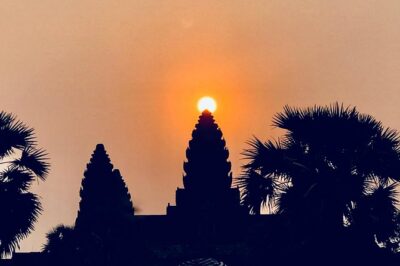
The day finishes with sunset at Pre Rup, a temple dedicated to the Hindu god Shiva. The timing is the point here. As the sun drops, the view over the temple areas changes quickly, and the temple surfaces take on warmer tones. It is a classic way to end day 1 because you are not leaving until the light has done its magic.
Pre Rup also gives you a break from constant temple-to-temple marching. Once you arrive, you can settle into the moment, watch the light change, and let the earlier sights sink in. This is where a guide helps again by pointing out what to look for while you wait for sunset.
If you are traveling with kids or anyone who gets tired fast, this ending can still work because it is a single focused viewpoint. You are not trying to fit another major complex in at the last minute, so the pace feels more manageable.
Tonle Sap Lake Morning by Boat: Water Life Instead of Stone
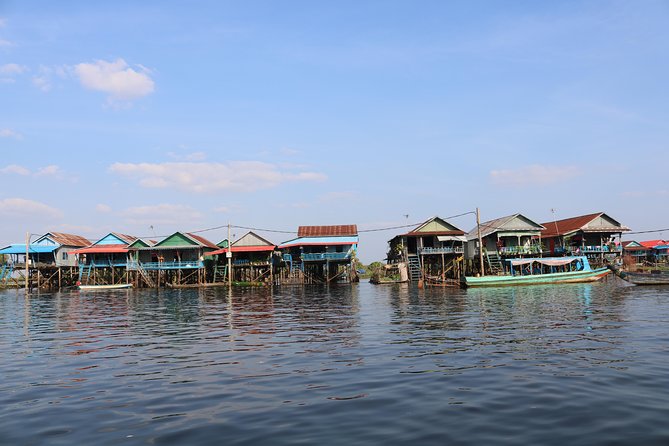
Day two shifts to Tonle Sap Lake, the largest freshwater lake in Southeast Asia and a UNESCO Biosphere Reserve. You start with pickup again in the morning and head out to the lake area for the scenic cruise.
What makes Tonle Sap special is that it is not a static place. The lake swells dramatically in the wet season to about 12,000 km², then shrinks to as small as about 2,500 km² during the dry half of the year. That seasonal swing shapes everything, from where communities build to what daily work looks like.
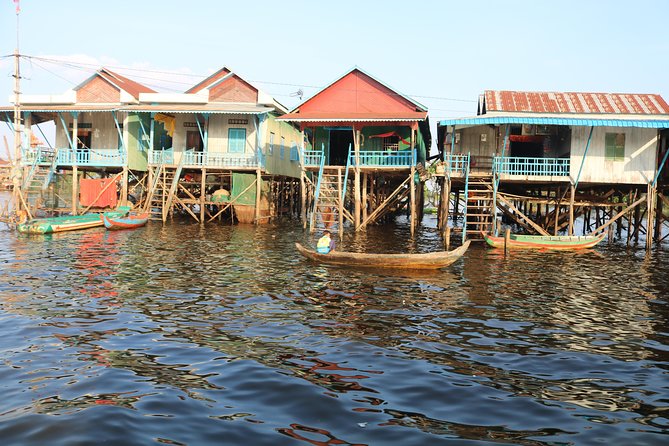
On the cruise, you pass small communities, farms, and aquaculture along the lake edge. The boat gives you a different viewing angle than you get on land, and it helps you understand how life is organized around water access. After the cruise, you spend time at a floating village.
This part is not just sightseeing. The experience includes time for a local village walk and interaction, which can make the day feel human and grounded. Keep your expectations realistic, and focus on curiosity, not filming everything.
Floating Village Time and Practical Etiquette on the Water
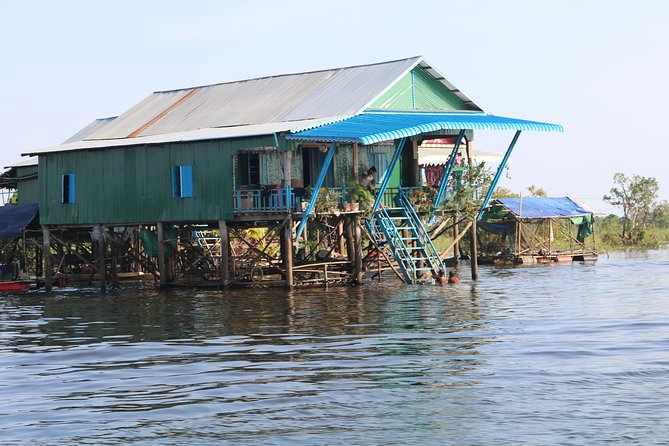
Floating villages can be visually striking, but the most meaningful moments usually come from simple, respectful attention. You will likely spend time moving through the village area and observing how daily tasks connect to the water and seasons.
In situations like this, I like to keep my approach low-key. Dress appropriately, stay aware of your footing, and follow your guide’s lead on where you can walk and what you should avoid. Since the tour provides a guide and includes interaction time, you get a smoother experience than trying to improvise.
It is also worth remembering that you are on a working water ecosystem. If you keep that in mind, the trip feels less like a set and more like a place people rely on.
Artisans d’Angkor: A Smart Finish for Gifts and Context
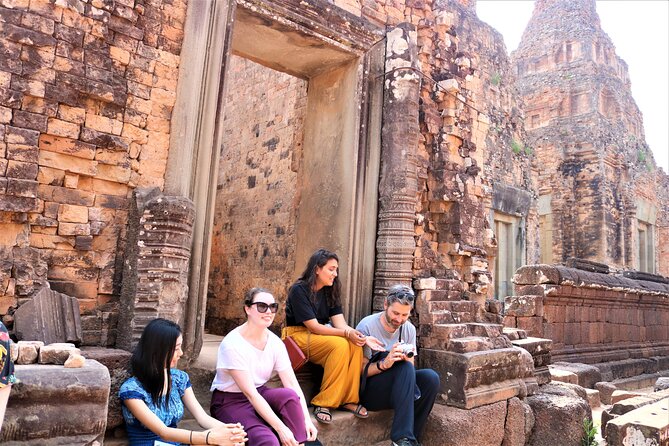
After Tonle Sap, the tour includes a final stop at Artisans d’Angkor. This is a good add-on when you want a calmer hour after the boat, plus a chance to browse high-quality locally made handicrafts.
I like this stop because it helps you keep the day connected to Cambodia beyond temples and water. You can see craftsmanship up close and pick up gifts without turning the visit into a chaotic shopping sprint.
If you are mindful about spending, you can treat it as a browse first and buy only what you truly want. The best part is that it does not compete with the emotional weight of the earlier stops. It gives you an easy landing back in Siem Reap.
Price and Temple Pass Budget: What You Really Pay
The tour price is $79 per person and it includes private air-conditioned transport, an experienced English-speaking guide, hotel pickup and drop-off, bottled water, and a boat tour on Tonle Sap. Day two’s lake admission is listed as included in the experience pricing, and the Tonle Sap lake time is part of that included package.
The big extra is the Angkor temple access. You must pay the temple pass directly at the sites, listed at $37 per person. That means your realistic total to plan around is about $116 per person, before any meals and personal purchases.
Is it good value? For me, yes, because you are not just paying for sightseeing. You are paying for transport, a guide who helps you understand what you are seeing, and time-saving structure across two major UNESCO areas. If you can only do one day, it is usually harder to get the same quality of pacing. Here, 2 days spreads the workload so you can enjoy the details.
What to Wear and Bring for Comfortable Day 1 and Day 2
The tour has a clear dress code: cover your knees and shoulders. This is standard for temples, but it is still worth planning ahead so you do not have to worry mid-day. Bring layers you can handle in heat, and aim for clothing you can walk in.
Comfortable walking shoes are strongly recommended. You are going to be on uneven ground in temple areas and moving around at the floating village. If you wear anything slick or delicate, you will notice it fast.
A few simple habits help a lot: carry water, take shade breaks when your guide suggests them, and go slow during the most carved or crowded areas. The tour includes bottled water, which helps, but your own comfort habits make a big difference.
Who This Tour Fits Best, and Who Should Rethink It
This private setup is a great match if you want more personal pacing and less stress than a larger group. It also fits well if you want the main Angkor highlights without trying to build your own route under pressure. The tour covers Angkor Wat, Bayon at Angkor Thom, Ta Prohm, and Pre Rup, so you get the iconic hits in a logical sequence.
It can also work nicely for families traveling with kids, because the plan focuses on major temples and includes a sunset viewpoint rather than cramming in endless stops. That said, it is still a lot of walking and heat, so take breaks and plan footwear and snacks accordingly. Meals are not included, so you will want to eat where your guide recommends or where you find convenient options.
If you prefer extremely slow travel with lots of optional detours, you might feel the schedule is busy. Private does not mean unstructured here. It means you control your comfort within a proven route.
Bottom Line: Should You Book Private Temples and Lake Explorer?
I would book it if your priority is a well-paced 2-day sweep of Angkor plus Tonle Sap with a guide who helps you understand what you are seeing. The combination is efficient, and it gives you a meaningful contrast, stone sacredness one day and living water communities the next.
I would also book it if you value comfort. Air-conditioned transport, hotel pickup and drop-off, and bottled water help you keep your energy for the temple walking and the boat time. The one real planning item is the temple pass fee you pay separately, plus your meal budget.
If you want a guide-driven experience that still feels personal, this tour hits that balance.
FAQ
What time does the tour start?
The tour start time is 8:00 am.
Is hotel pickup and drop-off included?
Yes. Hotel pickup and drop-off are included.
Are temple entrance fees included in the price?
No. The temple pass is not included and you pay it directly at the sites. The listed temple pass cost is $37 per person.
Does the tour include a boat ride on Tonle Sap Lake?
Yes. It includes a scenic cruise on Tonle Sap Lake, and Tonle Sap Lake admission is listed as included.
What should I wear for temple visits?
You need to cover your knees and shoulders. Comfortable walking shoes are recommended.
Is this tour private?
Yes. It is a private tour, so only your group participates.
What if weather is bad?
The experience requires good weather. If it is canceled due to poor weather, you are offered a different date or a full refund.
More Tour Reviews in Siem Reap
- Angkor Wat Sunrise or Sunset Tour with Guide from Siem Reap
★ 5.0 · 12,109 reviews - Siem Reap: Angkor Wat: Small-Group Sunrise or Sunset Tour
★ 5.0 · 9,444 reviews - From Siem Reap: Kampong Phluk Floating Village Tour by Boat
★ 4.9 · 6,979 reviews - Sunset tour of Kampong Phluk stilts home village on the Tonle Sap
★ 5.0 · 4,865 reviews - Siem Reap: Angkor Wat 2-Day Tour with Sunrise and Sunset
★ 4.9 · 4,429 reviews
Just Your Group: Private Days
- Full-Day Angkor Wat Sunrise Private Tour with Guide from Siem Reap
★ 5.0 · 2,920 reviews - Siem Reap: Angkor Wat Private Tuk-Tuk Tour
★ 4.9 · 2,222 reviews - Angkor Wat Private Day Tour from Siem Reap
★ 5.0 · 834 reviews - Angkor Wat Private Tuk-Tuk Tour (sunrise Option) & more
★ 5.0 · 439 reviews - Private Angkor Wat Day Tour – Best of Angkor
★ 5.0 · 269 reviews
More Temple Circuits Around Siem Reap
- Angkor Wat Sunrise or Sunset Tour with Guide from Siem Reap
★ 5.0 · 12,109 reviews - Siem Reap: Angkor Wat: Small-Group Sunrise or Sunset Tour
★ 5.0 · 9,444 reviews - Siem Reap: Angkor Wat 2-Day Tour with Sunrise and Sunset
★ 4.9 · 4,429 reviews - Siem Reap: Full-Day Angkor Wat Guided Tour with Sunset
★ 4.9 · 3,803 reviews - Angkor Wat Sunrise tour with Small – Group and Guide tours
★ 5.0 · 3,655 reviews
Just Added: Fresh Siem Reap Tour Reviews

Angkor Temple Tours, compared.
 ★ 5.0Angkor Wat Sunrise or Sunset Tour with Guide from Siem ReapFrom $1812,109 reviews
 ★ 5.0Angkor Wat: Small-Group Sunrise or Sunset TourFrom $159,444 reviews
 ★ 4.9Angkor Wat 2-Day Tour with Sunrise and SunsetFrom $344,429 reviews
 ★ 4.9Full-Day Angkor Wat Guided Tour with SunsetFrom $153,803 reviews
 ★ 5.0Angkor Wat Sunrise tour with Small – Group and Guide toursFrom $143,655 reviews
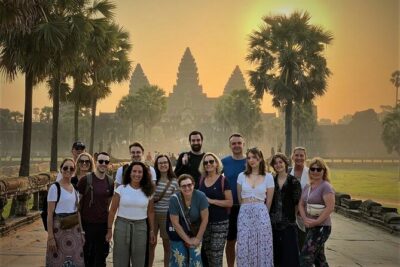 ★ 5.0Angkor Wat Highlights and Sunrise Guided Tour from Siem ReapFrom $233,213 reviews
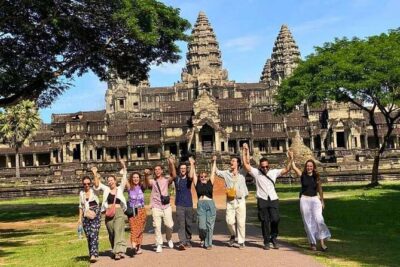 ★ 5.0Angkor Wat Sunset Small Group Tour with Lunch IncludedFrom $203,059 reviews
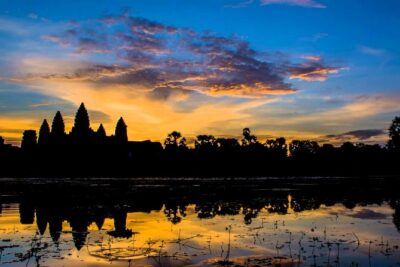 ★ 5.0Full-Day Angkor Wat Sunrise Private Tour with Guide from Siem ReapFrom $602,920 reviews
Browse the lists this tour appears in