
Reviewed · ANGKOR SUNRISE & SUNSET TOURS
Private guided Full -day Angkor tour with sun set
Angkor at your own pace is a different kind of wow. This private guided full-day Angkor tour with sunset is built to cover the headline temples in a practical order, with a Khmer guide to add meaning, not just names. I especially like how it mixes the big classics with temple ruins that feel calmer and more atmospheric.
What I love most is the guide time. A good guide makes Angkor easier to read, from the layout of Angkor Wat to the symbolism carved into the South Gate of Angkor Thom. I also like the small comfort touches that matter in the heat, like chilled water at stops and an A/C car with round-trip transfers.
One thing to plan for: the Angkor Pass is not included, and each temple stop lists admission as not included. So if you want a smooth day with no surprises, you’ll want to sort tickets before you go.
Key highlights I’d bet on
- Private, just your group: no waiting for strangers, and you can ask questions as you walk.
- A smart temple mix: Angkor Wat, Banteay Kdei, Ta Prohm, Ta Keo, Angkor Thom, plus Phnom Bakheng for sunset.
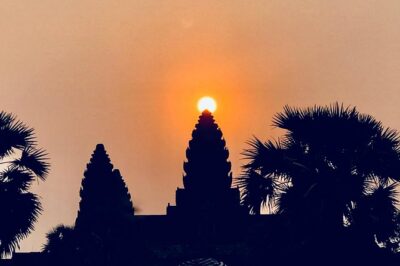
- Sunset option at Phnom Bakheng: a classic hilltop viewpoint over Angkor Wat.
- Chilled water and A/C transport: the day stays comfortable, even when the sun gets serious.
- Guides who manage the day well: multiple guides are praised for timing, English, and keeping you hydrated.
Chasing the light? More dawn and dusk runs
- Angkor Wat Sunrise or Sunset Tour with Guide from Siem Reap★ 5.0 · 12,109 reviews
- Siem Reap: Angkor Wat: Small-Group Sunrise or Sunset Tour★ 5.0 · 9,444 reviews
- Sunset tour of Kampong Phluk stilts home village on the Tonle Sap★ 5.0 · 4,865 reviews
- Siem Reap: Angkor Wat 2-Day Tour with Sunrise and Sunset★ 4.9 · 4,429 reviews
Private full-day Angkor, minus the typical crowd chaos
Angkor is famous for being huge. It can also be tiring, even if you love history. A private day helps because you are not stuck in a slow-moving line of bodies and questions. You can move when you want, pause when you see something interesting, and let your guide steer the flow.
I like that the tour is designed as a full circuit. You start with the biggest draw, then keep building through other major complexes that show different sides of Angkor. By the time you reach the jungle-influenced ruins, you’ve already gotten your bearings. That makes the later stops feel more vivid, not just like another set of stones.
There’s also a flexibility element. Since it’s private, you can specify your start time and even add more stops if you want. Just keep in mind that the official start is listed at 9:30 am, so your best experience comes from confirming what time you’ll actually begin when you book.
Price and value: what $55 covers, and what to budget
The price is $55 per person for a private full-day tour lasting about 8 to 9 hours. On paper, that’s an easy sell if you compare it to paying for separate transport and hiring a guide by the hour.
Here’s the key value point: you are paying for a guided route plus logistics. The tour includes round-trip private transfer, hotel pickup and drop-off if that option is selected, a car with A/C, and your guide. The comfort and planning save time. At Angkor, time matters because you are often walking in sun, and the sites change character as the day warms up.
What’s not included is the big one: the Angkor Pass. Admission at each stop is also listed as not included. So the real cost to you is the tour price plus the Angkor Pass you buy at the ticket office. If you forget that part, your day can feel rushed. If you plan it in advance, you get a smoother, more relaxed tour.
How the day runs: timing, pickup, and the temperature reality
The tour starts at 9:30 am and is designed to last most of the day. Each main stop is allotted about one hour, which is a good balance. You get time to look, take pictures, and listen without feeling like you are being rushed through.
Most people underestimate the heat in Siem Reap. This is why I’m happy this tour includes chilled water. Multiple guides are praised for offering water at stops and managing comfort, which matters because you can easily lose energy while walking between temple areas.
Transportation also helps your energy. You get an A/C car and round-trip transfers, so you are not stuck in open-air transport for long stretches. It’s a small thing, but it keeps the day from turning into a slog.
Angkor Wat first: read the whole complex before you get tired
Starting at Angkor Wat is the right move. Even if you have seen photos before, being there in person resets your sense of scale. This is the largest religious monument in the world, and the complex’s ambition hits you fast, from the causeways to the way the design pulls your eyes inward.
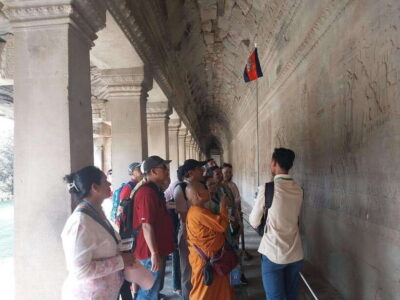
In a guided format, the benefit isn’t just that you can point out structures. Your guide helps you see what the complex is trying to communicate through its layout and symbolism. A strong guide will also help you handle the practical side of your visit, like where to focus for photos and how to pace your walk so you still have energy for the rest of the day.
Possible drawback: Angkor Wat is busy. That doesn’t mean the visit is less enjoyable. It just means you’ll appreciate having a guide who can keep you moving at the right speed and help you avoid getting mentally stuck in one crowded spot.
Plan tip: wear shoes you trust. The walking adds up across the day.
More temple circuits, set side by side
Banteay Kdei: monk cells, cotton tree roots, and calmer mood
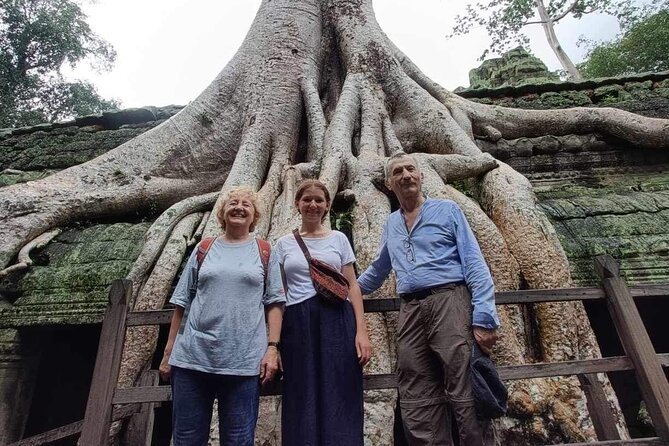
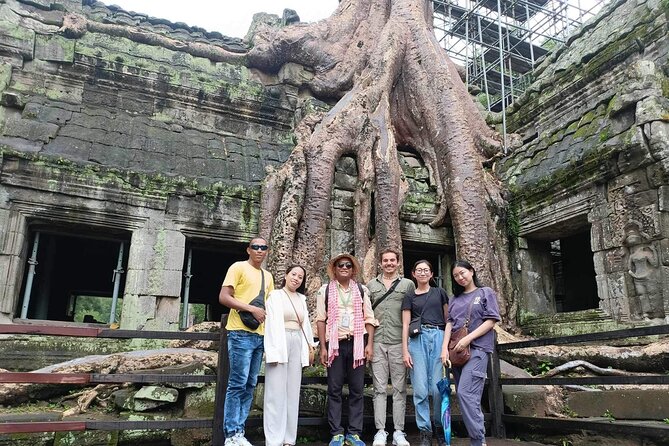
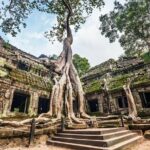
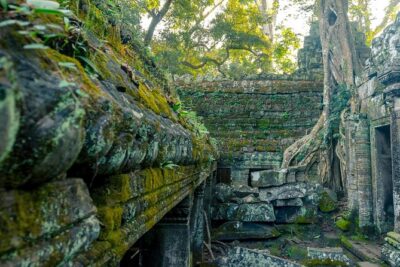
Next up is Banteay Kdei, often described as the citadel of monk’s cells. This stop is special because the ruin feels woven into the landscape. The standout feature is the way silk cotton tree roots snake through the stone walls and ruined structures.
I love this kind of Angkor stop because it’s less about grand symmetry and more about texture and nature reclaiming the stones. It’s a different visual rhythm. When you contrast it with the geometry of Angkor Wat, you get a fuller sense of how Angkor has survived across centuries.
Because the focus is on roots and walls, it’s a good place to slow down for a closer look. If you’re the type who likes detail photos, you’ll likely enjoy Banteay Kdei more than you expect from a one-hour stop.
Possible drawback: it can get hot and there may be uneven ground. That’s not avoidable at Angkor, but going in with the right footwear helps you enjoy the details instead of watching your step the whole time.
Ta Prohm: jungle reclaiming the stones, and the movie effect
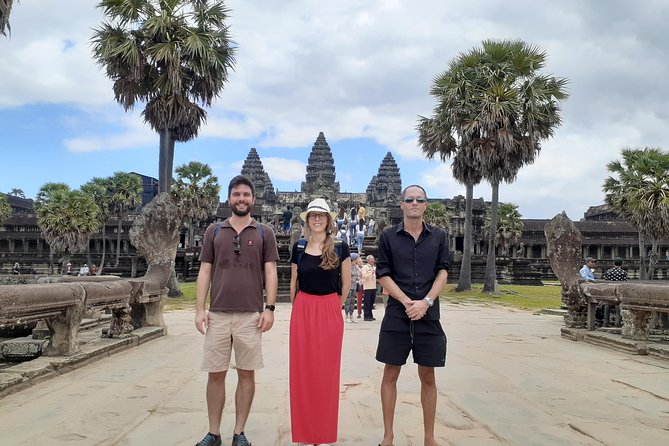
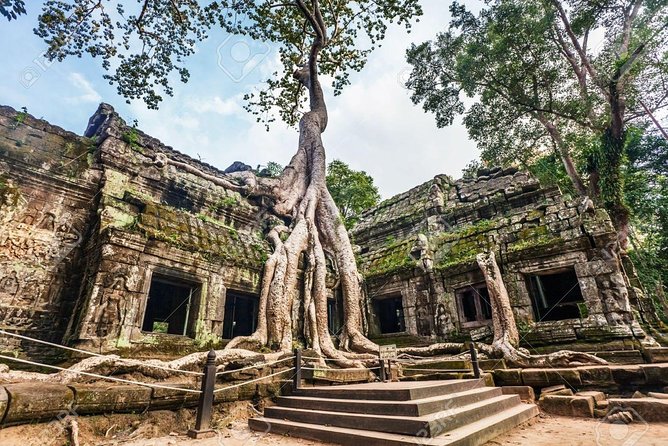
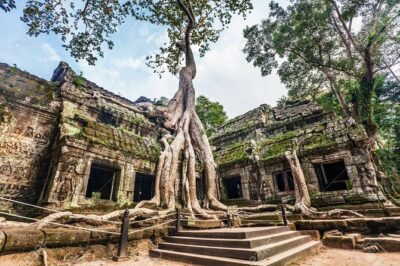
Ta Prohm is the temple that many people already know by sight. It’s widely known as the Tomb Raider temple, made famous by a film. Even if you aren’t into movie trivia, the real reason to come is how the jungle is part of the architecture.
You see it right away: trees and roots stretch through the ruins, and the place has a quiet, slightly cinematic feel even when it’s not empty. It’s a great stop for switching gears from the more structured layouts earlier in the day.
I also appreciate that Ta Prohm is often a turning point in the route emotionally. Angkor starts to feel less like a checklist and more like a living set of ruins shaped by time, weather, and growth.
Possible drawback: it can be crowded, and the best photo angles can mean waiting. If you’re trying to keep a calm, relaxed pace, lean on your guide to steer you to angles that still give you that jungle mood without losing too much time.
Ta Keo and Angkor Thom: unfinished drama plus the South Gate showpiece
Ta Keo is a contrast stop, and I like it for that reason. It was never finished, so it doesn’t look like the completed Angkor temples you might expect. The square, layered-pyramid style makes it feel more dramatic and raw, like a project caught in motion.
Because it’s different, it helps your brain sort what you saw at other sites. You start noticing patterns in Angkor design, but you also see what happens when something stops short. That unfinished quality can make Ta Keo feel more human.
Possible drawback: if you hate stairs and steep steps, you might find the terraced structure less comfortable. You can still enjoy the exterior views, and your guide can help you decide how far to go based on your comfort level.
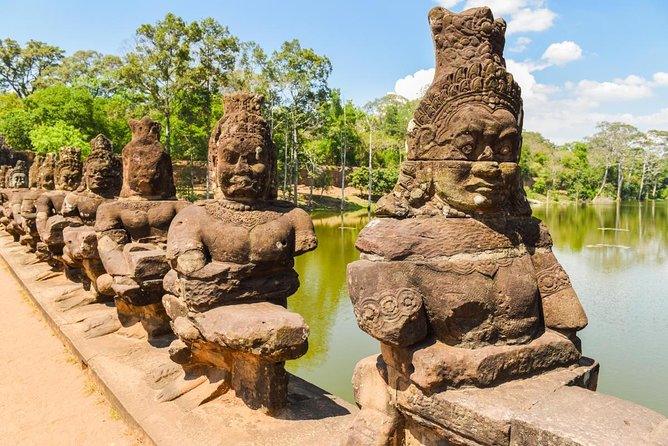
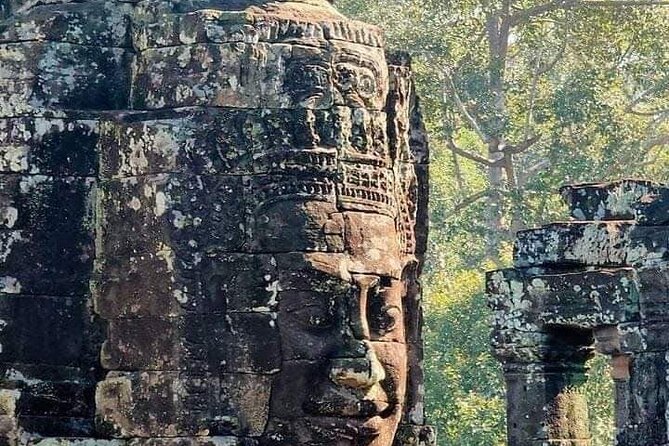
Then you shift to Angkor Thom, the latter capital of the Angkor Empire. The approach is memorable. The road takes you through the famous South Gate, lined with gods and demons locked in an eternal tug-of-war. It’s one of those moments where the carvings feel like they are part of your walk, not just background decoration.
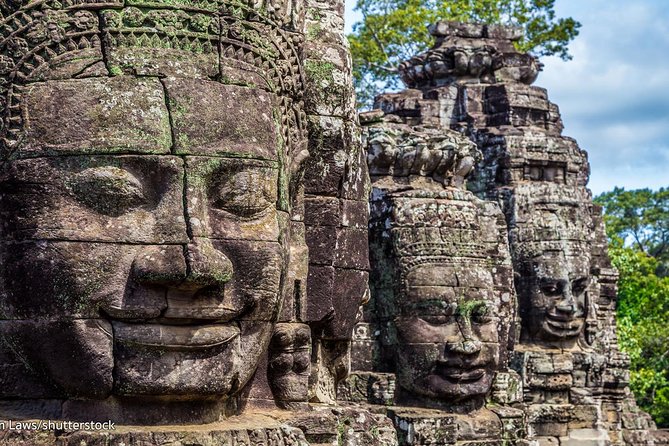
At the center is the Bayon temple. This is where you get pulled into the character of Angkor Thom, with the design turning attention inward. A good guide here helps you understand what you are seeing beyond the obvious.
Possible drawback: Angkor Thom can also be busy, and crowds can reduce the sense of scale if you’re standing in the wrong spots. Private pacing helps. You can step aside, wait a few minutes, and keep your attention on the details that make Bayon and the gate so iconic.
Sunset option at Phnom Bakheng: why hilltop viewing works
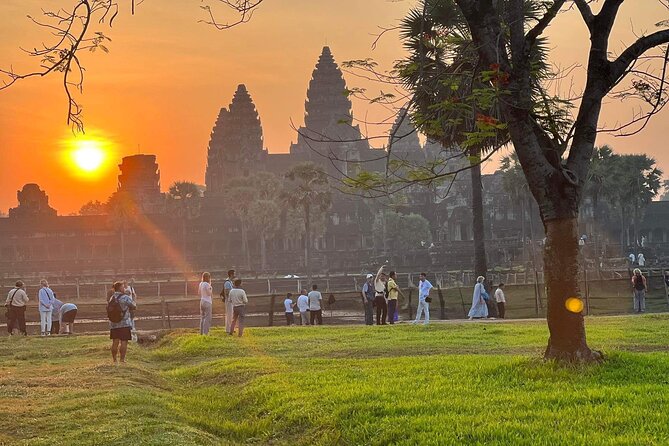
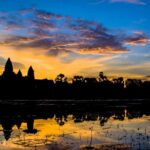
If you choose the sunset tour, you add Phnom Bakheng. This hilltop temple was built hundreds of years before Angkor Wat and is one of the best places to watch sunset in Cambodia. The viewpoint looks out in a way that lets Angkor Wat feel like the centerpiece, even from a distance.
Sunset at Phnom Bakheng works for two reasons. First, you get that layered feeling of Angkor’s geography, with a temple view that changes as the light softens. Second, you end the day with a visual payoff instead of driving away while the last temple still feels half-seen.
Practical consideration: hilltop viewpoints typically mean more walking and managing your timing for best light. Your guide’s job here is crucial, because the best experience depends on getting into position when the light is right.
Tickets and practical temple prep for a smooth day
Here’s the simple checklist that keeps the day calm:
- Buy the Angkor Pass ahead of time, because it is not included in the tour price.
- Expect admission not included at each stop. Your guide can help with timing, but you’ll still need your pass.
- Wear comfortable shoes with grip. Angkor paths and temple steps can be uneven.
- Bring a hat and sunscreen. The tour includes chilled water, but it won’t replace sun protection.
- Start early, even though this tour begins at 9:30 am. The later the day gets, the more tiring temples feel.
A small but helpful detail: guides are praised for staying organized and keeping people hydrated. Some have also been noted for showing practical things like where to find toilets. That kind of guidance turns a stressful day into a manageable one.
Who this private Angkor tour is best for
This tour is a strong fit if you want to see the major temples without turning the day into a race. It’s also ideal if you care about meaning and want a guide who can answer questions in clear English.
I think it suits:
- First-time Angkor visitors who want a structured route.
- Couples or small groups who prefer private pacing.
- People who like the variety of temple styles, from polished grand temples to jungle reclaiming ruins.
- Anyone who values comfort, with A/C, chilled water, and guided timing.
It may not be the best choice if you love very long free time at one site and dislike moving every hour. This tour is built around a full circuit, and you’re trading slow wandering for seeing more.
Should you book the full-day Angkor tour with sunset?
I’d book it if you want a day that feels organized, guided, and complete. The mix of Angkor Wat, Banteay Kdei, Ta Prohm, Ta Keo, and Angkor Thom gives you different angles on Angkor’s story, not just one style of temple. Add Phnom Bakheng for sunset if you want the day’s final payoff to land in your memory.
Book it if you also like comfort. The A/C car and chilled water are the kind of details that make a long day actually enjoyable. And if you care about guide quality, this tour has a track record of guides who explain clearly and manage time well, including people like Narith, Sari, and Mr Keng Samuth who are specifically noted for making the day run smoothly.
Don’t book it only if you already have a plan to tour independently with tickets handled. Otherwise, paying for a guide plus transport is a smart way to avoid turning logistics into stress.
FAQ
What time does the tour start?
The listed start time is 9:30 am.
How long is the full-day Angkor tour?
It runs about 8 to 9 hours.
Is this tour private?
Yes. It is a private tour, and only your group participates.
Is the Angkor Pass included in the price?
No. The Angkor Pass must be purchased from the ticket office, and admission tickets at stops are listed as not included.
Is hotel pickup and drop-off included?
Hotel pickup and drop-off are included if you select that option. The tour also ends back at the meeting point.
Which temples are included, and is Phnom Bakheng part of sunset tours?
The main stops are Angkor Wat, Banteay Kdei, Ta Prohm, Ta Keo, and Angkor Thom. Phnom Bakheng is included only in sunset tours.
Can I cancel and get a full refund?
Yes. You can cancel up to 24 hours in advance for a full refund.
Just Your Group: Private Days
- Full-Day Angkor Wat Sunrise Private Tour with Guide from Siem Reap
★ 5.0 · 2,920 reviews - Siem Reap: Angkor Wat Private Tuk-Tuk Tour
★ 4.9 · 2,222 reviews - Angkor Wat Private Day Tour from Siem Reap
★ 5.0 · 834 reviews - Angkor Wat Private Tuk-Tuk Tour (sunrise Option) & more
★ 5.0 · 439 reviews - Private Angkor Wat Day Tour – Best of Angkor
★ 5.0 · 269 reviews
More Temple Circuits Around Siem Reap
- Angkor Wat Sunrise or Sunset Tour with Guide from Siem Reap
★ 5.0 · 12,109 reviews - Siem Reap: Angkor Wat: Small-Group Sunrise or Sunset Tour
★ 5.0 · 9,444 reviews - Siem Reap: Angkor Wat 2-Day Tour with Sunrise and Sunset
★ 4.9 · 4,429 reviews - Siem Reap: Full-Day Angkor Wat Guided Tour with Sunset
★ 4.9 · 3,803 reviews - Angkor Wat Sunrise tour with Small – Group and Guide tours
★ 5.0 · 3,655 reviews
Dawn and Dusk Over Angkor
- Angkor Wat Sunrise or Sunset Tour with Guide from Siem Reap
★ 5.0 · 12,109 reviews - Siem Reap: Angkor Wat: Small-Group Sunrise or Sunset Tour
★ 5.0 · 9,444 reviews - Sunset tour of Kampong Phluk stilts home village on the Tonle Sap
★ 5.0 · 4,865 reviews - Siem Reap: Angkor Wat 2-Day Tour with Sunrise and Sunset
★ 4.9 · 4,429 reviews - Siem Reap: Full-Day Angkor Wat Guided Tour with Sunset
★ 4.9 · 3,803 reviews
Just Added: Fresh Siem Reap Tour Reviews

Angkor Sunrise & Sunset Tours, compared.
 ★ 5.0Angkor Wat Sunrise or Sunset Tour with Guide from Siem ReapFrom $1812,109 reviews
 ★ 5.0Angkor Wat: Small-Group Sunrise or Sunset TourFrom $159,444 reviews
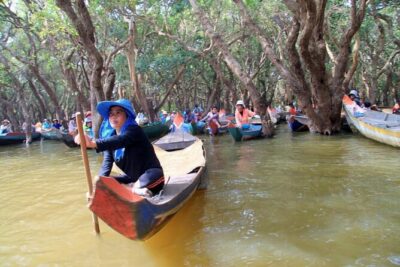 ★ 5.0Sunset tour of Kampong Phluk stilts home village on the Tonle SapFrom $214,865 reviews
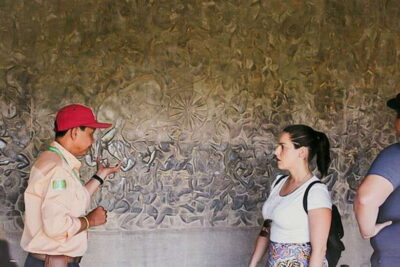 ★ 4.9Angkor Wat 2-Day Tour with Sunrise and SunsetFrom $344,429 reviews
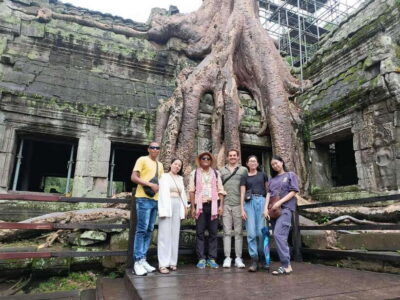 ★ 4.9Full-Day Angkor Wat Guided Tour with SunsetFrom $153,803 reviews
 ★ 5.0Angkor Wat Sunrise tour with Small – Group and Guide toursFrom $143,655 reviews
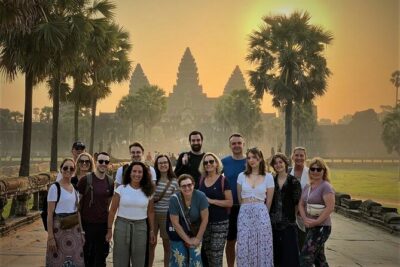 ★ 5.0Angkor Wat Highlights and Sunrise Guided Tour from Siem ReapFrom $233,213 reviews
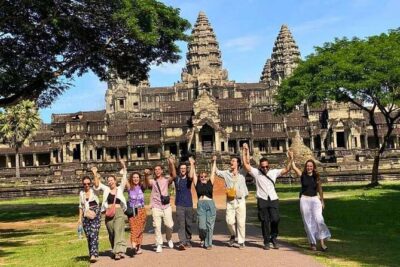 ★ 5.0Angkor Wat Sunset Small Group Tour with Lunch IncludedFrom $203,059 reviews
Browse the lists this tour appears in