
Reviewed · KULEN MOUNTAIN & WATERFALL TOURS
Kulen Elephant Forest & Tonlesap Lake
Kulen and Tonle Sap in one day is a treat. I like the close, calm elephant time at an ethical retirement setting, and I love the switch from jungle waterfalls to the watery life at Kompong Phluk. The only real drawback to plan for is that you will be walking in rain or shine, so bring footwear that can handle muddy paths.
This is the kind of tour that feels well paced. You start with an intro, then go face to face with elephants in their natural habitat, followed by a guided jungle trek and scenic views on the way to the lake. After that, you trade dry land for stilted homes, floating life, and a canoe-style experience through flooded forests depending on your exact option.
If you want a Siem Reap day that is more than temples, this fits. It also helps that the guides I saw named in feedback, like Bunjhak and Sam, are praised for English and for answering questions clearly as the day moves along.
Key points worth knowing before you go
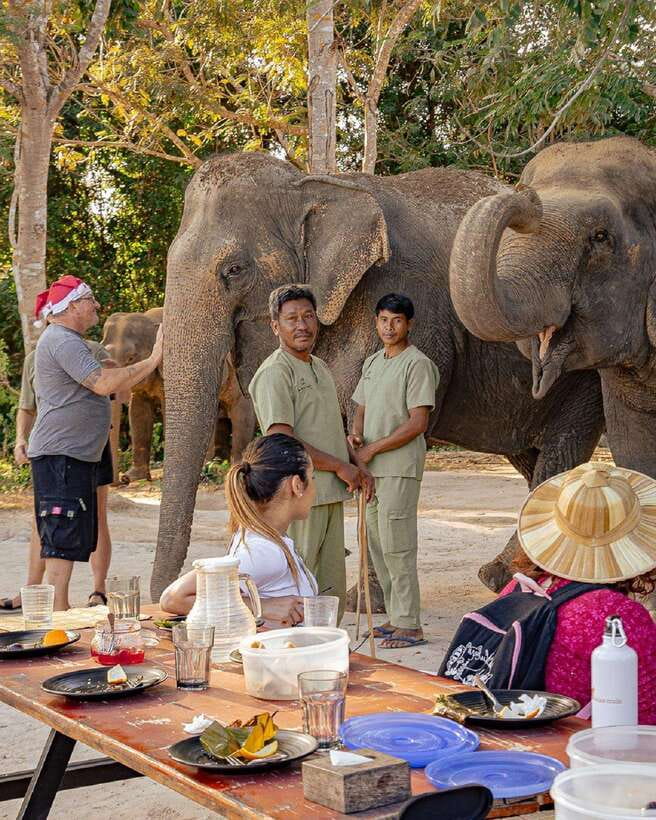
- Ethical elephant retirement focus, with time spent feeding and walking in their natural area
- A 2-kilometer guided jungle trek inside Kulen Elephant Forest, not just a quick viewing stop
- Waterfall scenery paired with jungle wildlife chances, including reports of tarantulas
- Kompong Phluk is framed as less visited, which makes the stilt-house and floating village scenes feel more grounded
- Tonle Sap life includes stilted houses, a floating market, and a flooded-forest boat or canoe component depending on your option
Up the holy mountain to the falls
- Kulen Waterfall Join-in Tour (local Picnic lunch)★ 5.0 · 2,434 reviews
- Kulen Mountain: Small-Group Tour and Picnic lunch★ 4.9 · 1,802 reviews
- Siem Reap: Kulen Mountain, Beng Mealea and Tonle Sap Tour★ 5.0 · 1,483 reviews
- Phnom Kulen Waterfall & the Sacred 1000 Lingas (with Lunch)★ 4.8 · 974 reviews
Kulen Elephant Forest: meeting retired elephants in their natural area
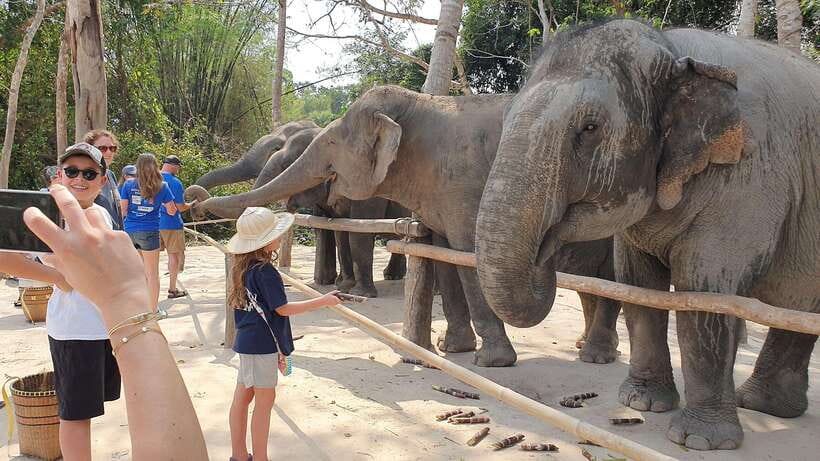
Kulen Elephant Forest is the centerpiece, and it is built around a simple idea: elephants need space, calm, and routines, not crowds with loud expectations. When you arrive, expect a short briefing first. Then you move into the area where the elephants live, guided step-by-step by your local team.
What I like most here is the tone. Multiple guide names came up in feedback, including Bunjhak on a private tour and Sam on another departure, and both were credited for clear explanations and thoughtful handling of the day. That matters because elephant encounters can feel chaotic if the rules are vague. Here, the flow tends to be orderly, and you do not just watch. You spend time up close, including the chance to feed them and walk with them where they move naturally.
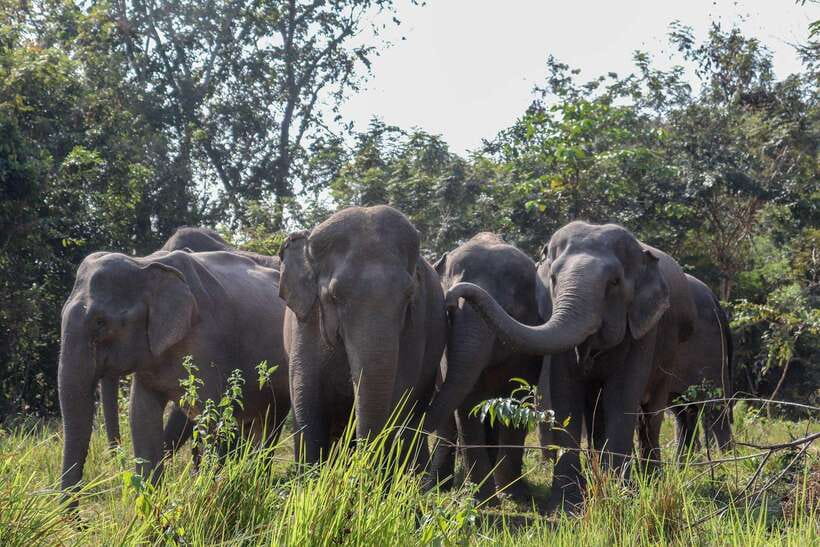
Also, the elephants are described as retired animals. In plain terms, that means you are more likely to see older elephants living a calmer life after being used to work and carry tourists in the past. It is still a lot to process, and the quiet energy of the place is part of why this stop lands well.
One practical note: the tour explicitly says no large bags. So travel light. If you need a phone and a day bag for water and a light layer, that is fine. If you show up with luggage, it will be an issue.
The guided jungle trek: 2 kilometers, real sights, and muddy moments
After the elephant time, the day shifts gears into the park itself. The itinerary calls for a guided hike, including a 2-kilometer trek and time to look for jungle scenery and waterfalls. One of the most useful things about having a guide here is that you are not just walking. You are being pointed toward what is worth seeing and what is safe to approach.
You should also expect you will actually walk. The schedule lists around 3 hours for sightseeing and walking at the forest. That is plenty of time to feel the effects of heat, humidity, and uneven ground, especially if trails are wet. This is not a sit-and-views kind of day.
And yes, it takes place rain or shine. So plan for the possibility that the trek becomes a mud trail. Pack like you are going to get dirty. Proper grip on your shoes matters more than style. If you are the type who hates getting your feet wet, you will probably spend the day thinking about your shoes instead of the jungle.
Waterfalls and jungle wildlife: why the trek feels like more than a transfer
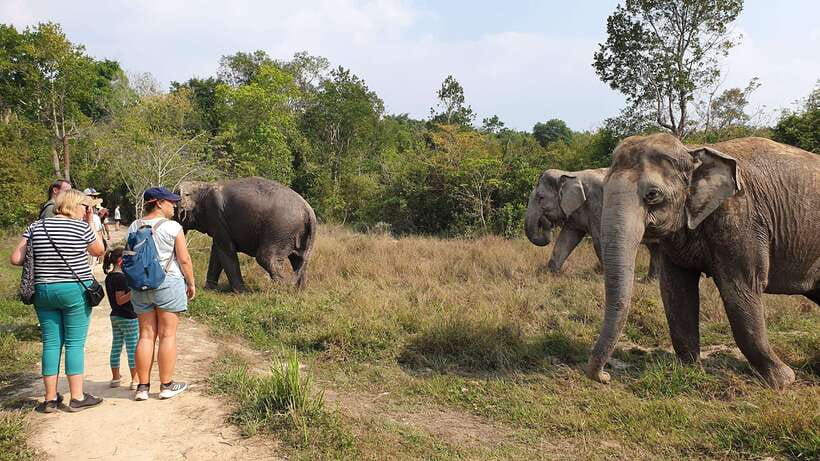
Most tours treat the journey from Siem Reap as a hallway between major stops. This one treats the forest portion as a full experience. You get drive time for the scenery, then you get a structured elephant visit, then you get guided walking that is long enough to feel immersive, even without being extreme.
Wildlife spotting is never guaranteed, but feedback hints at real sightings. One person specifically mentioned tarantulas, and the general point is that the jungle is alive in ways you notice more when you are on foot with a guide.
Waterfalls are also part of the plan. The day is built so you arrive at the forest, do the elephant time, then walk and look around until you reach those scenic moments. That sequencing helps, because you are not trying to rush your elephant encounter and then bolt into a long hike immediately after.
Tonle Sap Lake views: the Kompong Phluk stop that feels different
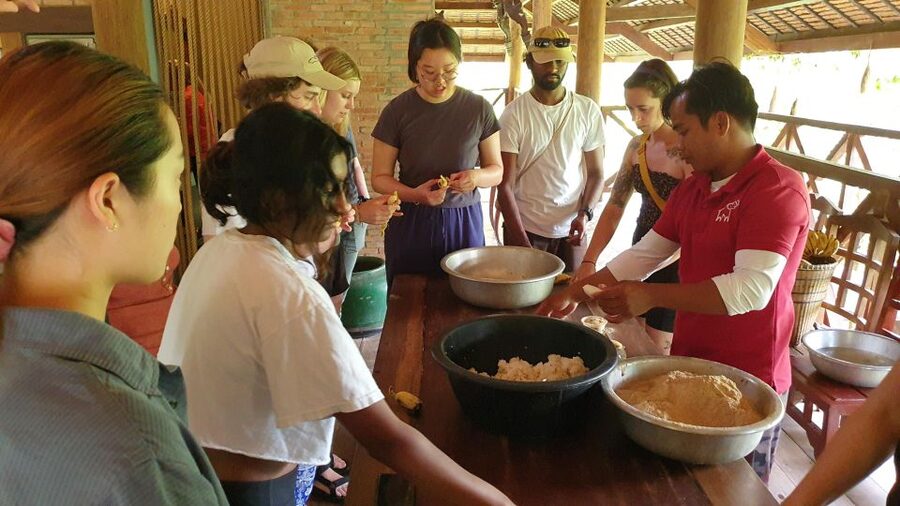
After Kulen Elephant Forest, the day heads toward Tonle Sap Lake and its lakeside community at Kompong Phluk. This is where the tour swaps jungle sounds for birdcalls, boat engines, and the rhythm of life built around water levels.
Kompong Phluk is described as scenic and also less visited than some of the more famous stops. That difference can matter. When fewer people are around, stilted houses and shoreline paths feel less like a set and more like someone’s daily reality.
You will cruise around stilted houses and see a floating market, which is one of the easiest ways to understand how locals organize day-to-day life. Instead of imagining the lake economy from a distance, you see it layered right on the water.
Time with the elephants, other visits


Floating village and flooded forest: how the canoe or boat part works
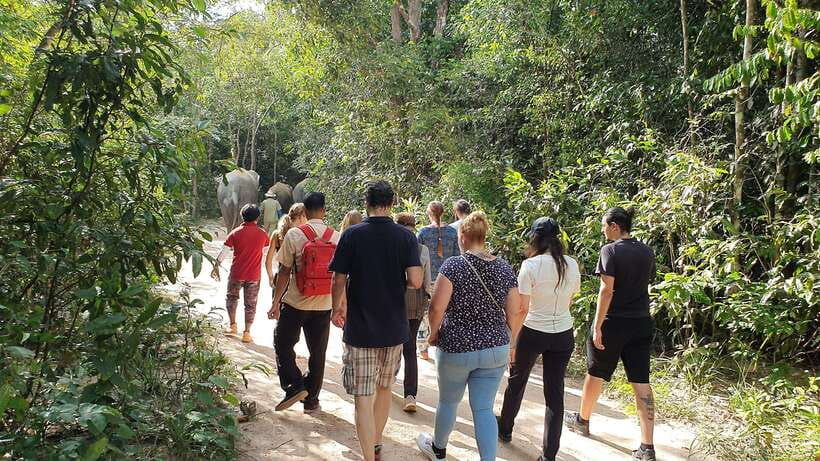
This is one of the spots where options can change details. The included components state a Kampong Phluk boat trip only for the private tour option, and a floating village entrance for private tours only. If you are booking a standard option, you may still spend time in the area, but the exact water experience can differ.
I also saw a clear reference to an optional flooded forest canoe experience costing extra in one private setup. The key takeaway for you is to confirm what is included in your exact booking type. If flooded-forest canoe time is important to you, ask your operator before you go, so you are not surprised when you arrive.
Either way, what you are looking for is the view and the feeling of walking through a world that changes with the seasons. Flooded forest scenery is peaceful, and it puts the lake in context. You also get a better sense of why Tonle Sap is not just a backdrop.
Local life on stilts: seeing institutions, not just houses
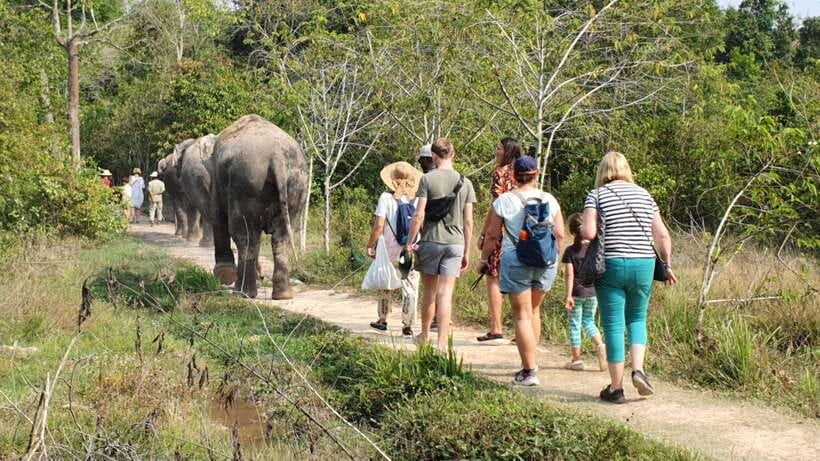
One reason Kompong Phluk works well is that it is more than scenery. People live here, organize communities here, and build basic services right over the water.
In feedback, someone specifically listed school, hospital, and even police station spaces built on stilts over the lake. That detail is a great reminder that this is real life, not just a photo stop. It also makes the whole day feel more meaningful, because you connect elephants and jungle ecology to a human environment shaped by water.
If you like conversations, this is a good place to ask your guide questions. The tour format includes a local guide, and guides like the ones named in feedback, such as Bunjhak and Sam, were praised for answering questions during the day.
Getting there and the flow of timing from Siem Reap
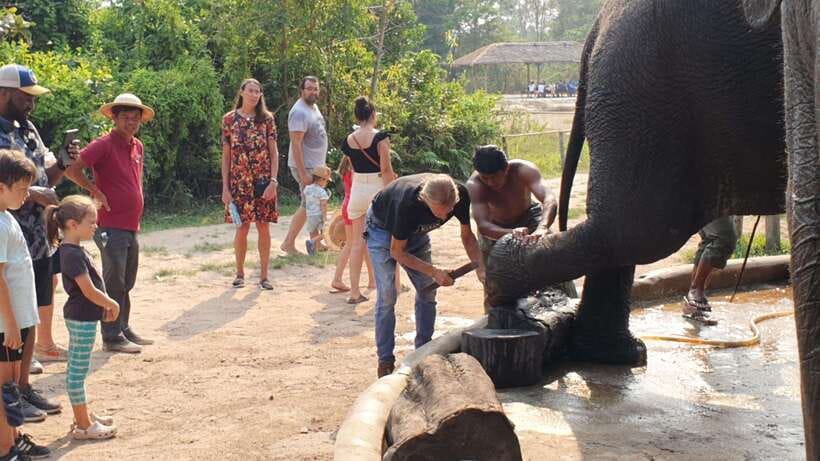
This is a 5 to 8 hour day trip, and the structure matters. You get hotel pickup, then you drive up to Kulen, do the elephant visit and forest trek, then move over to Tonle Sap for Kompong Phluk and the water experience.
Pickups are offered from multiple places in Siem Reap Province, including options like Mad Monkey Hostel Siem Reap and other Krong Siem Reap pickup points. Your guide and driver will pick you up roughly 30 minutes before departure, and you should share your hotel address clearly so you do not miss the window.
Transportation is by air-conditioned car or minivan, and you get bottled water. That is a small but real comfort on a day that can include multiple transitions, sun, and humidity.
Also, the tour notes a separate entrance to skip the line. That can save time when you are on a tight schedule.
What to bring, and how physically demanding it really is
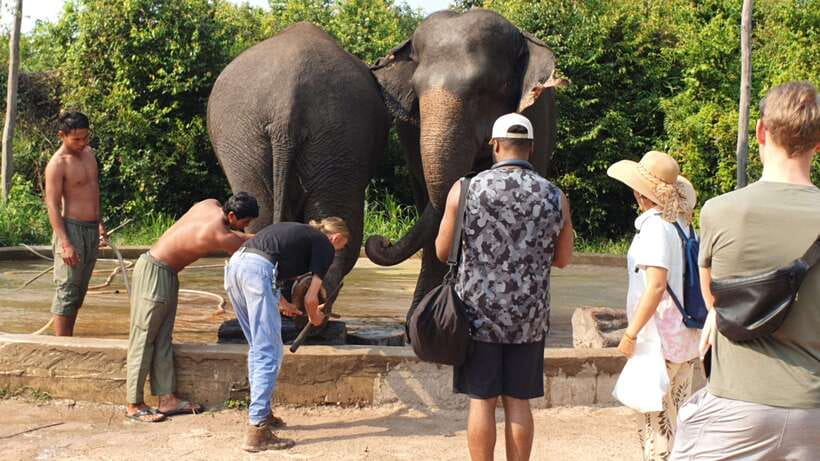
Let’s be honest: this is not a couch-to-cocktail outing. You are walking in the forest, and the hike plus elephant area time adds up.
Bring:
- Shoes with grip for wet or uneven ground
- A light rain layer if the forecast looks sketchy
- Sunscreen and a hat if the day clears up
- A small day bag, since large bags are not allowed
- A refillable water bottle if you like, even though you will receive bottled water
For comfort, remember rain or shine. If you wait until you arrive to think about gear, you will probably end up overpaying for basic stuff.
The tour is also explicitly not suitable for pregnant women. If that applies to you, choose a different format with less walking.
One more small rule that matters: alcohol and drugs are not allowed, and alcoholic drinks in the vehicle are also prohibited. Keep it simple that day.
Price and value: is $126 per person worth it?
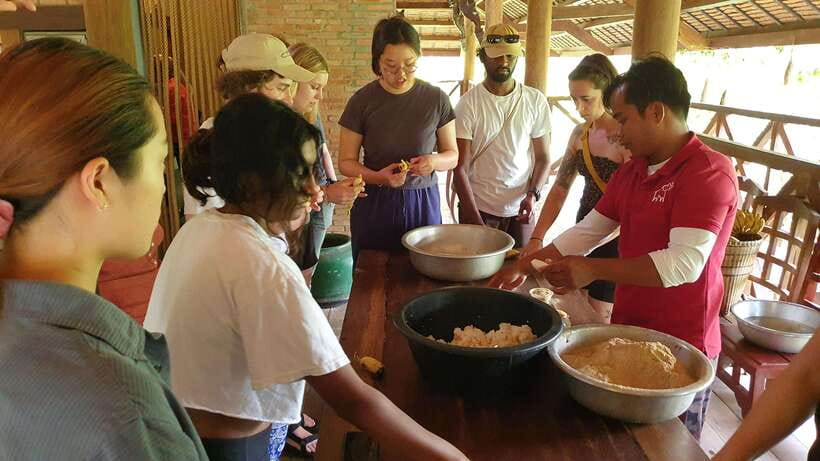
At $126 per person, you are paying for more than entry fees. You are getting a full day that combines:
- Transport with hotel pickup and drop-off
- A local guide
- Time walking with elephants in an ethical retirement setting
- A guided jungle trek portion
- Bottled water
- Tonle Sap village viewing, with certain boat or entrance parts tied to tour type
Lunch is listed as not included, so budget for food separately. That said, feedback includes mentions of lunch being provided in some setups. Do not assume. Ask what is included in your exact package so you do not end up hungry at a key moment.
Here is the value logic I use: this tour’s worth comes from elephant interaction in a setting focused on retirement and from the pairing with Tonle Sap community life. If you only care about scenery, you might choose a cheaper lake day. If you care about animals and want it done responsibly, the structure here tends to justify the price.
Also, the day is only half travel, half experience. The itinerary does not drag you around for hours without content. You get enough time in each area to make the transition between jungle and lake feel intentional.
Guides, ethics, and how the day stays respectful
This tour is sold around ethical handling and retirement. In the feedback, people described the elephants as well looked after, with the experience framed as a home after past labor and carrying tourists. That ethical focus is not just marketing for you to nod at. It influences how the day feels in practice.
When elephants are treated calmly, you usually get a better atmosphere. The named guides in feedback, including Pascal and Géraldine in one mention, and other guides like Bunjhak and Sam, were praised for organization and for making the day feel gentle and well managed.
The tour also builds respect into the rules, like limiting big luggage and restricting alcohol. Those may sound minor, but they reduce friction when you are dealing with sensitive animals and natural spaces.
Should you book the Kulen Elephant Forest and Kompong Phluk tour?
Book it if you want a Siem Reap day that mixes ethical elephant time, an actual jungle hike, and a meaningful contrast at Tonle Sap. This is a strong choice if you like guided interpretation and you do not mind a walking day that can get wet.
Skip it if you want minimal walking, you dislike rain uncertainty, or if pregnancy or mobility concerns apply. And if lunch planning matters a lot to you, confirm what your package includes, because lunch is not listed as included in the standard details.
If you can line up your priorities, this is one of those tours where the day has a clear emotional arc, calm elephants up close, then a steady shift to the lake community and flooded-forest quiet.
FAQ
How long is the Kulen Elephant Forest and Tonle Sap tour?
The duration is listed as 5 to 8 hours.
What is included in the price?
Included items are hotel pickup and drop-off, walking with elephants, bottled water, a local guide, and an air-conditioned car or minivan. Kampong Phluk boat trip and floating village entrance are listed as included only for the private tour option.
Do I get to walk and hike, or is it mostly sightseeing?
You should expect walking. The elephant portion includes walking with elephants, and the forest part includes a guided trek in the park, with a schedule that lists sightseeing and walking for about 3 hours at Kulen.
Is lunch included?
Lunch is listed as not included.
What should I do about luggage?
Luggage or large bags are not allowed.
Does the tour run in bad weather?
The tour takes place rain or shine.
Is this tour suitable for pregnant women?
No, it is listed as not suitable for pregnant women.
More Tour Reviews in Siem Reap
- Angkor Wat Sunrise or Sunset Tour with Guide from Siem Reap
★ 5.0 · 12,109 reviews - Siem Reap: Angkor Wat: Small-Group Sunrise or Sunset Tour
★ 5.0 · 9,444 reviews - From Siem Reap: Kampong Phluk Floating Village Tour by Boat
★ 4.9 · 6,979 reviews - Sunset tour of Kampong Phluk stilts home village on the Tonle Sap
★ 5.0 · 4,865 reviews - Siem Reap: Angkor Wat 2-Day Tour with Sunrise and Sunset
★ 4.9 · 4,429 reviews
Time With the Elephants
- From Siem Reap: Elephant Sanctuary Experience with Transfers
★ 4.9 · 282 reviews - Kulen Elephant Forest Tour with Hotel Pick-up & Drop off
★ 4.9 · 148 reviews - Kulen Elephant Forest & Kampong Phluk by Private Tour
★ 5.0 · 79 reviews - Siem Reap: Elephants & Apopo Rat Demining Private Trip
★ 4.6 · 46 reviews - Siem Reap: Kulen Elephant Forest Guided Tour
★ 5.0 · 43 reviews
Kulen Mountain and the Falls
- Kulen Waterfall Join-in Tour (local Picnic lunch)
★ 5.0 · 2,434 reviews - Kulen Mountain: Small-Group Tour and Picnic lunch
★ 4.9 · 1,802 reviews - Siem Reap: Kulen Mountain, Beng Mealea and Tonle Sap Tour
★ 5.0 · 1,483 reviews - Phnom Kulen Waterfall & the Sacred 1000 Lingas (with Lunch)
★ 4.8 · 974 reviews - Kulen Mountain with Beng Mealea and Tonle Sap Small Group Tour
★ 5.0 · 780 reviews
Just Added: Fresh Siem Reap Tour Reviews
Kulen Mountain & Waterfall Tours, compared.
 ★ 5.0Kulen Waterfall Join-in Tour (local Picnic lunch)From $482,434 reviews
 ★ 4.9Kulen Mountain: Small-Group Tour and Picnic lunchFrom $481,802 reviews
 ★ 5.0Kulen Mountain, Beng Mealea and Tonle Sap TourFrom $481,483 reviews
 ★ 4.8Phnom Kulen Waterfall & the Sacred 1000 Lingas (with Lunch)From $48974 reviews
 ★ 5.0Kulen Mountain with Beng Mealea and Tonle Sap Small Group TourFrom $54780 reviews
 ★ 5.0Guided Small-Group Tour in Kulen Mountain Park WaterfallFrom $45480 reviews
 ★ 5.0Kulen Mountain Waterfall Tour with Picnic Lunch from Siem ReapFrom $49238 reviews
 ★ 5.0Kulen Waterfall & 1000 Linga River Small-Group ToursFrom $59234 reviews
Browse the lists this tour appears in