

Reviewed · FLOATING VILLAGES & TONLE SAP TOURS
Kompong Phluk Floating village & Mangrove forest cruise
Tonle Sap changes everything with the seasons. I love how the guide explains life on the stilts in a way that makes the lake’s rise and fall feel personal, and I also love that air-conditioned pickup keeps the day comfortable from start to finish. The payoff is a short, well-paced cruise-and-village loop that feels practical, not rushed.
One thing to consider: the mangrove small-boat canoe section is not available from Feb 15 to July, so you may do less of the up-close paddling during that stretch of the year.
Key things that make this tour worth your time
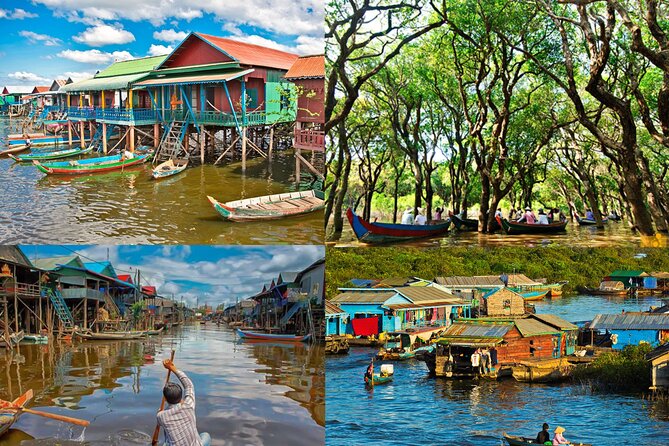
- Kompong Phluk floating village on stilts, built to handle dramatic wet season water levels
- Tonle Sap Great Lake context, including how it connects to the Mekong system
- Mangrove-area paddling in wet season, with a flooded-forest setting when conditions allow
- Comfort upgrades, like air-conditioned transfers and bottled water
- A capped group size (max 15), which helps the guide keep you on track
- Optional mangrove craft choice, you can wait at the big boat area if you’d rather not go in
Back out on the lake, more stilted villages
- From Siem Reap: Kampong Phluk Floating Village Tour by Boat★ 4.9 · 6,979 reviews
- Sunset tour of Kampong Phluk stilts home village on the Tonle Sap★ 5.0 · 4,865 reviews
- Kompong Phluk Floating Village Half-Day Tour ( Morning / Sunset )★ 5.0 · 1,494 reviews
- Siem Reap: Kulen Mountain, Beng Mealea and Tonle Sap Tour★ 5.0 · 1,483 reviews
Tonle Sap, floating villages, and why seasons matter more than photos
Siem Reap gets most of the attention, but Tonle Sap is the real wild card. This is the largest natural freshwater lake in Southeast Asia, and what you see depends heavily on whether the water is high or low. In dry season, you’re often looking at stilt communities on land-adjacent routes. In wet season, whole areas become waterlogged, and the practical question becomes how people live when the world rises around them.
That’s why this tour works so well for a short time window. You’re not just looking at houses on posts and calling it done. You get a guide who explains how daily routines change between dry and rainy periods, and you see those changes in how the village connects to the lake.
I also like that the experience is set up as a loop, so you get big scenery, then human scale, then nature again, without bouncing around the countryside. It’s the kind of half-day that feels like it adds a whole new chapter to your Cambodia trip.
Getting from Siem Reap: air-con comfort and a small-group pace
This is a true half-day setup. You’re looking at about 3 to 4 hours total, with hotel pickup offered and an air-conditioned vehicle for the transfers. Bottled water is included, and the car is kept cool, which matters in Siem Reap heat.
The group size stays capped at a maximum of 15 travelers. That’s big enough to keep energy up, but small enough that you’re not lost in the shuffle. On a tour like this, where timing affects boat sections and photo stops, a smaller group is simply easier.
Also worth noting: you get a mobile ticket. That sounds minor, but it helps at the start of the day when everything is moving quickly.
Tonle Sap Lake stop: what you’re really looking at on the Great Lake
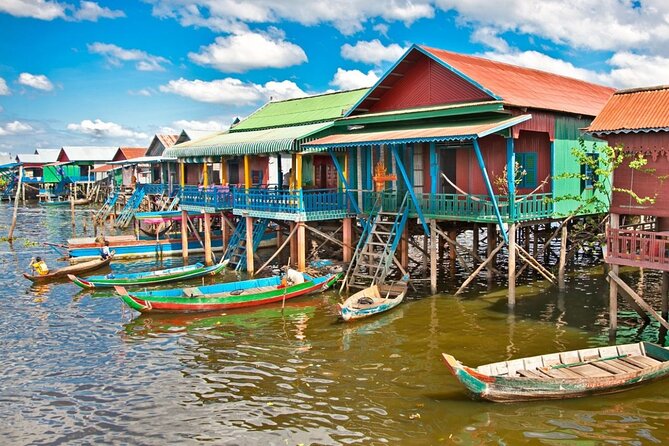
The first stop centers on Tonle Sap Lake itself. This is not just a body of water for scenic backgrounds. The lake connects to the Mekong River system through the Tonle Sap River, a 120-kilometer link. That connection is what helps drive the seasonal shift that makes stilt housing and flooded pathways possible.
From the boat, you’ll get wide views over the lake and the silted look that defines the region. The water is doing something in this ecosystem, not just sitting there. Even a relatively short visit gives you a sense of scale, especially if most of your Cambodia days have been about temples and stone cities.
A good guide makes a difference here. When the explanation clicks, the lake stop stops feeling like a waiting room before the real action. It becomes the why behind what you’ll see later in the floating village.
Kampong Phluk floating village: stilt life, local routines, and the guide’s storytelling
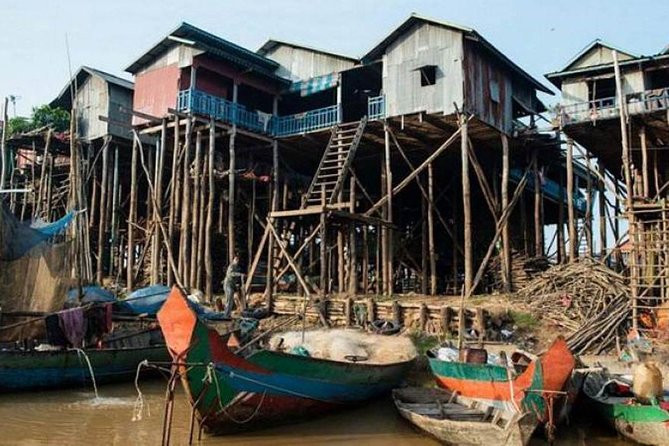
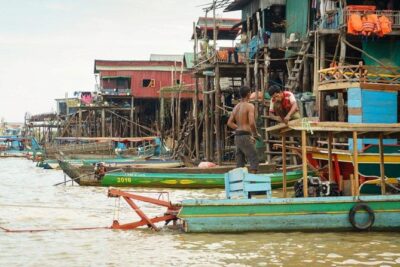
Then comes Kampong Phluk, the floating village area in the mangrove region. The key idea is adaptation. People live at the edge of Tonle Sap’s seasonal reality, building and reorganizing daily life around it. Stilt houses are the visual symbol, but the guide fills in the practical side: where people go during different water levels and how the community stays connected.
On my trip experience style, I found it especially helpful when the guide explained daily life in the village before and after the water changes. It makes the village feel like a living system, not a postcard.
The tour also tends to include cultural touchpoints inside the community. Some runs include a look near a mosque area, and you may see areas that look different depending on the season. If you’re traveling outside the peak wet months, those transitions can be surprising in the way they change what’s reachable by foot versus boat.
If you get a guide like Phy, Nak, Tommy, or Pen, that’s a big advantage. The best guides here are enthusiastic and keep you engaged during travel time, not just at the village stop. They also manage the boat timing smoothly, which keeps the day from feeling chaotic.
More time out on the water


Mangrove forest cruise: when you’ll paddle, and why Feb 15 to July is different
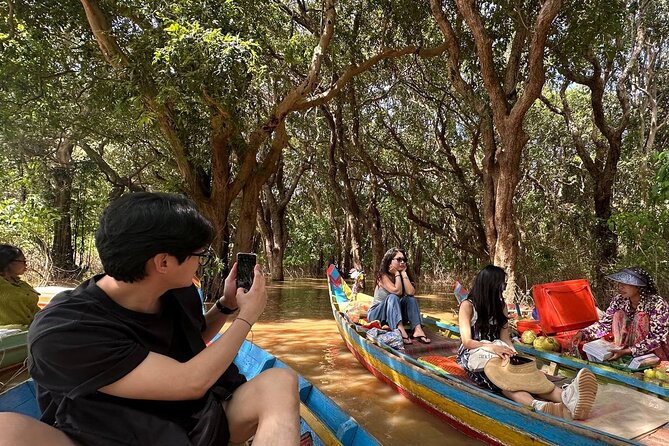
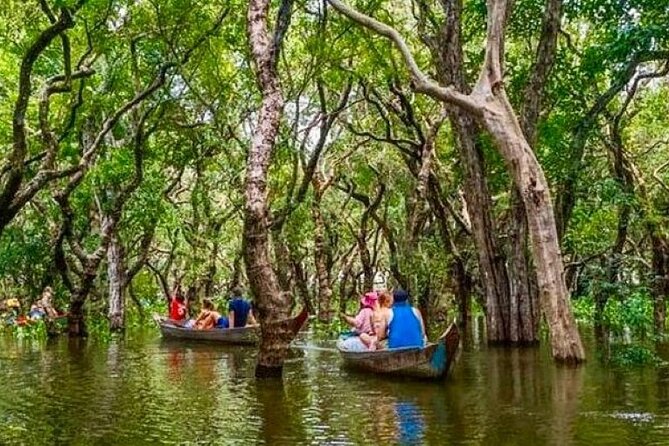
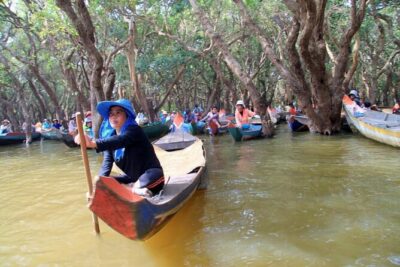
The mangrove section is the star nature moment, especially in wet season. When conditions allow, you travel by canoe through a flooded mangrove forest. This is where the scenery becomes more than flat lake views. You’re moving through a tighter, greener corridor where the water level controls how the forest exists and how people access it.
That wet season setting also changes how the whole day feels. The paddling portion gives you a slower pace, and you get closer to the environment. One of the charming details from real-world experiences here is that you might even hear singing during the boat segment, which adds a distinctly local feel rather than a purely sightseeing vibe.
Now for the practical consideration: the mangrove forest small boat is not available from Feb 15 to July. The tour still operates, but the up-close small craft portion that you may be expecting during wet season paddling can be limited during that date range. If you want the mangrove paddling to be the highlight, check the timing before you book.
If you don’t want the small boat, you still have options
You’re not forced into the mangrove small craft segment. If you don’t want to take the mangrove forest small boat, the plan allows you to wait at the big boat area (there’s a shop there). That’s a simple way to keep your comfort level up without skipping the overall tour.
Psar Chaa old market stop: a short local break without killing your schedule
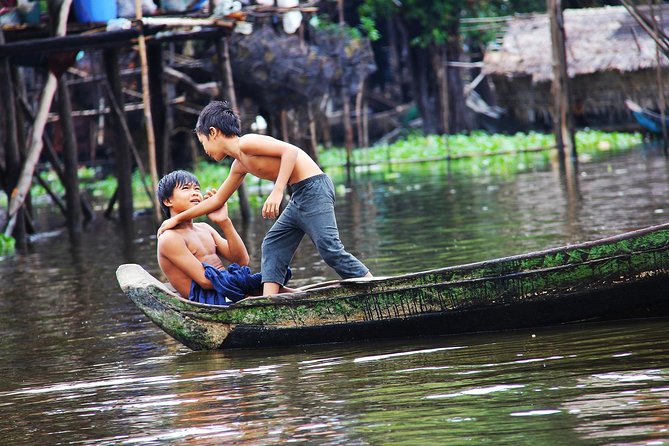
On the way back, you’ll visit Psar Chaa, a local market area. You get about 30 minutes here. The stop is built as a quick taste of local trade rather than a full market crawl.
It’s a useful add-on if you like practical souvenirs, snacks, or just people-watching. It’s also good for the energy dip that can happen after boats. You can stretch your legs, take in the busier street rhythm, and return to the air-conditioned vehicle refreshed.
This market stop comes with no entrance fee, so you’re free to keep it simple. If you’re not shopping, you can still enjoy the contrast between the floating village environment and the everyday city-style market scene.
Guides, boats, and the details that make this feel smooth
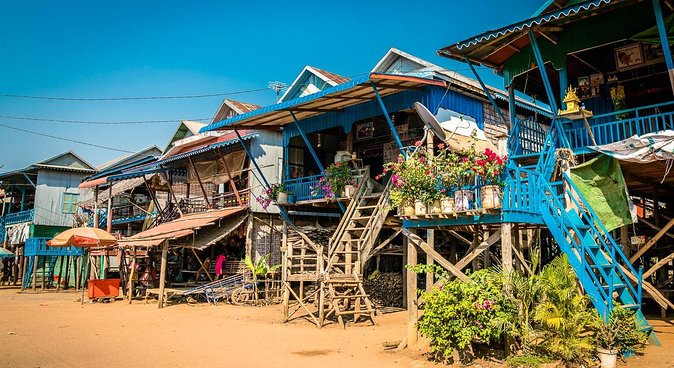
A tour like this lives or dies on logistics. Good guides handle timing, explain what you’re seeing in plain language, and keep you moving in a way that feels calm. In the field, that shows up as smoother transitions between the larger boat and smaller craft areas, and clear guidance when you’re stepping into different water-level realities.
Language support is solid for international visitors. You get an English and Japanese speaking guide who is licensed. That matters because the village stories are the point. If you only catch the visuals, you might miss why the stilt housing makes sense or why the mangroves change the way the community moves through the season.
Boat handling also matters. Some guides work closely with the skipper, and you can feel it when the ride stays steady and the group is kept informed about next steps.
What’s included, what costs extra, and where value actually comes from
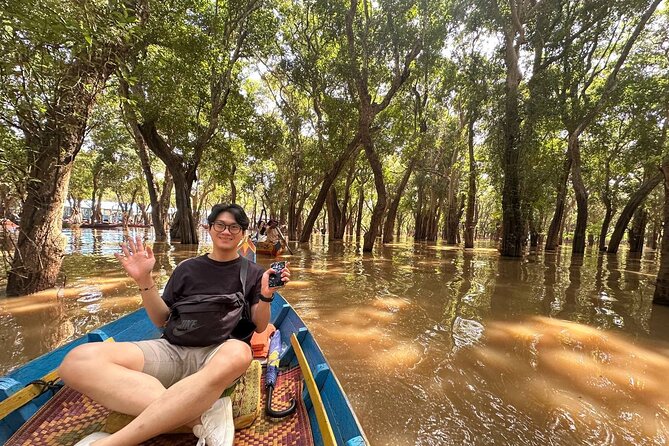
At $105 for a 3 to 4 hour experience, the value comes from what’s bundled, not just the sightseeing. Your price includes entrance fees, boat fees (including the mangrove forest boat and the boat from port), an air-conditioned vehicle with cool water, and bottled water. It also includes the guided component in English or Japanese.
This is one of those tours where you’re paying for convenience and access. You’re not coordinating a boat route yourself. You’re also not guessing which areas are best depending on the season. The guide and boat setup reduce friction, and that’s part of the cost you’re buying.
What’s not included is also important. Meals are not part of the price. If you need lunch or dinner, the tour operator can escort you to a restaurant. Tips are not included, either.
If you’re comparing prices, look at the inclusions. A cheaper listing that excludes boat fees and entrance charges can end up costing more by the time you add everything. Here, you can budget more confidently.
Also, group discounts may be available. If you’re traveling with friends or family, ask at booking time rather than assuming the standard price is your only option.
Best time to go, and who this tour suits best
This tour works year-round in the sense that you’ll always see Tonle Sap and the Kampong Phluk floating village area. But the highlight intensity changes. In wet season, the mangrove paddling through a flooded forest is a major draw. If you’re visiting during Feb 15 to July, the small boat mangrove section you may have planned for may not be available, so your expectation should shift toward village life and lake scenery.
This is also a strong choice if you’ve got temple days on your schedule. After Angkor Temples, a half-day nature-and-living-together experience adds variety without taking your whole day. It’s long enough to feel meaningful, but short enough to keep your energy for the evening.
Who should book:
- You like nature plus human stories, not just scenery
- You want a guide to explain how seasonal changes affect daily life
- You prefer guided boat travel with a small group
- You’re okay with being on boats for parts of the day
Who might rethink:
- You specifically want the mangrove small-boat paddling and you’re traveling Feb 15 to July
- You dislike boats or wet-season conditions and don’t want to do the optional small craft segment (the tour offers a waiting option, but the main program still involves water travel)
Practical tips to make the most of the day
Wear something comfortable for heat and humidity, and plan for the reality of moving between boats and village walkways. Bring basic sun protection, and if you’re sensitive to glare on water, sunglasses help.
If you’re going in wet season, you should assume you’ll encounter more damp conditions. Even if the tour includes bottled water and air-conditioned transport, the outdoor time is still outdoors. A light rain layer can be useful.
Footwear matters more than you might think on stilt-based areas and boat boarding. Choose shoes that are easy to step in and out of, and that you don’t mind getting a bit dirty.
Finally, use the market stop as your breather. It’s only 30 minutes, so decide early if you want to browse or snack. Either way, it’s a nice reset before the ride back.
Should you book Kompong Phluk and the mangroves?
Yes, I think you should book this tour if you want a short, well-structured look at how Tonle Sap communities adapt to their environment. The price feels fair when you focus on what’s included: air-conditioned pickup, licensed English or Japanese guidance, entrance fees, and boat fees that you would otherwise have to coordinate.
Book it especially if you care about the story, not just the photos. The best part is the seasonal explanation of stilt life and lake living, plus the mangrove paddling experience when it’s available.
If your travel dates fall between Feb 15 and July, still consider going, but adjust your expectation. The village and lake sections stay compelling, but the small-boat mangrove cruise you might be picturing can be unavailable in that window.
FAQ
How long is the Kompong Phluk and mangrove cruise tour?
The tour runs about 3 to 4 hours.
Does the tour include hotel pickup in Siem Reap?
Yes, pickup is offered.
What languages does the guide speak?
The tour includes an English and Japanese speaking licensed guide.
What costs are included in the $105 price?
Entrance fees and boat fees are included, along with air-conditioned transfers, cool water, bottled water, and a guided experience. There is also an admission ticket included for the lake and the floating village.
Are meals included?
No meals are included. If you need a meal, the team can escort you to a restaurant.
Is the mangrove forest canoe or small-boat ride available year-round?
The mangrove forest small boat is not available from Feb 15 to July.
If I do not want the small-boat mangrove section, can I wait instead?
Yes. If you choose not to take the mangrove forest small boat, you can wait at the big boat area (with a shop).
Will I have to pay entrance to the market stop?
The market stop (Psar Chaa) is free of admission fee.
What is the cancellation window for a full refund?
You can cancel up to 24 hours in advance for a full refund. If you cancel less than 24 hours before the start time, the amount is not refunded.
Out on the Water Around Siem Reap
- From Siem Reap: Kampong Phluk Floating Village Tour by Boat
★ 4.9 · 6,979 reviews - Kampong Phluk Floating Village Tour by Boat
★ 5.0 · 1,020 reviews - Sunset Dinner and drinks includes a Floating Village cruise tour.
★ 4.0 · 152 reviews - Floating Village Sunset Boat & Jeep Tour – Inclusive Drinks
★ 5.0 · 115 reviews - discover floating villages and tonle sap lake by boat
★ 4.0 · 79 reviews
More Tour Reviews in Siem Reap
- Angkor Wat Sunrise or Sunset Tour with Guide from Siem Reap
★ 5.0 · 12,109 reviews - Siem Reap: Angkor Wat: Small-Group Sunrise or Sunset Tour
★ 5.0 · 9,444 reviews - From Siem Reap: Kampong Phluk Floating Village Tour by Boat
★ 4.9 · 6,979 reviews - Sunset tour of Kampong Phluk stilts home village on the Tonle Sap
★ 5.0 · 4,865 reviews - Siem Reap: Angkor Wat 2-Day Tour with Sunrise and Sunset
★ 4.9 · 4,429 reviews
Out on Tonle Sap
- From Siem Reap: Kampong Phluk Floating Village Tour by Boat
★ 4.9 · 6,979 reviews - Sunset tour of Kampong Phluk stilts home village on the Tonle Sap
★ 5.0 · 4,865 reviews - Kompong Phluk Floating Village Half-Day Tour ( Morning / Sunset )
★ 5.0 · 1,494 reviews - Siem Reap: Kulen Mountain, Beng Mealea and Tonle Sap Tour
★ 5.0 · 1,483 reviews - Tonle Sap Lake & Kampong Phluk Village Half-Day Tour
★ 5.0 · 1,045 reviews
Just Added: Fresh Siem Reap Tour Reviews

Floating Villages & Tonle Sap Tours, compared.
 ★ 4.9From Siem Reap: Kampong Phluk Floating Village Tour by BoatFrom $206,979 reviews
 ★ 5.0Sunset tour of Kampong Phluk stilts home village on the Tonle SapFrom $214,865 reviews
 ★ 4.9Kampong Phluk Floating Village Tour with BoatFrom $193,843 reviews
 ★ 5.0Siem Reap Floating Village Kampong Phluk Sunset with BoatFrom $181,962 reviews
 ★ 5.0Kompong Phluk Floating Village Half-Day Tour ( Morning / Sunset )From $241,494 reviews
 ★ 5.0Kulen Mountain, Beng Mealea and Tonle Sap TourFrom $481,483 reviews
 ★ 5.0Tonle Sap Lake & Kampong Phluk Village Half-Day TourFrom $491,045 reviews
 ★ 5.0Kampong Phluk Floating Village Tour by BoatFrom $201,020 reviews
Browse the lists this tour appears in