
Reviewed · ANGKOR WAT TEMPLE TOURS
Angkor Wat: Sunrise 2.5 Days with Tonle Sap Lake Tour
Sunrise and the lake both feel personal here. This 2.5-day Angkor tour mixes inside-the-complex temple time with an outside day on Tonle Sap, so you see Khmer power and everyday village life in the same trip. I especially like the plan for sunrise at Angkor Wat and sunset at Bakheng, because light changes everything on the stones and crowds matter less when you start early. One thing to plan for: you’ll still need to handle temple entrance fees (not included) and you should expect early mornings and a lot of walking.
What makes this work in real life is the pacing and the guide quality. The itinerary hits major highlights like Banteay Srei, Preah Khan, Angkor Thom and Bayon, plus the photo-friendly stops at Ta Prohm and Ta Nei, without rushing every single stone. In the Tonle Sap portion, you get a boat trip to Kampong Pluk fishing villages in a flooded-forest setting, and a guide can help you understand what you’re actually seeing, not just where to stand for photos. A possible drawback is the long day on Day 3 depends on water levels, so the experience can shift in the dry season.
If you want a compact Angkor trip that still includes more than temple gates, this is a strong fit. The tour includes hotel pickup and air-conditioned transport, bottled water and a cool towel, and a clear sequence of stops with English-speaking guidance. I’d just be honest with you about expectations: this isn’t a slow, sit-down day trip, and it isn’t designed for wheelchair access.
Key Highlights You’ll Feel Immediately
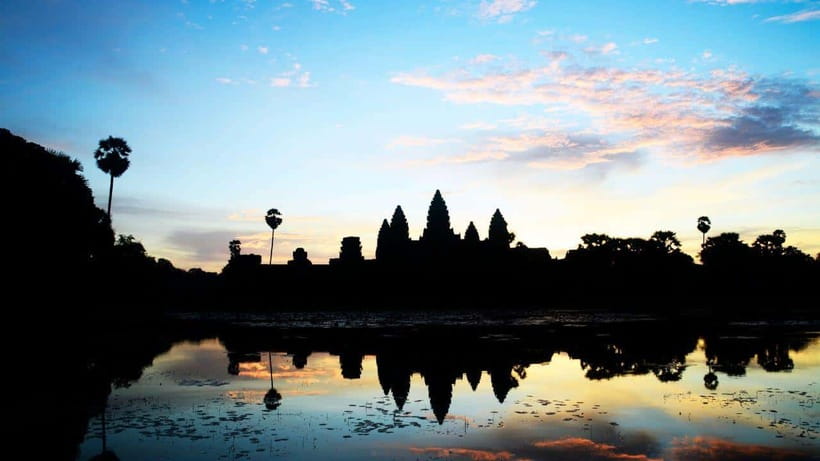
- Angkor Wat sunrise before most people arrive, plus time to explore interior corridors and terraces
- Sunset at Bakheng Temple, timed for that classic temple mountain golden light
- Banteay Srei and the Grand Circuit, where fine sandstone carvings are the star
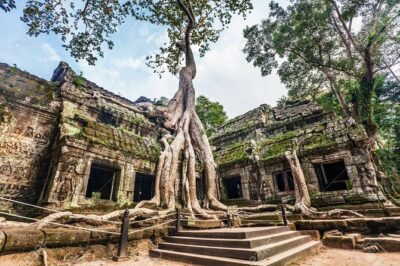
- Ta Prohm and Ta Nei, including the root-choked atmosphere people come for
- Tonle Sap Lake and Kampong Pluk, with an actual fishing village boat experience
- Seasonal flexibility for Tonle Sap, with a dry-season backup at Cambodia Phare Circus (Seat C)
Other ways to walk the great temple
- Angkor Wat Sunrise or Sunset Tour with Guide from Siem Reap★ 5.0 · 12,109 reviews
- Siem Reap: Angkor Wat: Small-Group Sunrise or Sunset Tour★ 5.0 · 9,444 reviews
- Siem Reap: Angkor Wat 2-Day Tour with Sunrise and Sunset★ 4.9 · 4,429 reviews
- Siem Reap: Full-Day Angkor Wat Guided Tour with Sunset★ 4.9 · 3,803 reviews
The Big Picture: Why This 2.5-Day Mix Works
Angkor Wat is the headline. But if you only see temples, you miss the point of the region, which is people building, adapting, and living with their landscape over centuries. This tour’s design does something smart: it concentrates your early energy on the high-impact temple moments, then uses the third day to show the water-world around Tonle Sap.
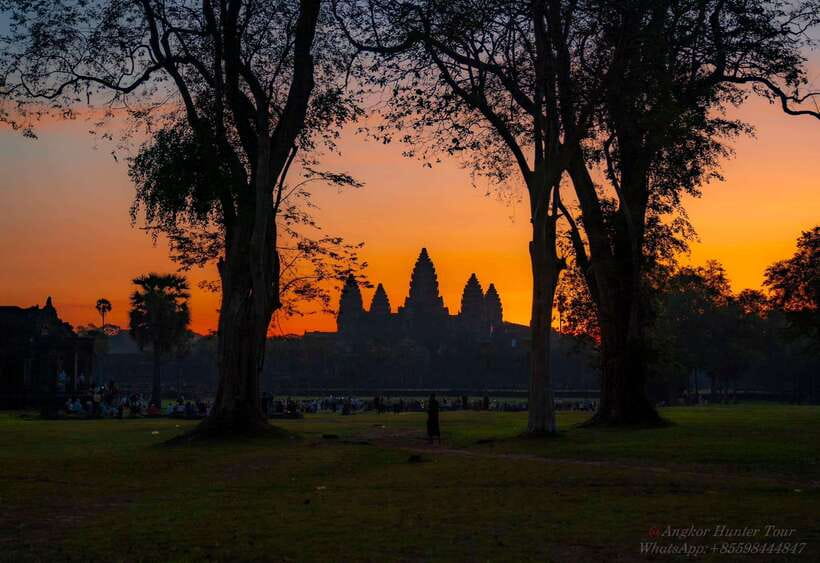
That matters for your photos too. Sunrise and sunset at Angkor are not just scenic, they change the mood of carved stone, walls, and even the trees. And Tonle Sap is a different kind of “wow.” When the water rises, the villages and forests behave like a floating system. When it drops, the whole schedule has to adjust.
You also get an “at your pace” feel. The tour is organized, with included entrances handled for the temple sequence, but it’s not a frantic bus-and-bolt style tour. Many guides on this program are praised for explaining what you’re looking at and for finding good photo stops, which is exactly what you want when you’re paying for local context.
Morning Light at Angkor Wat: Sunrise + Interior Time
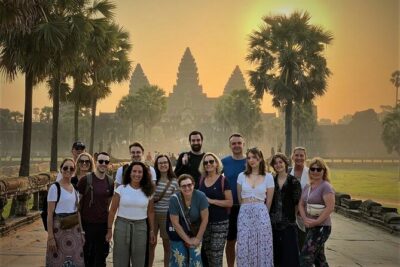
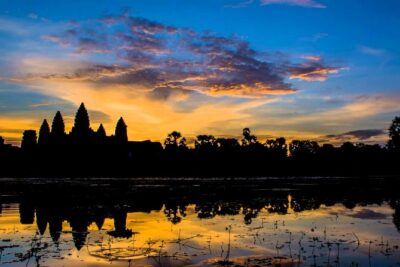
The tour’s Day 2 starts before dawn for sunrise outside Angkor Wat. You’re not just arriving at the temple and hoping for a good view. You head out early enough to soak up the atmosphere with the light shifting over stone and sky. If you like photography, this is where you’ll understand why people plan their whole Angkor trip around early hours.
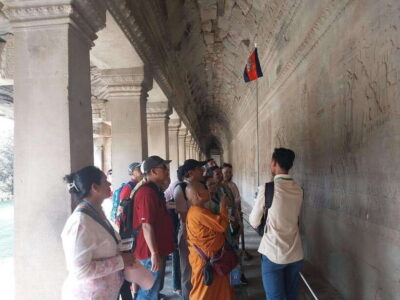
From there, you spend focused time exploring Angkor Wat itself, with a thorough window of about two hours discovering corridors, central chambers, and upper terraces. This is key. Many one-day Angkor tours skim the highlights fast. Here, the schedule gives you enough time to actually recognize patterns in the architecture and layout, rather than feeling like you’re only “passing through ruins.”
After the morning temple work, you’ll get breakfast at a local restaurant near the temple area. Meals are not included, so you’re choosing what you want to eat, but the timing helps because you’re not stuck hungry during a long walk.
Practical tip for this morning: wear the shoes you trust. The ground can be uneven around temple areas and you’ll be standing for sunrise. A simple, supportive pair beats fashionable shoes here.
The Day 1 Temple Circuit: From Re Rub to Preah Khan and Bakheng Sunset
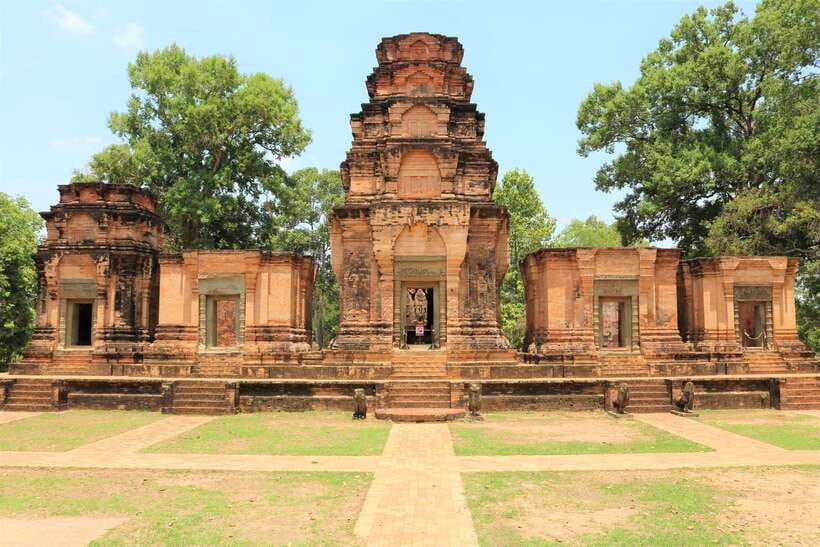
Day 1 is your “big geometry” day, the one where you build a mental map of Angkor. You start with Re Rub temple, described as a Hindu temple built as the state temple of Khmer king Rajendravarman and dedicated in 961 or early 962. That date detail matters because it reminds you these are not generic ruins. They were designed for specific rulers and ceremonies.
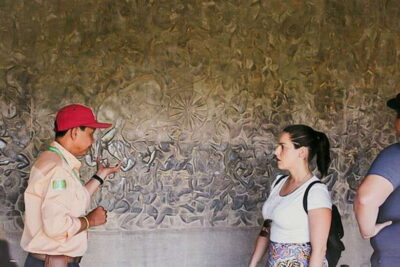
Next comes Banteay Srei. This is the smaller sandstone star of the trip, and the reliefs are described as some of the finest and most skillfully crafted in Cambodia. If you’ve ever wondered why certain temples look more “detailed” than others, this is where that clicks. Expect careful carvings, not only massive scale.
Then you move to Neak Pean, an artificial island with a Buddhist temple set on a circular island in Jayatataka Baray. This stop adds a different tone to the route. You’re shifting from Hindu temple mountain vibes toward later religious layering.
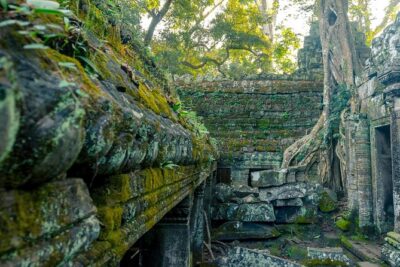
After that, you head to Preah Khan, a ruined but highly atmospheric mix of crumbling stone and tree roots. If you like temples that feel like time has reached in and changed them, this is one. It’s also a great contrast with the more finely preserved parts you see earlier.
Finally comes the payoff: sunset at Bakheng Temple on the mountain. This is where the schedule is worth it. Late day light makes the ruins feel softer, and the view from the temple area gives you context for what Angkor once meant in its larger setting.
A consideration for Day 1: sunset plans can mean longer waits for the right angle and lighting. The tour doesn’t promise luxury pacing, but it does line up the day’s stops so you can enjoy the big moments without feeling like you’re lost.
Day 2 After Sunrise: Ta Prohm and Ta Nei, the Two Mood Changes
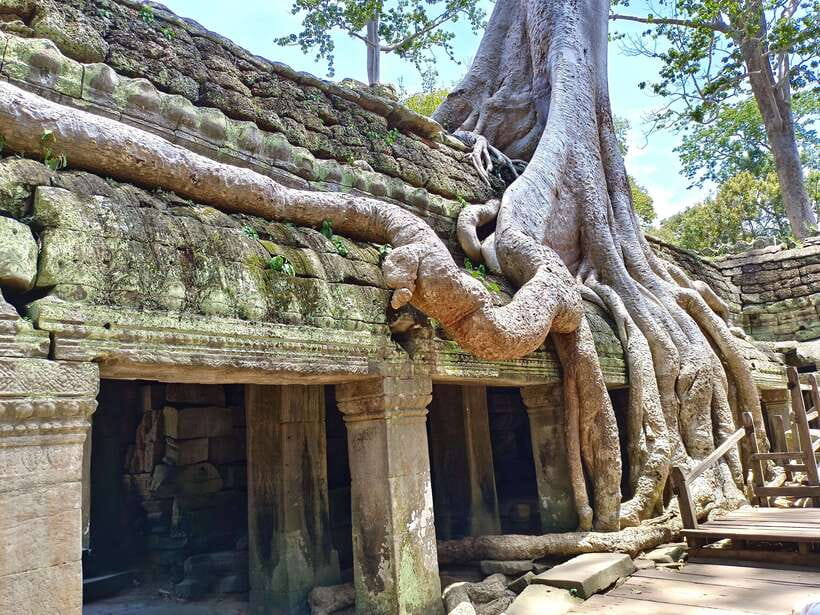
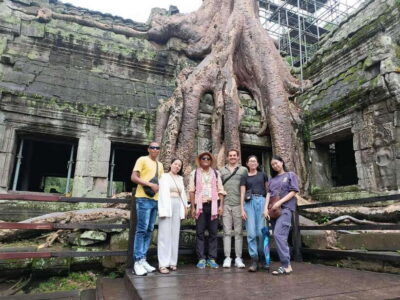
Once you’ve handled Angkor Wat early, Day 2 shifts into temple storytelling you can feel. After breakfast, you go to Ta Prohm, famously the Tomb Raider temple, known for its atmosphere and the way roots and stone interact.
This stop is more than a famous name. It’s the kind of place where your brain stops thinking in straight lines. You notice how the ruin frames the jungle, how the architecture bends under nature, and how that mix makes the site look “alive” even when it’s still very much a ruin.
Then you move on to Ta Nei, described as a long but fulfilling day ending with lifetime memories of some of the most impressive monuments built by mankind. Ta Nei is a late 12th-century stone temple dedicated to the Buddha. The practical value here is contrast. Ta Prohm often pulls people in with dramatic visuals. Ta Nei helps you see the broader religious and architectural shift over time.
If you’re the type who gets temple fatigue, pace yourself. This day can feel long because it’s still filled with walking and standing. But the change in visual mood from sunrise Angkor Wat to root-heavy Ta Prohm to Ta Nei keeps you from going numb.
Chasing the light? More dawn and dusk runs
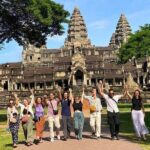
Angkor Thom and Bayon: Where the Faces and City Feeling Matter
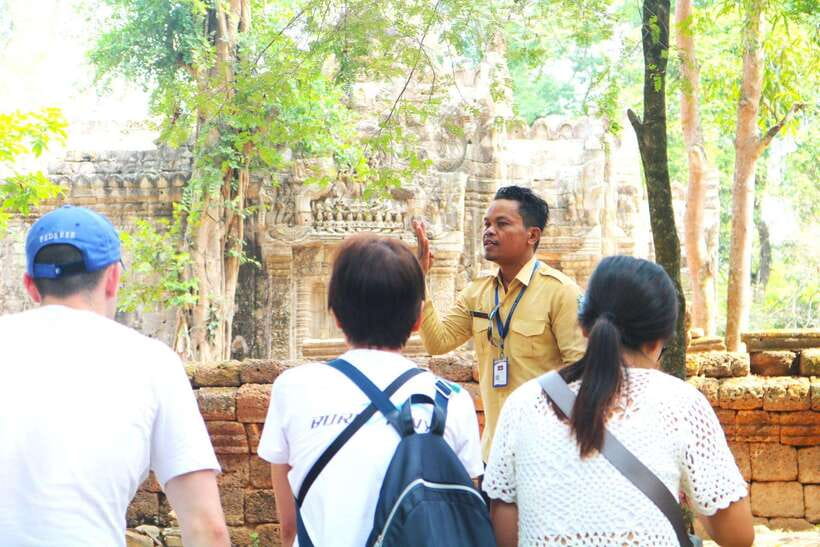
Included in the tour, you’ll visit Angkor Thom City and the magnificent Bayon temple. This is one of the most important segments because it’s not just temples as isolated monuments. It’s a sense of Angkor as a living city complex, at least as it functioned in its prime.
Bayon is the kind of temple where you notice details fast once you’ve seen enough Angkor stonework to recognize symmetry and repetition. If you’ve been staring at towers and corridors, Bayon helps you step back and see how the whole place was designed to communicate power and presence.
This stop also tends to be a favorite because it mixes iconic visual impact with a guide-led explanation that helps you understand what you’re seeing, not just what it looks like.
Banteay Srei and the Grand Circuit: The Detail People Often Miss
The Grand Circuit element, plus the dedicated time at Banteay Srei, gives you one of the best value swaps on an Angkor itinerary. Big temples are impressive, but they’re not always the most informative or the most “craft-focused.”
Banteay Srei is described as having detailed reliefs on smaller sandstone structures, regarded as the finest, most skillfully crafted in Cambodia. That makes it a great afternoon or mid-day stop because your brain can slow down and appreciate carving depth. You also get better photo opportunities with close-up work rather than only wide-angle scale.
One more reason this matters for you: it makes the trip feel less like a checkbox list. When you see both huge and tiny, formal and ruined, Hindu and Buddhist-influenced spaces, the Angkor story becomes clearer.
Tonle Sap Lake and Kampong Pluk: A Different Kind of Angkor Day 3
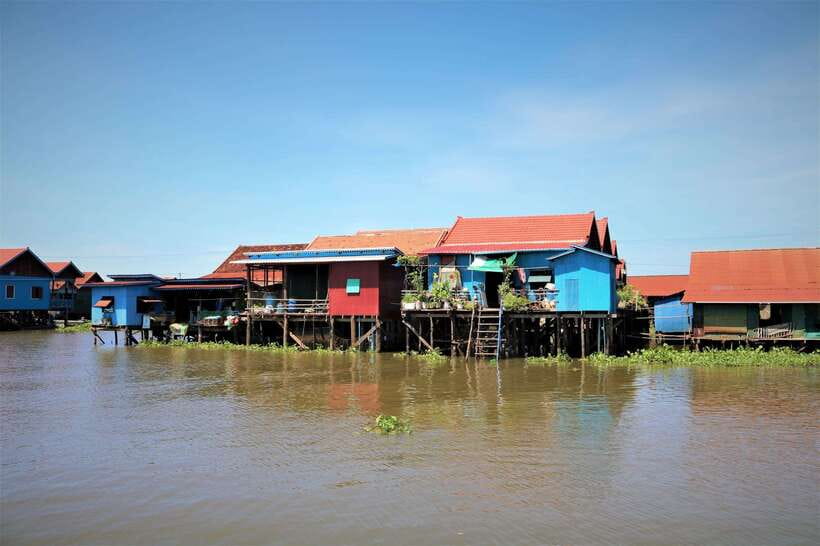
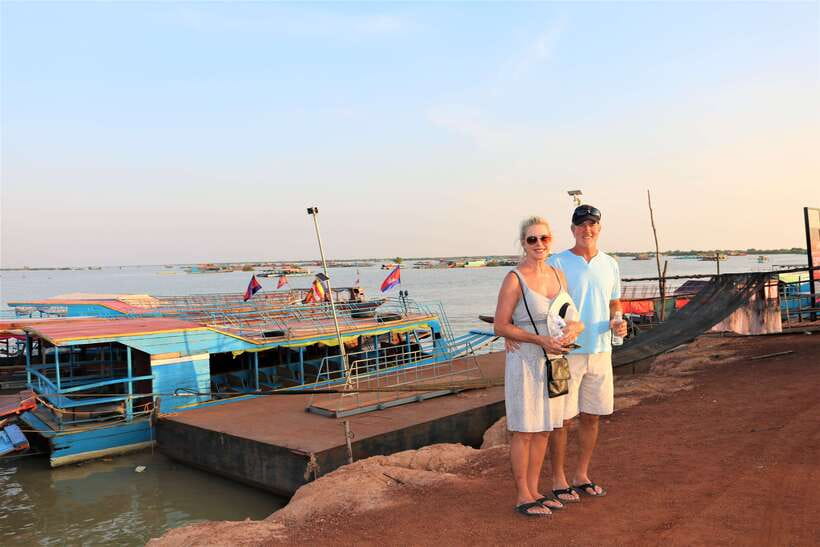
After two days focused on stone, Day 3 shifts to water and daily life. You get pickup around 8:00 AM from your accommodation in Siem Reap City and drive through the countryside toward Tonle Sap Lake.
Tonle Sap is the world’s second largest freshwater lake and it changes size dramatically. In wet season it swells to about 12,000 square kilometers, and in the dry half it shrinks to about 2,500 square kilometers, draining into the Tonle Sap River. You can feel the logic of the region immediately once you reach the boat portion.
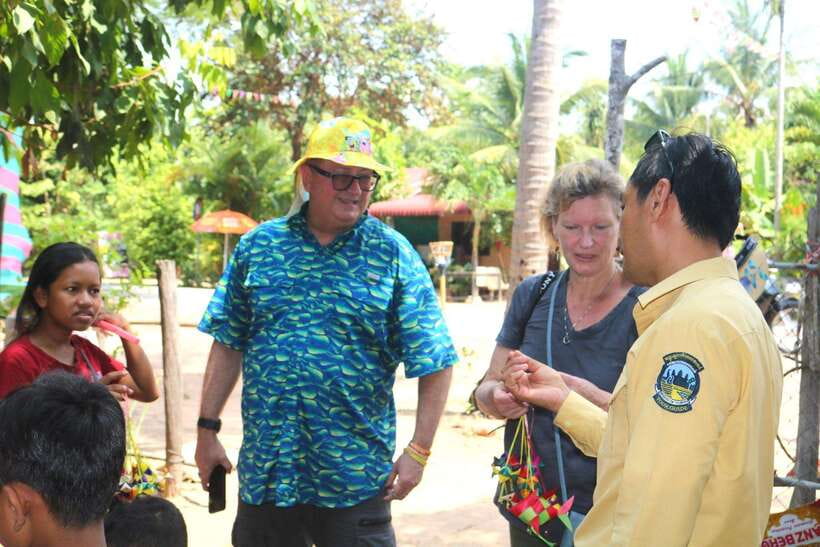
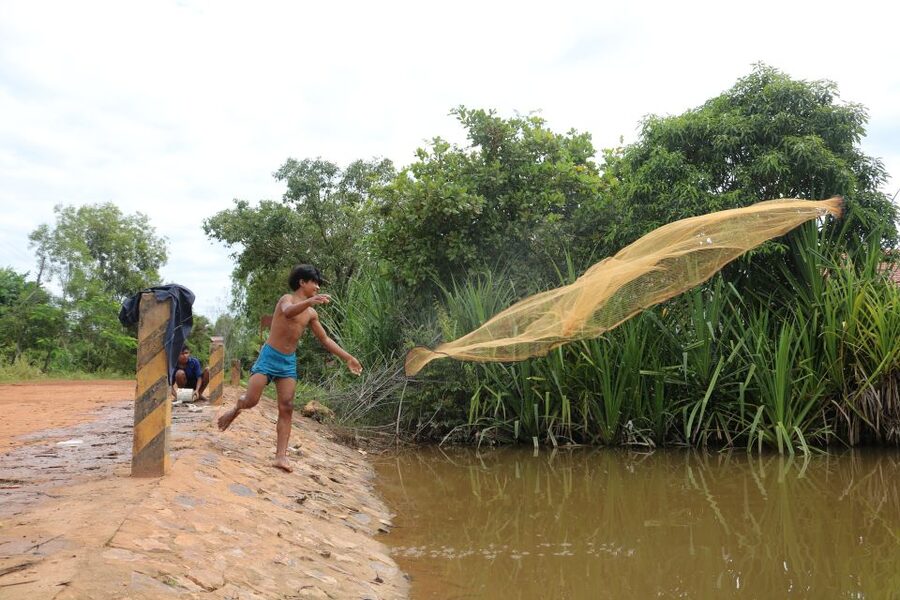
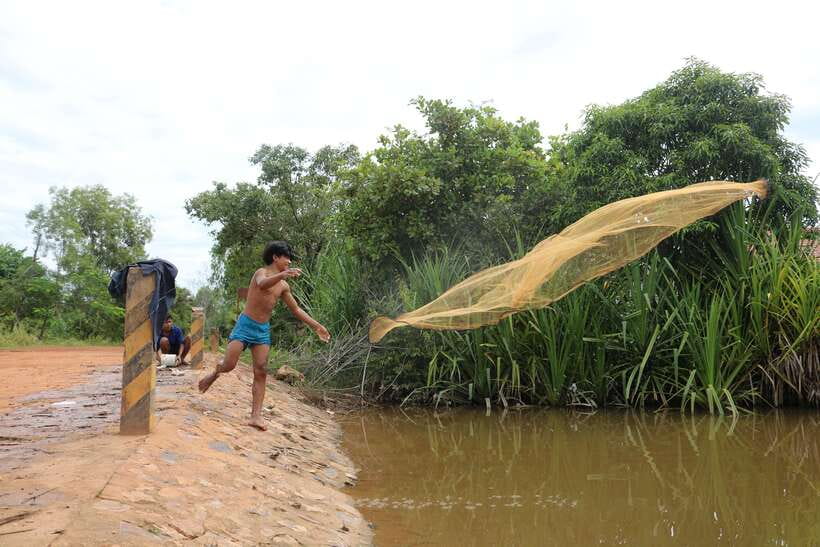
You’ll take a boat trip to Kampong Phluk, described as three small fishing villages in an atmospheric flooded forest setting. This is the part I like for real-world value. You see how families adapt their life around the water level, and a guide can help connect what you see to the rhythm of the lake.
Lunch is at your own expense, and there’s a short rest built in after the main boat time. That matters because you’re already doing a lot of walking over the previous days.
Dry season note: in March through July, water levels can change what’s possible. The alternative listed is Cambodia Phare Circus, Seat C. So the “lake day” might turn into something else depending on the season.
How the Guides and Drivers Shape the Value
This tour is not just about where you go. It’s about what you understand when you leave.
In reviews tied to this experience, names come up again and again. I’ve seen Sopheap Rath, Pal Saruon, Sokpee, Chhay, Rom, and Sam credited for explaining temple periods and construction, keeping the information well paced, and making sure the day didn’t feel like an overload.
One of the most consistently praised skills is photography help. Several guides are described as having excellent photo skills and knowing the best spots. That’s not a small perk. It changes your results from random temple snapshots to well-composed images that match the light and the layout.
Drivers also get real credit for safety and attentiveness, including one review mentioning Vichhet offering water, towels, and even a shield from rain during boarding. That kind of small care becomes important when you’re dealing with long car days, dust, heat, and early starts.
If you care about learning something practical, this is where the tour earns its money. With a good guide, you don’t just see temples. You understand why those specific shapes and decorations exist.
Price and Logistics: What You Pay For, and What You Still Need
The price listed is $69 per person for a 2.5-day experience. That’s a decent entry price for organized transportation, an English-speaking guide, hotel pickup and drop-off, and timed temple moments like sunrise and sunset.
But here’s the part you must plan for: temple entrance fees are not included. It’s listed as $62 per person for covers over 2 to 3 days, for all temples. So your real cost isn’t just the $69. It’s the total of the tour price plus the entrance package.
Also plan on meals not being included. Breakfast near the temple area is mentioned as part of the schedule, but meals are still your choice and expense.
Logistically, this tour includes air-conditioned vehicle time between sites and includes bottled water and a cool towel. That matters in Siem Reap heat. It’s one of those “small comfort” inclusions that keeps your energy up so you can focus on the sights.
One more thing: it includes skipping the ticket line. That can save real time, especially when sunrise and popular temples create bottlenecks.
What to Wear, What to Bring, and Small Rules That Save Hassle
Cambodia temples are still religious places in use, so the rules are practical.
What to bring:
- Comfortable shoes (you’ll walk)
- Insect repellent
What not to do:
- Shorts are not allowed
- Pets are not allowed
Dress respectfully by covering shoulders and knees. If you follow that, you avoid problems at entrances and you also feel more comfortable during long temple walks.
And yes, the tour is not wheelchair accessible, so plan a different option if mobility is limited.
Best Fit: Who Should Book This Tour
I think this tour fits best if you:
- Want the classic Angkor light moments, not just daytime temple hopping
- Prefer a guided experience where you get context, not only photos
- Like contrast, temples plus lake village life
- Are okay with early starts and lots of walking
It might not fit if you:
- Need full wheelchair accessibility
- Hate early mornings or long days without many breaks
- Don’t want to manage temple entrance fees and meals yourself
Should You Book It?
Yes, I’d recommend booking this if you want the most value from a short Siem Reap stay. You’re getting sunrise at Angkor Wat, sunset at Bakheng, major temple highlights like Ta Prohm, and a real day on Tonle Sap Lake at Kampong Phluk. That combination is hard to beat for a 2.5-day window.
My advice before you click confirm: budget for the $62 temple entrance fee in addition to the $69 tour price, and plan your packing around comfort, heat, and insects. If the dry-season timing (March to July) matters to you, know the lake day can shift to Cambodia Phare Circus (Seat C).
If you get one of the well-reviewed guides, the experience becomes more than “ruins and photos.” It becomes an explanation you can actually use, and that’s what turns Angkor from impressive to meaningful.
More Temple Circuits Around Siem Reap
- Angkor Wat Sunrise or Sunset Tour with Guide from Siem Reap
★ 5.0 · 12,109 reviews - Siem Reap: Angkor Wat: Small-Group Sunrise or Sunset Tour
★ 5.0 · 9,444 reviews - Siem Reap: Angkor Wat 2-Day Tour with Sunrise and Sunset
★ 4.9 · 4,429 reviews - Siem Reap: Full-Day Angkor Wat Guided Tour with Sunset
★ 4.9 · 3,803 reviews - Angkor Wat Sunrise tour with Small – Group and Guide tours
★ 5.0 · 3,655 reviews
Dawn and Dusk Over Angkor
- Angkor Wat Sunrise or Sunset Tour with Guide from Siem Reap
★ 5.0 · 12,109 reviews - Siem Reap: Angkor Wat: Small-Group Sunrise or Sunset Tour
★ 5.0 · 9,444 reviews - Sunset tour of Kampong Phluk stilts home village on the Tonle Sap
★ 5.0 · 4,865 reviews - Siem Reap: Angkor Wat 2-Day Tour with Sunrise and Sunset
★ 4.9 · 4,429 reviews - Siem Reap: Full-Day Angkor Wat Guided Tour with Sunset
★ 4.9 · 3,803 reviews
Angkor Wat, a Few More Ways In
- Angkor Wat Sunrise or Sunset Tour with Guide from Siem Reap
★ 5.0 · 12,109 reviews - Siem Reap: Angkor Wat: Small-Group Sunrise or Sunset Tour
★ 5.0 · 9,444 reviews - Siem Reap: Angkor Wat 2-Day Tour with Sunrise and Sunset
★ 4.9 · 4,429 reviews - Siem Reap: Full-Day Angkor Wat Guided Tour with Sunset
★ 4.9 · 3,803 reviews - Angkor Wat Sunrise tour with Small – Group and Guide tours
★ 5.0 · 3,655 reviews
Just Added: Fresh Siem Reap Tour Reviews

Angkor Wat Temple Tours, compared.
 ★ 5.0Angkor Wat Sunrise or Sunset Tour with Guide from Siem ReapFrom $1812,109 reviews
 ★ 5.0Angkor Wat: Small-Group Sunrise or Sunset TourFrom $159,444 reviews
 ★ 4.9Angkor Wat 2-Day Tour with Sunrise and SunsetFrom $344,429 reviews
 ★ 4.9Full-Day Angkor Wat Guided Tour with SunsetFrom $153,803 reviews
 ★ 5.0Angkor Wat Sunrise tour with Small – Group and Guide toursFrom $143,655 reviews
 ★ 5.0Angkor Wat Highlights and Sunrise Guided Tour from Siem ReapFrom $233,213 reviews
 ★ 5.0Angkor Wat Sunset Small Group Tour with Lunch IncludedFrom $203,059 reviews
 ★ 5.0Full-Day Angkor Wat Sunrise Private Tour with Guide from Siem ReapFrom $602,920 reviews
Browse the lists this tour appears in