
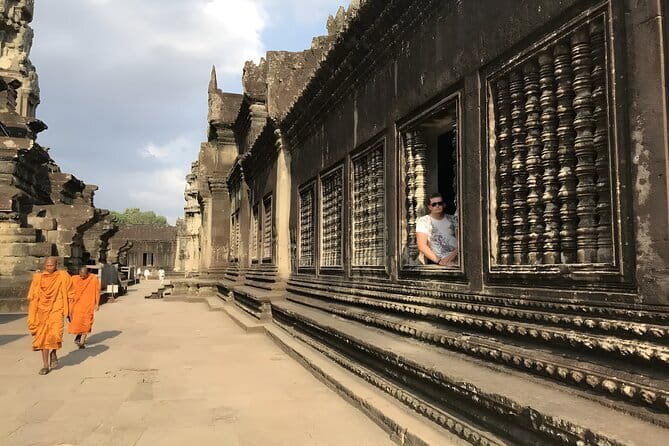
Reviewed · ANGKOR WAT TEMPLE TOURS
Angkor Wat & Small Tour with Bonteay Srei Temples
Morning at Angkor is magic. This private circuit hits the big names while a guide connects the stones to Khmer rulers, belief, and daily life. You can also build in sunrise or sunset timing, so the temples feel different at different hours, not just at peak daylight.
What I like most is the private, guide-led format, which keeps your stops efficient and your questions answered on the spot. I also appreciate the practical touches that make a long day easier, like air-conditioned transport and cold water, plus pickup and drop-off so you are not figuring out logistics at 7 a.m. One thing to plan for: entrance fees and food are not included, and you will likely need extra cash for tickets and your lunch.
Key highlights before you go
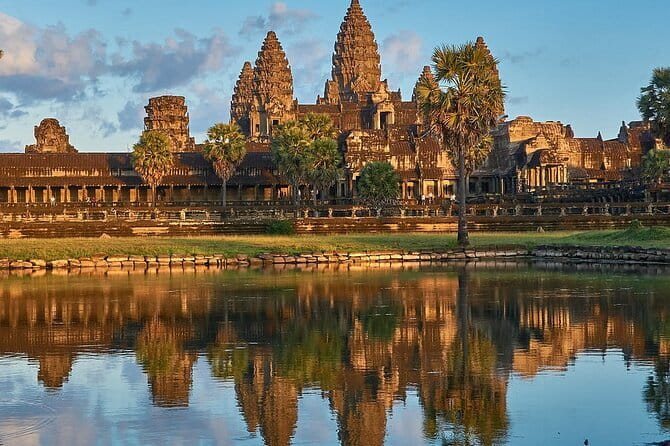
- Sunrise or sunset timing built into the day, based on your preference
- Angkor Wat, Bayon, Ta Prohm, Phnom Bakheng, and Banteay Srei in one tight plan
- A professional guide who explains how Khmer kings shaped the empire and what you are looking at
- Pickup, drop-off, and air-conditioned private transport, plus cold water
- Banteay Srei timing and dates (completed April 22, 967 AD) for a more exact feel than guesswork
Other ways to walk the great temple
- Angkor Wat Sunrise or Sunset Tour with Guide from Siem Reap★ 5.0 · 12,109 reviews
- Siem Reap: Angkor Wat: Small-Group Sunrise or Sunset Tour★ 5.0 · 9,444 reviews
- Siem Reap: Angkor Wat 2-Day Tour with Sunrise and Sunset★ 4.9 · 4,429 reviews
- Siem Reap: Full-Day Angkor Wat Guided Tour with Sunset★ 4.9 · 3,803 reviews
Why this Angkor Wat plus Banteay Srei route makes sense
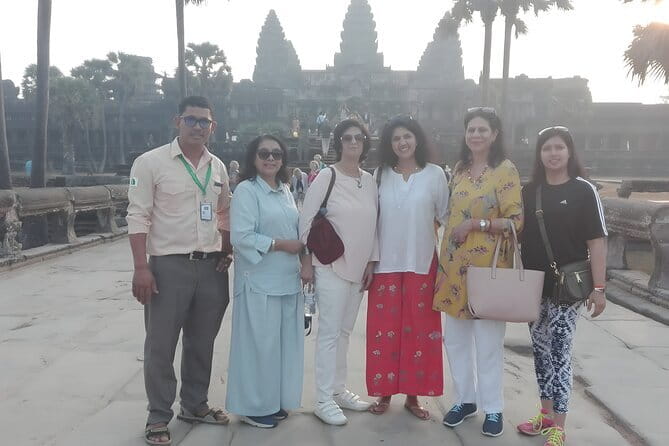
Angkor can feel like drinking from a fire hose. This tour helps because it keeps the focus on a short list of temples that tell a bigger story when you connect the dots. You are not just taking photos and moving on. The guide is there to explain the Khmer worldview in plain terms, and how rulers, religion, and architecture fit together.
I also like that the day is described as flexible and family-friendly, which matters in practice. Temples are spread out, walking adds up, and crowds can slow you down. A private setup means you can move at a pace that works for your group, instead of being dragged along on someone else’s timetable.
Finally, the value is partly in the “human math.” The listed price is $38 per person, which is attractive on paper, but the real cost is your entrance tickets plus what you eat. If you budget for that, the day becomes a decent deal for a private guide and a full circuit.
Sunrise or sunset: how timing changes what you notice
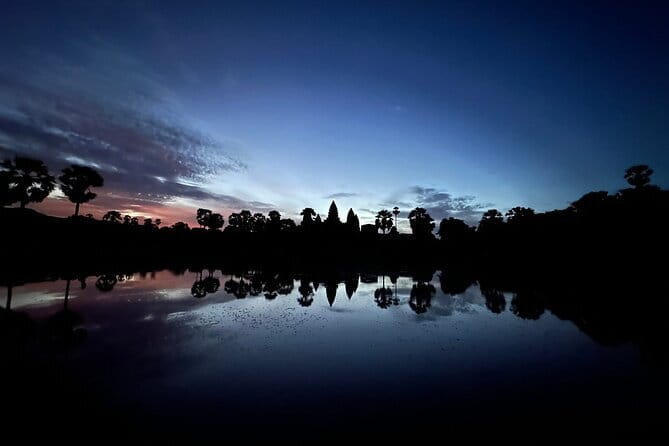
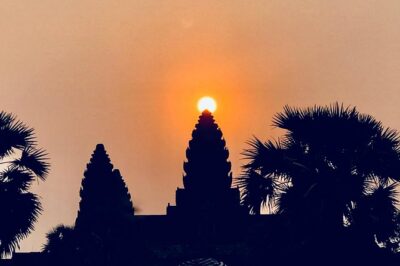
This tour is built around early morning or evening temple light, with timing arranged based on what you prefer. If you choose sunrise, it lines up with an early start to see the view in front of Angkor Wat. If you choose sunset, the schedule still gives you time to cover multiple temple stops without turning the day into a sprint.
Why does that matter? Because Angkor Wat and the surrounding temples look different when the light is low. Details pop differently on carvings and stone faces. Shadows also make the architecture easier to read, especially when the sun is not blasting everything at once.
One more practical point: sunrise days feel short but exhausting. You will want to be ready to leave early. Bring something warm if you are sensitive to morning chill, and plan to take your time on the first stop so your brain can catch up before the day accelerates.
Angkor Wat: the first stop that sets your mental map
You start with Angkor Wat, about 3 hours on site, and you can do it with sunrise if that is your plan. Angkor Wat is a temple complex and is described as the largest religious monument in the world. It was originally constructed as a Hindu temple, which is the kind of detail that helps everything after it click.
A good guide makes a difference here. The guide is not just pointing out what is obvious from a distance. The goal is to help you understand the design and symbolism, then connect it to Khmer beliefs and governance. When you know it began as Hindu architecture, the later layers feel less random and more like history writing itself over centuries.
A practical caution: Angkor Wat is big, and 3 hours can feel either perfect or tight depending on your pace and your photo habits. If you like wandering, keep your expectations realistic. The tour is built to cover more temples afterward, so you will not be able to treat Angkor Wat as a full day by itself.
Bayon and Angkor Thom: the faces and the message
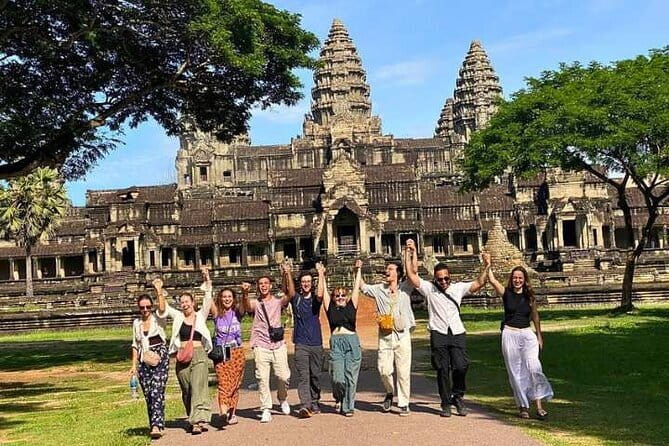
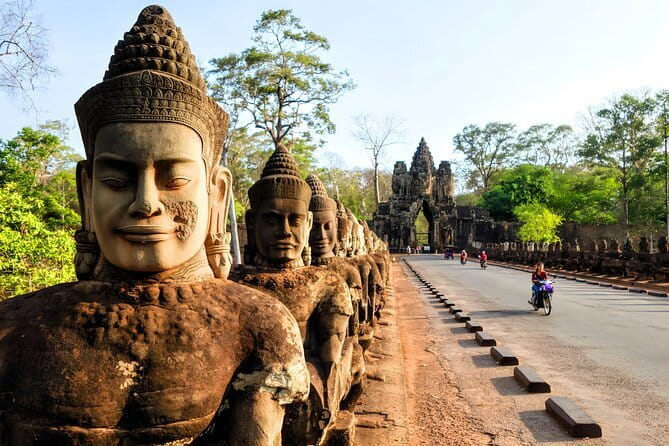
Next up is Bayon Temple, with about 1 hour 30 minutes. Bayon sits inside Angkor Thom, described as a fortified city built between the late 12th and early 13th centuries by Jayavarman VII. He is also named as a key king connected to this era.
Here is what helps you enjoy Bayon more: it is not just a place with famous stone faces. With a guide, you start thinking about why a ruler would build a capital that powerful, and what the temple architecture says about authority and belief. The stone faces become less like decoration and more like a statement you can read, once someone shows you the connections.
The typical drawback for Bayon on a tight circuit is heat and fatigue. If it is mid-day for your group, the walking and stairs can feel like a lot. This tour’s private format helps because you can slow down, take breaks, and not feel rushed by a group schedule.
More temple circuits, set side by side
Ta Prohm: trees, roots, and the “how did this survive?” feeling
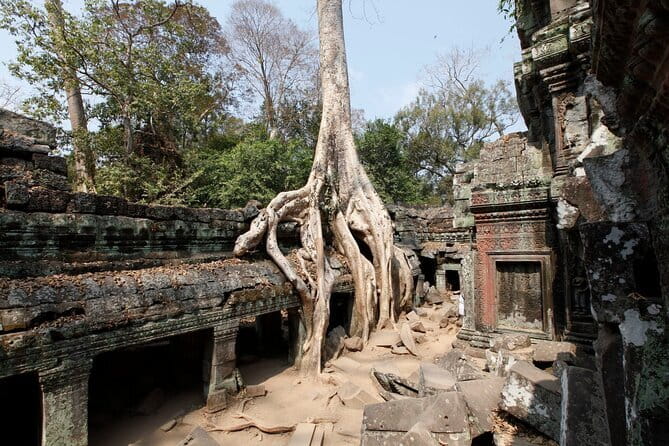
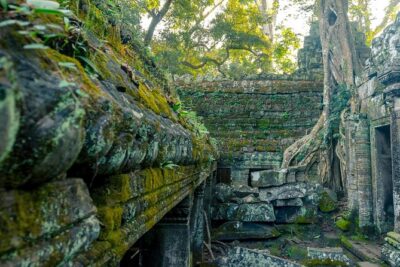
Then you move to Ta Prohm, about 1 hour 30 minutes. It is known for huge trees and massive roots growing out of the temple walls. The tour description frames Ta Prohm as a “jungle temple,” built in the late 12th and early 13th century.
Ta Prohm is the stop where the stones look alive. You do not need a big speech to enjoy it. The roots and trees create natural framing, and the contrast between carved masonry and plant growth makes the site feel different from the more formal temples.
What I would watch for during your visit is perspective. With a guide, you can better appreciate what is original versus what is plant growth interacting with the structure. That matters because Ta Prohm can feel like a movie set if you are just looking for the iconic shots. A short, focused time here works well because it lets you see the key views without losing the day to endless wandering.
Phnom Bakheng: the Shiva hilltop with a clock ticking
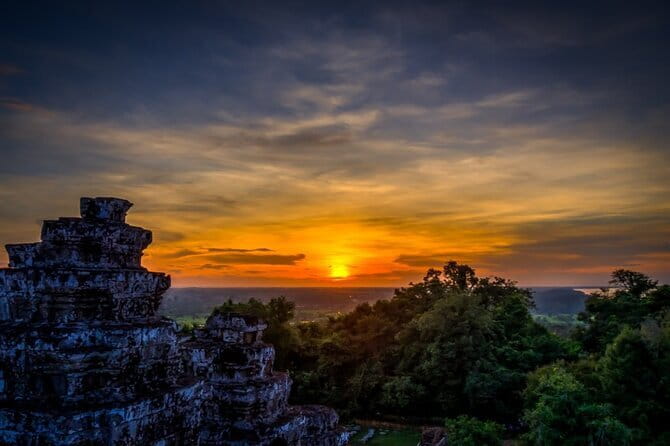
After that comes Phnom Bakheng, about 1 hour. It is a temple mountain dedicated to Shiva, built by King Yasovarman at the end of the 9th century. The tour notes that Phnom means hill or mountain, which gives you a quick language anchor before you start climbing.
This is a stop that often comes down to timing and energy. A hill temple usually means stairs, uneven stone, and a lot of views from one higher vantage point. If you are traveling with anyone who tires easily, you will appreciate the private format, because you can move carefully and pace the climb.
One consideration: in a multi-temple day, your brain can start feeling overloaded. Phnom Bakheng is only about an hour here, but it can still be mentally satisfying if you take a moment to look outward, then connect it back to Shiva dedication and the earlier temple themes.
Banteay Srei: where small details take over
The final listed temple is Banteay Srei, about 1 hour 30 minutes. The tour description includes a rare date detail: it was completed on April 22, 967 AD, and it was dedicated to Shiva. It also notes an earlier name, Tribhuvanamahesvara.
This matters because Banteay Srei often rewards people who slow down. If you like carvings, stonework, and symbolism, this is the temple where you can really appreciate fine details rather than only chasing big skyline views. In one piece of real-world feedback, the guide was praised for explaining the different kings who built temples and the carvings within the stone, and that kind of commentary fits Banteay Srei perfectly.
There is a trade-off though. If you want maximum overall coverage of Angkor, you might feel 1 hour 30 minutes is not long enough to fully soak in every detail. But for a single-day circuit that includes five stops, the time allocation is fairly sensible.
Price and value: what $38 really buys on this day
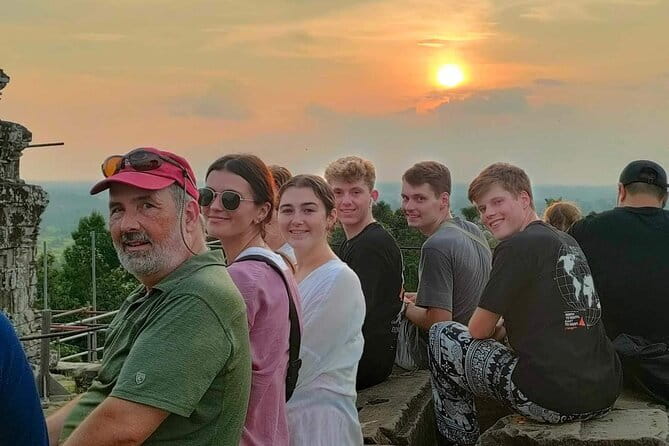
The price is listed at $38.00 per person for this private tour, and it is described as booked about 81 days in advance on average. That gives you a sense of how common it is for people to lock in a temple day early.
At the same time, remember what is not included:
- Entrance fees
- Food
- Tips
So the honest “value math” is this: you are paying for a professional guide, pickup and drop-off, air-conditioned private transport, and cold water. You are not paying for temple admission or meals. If you show up prepared with entrance tickets and money for lunch, the $38 becomes easier to justify, especially because it is a private format.
Also, the tour includes a mobile ticket, which can simplify your day at the temples. If you like smooth logistics, that’s a nice perk. If you prefer zero extra steps, still plan time for any on-site ticket handling because entrance fees are not included.
The guide makes or breaks Angkor day timing
Angkor temples are stone and scale. Stories and explanation are what help it become meaningful. This tour leans hard on a professional private guide, and the reviews you have to work with mention exactly what you want in the real world: fast communication, smooth pickup, and clear explanations.
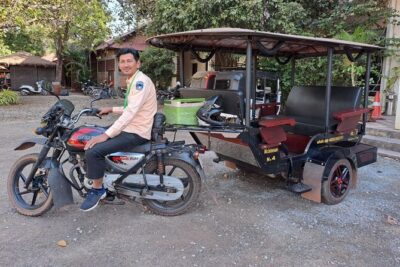
One guide name that shows up in the feedback is Phally. In a November 2025 experience, Phally messaged on WhatsApp quickly after booking, met the group early in the hotel lobby, and helped with ticket purchasing on the way. That kind of hand-holding is not flashy, but it saves time and stress when the day is already moving fast.
If you care about learning beyond surface facts, this tour format is a good match. It is designed for in-depth commentary about how Khmer kings governed and shaped the Angkor Empire, plus how religion and day-to-day life connect to what you see in the temples.
How to plan your day so it feels smooth, not frantic
This is an 8 hours 30 minutes day, and it includes multiple temple stops plus travel between them. That means your success depends on small choices.
1) Dress for heat and walking
You will want breathable clothes and comfortable shoes. Even when the transport is air-conditioned, the temples mean lots of walking and standing.
2) Hydrate early
Cold water is included, which helps. Still, I suggest taking sips steadily through the day rather than waiting until you feel thirsty.
3) Keep your “temple pace” realistic
Angkor is not a museum where you can race through. If you are the type who wants both photos and understanding, you will love the guide-led stops. Just avoid trying to cram in extra viewpoints outside the tour plan.
4) Plan lunch
Food is not included. If you do not already have lunch ideas, decide when you will eat so you do not end up hungry during the last temples.
5) Think about sunrise timing
If you choose sunrise, you are trading sleep for better light and calmer morning energy. If you choose sunset, you trade early start pressure for potentially warmer late-day conditions. Either way, the tour adjusts based on your preferred timing.
6) Bring a little patience
Even with private transport, temple days have variables. Your guide will keep things moving, but you should still allow yourself to relax and enjoy the flow.
Should you book this Angkor Wat and Banteay Srei small tour?
I think this tour is a strong choice if you want a private guide, you like clear historical context, and you only have time for a focused circuit. It hits the temples that most first-time visitors want, and it adds Banteay Srei and Phnom Bakheng so you are not just doing the same two sites over and over.
Book it if you:
- Want a manageable full day, not a two-day marathon
- Prefer a guide who explains what you see, including carvings and the roles of Khmer kings
- Care about timing and want sunrise or sunset options
Skip it or consider alternatives if:
- Your priority is only Angkor Wat and you do not want any other sites
- You are traveling with a very strict meal plan and do not want to manage food separately
- You dislike doing sunrise starts, even when it is optional
FAQ
How long is the Angkor Wat and Banteay Srei small tour?
It runs about 8 hours 30 minutes.
Does the tour include hotel pickup and drop-off?
Yes. Pickup and drop-off are included.
Are entrance fees included in the price?
No. Entrance fees are not included.
Is food included during the tour?
No. Food is not included.
Can I choose sunrise or sunset timing?
Yes. The tour can be arranged based on your preferred timing, and early morning sunrise at Angkor Wat is specifically mentioned.
Is this a private tour?
Yes. It is private, so only your group participates.
What is the cancellation policy?
Free cancellation is available up to 24 hours in advance for a full refund. If you cancel less than 24 hours before the start time, the amount you paid is not refunded.
More Tour Reviews in Siem Reap
- Angkor Wat Sunrise or Sunset Tour with Guide from Siem Reap
★ 5.0 · 12,109 reviews - Siem Reap: Angkor Wat: Small-Group Sunrise or Sunset Tour
★ 5.0 · 9,444 reviews - From Siem Reap: Kampong Phluk Floating Village Tour by Boat
★ 4.9 · 6,979 reviews - Sunset tour of Kampong Phluk stilts home village on the Tonle Sap
★ 5.0 · 4,865 reviews - Siem Reap: Angkor Wat 2-Day Tour with Sunrise and Sunset
★ 4.9 · 4,429 reviews
More Temple Circuits Around Siem Reap
- Angkor Wat Sunrise or Sunset Tour with Guide from Siem Reap
★ 5.0 · 12,109 reviews - Siem Reap: Angkor Wat: Small-Group Sunrise or Sunset Tour
★ 5.0 · 9,444 reviews - Siem Reap: Angkor Wat 2-Day Tour with Sunrise and Sunset
★ 4.9 · 4,429 reviews - Siem Reap: Full-Day Angkor Wat Guided Tour with Sunset
★ 4.9 · 3,803 reviews - Angkor Wat Sunrise tour with Small – Group and Guide tours
★ 5.0 · 3,655 reviews
Angkor Wat, a Few More Ways In
- Angkor Wat Sunrise or Sunset Tour with Guide from Siem Reap
★ 5.0 · 12,109 reviews - Siem Reap: Angkor Wat: Small-Group Sunrise or Sunset Tour
★ 5.0 · 9,444 reviews - Siem Reap: Angkor Wat 2-Day Tour with Sunrise and Sunset
★ 4.9 · 4,429 reviews - Siem Reap: Full-Day Angkor Wat Guided Tour with Sunset
★ 4.9 · 3,803 reviews - Angkor Wat Sunrise tour with Small – Group and Guide tours
★ 5.0 · 3,655 reviews
Just Added: Fresh Siem Reap Tour Reviews

Angkor Wat Temple Tours, compared.
 ★ 5.0Angkor Wat Sunrise or Sunset Tour with Guide from Siem ReapFrom $1812,109 reviews
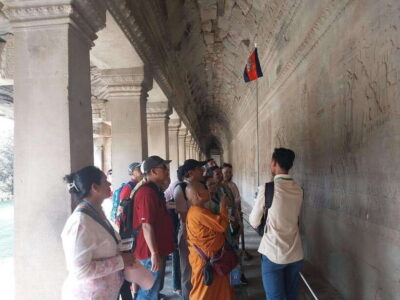 ★ 5.0Angkor Wat: Small-Group Sunrise or Sunset TourFrom $159,444 reviews
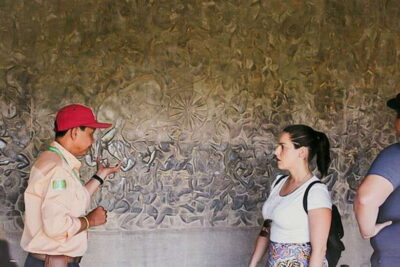 ★ 4.9Angkor Wat 2-Day Tour with Sunrise and SunsetFrom $344,429 reviews
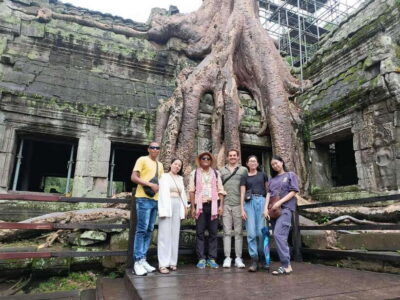 ★ 4.9Full-Day Angkor Wat Guided Tour with SunsetFrom $153,803 reviews
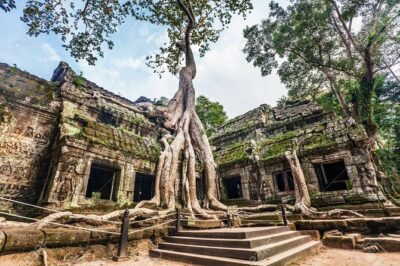 ★ 5.0Angkor Wat Sunrise tour with Small – Group and Guide toursFrom $143,655 reviews
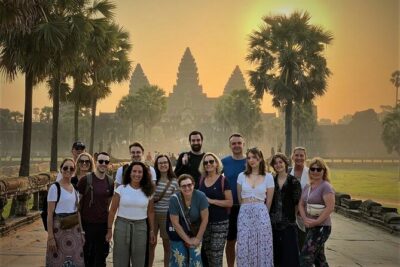 ★ 5.0Angkor Wat Highlights and Sunrise Guided Tour from Siem ReapFrom $233,213 reviews
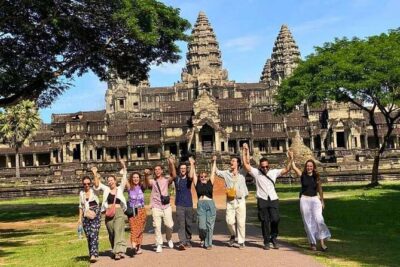 ★ 5.0Angkor Wat Sunset Small Group Tour with Lunch IncludedFrom $203,059 reviews
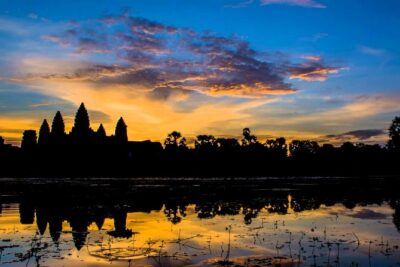 ★ 5.0Full-Day Angkor Wat Sunrise Private Tour with Guide from Siem ReapFrom $602,920 reviews