
Angkor Wat, minus the chaos. This premium tour is built around a personal driver and smarter routing so your day moves at a comfortable pace. You start early in Siem Reap and cover the big sights plus quieter stretches around the Angkor temple zone.
I especially like the way the schedule mixes major monuments with less-frequented paths and viewpoints. The guiding style also comes through in the reviews, with people calling out friendly, clear explanations from guides such as Benoît and Kim, plus a more customized feel from guides like Benedict.
The one drawback to plan for is cost at the gate. The $94 price does not include the main temple entrance ticket, which you’ll need to budget for separately.
Key highlights you should know before you go
- Small group size (max 8 travelers) for a more relaxed pace
- Pickup offered and a tour flow that keeps you moving across the Angkor area
- Premier temple lineup including Angkor Wat, Bayon, Ta Prohm, and Gate of the Dead
- Time away from crowds, helped by route choices that use back paths and quieter angles
- Food and drinks included, so you are not hunting meals mid-temple
- Village-style stop near Sra Srang, with admission included for that segment
Other ways to walk the great temple
- Angkor Wat Sunrise or Sunset Tour with Guide from Siem Reap★ 5.0 · 12,109 reviews
- Siem Reap: Angkor Wat: Small-Group Sunrise or Sunset Tour★ 5.0 · 9,444 reviews
- Siem Reap: Angkor Wat 2-Day Tour with Sunrise and Sunset★ 4.9 · 4,429 reviews
- Siem Reap: Full-Day Angkor Wat Guided Tour with Sunset★ 4.9 · 3,803 reviews
A premium Angkor Wat day that trades line-waiting for momentum
Angkor Wat is huge, and the usual way to see it can feel like a constant squeeze: arrive, wait, shuffle forward, repeat. This tour aims for the opposite. You get a premium setup with a personal driver, so you spend more time looking at carvings and towers, and less time stuck in transit or dealing with crowded bus energy.
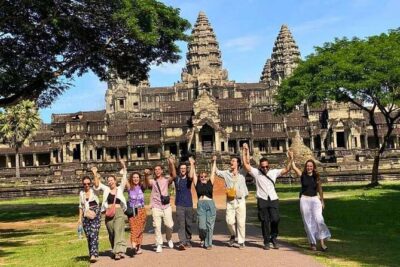
You also get a small-group feel. With a maximum of 8 travelers, the day doesn’t turn into a herd. That matters at Angkor Wat and at the heavier photo spots, where a bigger group can slow everything down and force you to follow someone else’s pace.
If you like your Cambodia experiences with real-world texture, you also get countryside flavor. The route includes quieter temple approaches, and the day has a village stop near the Sra Srang reservoir area, where you can shift from stone monuments to everyday life.
Start time, total duration, and why the early morning matters
The tour starts at 8:00 am and runs about 7 hours 30 minutes. That timing is not random. Going early helps you see temple spaces when they feel less packed, and it also means you can cover multiple sites without the day dragging.
A long day is still a long day, even with a driver. You will move from stop to stop, you will climb where paths allow, and you will spend time standing still for views and explanations. If you are sensitive to heat, plan your hydration and take short breaks as the guide suggests.
What you’re paying for: the $94 price vs. the ticket reality
At $94 per person, the tour gives you the experience framework: transportation with pickup, guiding, and food and drinks included. The big thing to understand is that temple entrance is not included in that price.
You’ll need a 1-day temple ticket ($37 per person) that covers Angkor’s temples. On top of that, the itinerary lists that Sra Srang includes admission, while most other temple stops do not. Practically, you should still budget for the main ticket because you will be visiting major temples like Angkor Wat, Bayon, Ta Prohm, and the Angkor Thom gates.
This pricing structure is actually pretty common in Siem Reap. The value is that your money goes into getting you from site to site with a smart pace, plus included meals so you can stay focused on the temples instead of planning snack breaks all day.
Your ride style and small-group comfort
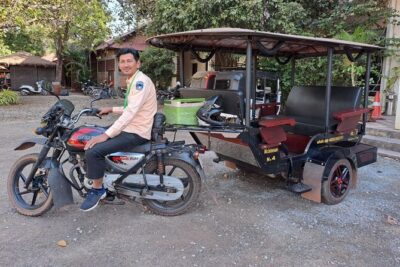
The experience is marketed as a premium ride day, and it shows up in the way the tour is described. You get that idea of zipping around the Angkor area, taking routes that go through forest-like stretches or quieter approaches.
In reviews, people highlight different vehicle styles tied to the premium options, including Vespa-style touring and electric bike options. In at least one case, a vintage jeep is mentioned for a departure style that feels more “special occasion” than typical tour van. The common thread is the driver team, described as careful and good at navigating.
For you, the practical takeaway is simple: expect less walking between far-apart points, but still plan to walk on temple paths and steps once you arrive.
More temple circuits, set side by side
Stop by stop: what you’ll see and why each place is worth your time
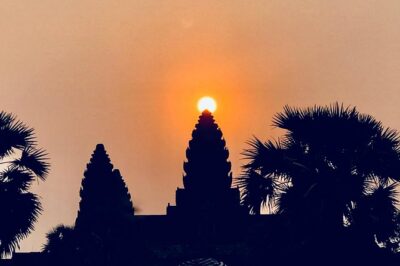
Angkor Wat: the main stage, plus quieter angles
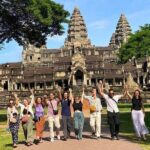
Your first stop is Angkor Wat. Admission is not included for this segment, so this is one of the places where the separate ticket matters. Angkor Wat is the big one, and the tour’s structure helps you see it with more flow than a pure “stand in lines all morning” approach.
This stop also sets the tone for the whole day. You’re not just looking at one view, you’re moving through the complex and tying in nearby highlights such as Bayon and Ta Prohm later. If you care about context, this is where your guide’s explanations can pay off because so many details repeat across the larger Angkor story.
One more thing: the tour description emphasizes exploring areas via forest or jungle routes and “hidden gems.” Even if you do not get a completely off-the-map experience, that wording is a hint that the tour is trying to reduce crowd overload through route planning.
Angkor Thom South Gate: a fast hit of Khmer capital drama
Next up is the Angkor Thom South Gate. This is a quick stop, about 15 minutes, and admission is not included for this segment.
A gate like this matters because Angkor Thom is not just another temple stop. It is the walled, central capital area, and gates are part of how the city was conceptually “entered.” In a premium day like this, the gate gives you a visual anchor before you move deeper into Angkor Thom’s heart.
Bayon Temple: the smiling faces and the human scale of the carvings
You then visit Bayon Temple, a 1-hour stop. Admission is not included.
Bayon is famous for its 216 serene stone faces, which are set across towers in a way that feels almost surreal. But what makes it work in a guided visit is how those faces connect to the rest of what you see around you: bas-reliefs with stories, mythology, and depictions of daily life.
If you are worried about temples feeling repetitive, Bayon is the one that helps break the pattern. It is still stone and still ancient, but the mood is more human. You also tend to spend time just looking up, which can be a welcome break from nonstop walking.
Terrace of the Elephants: ceremonial power in carved stone
This is a 30-minute stop at the Terrace of the Elephants, with admission not included.
Even if you only skim it at normal speed, the carvings can register quickly. The terrace was connected to royal viewing and grand processions, so it feels like a stage set for old events. If you want to understand how rulers “performed” authority, this stop helps.
It also fits well in the timeline. You have gone from a gate into the thick of Angkor Thom, seen faces at Bayon, and now you get a broad ceremonial setting that gives you more context for what you are actually looking at.
Ta Prohm: trees, ruins, and the famous camera angles
Next comes Ta Prohm, about 2 hours, with admission not included.
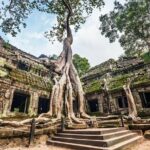
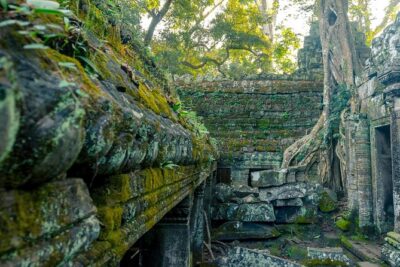
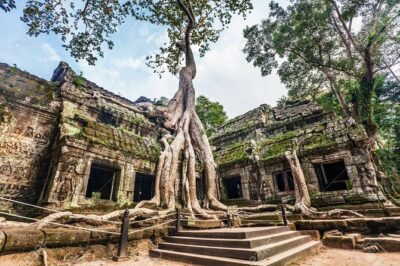
Ta Prohm is the “Tomb Raider Temple” due to its pop-culture fame, but you should still treat it as more than a movie site. The key experience here is the way trees grow around and out of the ruins. It changes how the place feels in person, especially once the light shifts through the branches.
With a premium guide and driver support, you can usually spend more time actually absorbing the site instead of being stuck in a fast, one-pass photo routine. The point is to let Ta Prohm do its job as a mood-setting temple.
Srah Srang: a calmer village and reservoir break
This is a 30-minute stop at Srah Srang. Admission is listed as included for this segment.
Srah Srang gives your day a necessary break. You go from dense temple complexes into a more peaceful setting near the reservoir. The idea here is not just scenery. It is the chance to see a quieter slice of local life with a village-style stop in the same area.
This is also where the tour’s “see more than temples” goal comes through. The included admission means you can focus on the experience without extra ticket friction.
Gate of the Dead: finishing with carvings and symbolism
Your final temple-side stop is the Gate of the Dead, about 15 minutes, with admission not included.
It is part of the wider Angkor Thom complex, and the hallmark here is the stone carvings of divine beings. This is a good last stop because it shifts you from the big-photo giants to detailed stone work and symbolic elements. It also gives the day a clean ending point before you head back.
Included food and drinks: small detail, big day-saver
The tour includes food and drinks. That is not a throwaway benefit. On a 7.5-hour temple day, the biggest stress point is usually timing around meals, not the temples themselves.
Having food and drinks handled means you can keep your energy up. It also makes the tour more enjoyable if you do not want to track down a quick snack right when you’re deep inside temple areas.
The best part is the guide and the pace
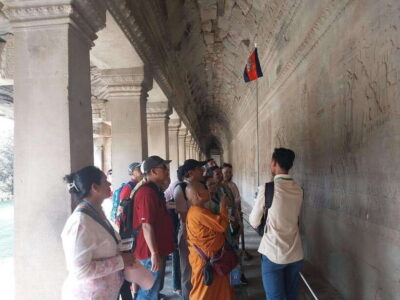
The reviews place strong emphasis on guide quality. People mention that the staff felt welcoming, that guides were kind, and that explanations helped connect Khmer history and daily-life details to what you see in front of you.
Names that come up include Benoît and Kim, plus Benedict in one review, and the vibe described is consistent: friendly, organized, and willing to adjust as the day goes. In practical terms, that means you get time where it matters, and fewer awkward moments of guessing where to go next.
Who this tour suits best
You’ll likely be happiest with this Angkor Wat Premium Tour if you:
- want a small group instead of a crowded van
- prefer a ride-based route that limits long transfers on foot
- like a mix of major highlights and quieter angles
- want food and drinks handled during a full temple day
You might want a different style if you:
- are on a strict budget and do not want to add the $37 ticket
- prefer a completely independent, slow wandering schedule with zero structure
Practical tips to make your day smoother
You do not need to overthink it, but a few choices will make the day easier:
- Wear breathable clothes and comfortable walking shoes. Even with a driver, temple ground can require more foot time than you expect.
- Bring sun protection. Many temple areas have limited shade, and your best photo moments happen when the sun is high.
- Keep your temple ticket ready on arrival. Your tour uses mobile ticket support, which is convenient once you are in the flow.
- Ask your guide about where to stand for the least crowd pressure. This tour is built for quieter routing, so use that advantage.
Should you book this Angkor Wat Premium Tour?
If you want Angkor Wat plus the key Angkor Thom and Ta Prohm stops, and you also care about not spending your day stuck in crowds, this is a strong choice. The value is in the package: driver-led routing, small group size, included meals, and a real focus on the temple area experience.
Book it if you like your day organized but not rushed, with a guide who helps you see what you are looking at. Skip it or switch to a different option if you are only interested in one or two temples and you are trying to minimize extra costs tied to the ticket system.
More Tour Reviews in Siem Reap
- Angkor Wat Sunrise or Sunset Tour with Guide from Siem Reap
★ 5.0 · 12,109 reviews - Siem Reap: Angkor Wat: Small-Group Sunrise or Sunset Tour
★ 5.0 · 9,444 reviews - From Siem Reap: Kampong Phluk Floating Village Tour by Boat
★ 4.9 · 6,979 reviews - Sunset tour of Kampong Phluk stilts home village on the Tonle Sap
★ 5.0 · 4,865 reviews - Siem Reap: Angkor Wat 2-Day Tour with Sunrise and Sunset
★ 4.9 · 4,429 reviews
More Temple Circuits Around Siem Reap
- Angkor Wat Sunrise or Sunset Tour with Guide from Siem Reap
★ 5.0 · 12,109 reviews - Siem Reap: Angkor Wat: Small-Group Sunrise or Sunset Tour
★ 5.0 · 9,444 reviews - Siem Reap: Angkor Wat 2-Day Tour with Sunrise and Sunset
★ 4.9 · 4,429 reviews - Siem Reap: Full-Day Angkor Wat Guided Tour with Sunset
★ 4.9 · 3,803 reviews - Angkor Wat Sunrise tour with Small – Group and Guide tours
★ 5.0 · 3,655 reviews
Angkor Wat, a Few More Ways In
- Angkor Wat Sunrise or Sunset Tour with Guide from Siem Reap
★ 5.0 · 12,109 reviews - Siem Reap: Angkor Wat: Small-Group Sunrise or Sunset Tour
★ 5.0 · 9,444 reviews - Siem Reap: Angkor Wat 2-Day Tour with Sunrise and Sunset
★ 4.9 · 4,429 reviews - Siem Reap: Full-Day Angkor Wat Guided Tour with Sunset
★ 4.9 · 3,803 reviews - Angkor Wat Sunrise tour with Small – Group and Guide tours
★ 5.0 · 3,655 reviews
Just Added: Fresh Siem Reap Tour Reviews

Angkor Wat Temple Tours, compared.
 ★ 5.0Angkor Wat Sunrise or Sunset Tour with Guide from Siem ReapFrom $1812,109 reviews
 ★ 5.0Angkor Wat: Small-Group Sunrise or Sunset TourFrom $159,444 reviews
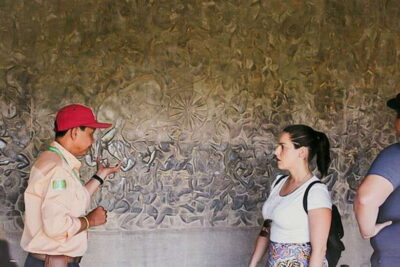 ★ 4.9Angkor Wat 2-Day Tour with Sunrise and SunsetFrom $344,429 reviews
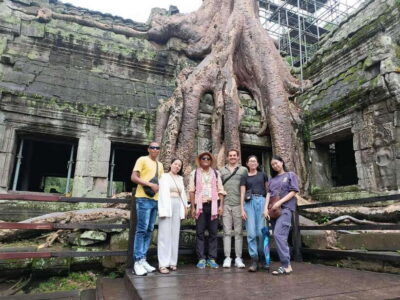 ★ 4.9Full-Day Angkor Wat Guided Tour with SunsetFrom $153,803 reviews
 ★ 5.0Angkor Wat Sunrise tour with Small – Group and Guide toursFrom $143,655 reviews
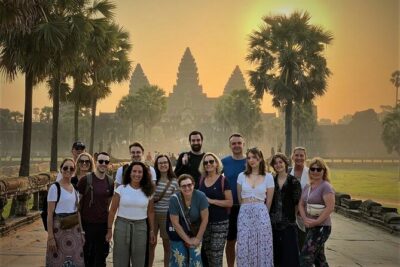 ★ 5.0Angkor Wat Highlights and Sunrise Guided Tour from Siem ReapFrom $233,213 reviews
 ★ 5.0Angkor Wat Sunset Small Group Tour with Lunch IncludedFrom $203,059 reviews
 ★ 5.0Full-Day Angkor Wat Sunrise Private Tour with Guide from Siem ReapFrom $602,920 reviews