

Reviewed · ANGKOR WAT TEMPLE TOURS
Angkor Wat: 2-Day Sunrise and Floating Village Tour
One sunrise changes how you see Angkor. This 2-day small-group tour pairs early light at Angkor Wat with a guided temple circuit, then shifts to Tonle Sap’s stilted life and optional mangrove boat time. I love the small-group pace and I love how the English-speaking guides keep Khmer history clear, fun, and useful for photos.
The only real catch is timing and weather. Pickup is early and the tour runs rain or shine, so you’ll want to be ready for humidity and sudden showers, especially on Day 1.
Key things that make this tour worth your time
- Sunrise-first Angkor Wat with an early start that helps you beat the biggest crowds
- English-speaking guidance that explains what you are seeing and where to stand for photos
- Cold water and cold towels after temple stops, which helps more than you think in the heat
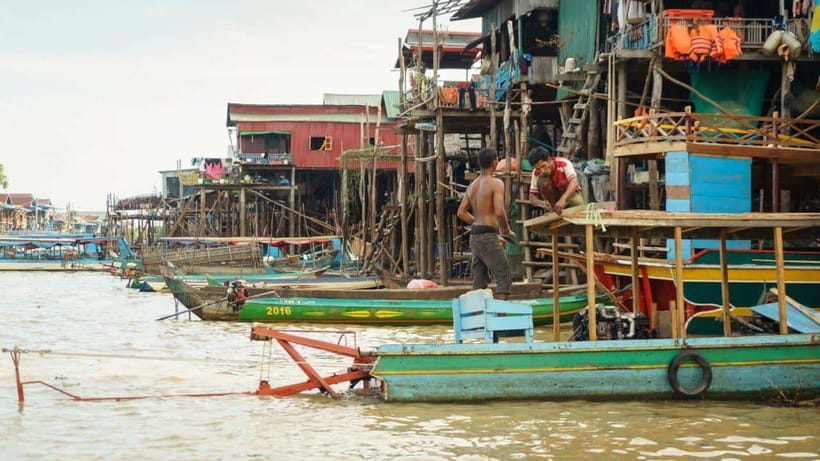
- Tonle Sap floating village visit with views of stilted homes, floating hospital, and fishery life
- Optional flooded mangroves boat tour when conditions allow, plus a lakeside sunset finish
- Small group size (10 max) so you spend more time looking and less time herding
Other ways to walk the great temple
- Angkor Wat Sunrise or Sunset Tour with Guide from Siem Reap★ 5.0 · 12,109 reviews
- Siem Reap: Angkor Wat: Small-Group Sunrise or Sunset Tour★ 5.0 · 9,444 reviews
- Siem Reap: Angkor Wat 2-Day Tour with Sunrise and Sunset★ 4.9 · 4,429 reviews
- Siem Reap: Full-Day Angkor Wat Guided Tour with Sunset★ 4.9 · 3,803 reviews
Why this 2-day plan works: temples early, lake life at sunset
This is one of those rare tours that understands two different kinds of travel days. Day 1 is about sensory intensity and stone detail. Day 2 is about scale and everyday living on water.
I like that the schedule is built around the big daily moods. You get the spiritual calm of sunrise at Angkor Wat first, then later you move through Angkor Thom, Ta Prohm, and other major stops. After that, Tonle Sap feels totally different, with boats, water-level houses, and mangroves shaping what life looks like.
It also matters that this is a small group. With up to 10 people, you can actually hear your guide over the traffic noise, and the driver can keep everyone moving without losing half the group at every photo stop.
Angkor Wat main entrance at sunrise: what you’re really signing up for
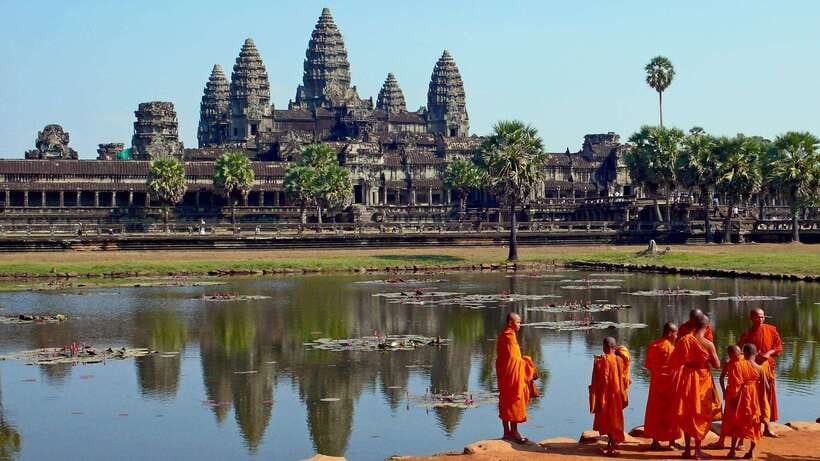
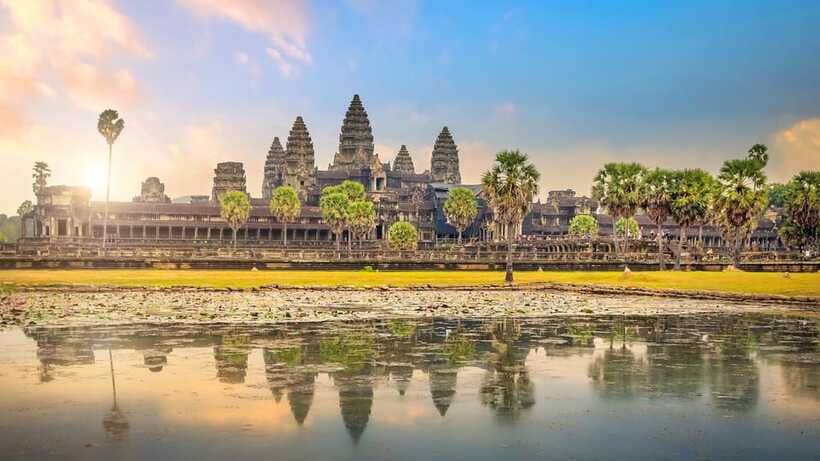
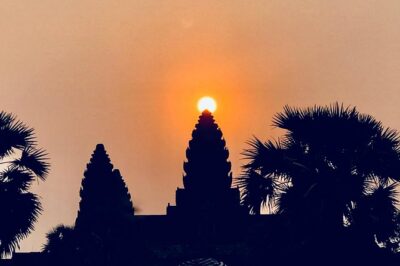
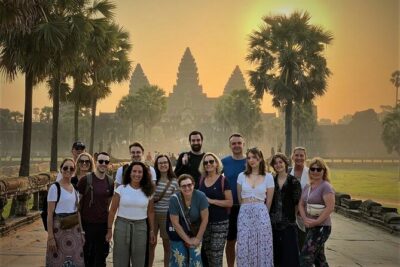
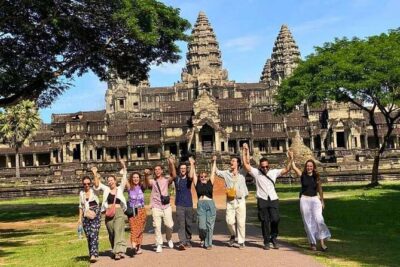
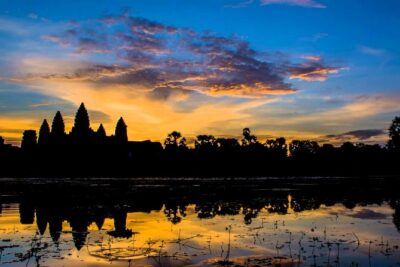
The day starts with an early pickup and a trip to the main entrance of Angkor Wat before the world gets loud. The goal is simple: you want the first light when the temple colors look softer and the whole complex feels less crowded than later in the day.
What makes this part special is not just the view. Your guide frames what you are looking at, so the sunrise becomes a way to understand the place, not just a postcard moment. If you like photography, this timing helps you get strong temple lines without fighting the busiest flow.
Bring comfortable shoes. The walking is real, and sunrise means you are starting when it is still cool, then it heats up fast once the sun climbs. A hat and light, breathable clothes are worth the space in your day bag.
Angkor Thom South Gate, Bayon, and Baphoun: faces, gateways, and context
After sunrise, you head to the South Gate of Angkor Thom, which acts like a dramatic entry point to the next phase. This is where Angkor shifts from viewing one grand structure to understanding an entire urban plan, with gates, courtyards, and multiple temples in one sweep.
From there, you visit Bayon and Baphoun. Bayon is famous for its faces, and your guide’s job is to point out what those features are doing and how Khmer builders approached symbolism in stone. Baphoun adds a different flavor, more of the “temple as tower” feeling, so your brain does not get stuck in one visual theme.
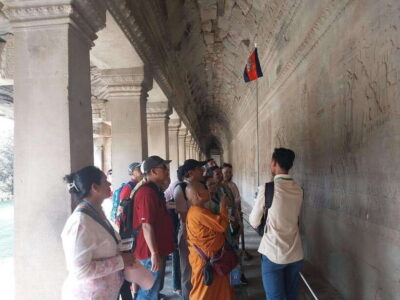
I like that you get history while you walk. It keeps the stops from feeling like a checklist. It also gives you something to ask about when you pause for photos, since your guide has clear explanations and time for questions.
Lunch plus the stone terraces: Elephant Terrace and Leper King
Between the morning temples and the afternoon highlights, you get lunch. It’s a welcome break, especially because Day 1 moves from one “wow” stop to another. Eating before the afternoon helps you stay present, not just surviving the heat.
Then it is on to two stops that many people remember for the details. The Terrace of the Elephant brings you closer to the feel of ceremonial space, while the Terrace of the Leper King is the kind of site where your guide can connect legends and stone carvings to how people once used these areas.
This is also a good stretch of the day to slow down. Don’t rush only for the next photo. Step back, look for patterns in the carvings, and let the guide’s pacing work. With the right attitude, these terraces start to feel like chapters, not just platforms.
Also watch for the practical win: the tour includes cold water and a cold towel. It is one of those small things you notice immediately, especially after midday temple walking.
Chasing the light? More dawn and dusk runs
Ta Prohm and Banteay Kdei: where the ruins feel alive
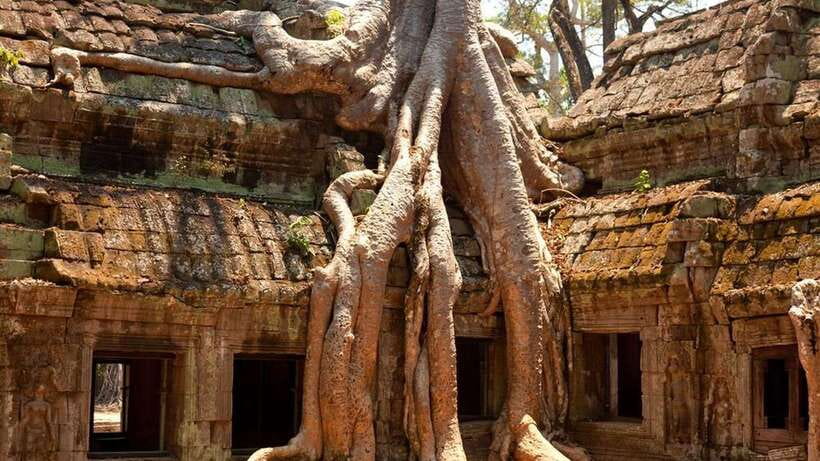
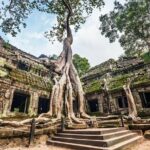
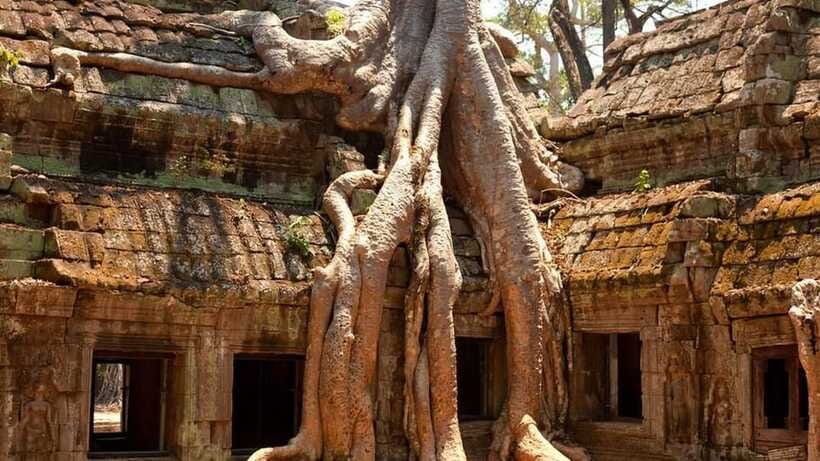
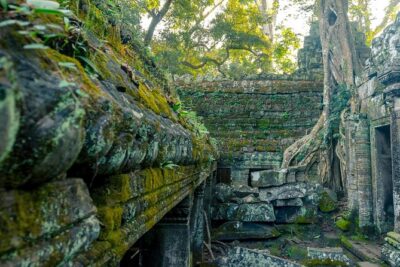
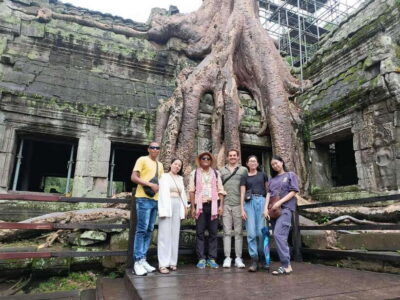
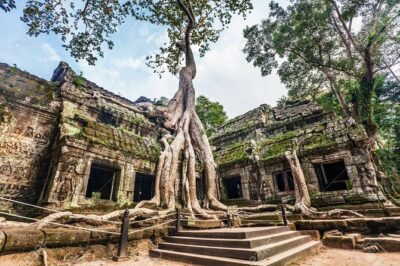
In the afternoon, the tour visits Ta Prohm. If you have ever seen that iconic scene of trees growing through temple stone, this is the real experience behind the photos. Your guide helps you see beyond the spectacle, so you notice how the vegetation interacts with the layout and why this temple feels different from the more open stone giants earlier in the day.
Next comes Banteay Kdei, another temple stop that balances the day. Ta Prohm can pull your attention toward one dramatic visual. Banteay Kdei helps you widen your view, so you do not leave Angkor with only one image stuck in your head.
If you care about photography, this part of the route is where photo angles matter most. A good guide will help you choose positions that avoid the biggest crowds while still giving you strong composition. If you want personal photo time, ask early and then stay aware of the group pace so you do not get left behind.
Tonle Sap Lake and the floating village: learning what life looks like on water
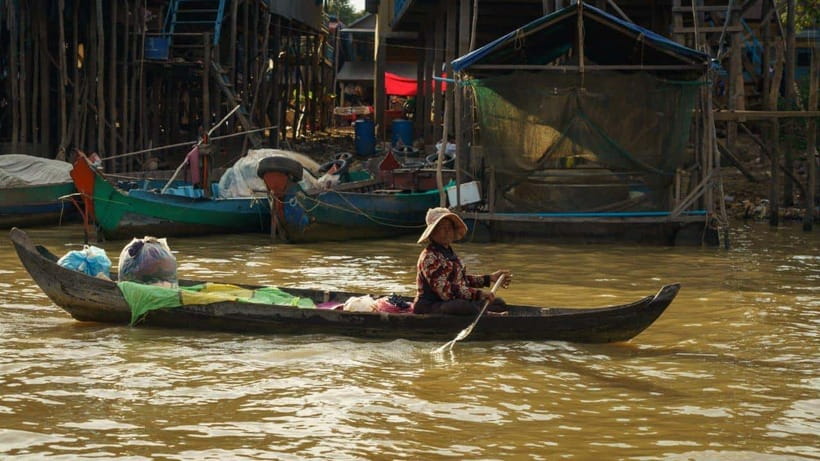
Day 2 trades temple stone for water-level reality. You head to Tonle Sap Lake, the biggest freshwater lake in Southeast Asia, and then continue to the floating village.
Here you will see tall, stilted homes and day-to-day life shaped by the water. The tour specifically highlights the floating hospital and the fishery, which helps you understand the floating village as a community, not a spectacle. Mangrove forest natural scenery also plays a role, because the lake’s ecosystem affects what people can do and where they can build.
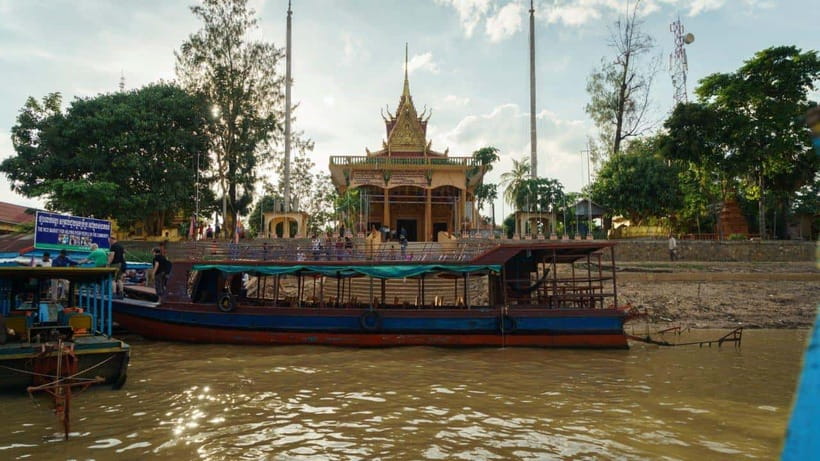
Your boat time is built in, with a 2-hour boat trip included. Boats are where you really feel the scale of the lake and the practical logic of the village layout. Even if you are not a boat person, this part is the quickest way to understand the setting.
Optional flooded mangroves and the sunset finish
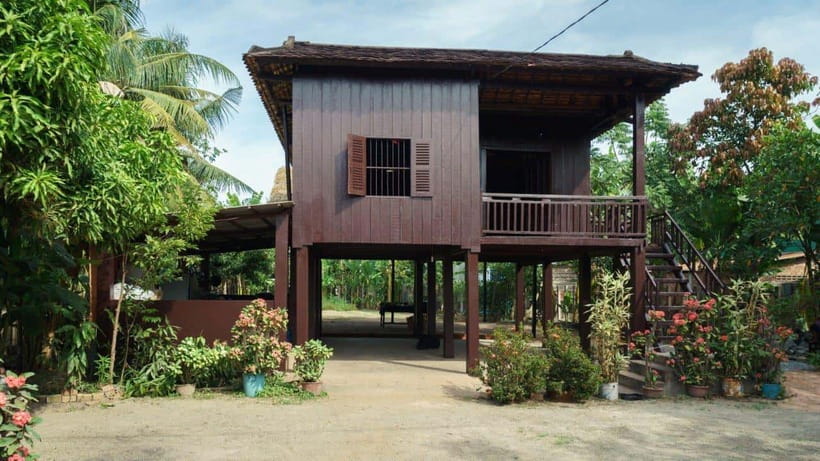
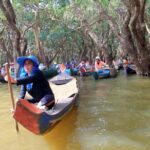
If conditions allow, there is an optional mini tour through the flooded mangroves forest. This is where you get a chance to spot local fauna and flora and feel how the lake and forest work together. Even when you stay on the planned route, you still end the day with a lakeside sunset moment.
The sunset over Tonle Sap is not just pretty. It gives your brain a time to digest the whole two days. Angkor can be loud in your mind, full of detail and symbols. The lake is wider, quieter, and more about daily rhythm.
One practical note from the tour’s real-world nature: this second day can feel different depending on weather, and the optional mangroves plan may vary. If you strongly want that add-on, it helps to stay flexible in your mindset.
Comfort and practical tips that make the tour feel easy
Even if this is a short two days, it is packed. The difference between a good day and a tiring one is mostly comfort.
Wear comfortable shoes you can move in for long temple walks. Bring a hat because sunrise and midday sun both hit hard. Bring a camera if you want to capture faces, carvings, and stilt homes. Comfortable clothes help, too, because you will go through a hot-to-warm rhythm quickly.
Also plan for group flow. The tour is limited to 10 participants, and that is a huge factor in why it feels organized. You’ll get better photos if you trust your guide’s timing, not if you sprint ahead.
And yes, the included cold water and cold towels help in a very real way. After temple stops, they make it easier to keep your focus on the next sight instead of just counting minutes until the ride.
Guides, drivers, and why the small group matters
This tour leans hard on human quality. The guides are English-speaking and are praised for clear explanations, humor, and the ability to keep everyone together, even when the pace gets busy.
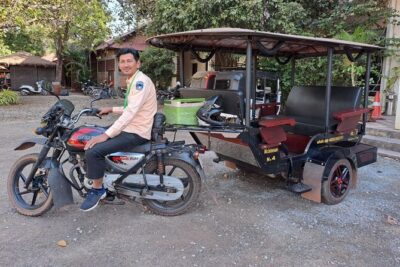
You might hear names like San, Sen Prourng, Mr. T, or Tear/Teah as guides, depending on your departure date. Drivers may be known by nicknames like James Bond or names like Tim. The best part is not the name, it is the job they do: taking care of group timing, helping you choose photo spots, and answering questions with real clarity.
If you like asking why things were built or how communities work, this is the sort of tour where your questions actually get treated as part of the experience, not a distraction.
Price and value at about $49 per person
At $49 per person, this tour can feel like a steal when you look at what is included. You get an air-conditioned vehicle, an English-speaking guide, cold water and cold towels, hotel pickup and drop-off in Siem Reap city area, and a 2-hour boat trip.
The key catch is what is not included. Entrance tickets and food are not part of the price. That means you should budget separately for entry fees and meals. If you are doing this on a tight travel budget, plan your food costs in advance so there are no surprises.
Still, for a two-day plan that covers multiple major Angkor temples plus Tonle Sap and a boat segment, the value comes from the guided structure. You are paying for more than transport. You are paying for someone to connect the dots between carvings, temple layouts, and how people live on the lake.
Who should book this tour, and who should skip it
This tour is best for you if you:
- Have only a short time in Siem Reap and want sunrise plus major temples
- Like guided context, not just looking at ruins from the bus window
- Want a meaningful second day that goes beyond temples into community life
It is less ideal if you:
- Need wheelchair access, since it is not suitable for wheelchair users
- Are pregnant, since it is not suitable for pregnant women
- Hate early mornings or you know you are sensitive to heat and rain (the tour runs rain or shine)
If you want a mix of iconic Angkor highlights and a real look at lake life, this hits the balance well.
Should you book this Angkor Wat sunrise and floating village tour?
I would book it if you want two concentrated days with a plan that respects both timing and variety. Sunrise at Angkor Wat is the kind of moment that pays off immediately, and the Day 2 Tonle Sap floating village makes the trip feel like more than just ruins.
Book it with realistic expectations, though. Entrance tickets and food are separate, you will walk a fair amount, and the schedule is weather-dependent in how the optional mangroves segment works.
If you can handle early pickup and you like having an English-speaking guide bring meaning to what you see, this is a strong choice at this price. You’ll get both the big Angkor memories and the quieter, human scale of life on Tonle Sap.
FAQ
What’s included in the tour price?
The tour includes an air-conditioned vehicle, an English-speaking tour guide, cold water and a cold towel, a 2-hour boat trip, and hotel pickup and drop-off in the Siem Reap city area.
Are Angkor Wat and temple entrance tickets included?
No. Entrance tickets are not included.
Is food included?
No. Food is not included.
How long is the boat trip on Day 2?
The included boat trip is 2 hours.
What’s the group size?
The group is limited to 10 participants.
Does the tour run in rain?
Yes. It takes place rain or shine.
More Temple Circuits Around Siem Reap
- Angkor Wat Sunrise or Sunset Tour with Guide from Siem Reap
★ 5.0 · 12,109 reviews - Siem Reap: Angkor Wat: Small-Group Sunrise or Sunset Tour
★ 5.0 · 9,444 reviews - Siem Reap: Angkor Wat 2-Day Tour with Sunrise and Sunset
★ 4.9 · 4,429 reviews - Siem Reap: Full-Day Angkor Wat Guided Tour with Sunset
★ 4.9 · 3,803 reviews - Angkor Wat Sunrise tour with Small – Group and Guide tours
★ 5.0 · 3,655 reviews
Dawn and Dusk Over Angkor
- Angkor Wat Sunrise or Sunset Tour with Guide from Siem Reap
★ 5.0 · 12,109 reviews - Siem Reap: Angkor Wat: Small-Group Sunrise or Sunset Tour
★ 5.0 · 9,444 reviews - Sunset tour of Kampong Phluk stilts home village on the Tonle Sap
★ 5.0 · 4,865 reviews - Siem Reap: Angkor Wat 2-Day Tour with Sunrise and Sunset
★ 4.9 · 4,429 reviews - Siem Reap: Full-Day Angkor Wat Guided Tour with Sunset
★ 4.9 · 3,803 reviews
Angkor Wat, a Few More Ways In
- Angkor Wat Sunrise or Sunset Tour with Guide from Siem Reap
★ 5.0 · 12,109 reviews - Siem Reap: Angkor Wat: Small-Group Sunrise or Sunset Tour
★ 5.0 · 9,444 reviews - Siem Reap: Angkor Wat 2-Day Tour with Sunrise and Sunset
★ 4.9 · 4,429 reviews - Siem Reap: Full-Day Angkor Wat Guided Tour with Sunset
★ 4.9 · 3,803 reviews - Angkor Wat Sunrise tour with Small – Group and Guide tours
★ 5.0 · 3,655 reviews
Just Added: Fresh Siem Reap Tour Reviews

Angkor Wat Temple Tours, compared.
 ★ 5.0Angkor Wat Sunrise or Sunset Tour with Guide from Siem ReapFrom $1812,109 reviews
 ★ 5.0Angkor Wat: Small-Group Sunrise or Sunset TourFrom $159,444 reviews
 ★ 4.9Angkor Wat 2-Day Tour with Sunrise and SunsetFrom $344,429 reviews
 ★ 4.9Full-Day Angkor Wat Guided Tour with SunsetFrom $153,803 reviews
 ★ 5.0Angkor Wat Sunrise tour with Small – Group and Guide toursFrom $143,655 reviews
 ★ 5.0Angkor Wat Highlights and Sunrise Guided Tour from Siem ReapFrom $233,213 reviews
 ★ 5.0Angkor Wat Sunset Small Group Tour with Lunch IncludedFrom $203,059 reviews
 ★ 5.0Full-Day Angkor Wat Sunrise Private Tour with Guide from Siem ReapFrom $602,920 reviews
Browse the lists this tour appears in