
Reviewed · ANGKOR WAT TEMPLE TOURS
2 Day Angkor Wat Kulen Mountain Beng Mealea Floating Village Tour
Temple dawns hit different here. This 2-day Siem Reap tour strings together world-famous Angkor sights, big nature moments on Kulen Mountain, and a Tonle Sap floating village boat ride, all with a guide who turns stops into stories. You’ll start before sunrise, then spend the next day chasing waterfalls, stone ruins, and stilt-house life.
What I like most is the timing. Angkor Wat starts early enough that you see the temple at its best, not jammed with mid-morning tour groups. I also love that the day isn’t only temples, because the tour adds Kulen Mountain and the Kampong Phluk boat visit, so you get Cambodia’s nature and daily life too.
One consideration: expect a very early pickup (around 4:30 am) and a packed schedule across two long days. If you hate waking up in the dark or you need lots of downtime between stops, you’ll feel it.
Key Highlights You’ll Notice Fast
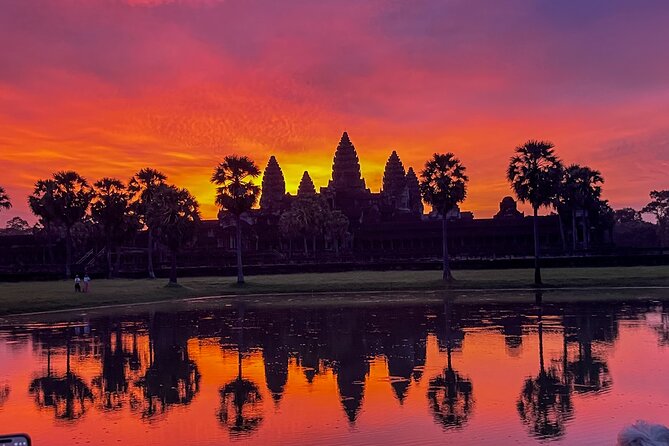
- Angkor Wat at sunrise, timed for great views and better photo chances before the crowds build
- Real guide time, with English-speaking guides praised for care, explanations, and even taking photos for you
- Kulen Mountain sacred stops, including the reclining Buddha and the 1000 Lingas in the riverbed
- Phnom Kulen waterfall breaks, with pools and time to enjoy the mountain scenery (and a chance to cool off)
- Beng Mealea’s ruin-meets-jungle vibe, a slower, rawer contrast to the restored temples
- Kampong Phluk on Tonle Sap, a boat journey to stilt houses and floating village routines
Other ways to walk the great temple
- Angkor Wat Sunrise or Sunset Tour with Guide from Siem Reap★ 5.0 · 12,109 reviews
- Siem Reap: Angkor Wat: Small-Group Sunrise or Sunset Tour★ 5.0 · 9,444 reviews
- Siem Reap: Angkor Wat 2-Day Tour with Sunrise and Sunset★ 4.9 · 4,429 reviews
- Siem Reap: Full-Day Angkor Wat Guided Tour with Sunset★ 4.9 · 3,803 reviews
The 4:30 am Angkor Wat start, and why it matters
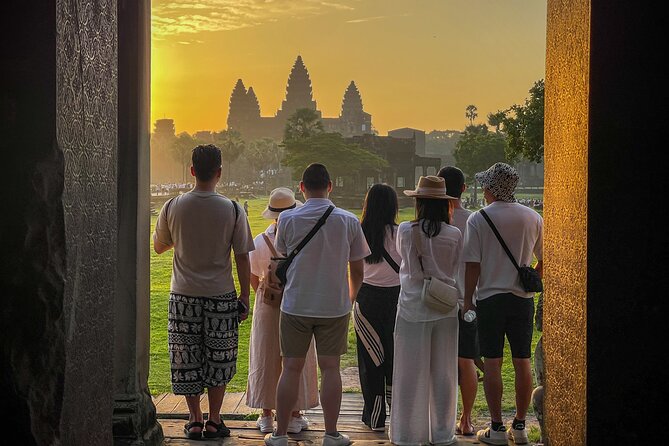
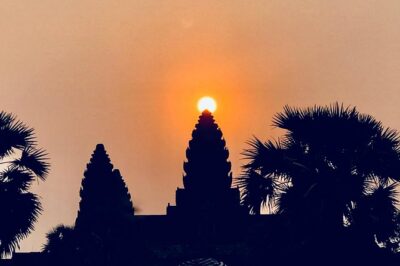
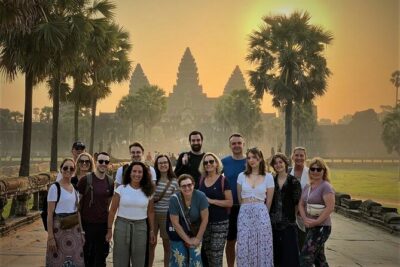
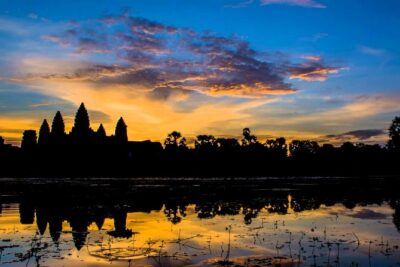
This tour begins when most people are still asleep. You’ll get hotel pickup around 4:30 am, then head out so you can watch sunrise over Angkor Wat. The big payoff is simple: light, mood, and less stress. Early hours mean calmer temple movement and nicer photos, especially if you’re shooting towers, reflections, and wide angles.
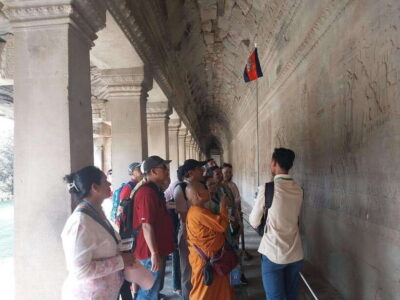
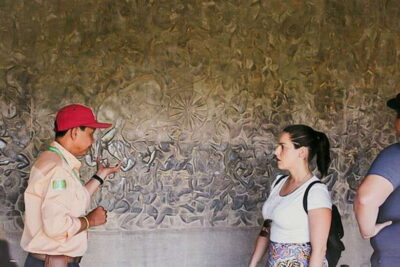
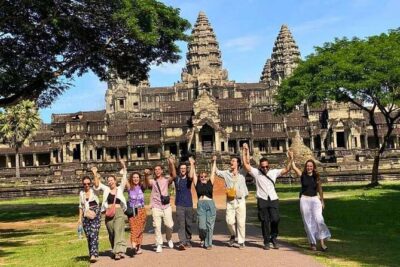
You’ll then have time to explore Angkor Wat with an experienced guide. That matters here because the temple is huge and easy to misread if you’re just wandering. A good guide helps you connect what you’re seeing to the symbolism and layout, so the visit feels like more than a famous postcard.
Srah Srang and the Preah Dak pause for breakfast and palm cake
After the early temple time, the tour gives you a grounded countryside break. You’ll stop at Srah Srang, where breakfast is included at a local family restaurant outside the core tourist bustle. It’s a welcome reset after the cold, early morning, and you also get a calmer rhythm before the next wave of temples.
Next comes Preah Dak village, where you’ll experience local life in a short stop. The highlight here is the traditional palm cake, a small bite that feels real because it’s tied to daily routines, not a made-for-tour performance. Even with the quick timing, it gives you a sense of where the temple area connects to normal village food and work.
Ta Prohm jungle temples, where roots take over the story
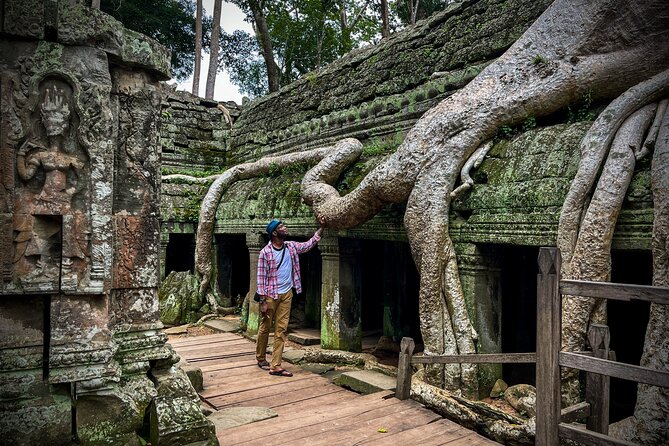
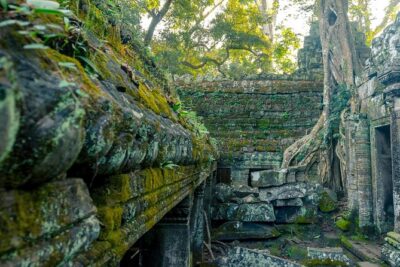
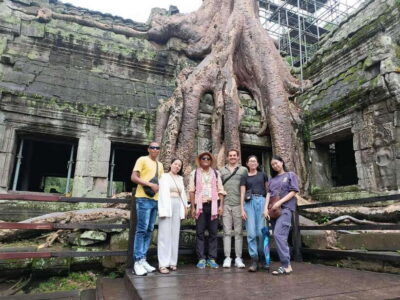
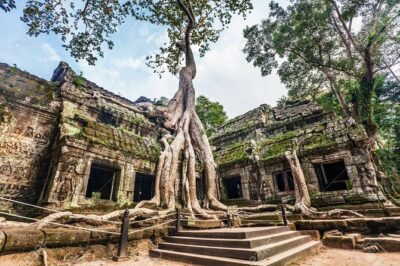
Ta Prohm is the kind of place that looks dramatic in photos, but it’s even better in person. You’ll spend about an hour trekking through a jungle-wrapped temple with huge roots and stones pushed upward by trees. It’s a different mood than the clean symmetry you see at some other Angkor sites.
The value of going with a guide is how they help you notice details. You’ll look past the obvious beauty and start seeing how the structure, growth, and weather shaped what stands today. And since it’s a shorter stop than some others, you can keep your energy for what comes right after.
Angkor Thom and Bayon, smiling faces plus major walking
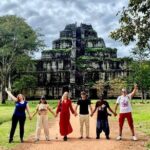
Day 1 closes with a core Angkor complex: Angkor Thom and Bayon. You’ll enter through the South Gate, then visit temples such as Bayon and Baphoun, plus areas like the Terrace of the Elephant and other nearby features included in the program. Expect about two hours here, which is enough time to get a clear feel without turning it into a sprint.
What I like about this part is the mix of scale and detail. Angkor Thom is big, but Bayon’s famous faces give you something concrete to focus on as you move. A guide helps you understand why those faces are everywhere and how the architecture is meant to guide your path.
Deeper into the jungle temple

Day 2 begins with Poeng Ta Kho views, not more ruins
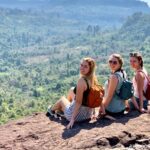
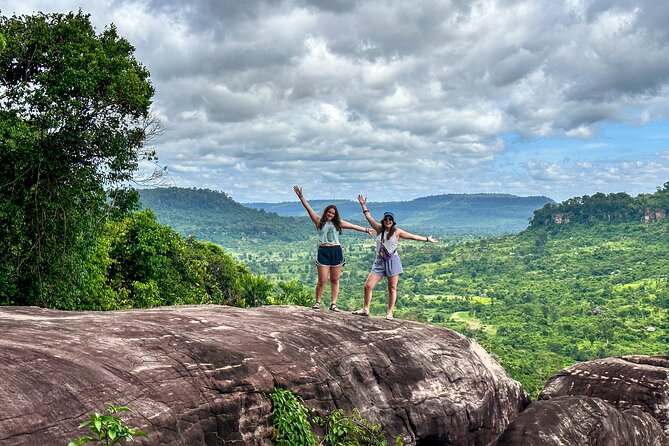
On the second morning, the tour slows down before it speeds up again. Your first stop is Poeng Ta Kho (amazing cliff), a viewpoint where you can look across canyons and forests. You get a short walk from the parking area, but the payoff is the wide perspective.
This is a smart choice for travelers who don’t want two full days of only stone. It breaks the pattern, stretches your legs, and gives you a mental reset for Kulen Mountain’s sacred sites later.
Preah Ang Thom reclining Buddha, carved right into the mountain
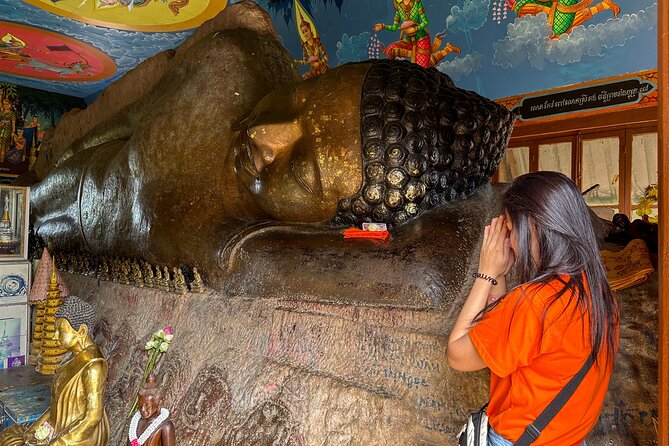
Next is Preah Ang Thom pagoda, known for an 8-meter reclining Buddha carved into the mountainside. The experience centers on a climb and the atmosphere of pilgrimage, with local families lighting incense and monks offering quiet prayers. Even though the stop is about an hour, it feels focused and grounded rather than tour-machine quick.
This is also a great place to slow down and notice how people interact with the site. The setting makes it clear that these places are not only heritage attractions. They still work as spiritual spaces, and that gives your visit more weight.
1000 Lingas, where the river becomes part of the ritual
After the mountain-side Buddha, you’ll head to 1000 Lingas. This is about the sacred fertility symbols carved into the actual riverbed by 11th-century priests, with flowing water treated as holy water for the Angkor kingdom. It’s one of those stops where the “why” matters as much as the “what.”
Time is short here, around 30 minutes, so the guide’s explanation really helps. You’ll want to be ready to look down and around the riverbed area, not just stare from a distance. Bring sunscreen and stay aware underfoot, because water areas can be slick.
Phnom Kulen waterfall time, pools, picnic rocks, and possible cold swims
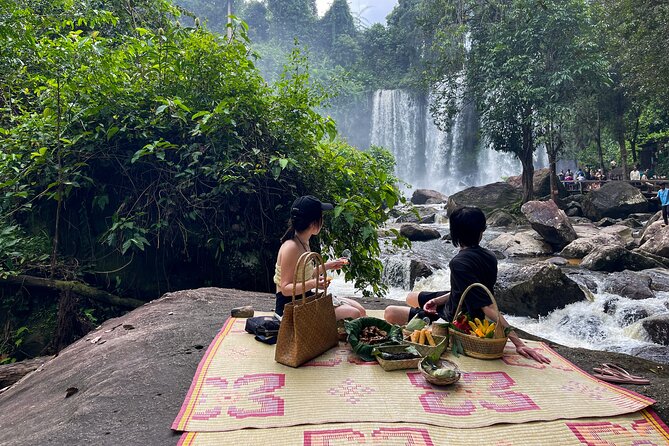
Then the tour gets fun in the straightforward way: Phnom Kulen Waterfall. You’ll spend about 1 hour 30 minutes here, with crystal-clear pools fed by mountain water. There’s time for a picnic on smooth rocks, and the soundscape is all about water and nature.
The program includes time to swim, described as cold water. If you’re the type who loves getting in, it can be refreshing after temple mornings. If you’re not, you can still enjoy the pools and scenery without forcing it. Either way, this is a highlight because it feels like a day away from traffic and crowds.
Prasat Beng Mealea, the ruin that nature didn’t fix
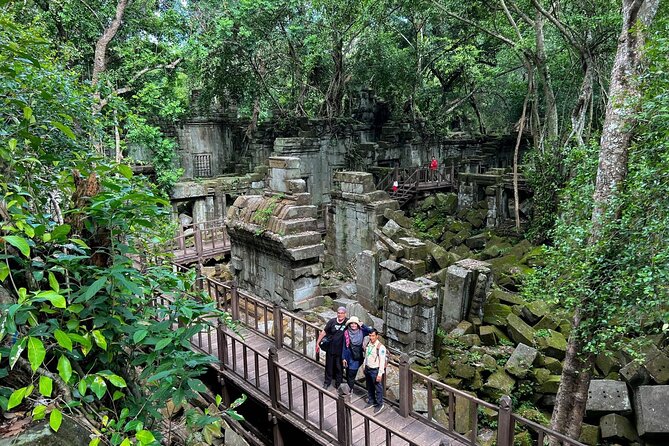
After lunch, you go to Prasat Beng Mealea. This is a 12th-century temple that feels reclaimed by nature. Compared to the polished, restored temples you’ll see closer to Angkor Wat, Beng Mealea has a rougher, wilder feel, where trees and stones compete for space.
You’ll have about an hour here, which works well because it’s easy to get turned around in ruins without losing the day. A guide can help you see key areas and understand the layout. If you like “what if Angkor wasn’t maintained” vibes, this stop delivers.
Kampong Phluk floating village on Tonle Sap, boat ride and real stilt life
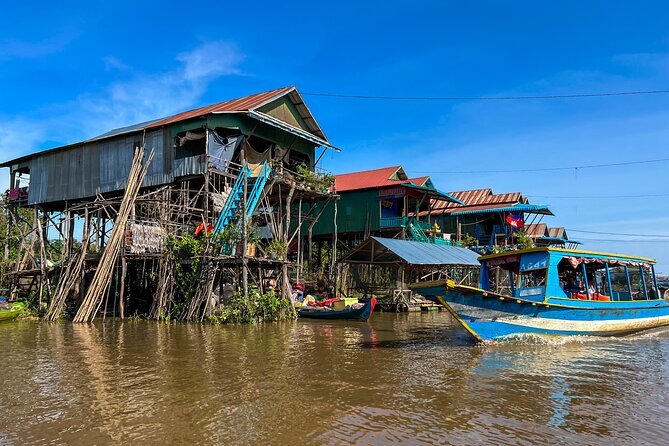
To end the tour, you head to Kompong Phluk, one of the floating villages on Tonle Sap Lake. You’ll spend about 1 hour 30 minutes, including a scenic boat journey. This stop is the strongest “daily life” contrast to the temple-heavy days.
In Kampong Phluk, families live with routines tied to the water, with stilt houses and mangrove forest around them. The tour also includes a visit to a Buddhist area. This matters because it adds another layer beyond the scenery, showing how communities organize their spiritual life alongside their practical housing.
If you’re photo-minded, this is also where you’ll get good, human-scale images, especially from the boat. Just remember that the best shots usually come with patience, and there’s time here to look around rather than only rush forward.
Guides and drivers make or break the feel of the day
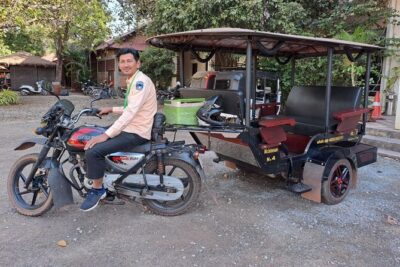
One of the clearest patterns in the experience is how much travelers praised the guide and driver teamwork. Names that come up in feedback include Mr. Chiep Chy and Mr. Mony, plus drivers Sir Tram (also written as Tram/Tra). The compliments are specific: caring attention during hot sun, strong temple explanations, and photo help.
You’ll likely see this in the flow. For example, guides help pace each stop so you’re not overwhelmed, and they explain what you’re looking at in a way that makes Angkor feel logical instead of random. Drivers also matter because this route is long and early. Fresh towels and hydration checks sound small, but they keep you from feeling wrecked by mid-morning.
What you get for $88, and when it’s real value
At $88 per person for two days, the value depends on what you’d otherwise pay to assemble the same basics yourself. Here, you get the big cost blocks included: hotel pickup and drop-off both days, a professional English-speaking guide, transportation with an experience driver, breakfast and lunch, cool water and towels, and all admission tickets for the two-day program.
You also get small extras that reduce friction. The tour offers a mobile ticket, plus group size is capped at 14 travelers, which usually means you spend more time with your guide and less time stuck waiting for a massive bus group. Vegetarian meals are available too, which is helpful if you want to travel without negotiating food every stop.
What’s not included is simple: soft drinks. Plan to grab water if you run through yours, especially on hot days.
The schedule reality, what to pack, and how to enjoy it
This itinerary is temple-forward, but it’s also physically demanding because you start before sunrise and then keep moving. Even if each stop feels timed reasonably, the day length adds up. You’ll be outside for long stretches, including the climb areas on Kulen.
Pack for heat and sun: hat, sunscreen, and breathable clothes. Bring something comfortable for walking and be ready for early-morning cold. For photos, keep your camera ready at Angkor Wat sunrise, because you want to catch the light changes fast.
Also, manage your expectations at each site. Angkor Wat is wide and iconic, Ta Prohm is about texture and jungle drama, and Beng Mealea is about scale plus getting a feel for how nature took over. Kampong Phluk is less about ruins and more about village life and boat views.
Who should book this 2-day Angkor, Kulen, Beng Mealea, floating village tour
This tour fits best if you want a guided “greatest hits with real meaning” trip without building your own plan. It’s a strong choice for first-time visitors to Siem Reap who want sunrise at Angkor Wat, then a full second day that doesn’t stop at temples.
I’d especially recommend it if you:
- Like structured touring, with someone else handling driving and entry timing
- Want both heritage and nature, including Kulen waterfalls and swimming time
- Prefer smaller group energy, capped at 14 travelers
- Appreciate a caring guide, since feedback highlights guide patience and photo support
If you want a slow, independent pace, or you strongly dislike early starts, you might prefer a more flexible day tour format.
Should you book it?
I think this is a good booking when you value convenience, strong guiding, and a balanced route. With the included admissions, meals, hotel pickup, and a two-day plan that covers Angkor, Kulen, Beng Mealea, and Kampong Phluk, the price makes sense for most people.
Book it if sunrise at Angkor Wat and Kulen Mountain are on your must-do list, and if you’re okay with long days. Skip it if you need lots of downtime or you’re not interested in climbing and early morning logistics.
FAQ
What time does the tour start for Angkor Wat sunrise?
You’ll be picked up from your hotel around 4:30 am, with departure between 4:30 and 5:00 am to catch sunrise at Angkor Wat.
How long is the tour?
It’s a two-day tour, with day 1 ending around 1:00 pm and day 2 returning to Siem Reap around 6:30 pm.
Are meals included?
Yes. Breakfast and lunch are included, and a vegetarian food option is available.
Are entrance tickets included?
Yes. All admission tickets for the two-day tour are included.
Is hotel pickup and drop-off included?
Yes. Hotel pickup and drop-off are included for both days.
What is the maximum group size?
The tour has a maximum of 14 travelers.
More Temple Circuits Around Siem Reap
- Angkor Wat Sunrise or Sunset Tour with Guide from Siem Reap
★ 5.0 · 12,109 reviews - Siem Reap: Angkor Wat: Small-Group Sunrise or Sunset Tour
★ 5.0 · 9,444 reviews - Siem Reap: Angkor Wat 2-Day Tour with Sunrise and Sunset
★ 4.9 · 4,429 reviews - Siem Reap: Full-Day Angkor Wat Guided Tour with Sunset
★ 4.9 · 3,803 reviews - Angkor Wat Sunrise tour with Small – Group and Guide tours
★ 5.0 · 3,655 reviews
Into the Jungle at Beng Mealea
- Siem Reap: Kulen Mountain, Beng Mealea and Tonle Sap Tour
★ 5.0 · 1,483 reviews - Kulen Mountain with Beng Mealea and Tonle Sap Small Group Tour
★ 5.0 · 780 reviews - Koh Ker Temple Group & Beng Mealea Full-Day Join-in Tour
★ 5.0 · 710 reviews - From Siem Reap: Koh Ker and Beng Mealea Temples Tour
★ 4.9 · 293 reviews - Banteay Srei, Kulen Waterfall & Beng Mealea Exploration
★ 5.0 · 185 reviews
Angkor Wat, a Few More Ways In
- Angkor Wat Sunrise or Sunset Tour with Guide from Siem Reap
★ 5.0 · 12,109 reviews - Siem Reap: Angkor Wat: Small-Group Sunrise or Sunset Tour
★ 5.0 · 9,444 reviews - Siem Reap: Angkor Wat 2-Day Tour with Sunrise and Sunset
★ 4.9 · 4,429 reviews - Siem Reap: Full-Day Angkor Wat Guided Tour with Sunset
★ 4.9 · 3,803 reviews - Angkor Wat Sunrise tour with Small – Group and Guide tours
★ 5.0 · 3,655 reviews
Just Added: Fresh Siem Reap Tour Reviews

Angkor Wat Temple Tours, compared.
 ★ 5.0Angkor Wat Sunrise or Sunset Tour with Guide from Siem ReapFrom $1812,109 reviews
 ★ 5.0Angkor Wat: Small-Group Sunrise or Sunset TourFrom $159,444 reviews
 ★ 4.9Angkor Wat 2-Day Tour with Sunrise and SunsetFrom $344,429 reviews
 ★ 4.9Full-Day Angkor Wat Guided Tour with SunsetFrom $153,803 reviews
 ★ 5.0Angkor Wat Sunrise tour with Small – Group and Guide toursFrom $143,655 reviews
 ★ 5.0Angkor Wat Highlights and Sunrise Guided Tour from Siem ReapFrom $233,213 reviews
 ★ 5.0Angkor Wat Sunset Small Group Tour with Lunch IncludedFrom $203,059 reviews
 ★ 5.0Full-Day Angkor Wat Sunrise Private Tour with Guide from Siem ReapFrom $602,920 reviews