
Reviewed · ANGKOR TEMPLE TOURS
2-Days in temples and other areas
Angkor temples are best when you are not herded. This 2-day private circuit is built around smart temple hopping with pickup, a guide who can shape the day to your pace, and key sites like Angkor Wat, Bayon, and Ta Prohm. I especially like the level of personal attention, and how the route can reach beyond the most obvious crowds.
On day two, you shift from the big names to temples tied to Jayavarman VII and the Jayatataka baray area, then you end with Tonle Sap Lake and its floating villages. I also like the clear structure: morning temple time, a lunch stop at Angkor Archaeological Park on day one, then more sites. One practical drawback: temple tickets, food, and the boat are not included, so you will pay those during the day.
Key Highlights Worth Planning Around
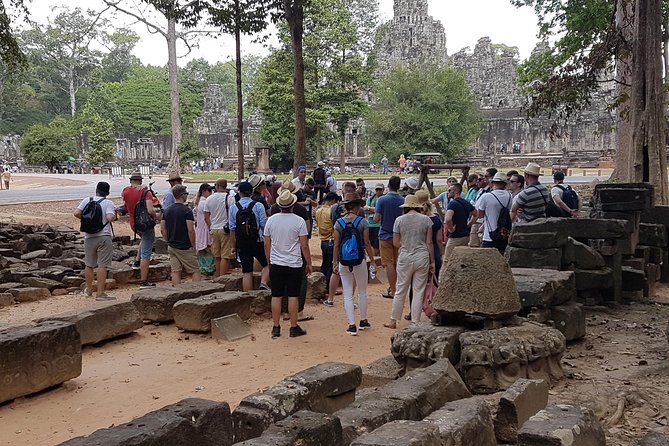
- Private guide, flexible timing, and a pace that fits your legs (I like the way guides can start earlier to avoid the hottest hours).
- A balanced spread of iconic and lesser-visited temples rather than one rushed loop.
- Day 2 focus on major names tied to specific rulers and dates like Preah Khan’s sanctuary dedicated in AD 1191.
- An extra dose of culture and context options such as Khmer dance shows or a landmine museum stop (depending on your guide).
- Tonle Sap Lake floating villages as a change of scenery from stone temples.
More temple circuits, set side by side
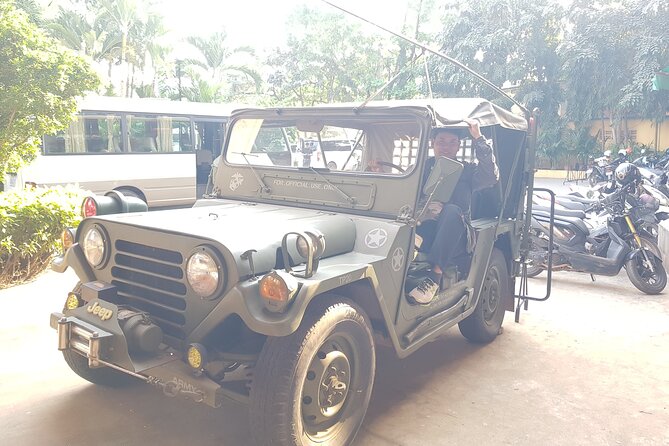
- Angkor Wat Sunrise by Vintage Jeep – Private Tour★ 4.8 · 91 reviews
- Angkor Temples Highlights Tour: 2 Days with Sunrise★ 4.2 · 43 reviews
- Angkor Wat: Guided Jeep Tour Inclusive lunch at local house★ 4.9 · 29 reviews
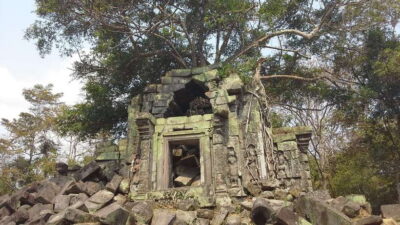
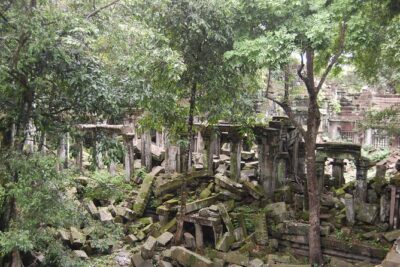
- Two Days Angkor Wat Park-Beng Mealea and Kampong Phluk Village★ 5.0 · 14 reviews
How This 2-Day Plan Fits Real Angkor Days
Angkor is not a museum you sprint through. It is hot, big, and spread out, so the value of a guided plan is less about checking boxes and more about staying sane. With a private car/van, pickup and drop-off in Siem Reap, plus water included, you spend less time figuring out logistics and more time actually looking.
The route is also designed for momentum. You start with the headline temples and the Angkor Thom area, then you go deeper on day two with temples around Preah Khan and the Jayatataka baray zone. If you have only a couple of days, this “big then deeper” flow helps you avoid that feeling of seeing the same shapes over and over.
Day 1: Angkor Thom, Bayon Complex, and Ta Prohm Temples
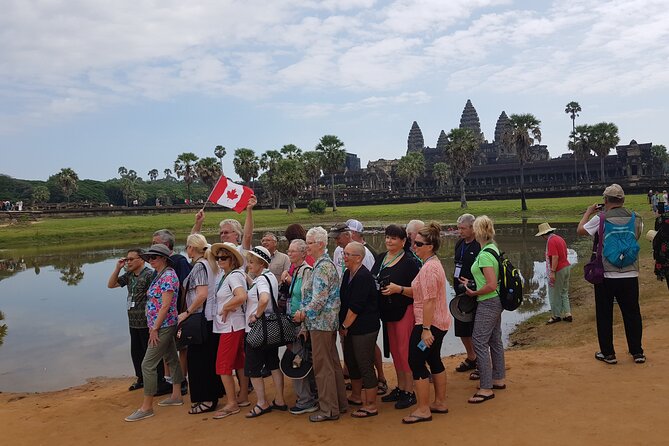
Day one is about getting your bearings fast and building momentum. You will be picked up from your hotel in the morning and taken to Angkor Thom City, where you can see multiple old temples clustered in one ancient layout. This is a good first-day choice because the area has enough variety that your brain starts mapping what you are seeing.
From there, the day targets the Bayon complex and Ta Prohm temples. These stops tend to be the big emotional anchors of many Angkor trips, so I like having them early. If you are sensitive to heat or fatigue, the earlier start can also help you avoid the worst sun and crowds later in the day. In fact, one strong theme from the guide experience is pacing, with some guides adapting the schedule so you are not stuck out during the hottest hours.
Practical tip: dress for the temples. I have seen firsthand how easy it is to arrive with the wrong outfit, then lose time at a store or with a last-minute wrap. Angkor Wat in particular expects covered knees and shoulders, so bring something that works before you leave your hotel.
Lunch is built in as well. You stop for lunch in the Angkor Archaeological Park, then you pay for lunch yourself after you eat. This setup makes the day feel less like a nonstop scramble, and it gives you a clear moment to reset before the afternoon temple run.
Day 1 Can Include Extra Stops That Add Meaning
The core temple targets are clear, but what makes private guiding shine is the optional context around them. In one example, a guide added a stop at a landmine museum focused on finding and disarming landmines. If this is offered to you, it can be a sobering complement to the beauty of the ruins, and it helps explain why the post-war recovery of Cambodia mattered so much.
Another common evening add-on is entertainment. The plan suggests you consider a Khmer dancing show or Khmer circus in the evening. If you are choosing between “another night out” and “an early bedtime,” I would pick one cultural performance. Angkor is stone and sandstone. These shows bring the living side of Khmer culture back into your trip.
Day 2: Preah Khan, Neak Pean, Preruk, and Banteay Srey
Day two is where you switch gears. Instead of staying locked on the headline names, you move northeast of Angkor Thom to Preah Khan, then continue through a set of temples that connect directly to specific rulers and sacred spaces.
Preah Khan is tied to King Jayavarman VII and is part of the story of building Angkor Thom. The central sanctuary was dedicated in AD 1191, and that date is the kind of detail a good guide can turn into something you can remember. It is also a strong day-two choice because you are no longer just looking for famous silhouettes. You are comparing styles and layouts across time.
Next is Neak Pean, an island temple in the centre of Jayatataka baray. Even without complicated explanations, the setting concept matters. A baray is a water system, and an island temple inside it changes how you perceive movement, sightlines, and the temple’s original role in ceremony.
Then you visit Preruk, a Hindu temple built as the state temple of Khmer king Rajendravarman, dedicated in 961 or early 962. That “single ruler, specific dedication timeframe” angle is a great way to connect dates to architecture. It also keeps the second day from turning into a generic temple parade.
Finally, Banteay Srey comes into the mix as a 10th-century temple dedicated to the Hindu gods Shiva and Parvati. With this stop, your day ends with religious meaning that is different from what people usually focus on at the more famous Angkor sites. If you like understanding the religious purpose behind the stones, this temple sequence is a win.
Lunch on Day 2 and the Tonle Sap Switch
Like day one, day two includes lunch time. After lunch, you head toward Tonle Sap Lake for the floating villages. Lunch is paid by you, just like day one. That means your “all-in” day budget is not only about what you pay up front for the tour.
This is also the most important strategic shift in the whole experience. Tonle Sap is a totally different environment from temple stone. The floating village portion is a paid add-on, and you should plan on the extra cost of boat time since boats are listed as not included.
If you tend to get temple fatigue, this is exactly where you will appreciate the break. You get water, daily life, and different visuals. If you do not like boat rides or water conditions, you may want to think about how you feel about Tonle Sap before committing.
The Private Guide Factor: Why This Tour Usually Wins
A private tour is not just comfort. It is control. With your group only, you can move at a rhythm that fits your energy, and your guide can answer questions without racing a large bus schedule.
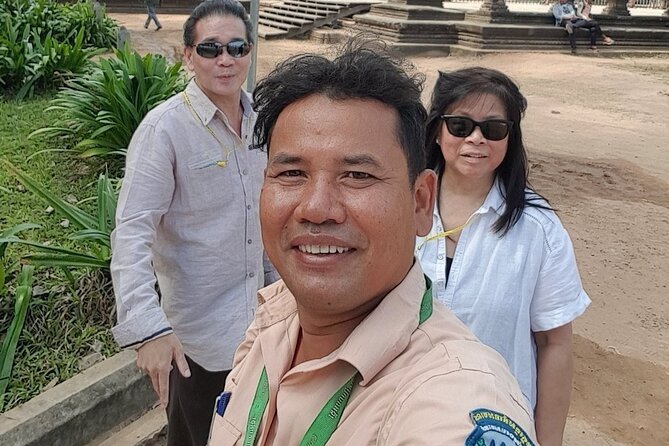
Guides like Narin are repeatedly praised for knowledge, but the deeper point is how they use that knowledge in real time. The good guides adapt to your interests and pace, and they can help you avoid common mistakes like the wrong outfit for the temples. One specific example from the guide experience: when someone arrived wearing shorts, the guide made sure the fix was handled so the visit could continue smoothly.
Also, private guiding can mean you reach temples that feel more “on your own route,” not only the ones most group tours squeeze into every day. That is one reason people feel like they saw a wider slice of Angkor in just two days.
What the Price Includes, and What It Does Not
The cost for this 2-day private tour is $261 for about two days. For that price, you get a guide, a car or van, and water, plus pickup is offered and you are dropped back at your hotel after day one. You also receive a paper ticket, which is handy if you prefer clear, physical documentation.
What is not included is the big variable: temple tickets, food, and the boat. In practice, that means the trip cost can rise depending on which sites you enter and what boat option you choose on Tonle Sap. So, when I think about value, I treat the $261 as paying for the guide plus transport and organization, while your on-the-ground spending covers entrances and meals.
If you want a simple budget mindset, plan for:
- Temple entrance fees you will pay during the tour
- Lunches that are paid by you
- Boat cost for Tonle Sap floating villages
If you already know you will pay those anyway on any Angkor itinerary, then the $261 becomes easier to judge: it is paying for a private route with a guide and a vehicle, and that can be worth it quickly when you compare it to the stress of self-driving and the time cost of figuring it all out.
Getting Ready: Small Things That Make a Big Difference
This is a temple-heavy experience, and it lists a moderate physical fitness level. Translation: you will walk, climb, and spend hours outdoors. Bring comfortable shoes with good grip, and plan for long sun exposure.
Also bring practical temple clothing. Angkor Wat requires covered knees and shoulders, so pack something that you can pull on quickly. It is a small thing, but it saves time and helps you keep the day moving instead of getting stuck in an outfit scramble.
Lastly, go in with a mindset that the guide matters. With a plan like this, the guide is what turns a route of names into a story you can follow. If you ask questions about rulers, temple purposes, or why the day two sequence makes sense, you will get more out of the stones.
Should You Book This 2-Day Temples and Tonle Sap Tour?
Book it if you want an efficient two-day Angkor experience with private pacing, hotel pickup, and a route that blends big icons with temple sites around Preah Khan, Neak Pean, Preruk, and Banteay Srey. It is a particularly good fit if you like learning details and you want a guide who can adjust the day to your interests instead of forcing a one-size-fits-all schedule.
Skip it or rethink it if you are trying to keep costs tightly controlled, because temple tickets, food, and the boat are not included. Also consider your comfort with boat travel for Tonle Sap, since that part is paid separately.
If your goal is to see a lot of meaningful Angkor in a short window, this plan is a solid choice.
FAQ
What is included in the $261 price?
The tour includes a guide, car or van, and water. Pickup is offered, and a paper ticket is provided. Temple tickets, food, and the boat are not included.
Do I need to pay for temple tickets during the tour?
Yes. Temple tickets are listed as not included, so you will pay for them yourself during the visit.
Is there pickup from my hotel in Siem Reap?
Pickup is offered. You will also be dropped off at your hotel after the tour finishes for the day.
Is this a private tour?
Yes. It is a private tour or activity, and only your group participates.
Is the Tonle Sap boat included?
No. The boat is listed as not included, and the floating villages part is paid by the client.
What happens if the weather is bad?
The experience requires good weather. If it is canceled due to poor weather, you will be offered a different date or a full refund. You can cancel up to 24 hours in advance for a full refund.
More Tour Reviews in Angkor Wat
- Angkor Wat Sunrise by Vintage Jeep – Private Tour
★ 4.8 · 91 reviews - Angkor Temples Highlights Tour: 2 Days with Sunrise
★ 4.2 · 43 reviews - Kulen National Park Ticket
★ 5.0 · 33 reviews - Angkor Wat: Guided Jeep Tour Inclusive lunch at local house
★ 4.9 · 29 reviews - Two Days Angkor Wat Park-Beng Mealea and Kampong Phluk Village
★ 5.0 · 14 reviews
More Days at the Temples
- Angkor Temples Highlights Tour: 2 Days with Sunrise
★ 4.2 · 43 reviews
More Temple Circuits Around Angkor Wat
- Angkor Wat Sunrise by Vintage Jeep – Private Tour
★ 4.8 · 91 reviews - Angkor Temples Highlights Tour: 2 Days with Sunrise
★ 4.2 · 43 reviews - Angkor Wat: Guided Jeep Tour Inclusive lunch at local house
★ 4.9 · 29 reviews - Two Days Angkor Wat Park-Beng Mealea and Kampong Phluk Village
★ 5.0 · 14 reviews
Just Added: Fresh Angkor Wat Tour Reviews
Angkor Temple Tours, compared.
 ★ 5.0Angkor Wat Sunrise or Sunset Tour with Guide from Siem ReapFrom $1812,109 reviews
 ★ 5.0Angkor Wat: Small-Group Sunrise or Sunset TourFrom $159,444 reviews
 ★ 4.9Angkor Wat 2-Day Tour with Sunrise and SunsetFrom $344,429 reviews
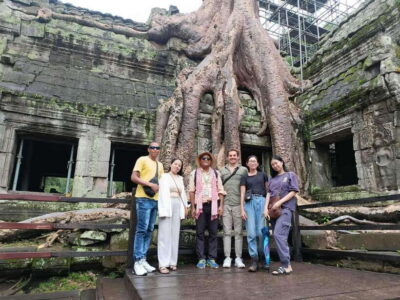 ★ 4.9Full-Day Angkor Wat Guided Tour with SunsetFrom $153,803 reviews
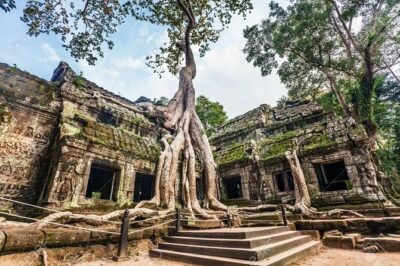 ★ 5.0Angkor Wat Sunrise tour with Small – Group and Guide toursFrom $143,655 reviews
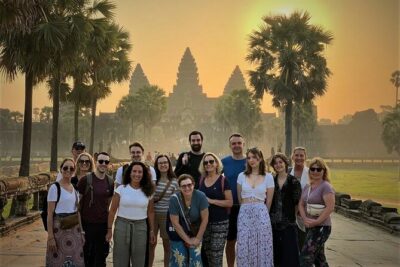 ★ 5.0Angkor Wat Highlights and Sunrise Guided Tour from Siem ReapFrom $233,213 reviews
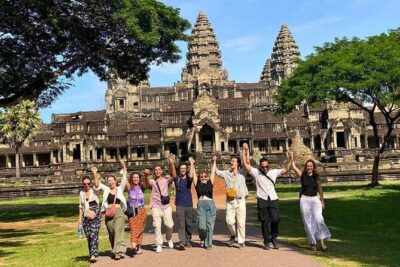 ★ 5.0Angkor Wat Sunset Small Group Tour with Lunch IncludedFrom $203,059 reviews
 ★ 5.0Full-Day Angkor Wat Sunrise Private Tour with Guide from Siem ReapFrom $602,920 reviews
Browse the lists this tour appears in